There are films that flicker briefly on the cultural radar and then vanish, leaving only a faint trace in the memory banks of those who caught them during a late-night cable slot or chanced upon a worn VHS tape tucked away in the "Indie" section of the local video store. And then there are films like Gregg Araki's The Living End (1992) – films that grab you by the throat, shake you violently, and leave an indelible scorch mark on your cinematic soul. Finding this one back in the day felt less like renting a movie and more like discovering contraband, a raw, uncensored howl smuggled out from the fringes.
An Apocalypse of Two
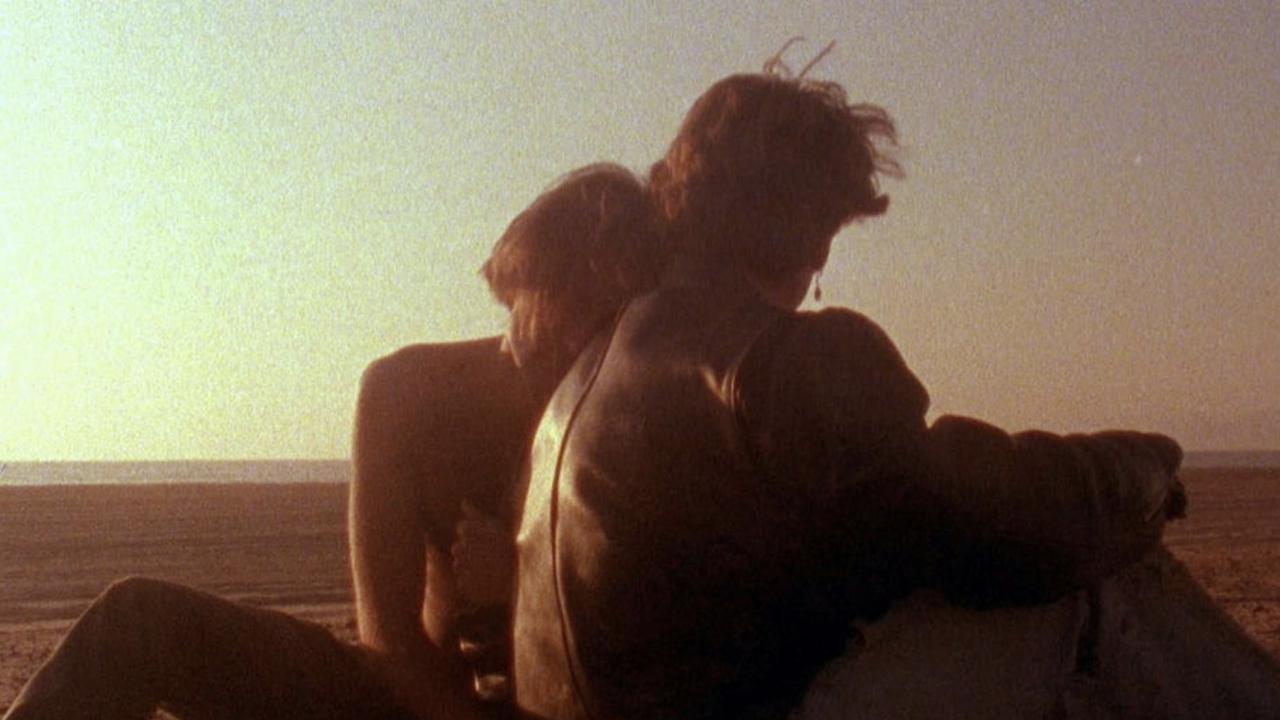
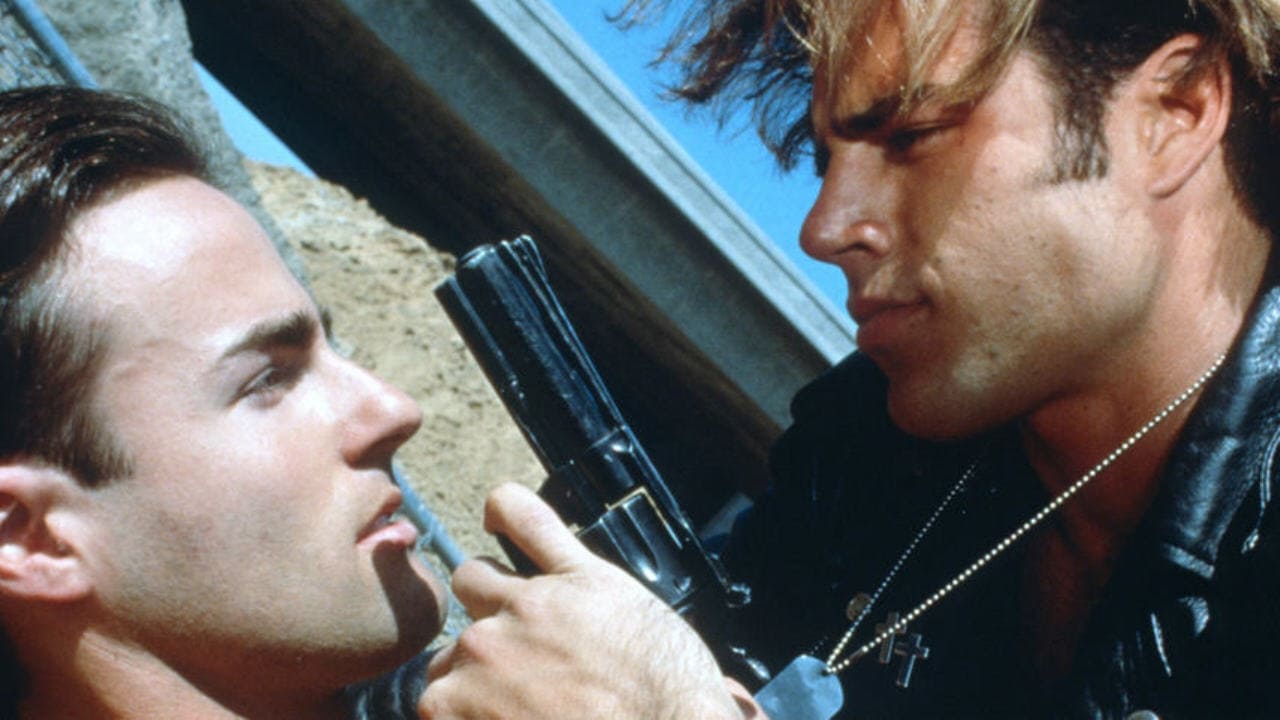
At its core, The Living End is deceptively simple: a road movie fueled by desperation and desire. Jon (Craig Gilmore), a relatively aimless and cynical film critic, discovers he is HIV positive. Soon after, he encounters Luke (Mike Dytri), a volatile, charismatic drifter who is also positive. After Luke impulsively kills a homophobic police officer, the pair hit the road in Jon’s car, embarking on a nihilistic journey across the American landscape under the self-proclaimed banner "Thelma and Louise with homosexuals... and AZT." Yet, reducing it to a mere logline feels entirely inadequate. This isn't just a journey across states; it's a furious sprint towards oblivion, a defiant middle finger aimed squarely at a society perceived as indifferent, even hostile, to their existence, especially during the terrifying peak of the AIDS crisis.
Fury Forged in Fear and Neglect
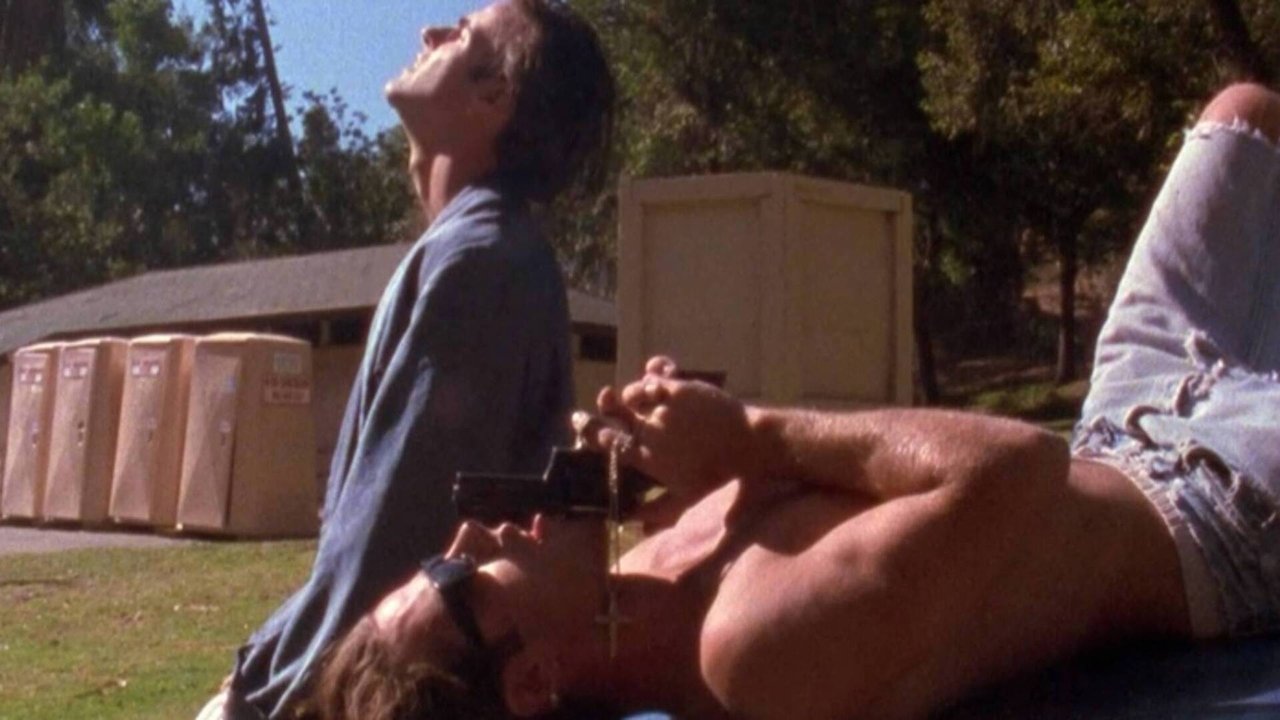
What hits you immediately, even watching it now, decades removed from its initial impact, is the sheer, unadulterated anger. Araki, who also wrote the screenplay, channels the palpable fear, frustration, and righteous fury of a generation grappling with AIDS – a plague compounded by political inaction and societal prejudice. The film wears its politics on its sleeve, most notably in its infamous dedication: "Dedicated to (...) the hundreds of thousands who've died and the hundreds of thousands who will die because of a big white house full of Republican fuckheads." It’s a statement that felt shocking then and retains its confrontational power. The Living End isn't asking for sympathy; it's demanding attention, raging against the dying of the light with punk rock energy and anarchic spirit. This wasn’t a polite request for understanding; it was a Molotov cocktail lobbed into the cinematic landscape.
The Road Warriors of the Apocalypse
The central performances by Craig Gilmore and Mike Dytri are crucial to the film's raw energy. They weren't seasoned stars; their relative obscurity lends an unsettling authenticity to their portrayals. Gilmore's Jon is the more intellectual, perhaps relatable, anchor – his fear manifests as biting cynicism and existential dread. You see the terror behind his eyes, the dawning horror of his situation clashing with an unexpected, dangerous attraction. Dytri's Luke is pure id – impulsive, violent, seductive, and terrifyingly unpredictable. He’s the catalyst, the embodiment of a 'live fast, die young' ethos pushed to its most extreme conclusion. Their chemistry is electric, volatile, a strange mix of desperate tenderness and simmering violence. Are they lovers? Soulmates? Or just two doomed souls clinging together as the world ends? The film suggests maybe they're all three, a complex, messy reality far removed from sanitized Hollywood romance.
Guerilla Filmmaking, Maximum Impact
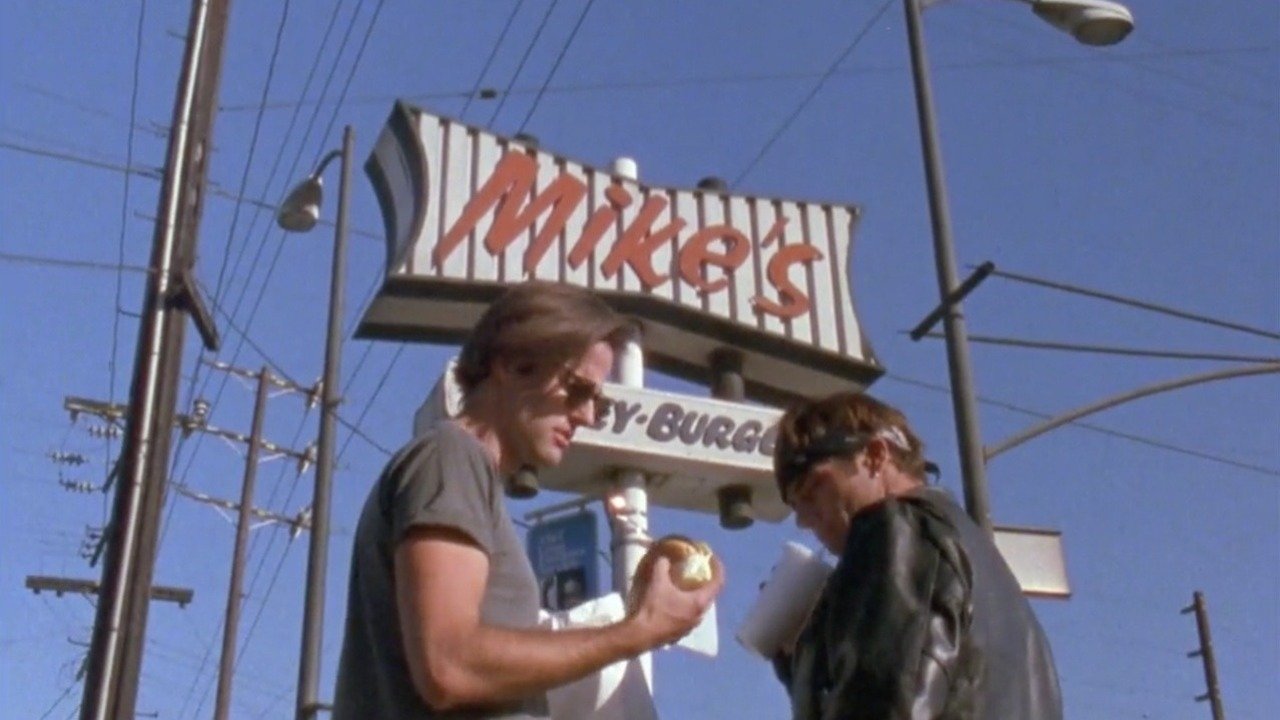
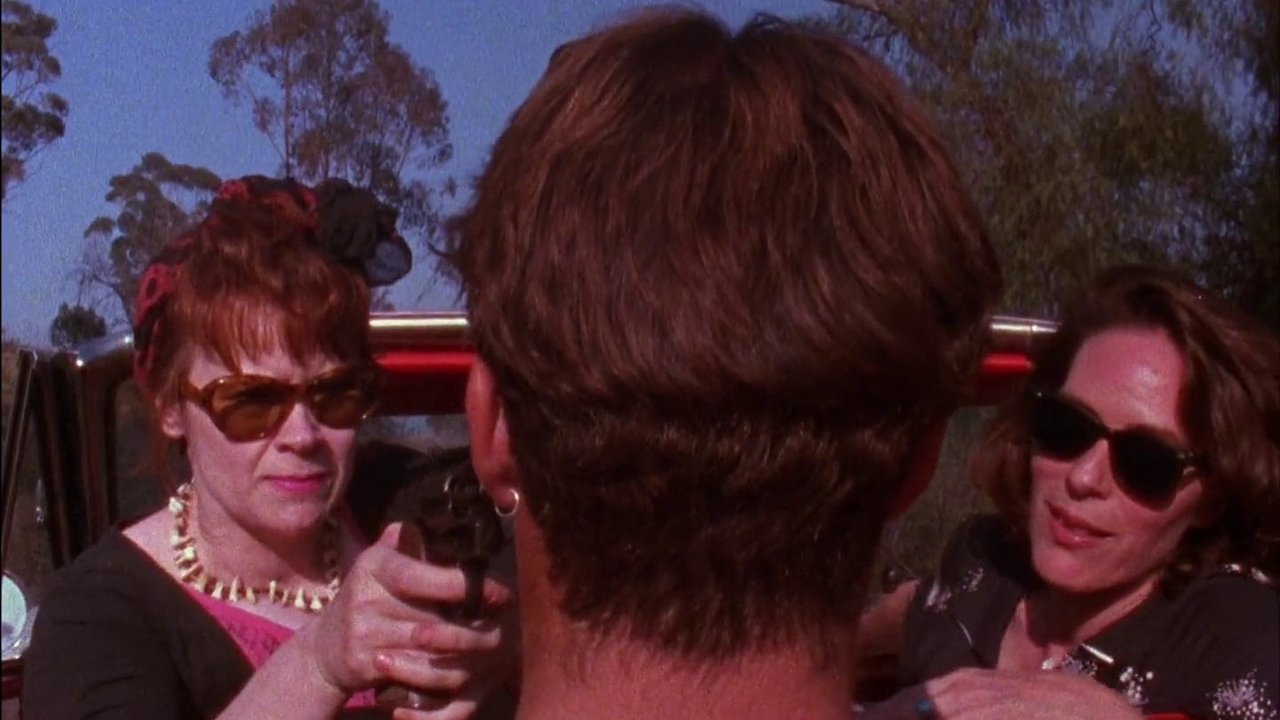
You can feel the low budget – reportedly around $20,000 – in every frame, but Araki turns limitation into aesthetic. Shot guerilla-style, often without permits, on the streets and highways of California, the film possesses a gritty, immediate quality that perfectly matches its subject matter. The handheld camerawork feels urgent, the editing is sharp and jarring, and the soundtrack, a driving mix of alternative and industrial rock, acts as a constant accelerant. This wasn't slick filmmaking; it was raw, DIY, seat-of-your-pants creation, fueled by passion and necessity. Knowing it was made on such shoestring resources only deepens the appreciation for its ferocious vision. It’s a testament to what can be achieved when artistic urgency overrides financial constraints, a spirit many indie filmmakers of the era embraced. Remember seeing films like this and thinking, "How did they even do that?"
A Legacy of Defiance
The Living End became a cornerstone of the burgeoning "New Queer Cinema" movement of the early 90s, alongside films like Poison (1991) and Swoon (1992). These films were unapologetic, confrontational, and refused to portray LGBTQ+ lives through a heteronormative lens or solely as victims. They were often angry, experimental, and vital. While Araki would go on to explore similar themes of alienated youth and societal breakdown with films like The Doom Generation (1995) and the devastating Mysterious Skin (2004), The Living End retains a unique power derived from its specific historical moment and its unfiltered rage. It’s a film that doesn’t flinch, even when its characters make morally reprehensible choices. It forces you to look, to consider the desperation that might drive someone to such extremes. What happens when society effectively tells you your life doesn't matter?
---
Rating: 8/10
This rating reflects the film's undeniable power, its historical significance within New Queer Cinema, and its raw, potent energy that still crackles decades later. Araki's audacious vision and the committed performances overcome the limitations of the micro-budget. It loses a couple of points perhaps for its unrelenting bleakness and occasional roughness around the edges, which might make it a challenging watch for some, but its importance and impact are undeniable. It's not necessarily an enjoyable film in the conventional sense, but it is a vital and unforgettable one.
The Living End remains a bracing, sometimes difficult, but ultimately essential piece of 90s independent filmmaking. It’s a time capsule of queer rage and existential dread, a cinematic scream into the void that, once heard, is impossible to forget. It reminds us that sometimes, the most powerful stories are the ones told from the edge, with nothing left to lose.