Okay, fellow tapeheads, let’s dim the lights and adjust the tracking. Remember those slightly forbidden corners of the video store? The ones promising something a little more… European? That's where you might have stumbled upon a distinctive Tinto Brass box, and his 1994 offering, The Voyeur (or L'uomo che guarda for the purists), was certainly no exception. Forget explosions and car chases for a moment; this is a different kind of 90s intensity, one rooted in observation, obsession, and the uniquely direct sensual style that was Brass's signature.

Finding this one felt like uncovering a secret. It wasn't your typical blockbuster fare, that's for sure. Based on a novel by the acclaimed Italian author Alberto Moravia (The Conformist, Contempt), the film immediately presents an interesting friction: the intellectual weight of Moravia's exploration of alienation filtered through the unabashedly physical, often playful, lens of Brass. It's a combination that promises something unique, and frankly, it delivers, though perhaps not always in the ways you'd expect.
### Through a Glass, Darkly (and Sometimes a Mirror)
The story centers on Dodo (played with a suitable degree of passive intensity by Francesco Casale), a literature professor in Rome whose life unravels as he suspects his wife, Sylvia (Katarina Vasilissa), of infidelity. More than just suspecting, Dodo watches. He becomes consumed by observing her, observing others, and observing himself in relation to them. This isn't just about jealousy; it's about a deeper paralysis, an inability to act, preferring the detached role of the spectator.
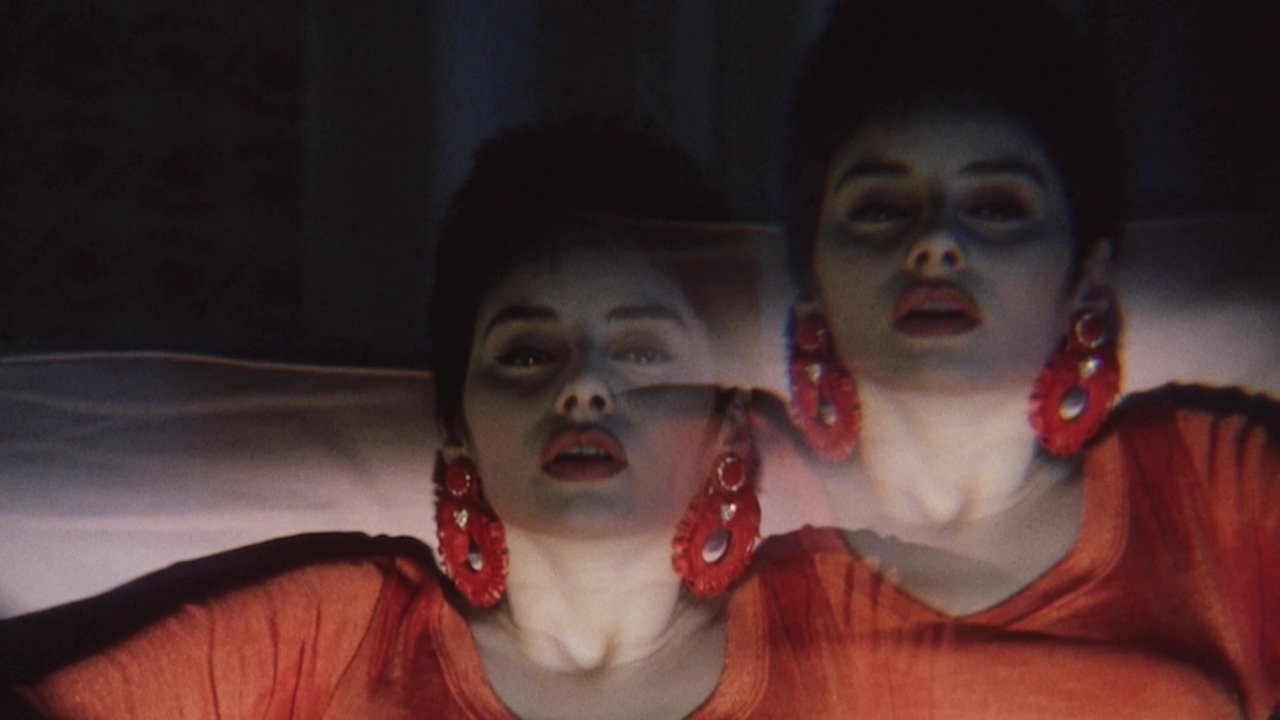
Tinto Brass, never one for subtlety, visualizes this theme with his trademark flair. Forget CGI gloss; this is filmmaking grounded in the physical. Brass uses mirrors constantly, fragmenting images, reflecting gazes, literally showing us Dodo watching himself watch others. His camera often lingers on details, isolating body parts with an intimacy that feels both invasive and strangely detached, mirroring Dodo's own perspective. It’s a style that feels incredibly present in a way that much modern filmmaking, reliant on digital smoothing, often lacks. You feel the texture of the rooms, the heat of the Roman setting.
A fascinating tidbit here is that Brass often collaborated closely with his wife, Carla Cipriani, who is credited here as a collaborator on the screenplay and assistant director. This long-term creative partnership undoubtedly shaped the specific gaze and rhythm of his films, adding another layer to consider when thinking about the perspective offered.
### Brass Tacks: Style and Substance
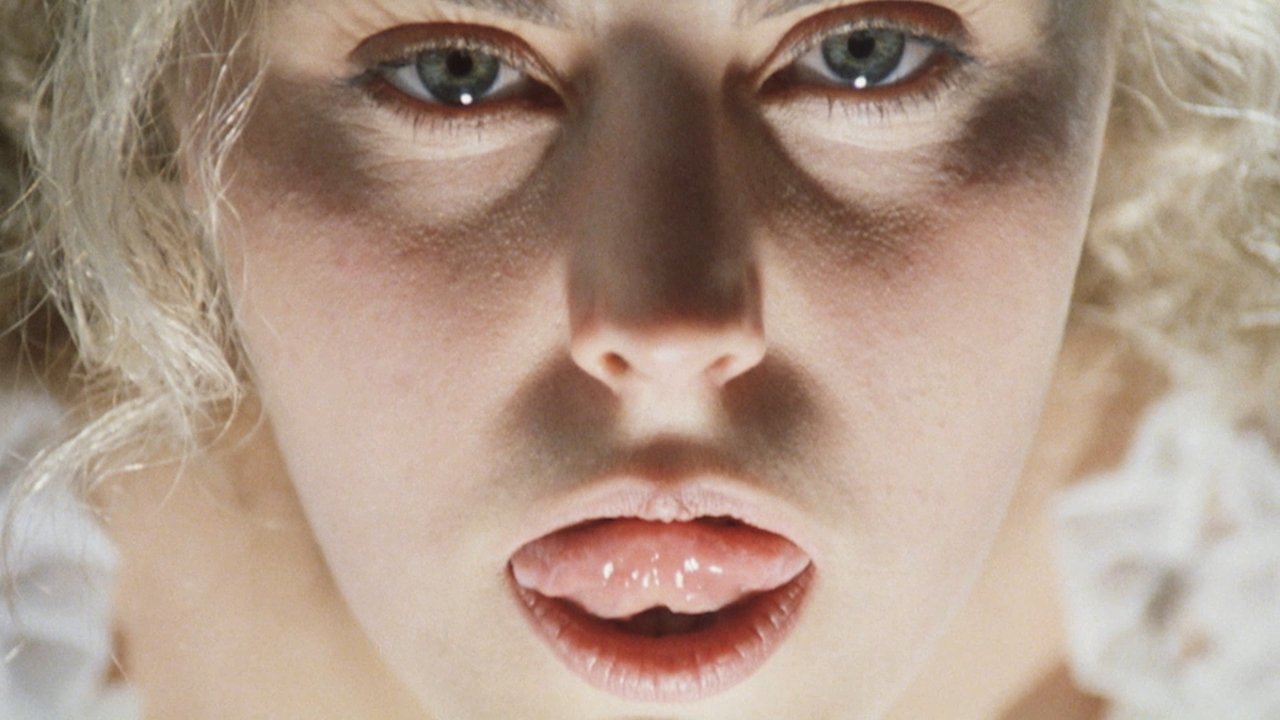
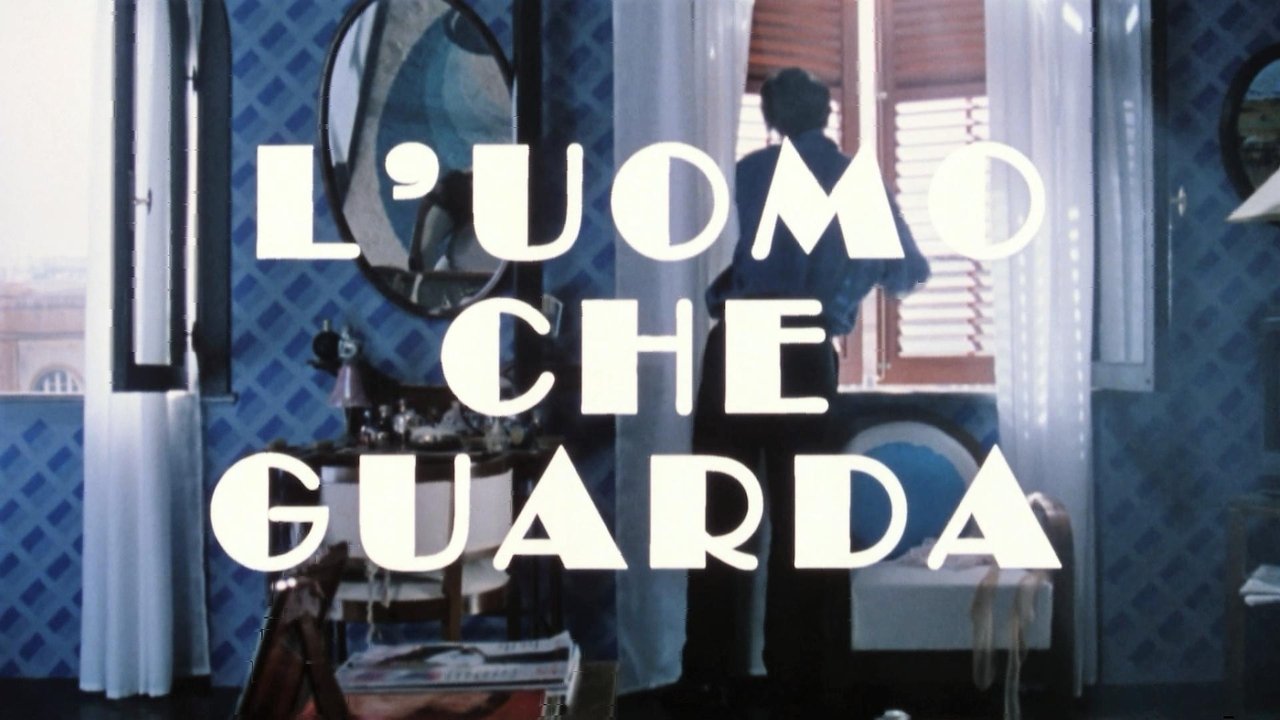
Let's be honest: Tinto Brass films are an acquired taste, and The Voyeur is pure, uncut Brass. His focus on the female form is legendary and, depending on your viewpoint, either celebratory or objectifying – often walking a fine line between the two. Katarina Vasilissa, relatively unknown at the time (Brass often cast outside the mainstream), embodies the enigmatic Sylvia perfectly. She projects a languid sensuality and an ambiguity that keeps both Dodo and the audience guessing. Is she playing games? Is she genuinely seeking something Dodo can't provide? The film doesn't offer easy answers.
The supporting cast, including Cristina Garavaglia as the provocative disabled neighbour Fausta, adds further layers to Dodo's observational web. Each interaction seems designed to push Dodo further into his passive state, highlighting the contrast between his intellectualism and the raw physicality surrounding him.
While based on Alberto Moravia's work, the film definitely emphasizes Brass's preoccupations over Moravia's deeper existential angst. The psychological complexity is there, but it’s often expressed visually and erotically rather than through lengthy dialogue or introspection. It's less a deep dive into Moravia's text and more Brass using Moravia's framework to explore his own favorite themes of voyeurism, power dynamics in sex, and a certain playful anarchy regarding social norms. Did it face censorship? You bet. Brass films were almost designed to provoke censors, and international versions often differed, a common reality for challenging European cinema finding its way onto global VHS shelves.
### The Verdict from the Couch
Watching The Voyeur today is a distinct experience. It’s undeniably a product of its time – the specific look, the pacing, the unashamedly analogue approach to depicting sensuality. It lacks the slickness of modern erotic thrillers but possesses a raw, almost tactile quality that's compelling. The central theme of observation feels surprisingly relevant in our hyper-documented digital age, even if Brass's methods are purely analogue.
It’s not a film for everyone. Its explicitness and specific viewpoint will alienate some, while others will find its blend of art-house pretensions and eroticism captivating. If you knew Tinto Brass's name on that VHS box meant a particular kind of journey, The Voyeur doesn't disappoint. It’s visually inventive within its specific niche, intellectually stimulating thanks to its source material (even in adaptation), and carried by committed performances.
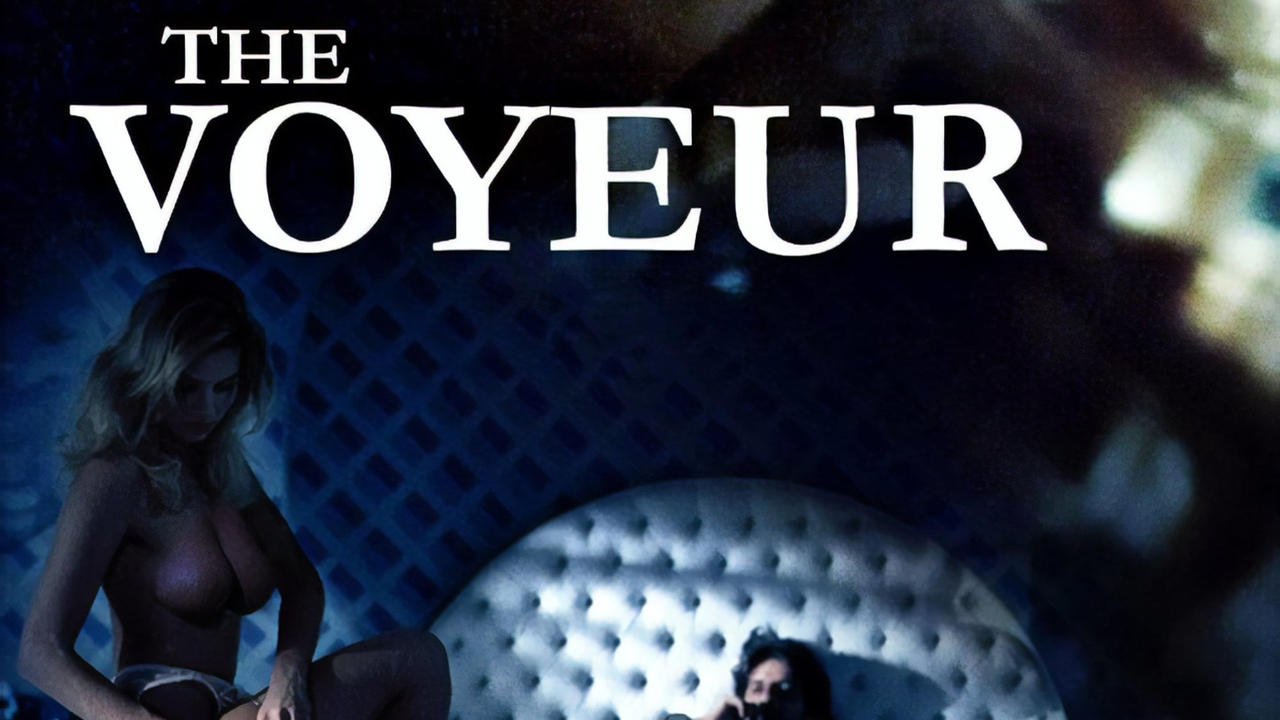
Rating: 6.5 / 10
Justification: The rating reflects the film's successful realization of Tinto Brass's distinctive vision and its intriguing, if not entirely profound, engagement with Alberto Moravia's themes. It earns points for its bold visual style, its specific 90s European arthouse/erotic vibe, and its commitment to its premise. However, it loses points for its niche appeal, a narrative that sometimes feels secondary to the visuals, and a perspective that remains controversial and challenging for some viewers. It’s a strong example of its specific subgenre but not a universally accessible classic.
Final Thought: The Voyeur is a potent reminder of a time when adult themes in cinema felt less polished, more provocative, and undeniably analogue – a challenging but fascinating trip back to the more obscure shelves of the video store.