Okay, settle in, grab a comfortable spot – maybe imagine the soft glow of a CRT nearby. Tonight, we're reaching onto that slightly dusty shelf for a tape that might not have screamed the loudest from the video store display, but holds a quiet, undeniable charm: Maurizio Ponzi's 1983 Italian comedy-drama, The Pool Hustlers (or, more accurately, Io, Chiara e lo Scuro - "Me, Chiara, and The Dark One"). It's a film that drifts into your consciousness like smoke curling in a dimly lit bar, a gentle exploration of obsession wrapped in Tuscan melancholy and unexpected humor.
### The Click of Balls, The Beat of a Heart
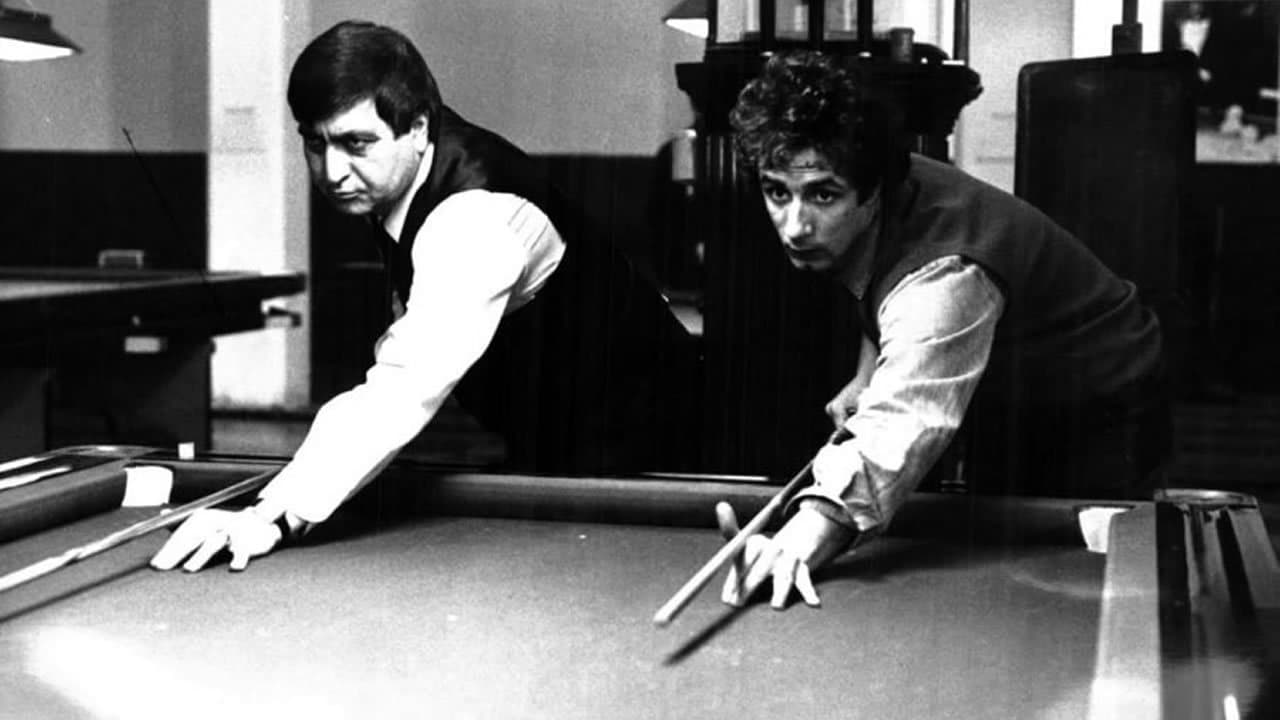
What first strikes you about The Pool Hustlers isn't frantic action or high-stakes heists, despite the slightly misleading English title. It's the atmosphere. Ponzi masterfully captures the specific energy of Italian billiard halls in the early '80s – places thick with cigarette smoke, unspoken tensions, and the rhythmic punctuation of colliding balls. At the center of this world is Francesco, played with an unforgettable, hangdog charm by Francesco Nuti. Francesco isn't just good at pool; he lives for it. More specifically, he lives to beat "Lo Scuro" (The Dark One), the reigning, silent champion played with imposing stillness by Marcello Lotti. This singular focus, however, comes at a cost, primarily to his relationship with the patient, pragmatic Chiara (Giuliana De Sio). The film isn't really about hustling unsuspecting marks; it's about the internal struggle of a man consumed by a single, perhaps pointless, ambition. Does the drive to be the best inevitably lead to neglecting what truly matters?
### The Melancholy Comic Genius of Nuti
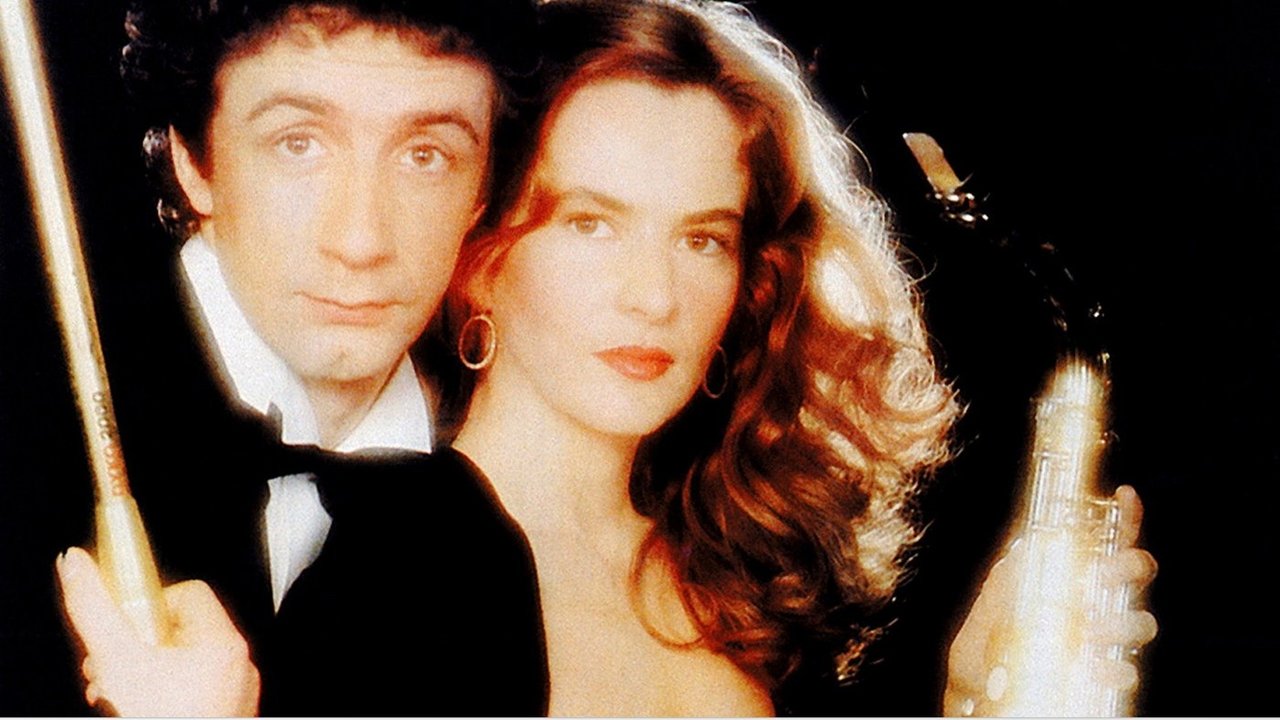
Francesco Nuti wasn't just the star here; he co-wrote the screenplay, and the film feels deeply personal, perfectly tailored to his unique screen persona. If you're unfamiliar with Nuti, who became a massive star in Italy partly off the back of this film, imagine a comedian whose humor arises less from punchlines and more from weary sighs, expressive silences, and a kind of profound, relatable awkwardness. He imbues Francesco with a vulnerability that makes his obsession feel less like arrogance and more like a deep-seated need. It’s no surprise he won the David di Donatello award (Italy's equivalent of the Oscar) for Best Actor for this role. There’s a telling authenticity to his presence at the pool table, too – Nuti was reportedly quite a skilled player himself, adding a layer of believability to Francesco's single-minded quest. He makes you root for this flawed character, even as you wish he'd just pay Chiara a little more attention.
### Chiara: The Grounding Force
Against Francesco's almost ethereal focus on the green felt, Giuliana De Sio provides the film's emotional anchor as Chiara. She’s not just the long-suffering girlfriend; she’s intelligent, warm, and possesses a quiet strength that makes her Francesco’s equal, even if he doesn’t always see it. De Sio, who also deservedly won a David di Donatello for Best Actress, brings a naturalism and depth to Chiara that elevates the film beyond a simple sports rivalry story. The scenes between her and Nuti crackle with a believable chemistry – the shared history, the frustrations, the lingering affection. Their dynamic explores that familiar territory: how do you love someone whose passion seems to leave little room for anything, or anyone, else?
### Beyond the Game: Italian Slice-of-Life
Director Maurizio Ponzi, who also directed the gentle comedy Madonna che silenzio c'è stasera (1982) again starring Nuti, directs with an observant, unhurried style. He lets the environments breathe, immersing us in the specific textures of early 80s Rome and Florence. The pool sequences themselves are shot with a focus on psychological tension rather than flashy trick shots. It’s about the stare-downs, the subtle shifts in posture, the weight of expectation. This wasn't a big-budget spectacle; its power lies in its intimacy and its commitment to character. It resonated deeply in its home country, becoming a significant box office success and cementing Nuti's status as a leading man. The film’s popularity even led to a sequel, Casablanca, Casablanca (1985), which Nuti himself directed, bringing back his and De Sio's characters.
### A Hidden Gem from the Back Shelf
Watching The Pool Hustlers today feels like uncovering a quiet treasure. It lacks the bombast of many 80s imports but offers something richer: a warm, funny, and poignant character study. It's a reminder that obsession can be both a driving force and a destructive one, often simultaneously. Maybe it was one of those tapes you rented on a whim, drawn in by the cover art or a vague description, only to find yourself surprisingly moved. I remember finding it tucked away in the 'Foreign Films' section of my local rental store, a place that always felt like a portal to other worlds back then. This film was one of those other worlds – familiar in its human dramas, yet distinctly Italian in its flavour and rhythm.
The English title might promise a grittier tale, but the original, Io, Chiara e lo Scuro, perfectly captures the film’s essence: it’s about the interplay between these three forces – the self, the heart, and the obsession.
Rating: 8/10
Justification: The Pool Hustlers earns its score through its superb, award-winning performances from Francesco Nuti and Giuliana De Sio, its authentic capture of a specific time and place, and its successful blend of gentle comedy and touching melancholy. It’s a character-driven piece that resonates emotionally, even if its pacing might feel deliberate to modern audiences accustomed to faster cuts. Its strength lies in its subtlety and heart.
Final Thought: It’s a film that lingers, not with loud echoes, but with the quiet click of pool balls and the bittersweet ache of chasing something just out of reach. A perfect watch for a reflective evening, perhaps with a glass of Chianti nearby.