The flickering static of the late-night channel change settles, leaving behind an image… a shadow moving in the Nevada desert, something ancient and hungry reborn through hubris and poultry. It’s 1993. Spielberg is about to unleash digital dinosaurs that will change cinema forever. But just weeks before, a different kind of beast clawed its way out of the direct-to-video primordial soup, courtesy of the undisputed king of B-movies, Roger Corman. That beast was Carnosaur.
Forget the awe and wonder; Carnosaur plunges straight into a grimy, desperate sort of dread. This isn't about resurrecting magnificent creatures for a theme park; it's about unleashing biological Armageddon via genetically engineered chickens. Yes, you read that right. The plot, loosely – very loosely – based on a 1984 novel by John Brosnan (which actually predated Michael Crichton's Jurassic Park novel), centers on the Eunice Corporation, run by the dangerously misguided Dr. Jane Tiptree. Played with an astonishing level of unhinged conviction by Oscar-nominee Diane Ladd, Tiptree isn't just cloning dinosaurs; she's weaponizing a retrovirus hidden within genetically modified eggs, designed to impregnate human women with dinosaur embryos, effectively wiping out humanity to restore the planet to its saurian rulers. It's a plot so ludicrously bleak it borders on nihilistic genius, especially for a quick cash-in.
Low Budget, High Gore
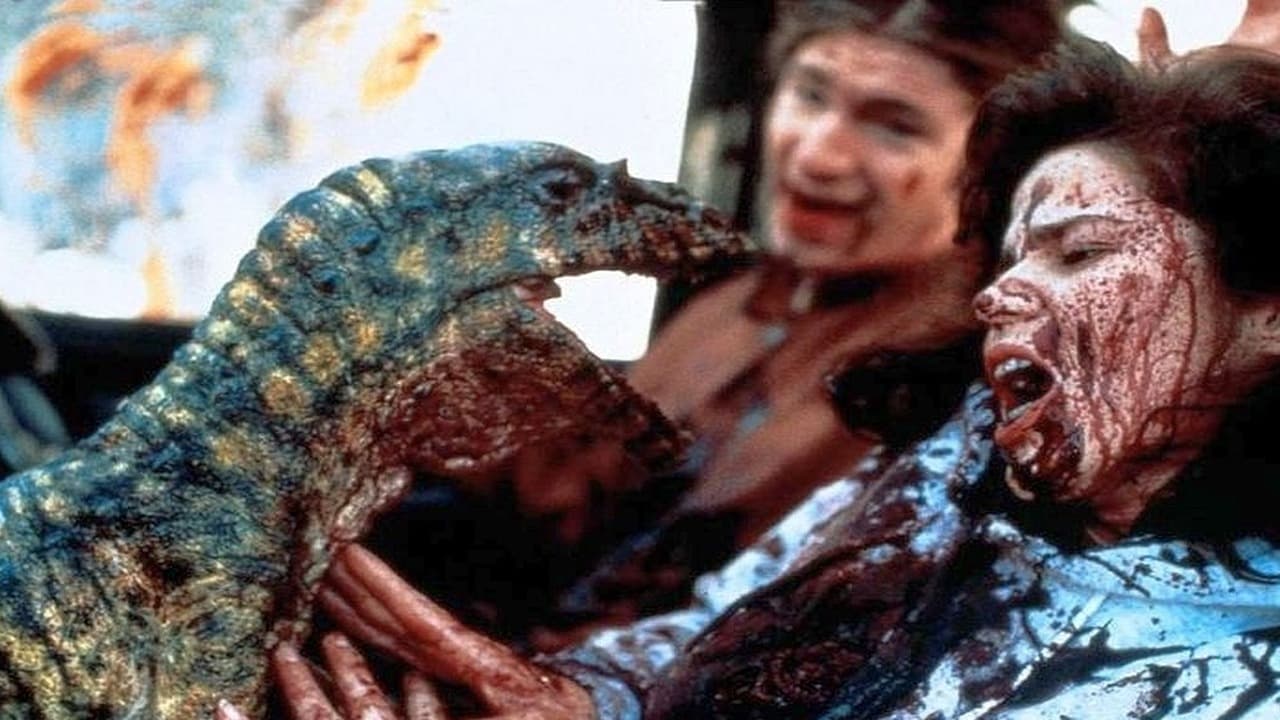
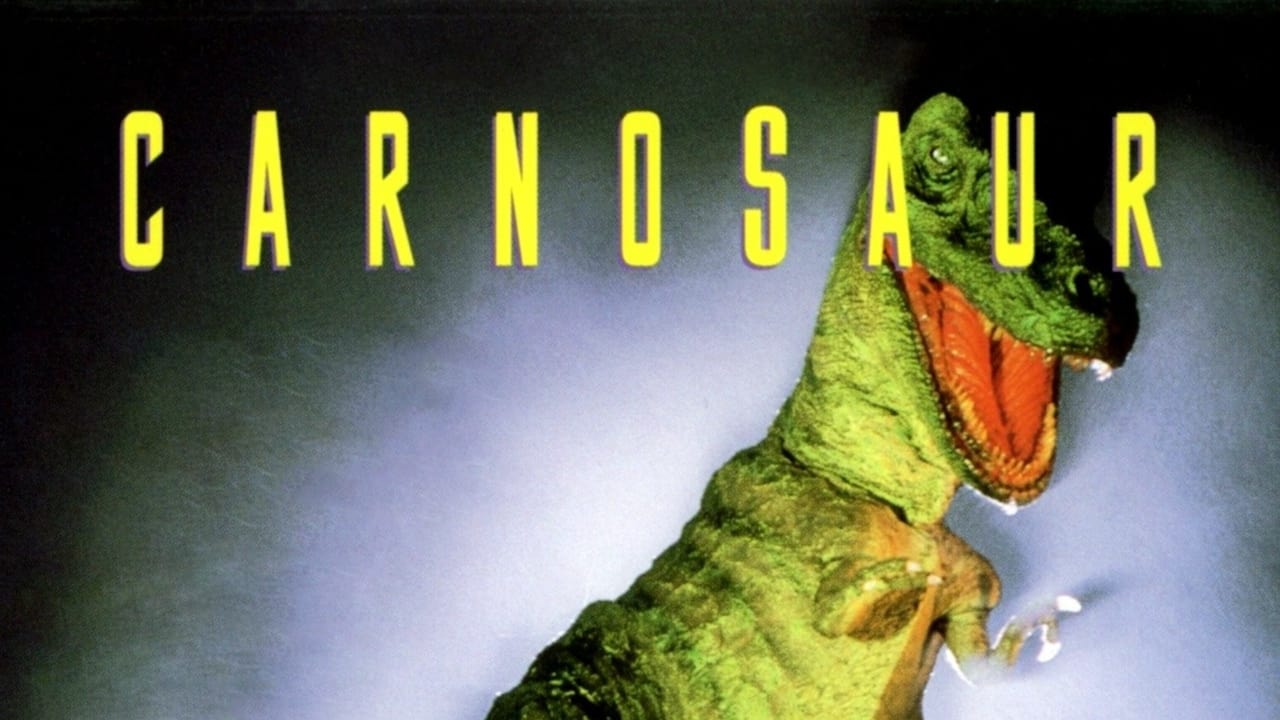
Let's be clear: Carnosaur was famously rushed into production by Corman's New Horizons Pictures for a reported $850,000, purely to beat Jurassic Park into theatres (or, more accurately, onto video store shelves). And it looks every penny of it. Yet, there's a certain charm, a grim determination, to its low-fi approach. The star dinosaurs – a rather stiff Deinonychus and a frequently puppet-headed T-Rex – lack the seamless polish of their big-budget cousins. They are rubbery, sometimes awkwardly composited, their movements occasionally betraying the mechanics beneath. You can practically smell the latex. John Carl Buechler, a veteran effects artist known for his work on films like Ghoulies (1985) and Friday the 13th Part VII: The New Blood (1988), did his best with the limited resources, delivering creatures that, while not convincing, possess a tangible, monstrous presence absent in later CGI overkill.
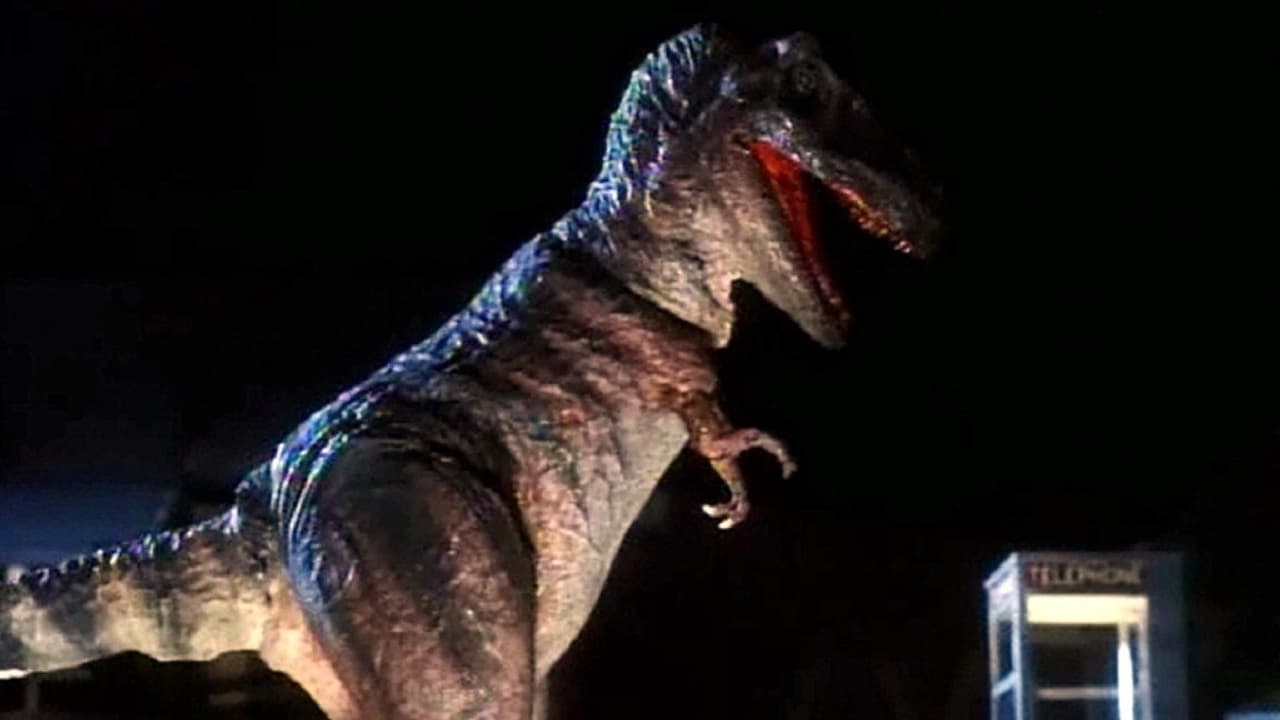
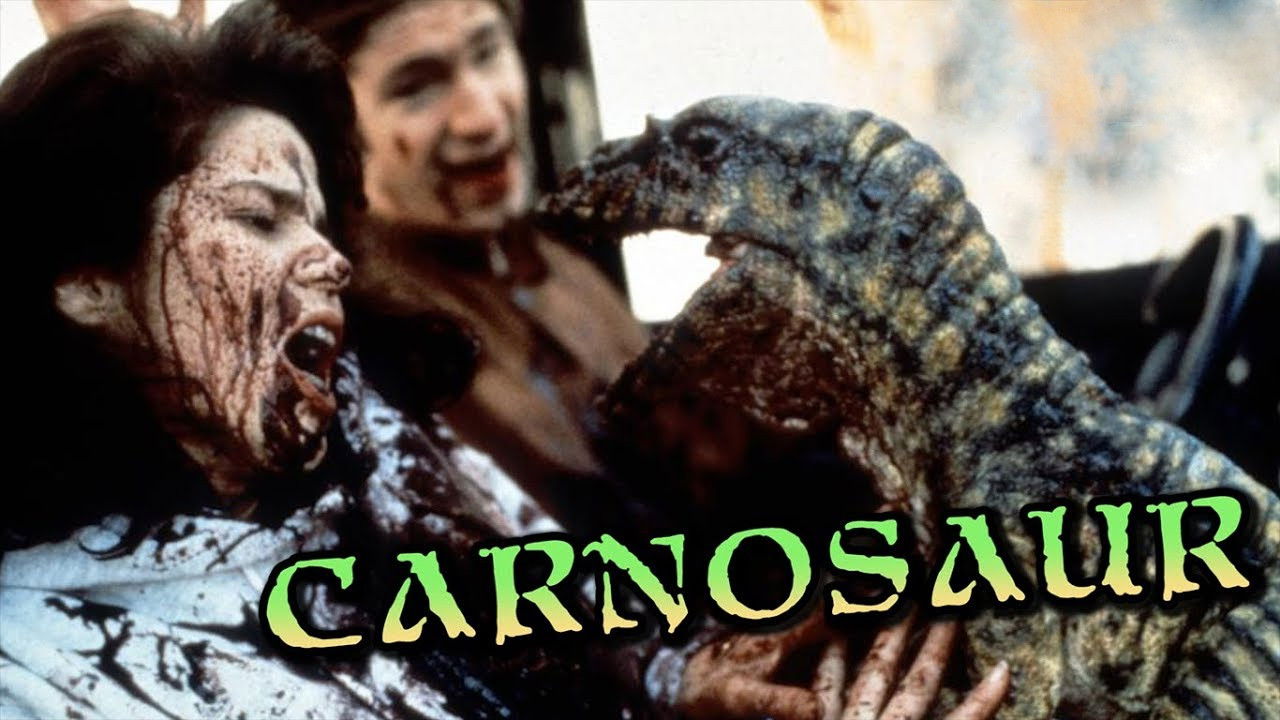
Where the film doesn't skimp is the bloodshed. Perhaps compensating for the limitations of the creature effects, director and writer Adam Simon leans heavily into graphic violence. The dinosaur attacks are messy, brutal affairs. Limbs are torn, torsos ripped open, and the body count climbs relentlessly. There's a nasty edge here, a willingness to be unpleasant that feels distinctly pre-millennium, born from the less sanitized corners of the horror section at Blockbuster. I distinctly remember renting this tape, drawn by the promise of reptilian mayhem, and being genuinely taken aback by the sheer grimness unfolding on my parents' flickering CRT.
A Different Kind of Chill
While Jurassic Park evoked wonder mixed with terror, Carnosaur's atmosphere is one of pervasive decay and desperation. The dusty desert setting, the sterile labs hiding grotesque experiments, the increasingly frantic security guard 'Doc' Smith (Raphael Sbarge) trying to make sense of the escalating slaughter – it all contributes to a feeling of grubby inevitability. Diane Ladd's performance is key; she delivers lines about Gaia's revenge and viral extinction with a chilling sincerity that elevates the material beyond simple schlock. Was she in on the joke, or did she genuinely find the eco-horror core compelling? It's hard to say, but her commitment is bizarrely magnetic. Opposite her, Sbarge grounds the film as the bewildered everyman, while Jennifer Runyon (recognizable from Ghostbusters (1984)) provides eco-activist commentary before becoming another potential victim in this nightmare.
The film even touches upon unsettling body horror themes with the viral pregnancy subplot, a concept far darker than anything in its mainstream rival. It taps into a primal fear, albeit crudely executed, that lingers more uncomfortably than a simple monster attack. Doesn't that bizarre, almost Cronenberg-lite plot twist still feel uniquely unsettling for a cheap dinosaur flick?
The Corman Legacy
Carnosaur wasn't just a movie; it was a statement of intent from Roger Corman. It embodied his philosophy: find a trend, make it faster and cheaper than anyone else, and give the audience what the title promises – in this case, carnivorous dinosaurs, however wobbly. It was successful enough on video to spawn two direct sequels (Carnosaur 2 in 1995, Carnosaur 3: Primal Species in 1996), plus the spiritual successor Raptor (2001) which heavily recycled footage from the trilogy, and even The Eden Formula (2006) later on. It’s a testament to the enduring appeal of cheap thrills and the Corman machine's ability to spin gold (or at least, profitable polyester) from cinematic straw. It might have been conceived in the shadow of a giant, but Carnosaur carved out its own nasty little niche in the annals of 90s creature features.
***
VHS Heaven Rating: 4/10
Justification: The score reflects Carnosaur's status as quintessential Corman exploitation. It's technically crude, the effects are dated even for '93, and the plot is gloriously absurd. However, it gets points for Diane Ladd's unhinged performance, the surprising level of graphic gore, its sheer audacity in tackling Jurassic Park head-on with almost no money, and the uniquely grim and nasty tone it achieves. It’s not good, but it's memorable, energetic B-movie making with a certain historical curiosity value.
Final Thought: In the vast jungle of 90s video store shelves, Carnosaur was the scrappy, slightly rabid predator hiding in the undergrowth – less majestic than the T-Rex next door, maybe, but possessing a low-budget bite that could still draw blood. It remains a fascinating, grimy artifact of a specific moment in genre filmmaking.