The air hangs thick and humid, like just before a summer storm, mirroring the oppressive atmosphere that drips from every frame of Mosquito. Remember those late nights, the glow of the TV the only light, when you'd stumble upon something so gloriously weird on the Sci-Fi channel or tucked away in the horror aisle of the video store? Mosquito (1994) is precisely that kind of sticky, unsettling discovery – a film buzzing with low-budget ambition and surprisingly gnarly practical effects that felt disturbingly plausible on a grainy VHS tape.
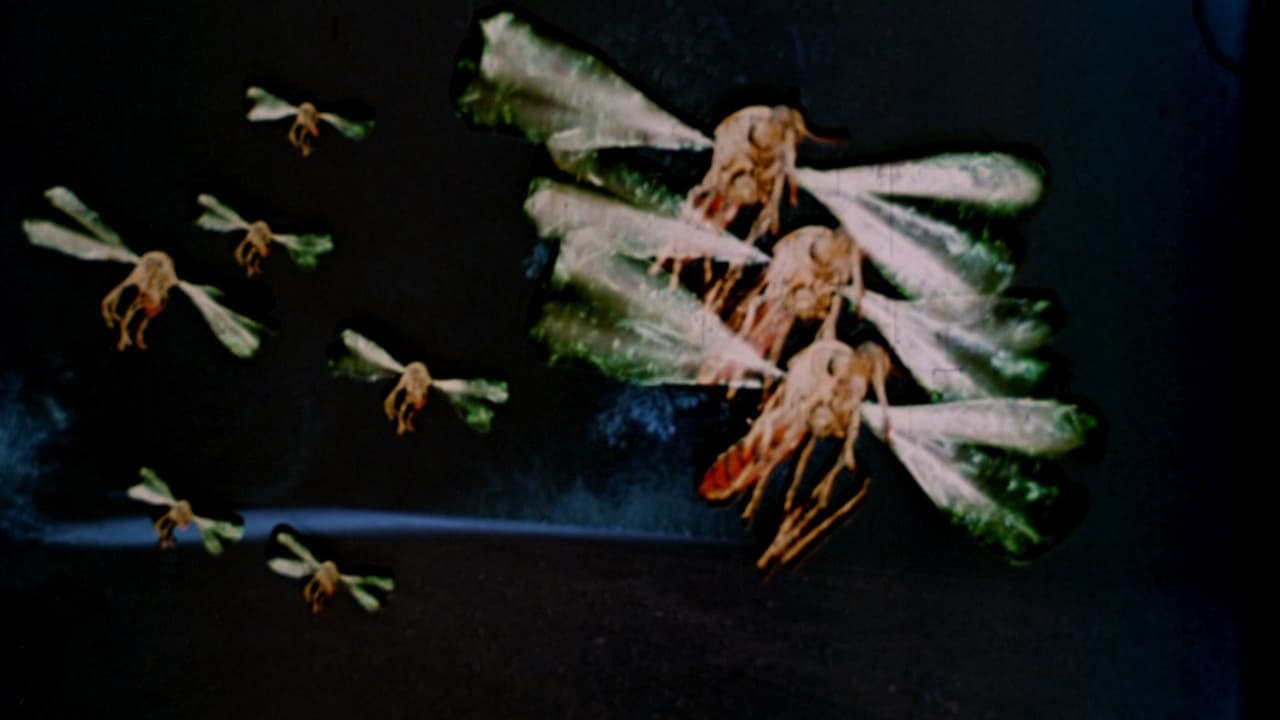
It starts, as these things often do, with something falling from the sky. Not angels, not benevolent explorers, but an alien spacecraft crashing conveniently near a sleepy Michigan state park. The sole surviving extraterrestrial doesn't last long, but its demise near a swamp full of hungry mosquitoes has predictably oversized consequences. Soon, the titular insects, mutated to the size of small birds (or perhaps large bats, depending on the shot), are descending upon unsuspecting campers and park rangers, driven by an insatiable thirst for blood. It’s a premise both ludicrous and primal, tapping into that universal annoyance and occasional fear of buzzing, biting pests, amplified to monstrous proportions.
Blood on the Wing
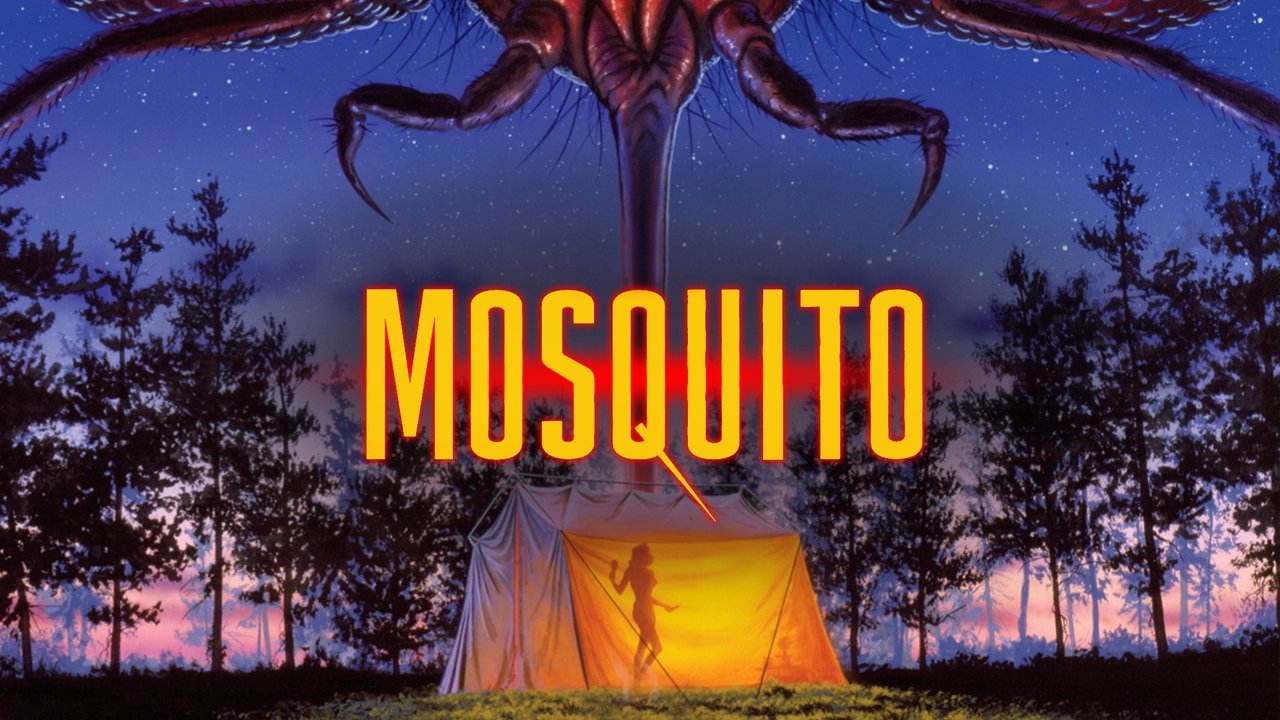
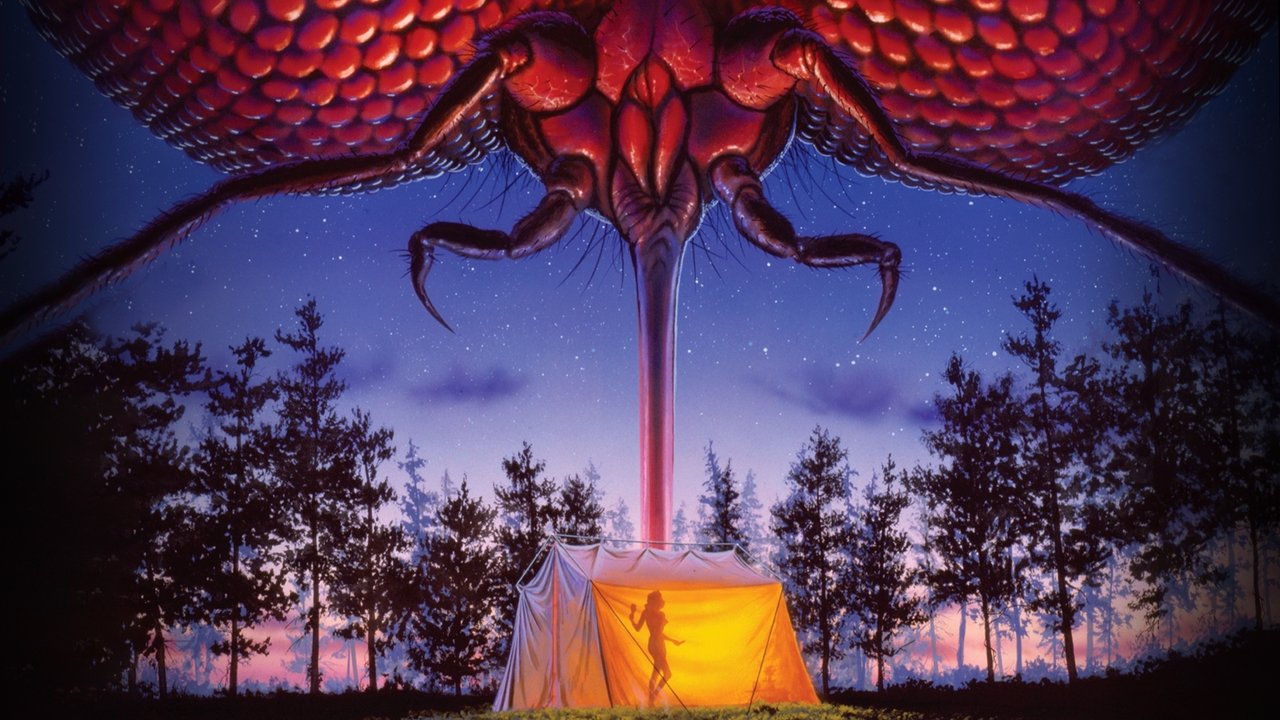
What sets Mosquito apart from utter B-movie oblivion is its sheer, unadulterated commitment to practical effects. In an era creeping towards CGI dominance, director Gary Jones (who would later become a staple of SyFy channel creature features) and his team went all-in on puppetry, miniatures, and good old-fashioned latex gore. The mosquito models themselves are surprisingly detailed, clicking and whirring with unnerving mechanical life. Sure, you can sometimes see the wires, and the scale might wobble occasionally, but the physicality of these creatures lends them a weight and menace that digital creations often lack. The attack scenes are staged with a chaotic energy, featuring plenty of squirming, biting, and, crucially, splattering. This isn't a film that shies away from showing the messy results of giant proboscises plunging into flesh. I distinctly remember renting this from Blockbuster, drawn by the lurid cover art, and being genuinely taken aback by how much gooey carnage they managed to pack into its runtime.
The production, filmed entirely in Michigan for an estimated $200,000, makes the most of its woodsy locations, creating a genuine sense of isolation as the dwindling survivors are picked off. There’s an earthy, grimy feel to the proceedings that grounds the fantastical elements. You can almost smell the damp earth and bug spray.
Cult Casting and Chain Saws
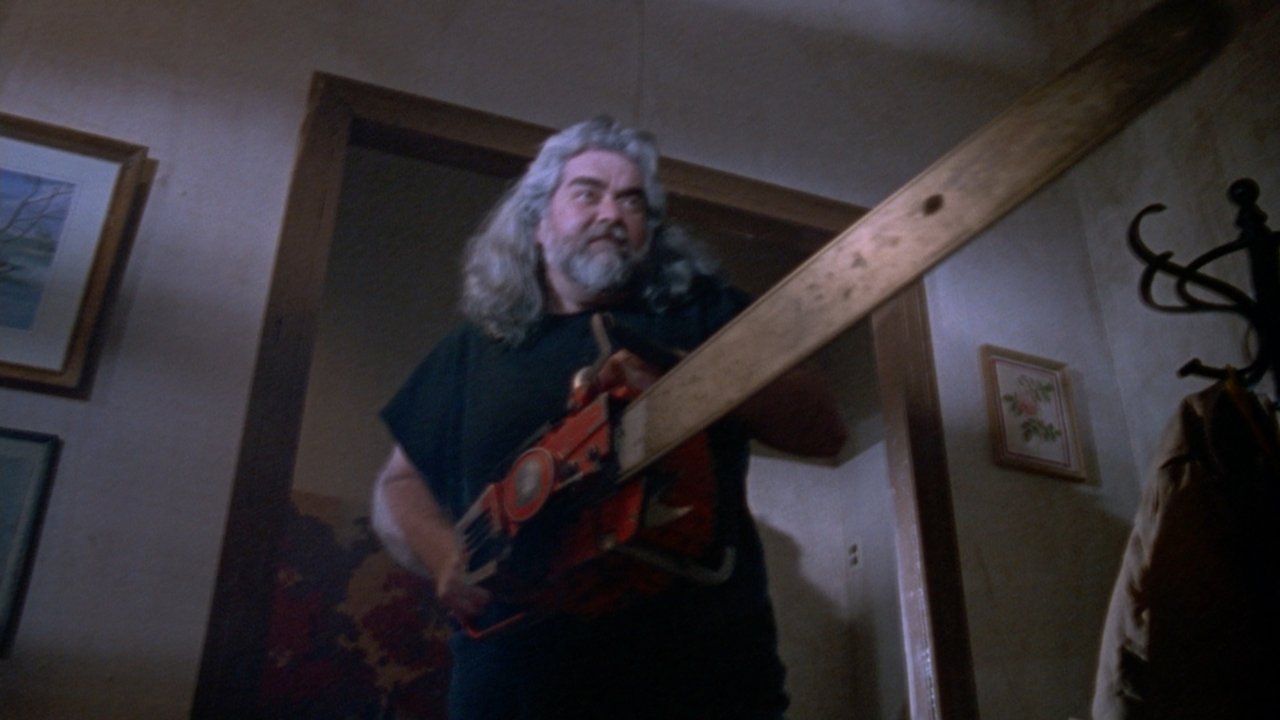
Adding significantly to the film's cult appeal is the presence of horror icon Gunnar Hansen. Seeing Leatherface himself from The Texas Chain Saw Massacre (1974) wielding, yes, a chainsaw against giant bugs is the kind of B-movie magic you live for. Hansen plays the grizzled Earl, bringing a certain gravitas and world-weariness to the chaos. It’s a knowing wink to the audience, and he seems to be having a blast. Doesn’t that final chainsaw stand-off still feel like pure, unadulterated schlocky bliss?
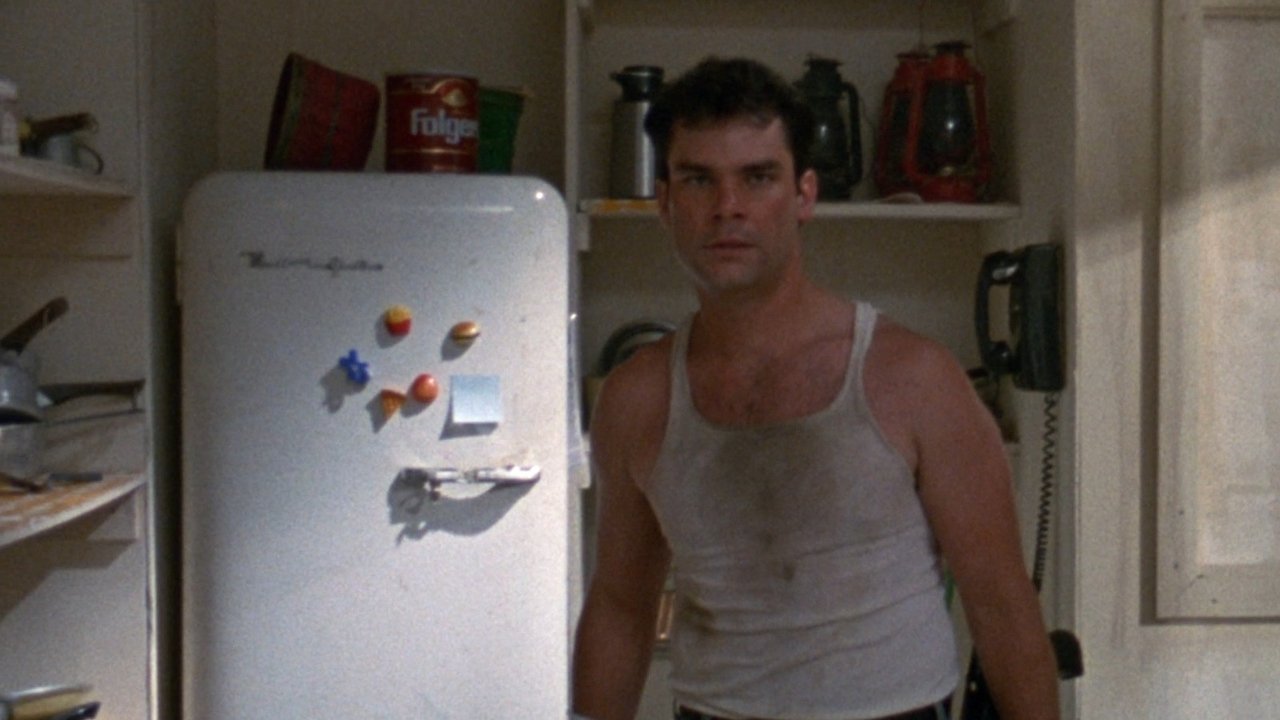
Equally delightful for music nerds is spotting Ron Asheton, the legendary guitarist for The Stooges, as Park Ranger Hendricks. Asheton, a Michigan native like much of the production, delivers his lines with a certain stoic dryness that fits the film's slightly off-kilter tone perfectly. These casting choices elevate Mosquito beyond mere creature-feature fodder, turning it into a piece of intersecting pop culture history. The rest of the cast, including Steve Dixon as the determined park newbie Ray, fulfill their roles adequately, reacting to the escalating absurdity with the appropriate mix of terror and disbelief.
That Buzzing Sound Still Lingers
Of course, Mosquito isn't without its flaws. The script, co-written by Jones, Steve Hodge, and Tom Chaney, relies heavily on creature feature tropes, the dialogue occasionally veers into the clunky, and some character motivations feel thin. There are moments where the budgetary constraints peek through the seams like stuffing from a torn couch cushion. Yet, these rough edges are part of its charm. It's a film made with passion and ingenuity, striving to deliver thrills and gore far exceeding its meager resources. It never pretends to be high art; it knows exactly what it is – a down-and-dirty monster mash designed to entertain viewers looking for practical effects mayhem and giant bug carnage.
The synth score, while typical of the era, effectively underscores the tension during the attack sequences. It buzzes and drones, mimicking the titular pests, embedding itself in your subconscious long after the credits roll. This isn't sophisticated horror that explores the depths of the human psyche; it's visceral, immediate, and focused squarely on the primal fear of being hunted by something unnatural and relentless.
VHS Heaven Rating: 6/10
Mosquito earns its 6/10 rating through sheer audacity, memorable practical effects, and its embrace of glorious B-movie sensibilities. While hampered by its low budget and some scripting weaknesses, the enthusiastic gore, the fantastic creature designs (for their time), and the iconic presence of Gunnar Hansen and Ron Asheton make it a standout example of mid-90s indie horror. It delivers exactly what the lurid VHS box promised: giant killer mosquitoes causing bloody mayhem.
For fans of creature features and practical effects extravaganzas, Mosquito remains a fondly remembered piece of buzzing, biting nostalgia. It’s a testament to a time when filmmakers, armed with latex, tubing, and sheer determination, could create monsters that felt unnervingly real, even when they were gloriously, impossibly absurd. Fire up the VCR (or your preferred modern equivalent), dim the lights, and prepare to swat the air.