Alright, settle in. Let’s dim the lights, imagine the satisfying clunk of a tape going into the VCR, maybe the faint smell of plastic casing and worn cardboard sleeve. Tonight, we're drifting away from the explosions and high-concept hooks that often defined the 90s rental shelf and easing into something different. What happens when a film finds its drama not in chases or showdowns, but in the delicate, often unspoken tensions of conversation and the quiet complexities of human connection? That's the territory of Éric Rohmer, and his 1990 film A Tale of Springtime (Conte de printemps) invites us into just such a world.
### An Unexpected Encounter
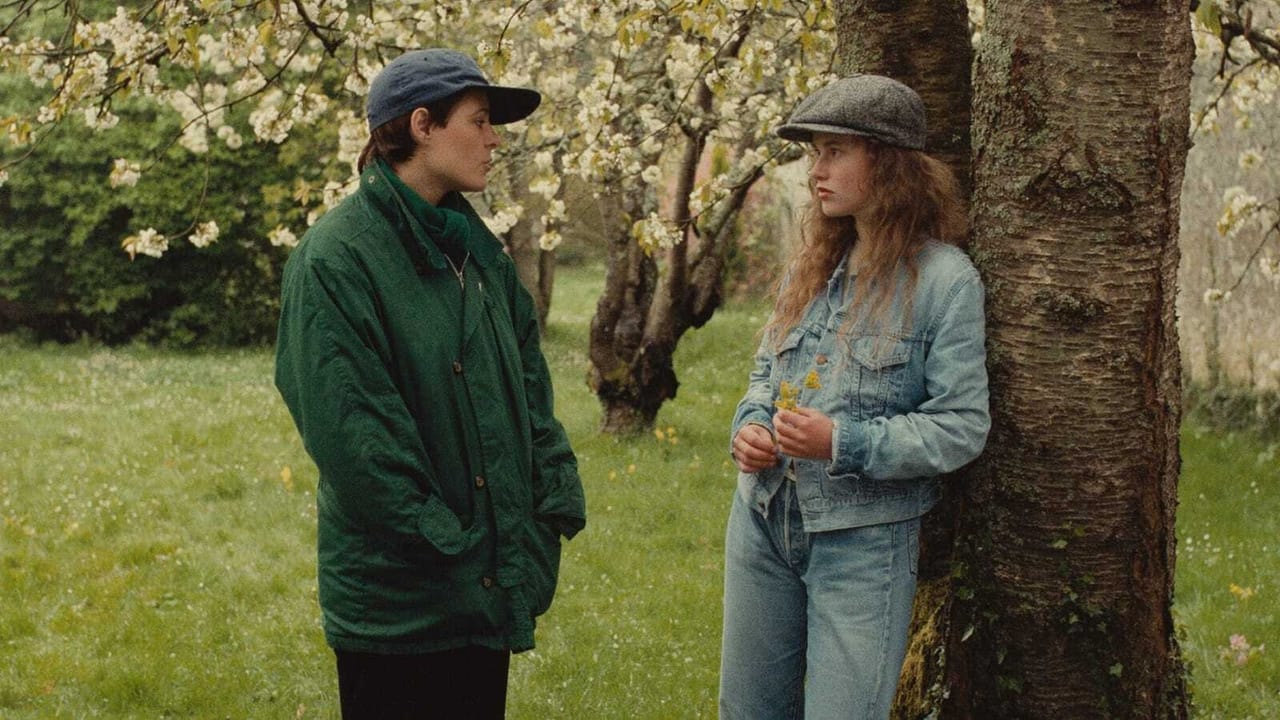
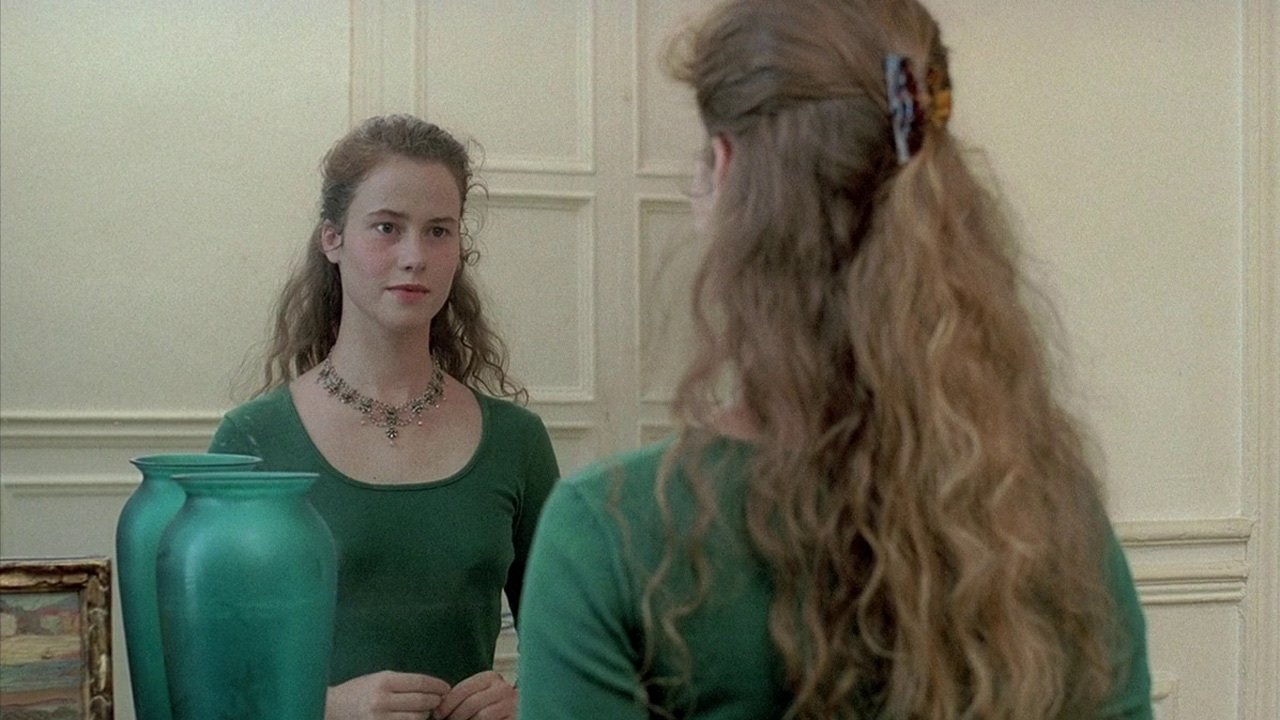
Remember browsing those video store aisles, maybe venturing into the "Foreign Films" section, hoping for something… else? Finding a Rohmer film amidst the usual suspects felt like discovering a hidden garden. A Tale of Springtime begins, as many of his films do, with a seemingly chance meeting. Jeanne (Anne Teyssèdre), a philosophy teacher currently between apartments and relationships, bumps into Natacha (Florence Darel), a much younger music student, at a party. Natacha impulsively invites Jeanne to stay at her father's apartment while he's away, and later, to his country house in Fontainebleau. It sounds simple, almost mundane, yet Rohmer immediately establishes an atmosphere rich with possibility and subtle undercurrents. This wasn't the kinetic energy of Die Hard 2 (also 1990), but a different kind of engagement, one demanding patience and observation.
### Where Talk is the True Action
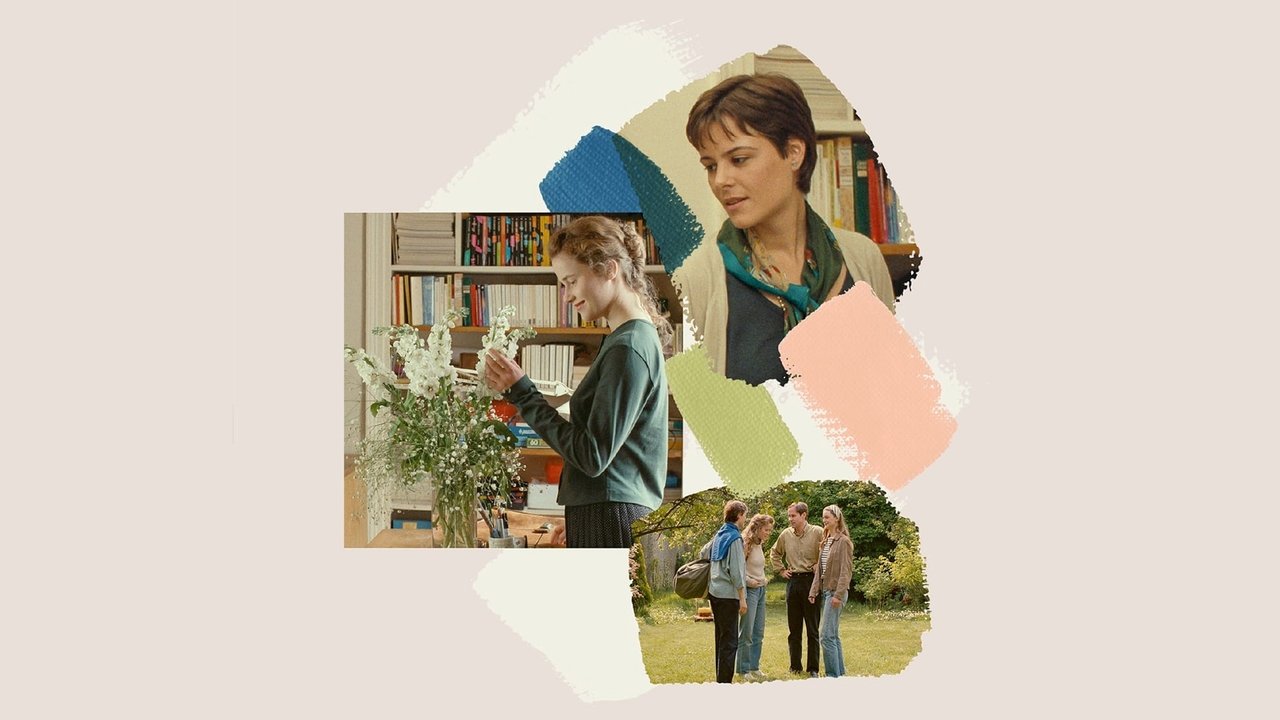
If you're unfamiliar with Rohmer, who had already gifted us the seminal "Six Moral Tales" and "Comedies and Proverbs" film cycles, the first thing you notice is the dialogue. It’s not just exposition; it is the film. Characters talk about philosophy (Kant gets a specific workout here), relationships, perceptions, and desires, revealing themselves layer by layer through their verbal exchanges. Jeanne, intelligent and reserved, finds herself drawn into Natacha's youthful, slightly manipulative orbit. Natacha, it turns out, believes her father Igor (Hugues Quester) is unhappy with his current girlfriend, Ève (Eloïse Bennett), and subtly tries to nudge Jeanne towards him.
The genius here lies in how Rohmer uses these conversations – often filmed in long, unobtrusive takes – to build intricate webs of misunderstanding, projection, and quiet judgment. There are no dramatic reveals in the conventional sense, only the gradual dawning of awareness, both for the characters and the viewer. We piece together the truth, or a truth, from the ebb and flow of their interactions. It’s a testament to Rohmer’s writing, which he handled himself as always, crafting dialogue that feels both naturalistic and deeply purposeful.
### Portraits in Natural Light
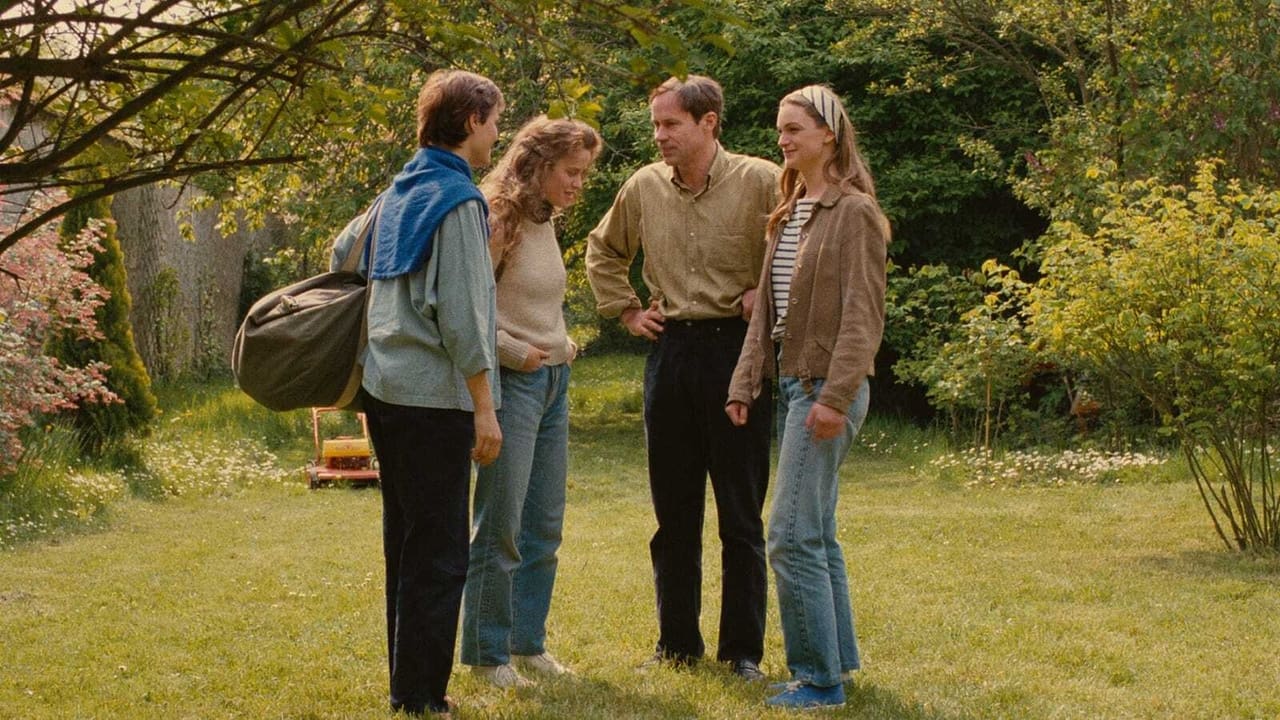
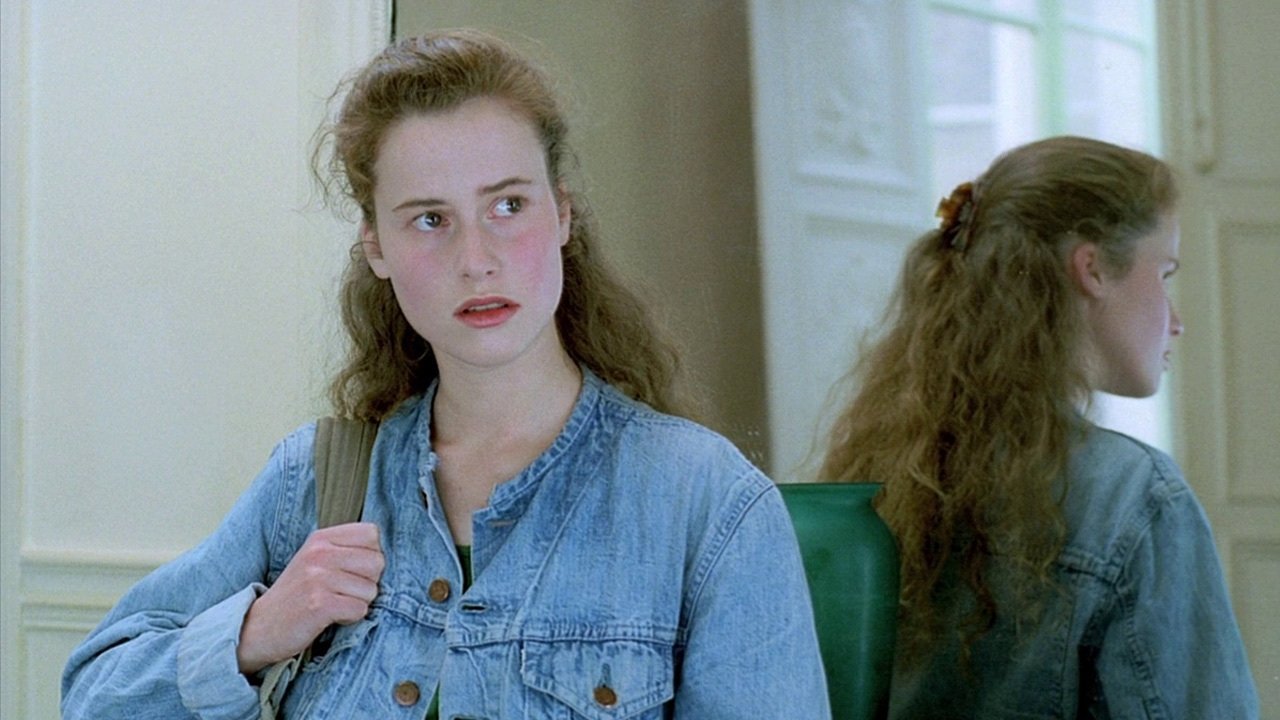
The performances are key to making this delicate structure work. Anne Teyssèdre is quietly compelling as Jeanne. She’s our anchor, navigating this slightly awkward social landscape with a thoughtful reserve that masks her own uncertainties. Her intelligence feels genuine, her observations sharp yet rarely voiced directly. Opposite her, Florence Darel embodies Natacha’s mercurial energy – charming one moment, petulant the next, driven by impulses she doesn't fully understand. Their dynamic, the older woman observing and being subtly maneuvered by the younger, forms the film's core. Hugues Quester as Igor has less screen time but projects an intriguing blend of charm and weariness, the fulcrum around which Natacha’s plans (and perhaps Jeanne’s unspoken thoughts) pivot. Rohmer famously worked closely with his actors, often involving them in refining dialogue, contributing to the authentic feel of their interactions.
### The Rohmer Touch
Visually, A Tale of Springtime shares Rohmer’s signature style: an appreciation for natural light, real locations (the Parisian apartments, the leafy paths of Fontainebleau), and an unfussy camera that observes rather than imposes. There’s a clarity and simplicity that belies the psychological complexity unfolding. This film marked the beginning of his final cycle, the "Tales of the Four Seasons," each film capturing the mood and metaphorical weight of its titular season. Spring here isn't just about blooming flowers; it's about potential, tentative beginnings, and the possibility of misinterpretations budding alongside genuine connections. It feels less rigidly structured than some of his earlier "Moral Tales," embracing a looser, more observational feel appropriate for the season of transition. One interesting tidbit: Rohmer often worked with very small crews and modest budgets, believing that limitations could foster creativity, a philosophy evident in the film's focused intimacy.
### A Different Kind of Rewind
Watching A Tale of Springtime today evokes a specific kind of nostalgia – not just for the era, but for a type of filmmaking that prioritizes nuance and character over spectacle. It’s the kind of film you might have rented on a whim, perhaps intrigued by the cover art or a brief description, and found yourself unexpectedly captivated by its quiet intelligence. It demands attention, rewarding the patient viewer with insights into the subtle games people play, often unconsciously. It asks us: how much of what we perceive in others is real, and how much is a reflection of our own desires or assumptions?
Rating: 8/10
This score reflects the film's mastery of subtle character study and its beautifully naturalistic execution. It’s a quintessential Rohmer experience – intelligent, observant, and deceptively simple. While its deliberate pacing and dialogue-heavy nature might not appeal to everyone expecting conventional 90s thrills, its gentle power lies in its truthfulness about human interaction. It doesn’t offer easy answers, but leaves you pondering the delicate dance of relationships long after the credits – or, back in the day, the tape – stopped rolling.
What lingers most is the quiet intimacy, the feeling of having eavesdropped on conversations both profound and perhaps petty, revealing the complex, often contradictory, landscape of the human heart in springtime.