There’s a particular kind of quietude that settles over certain films, a feeling less about plot mechanics and more about observing the intricate, often contradictory, dance of human connection. Éric Rohmer’s A Summer's Tale (1996), or Conte d'été as it originally graced screens, is precisely that kind of film. Watching it again, years after first encountering it perhaps tucked away in the 'World Cinema' section of a beloved video store, feels like revisiting a half-remembered seaside holiday – the sharp sunlight, the tang of salt air, and the lingering ache of choices made and unmade.
Sun, Sand, and Self-Absorption
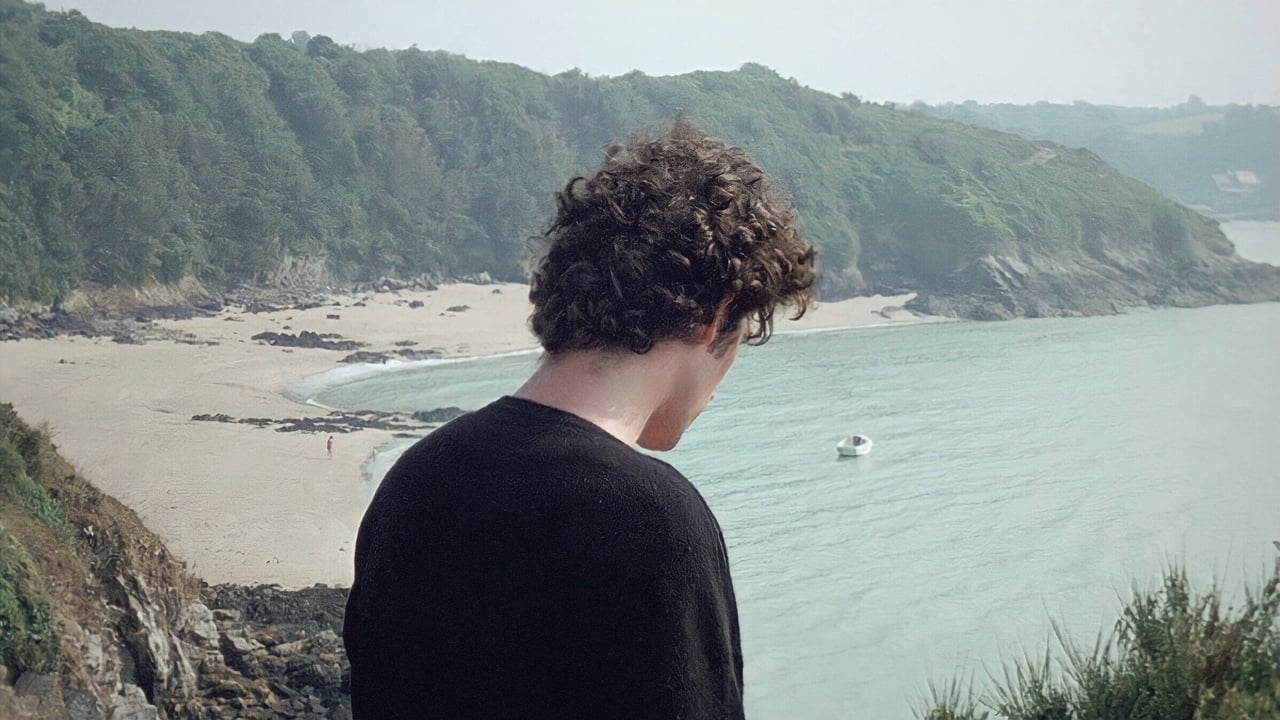
We arrive in the breezy coastal town of Dinard in Brittany alongside Gaspard (Melvil Poupaud), a young mathematician and aspiring musician, ostensibly waiting for his girlfriend Léna to join him. He’s intelligent, articulate, sensitive even, but almost immediately, we sense a profound isolation beneath his searching gaze. Poupaud, who would later gain wider recognition in films like Laurence Anyways (2012), absolutely nails the specific blend of vulnerability and frustrating passivity that defines Gaspard. He drifts through the sun-drenched landscapes, composing melodies, seemingly open to connection but fundamentally wrapped up in his own internal world. It’s a performance built on nuance – a hesitant smile, a averted glance, the subtle shifts in posture that speak volumes about his emotional state.
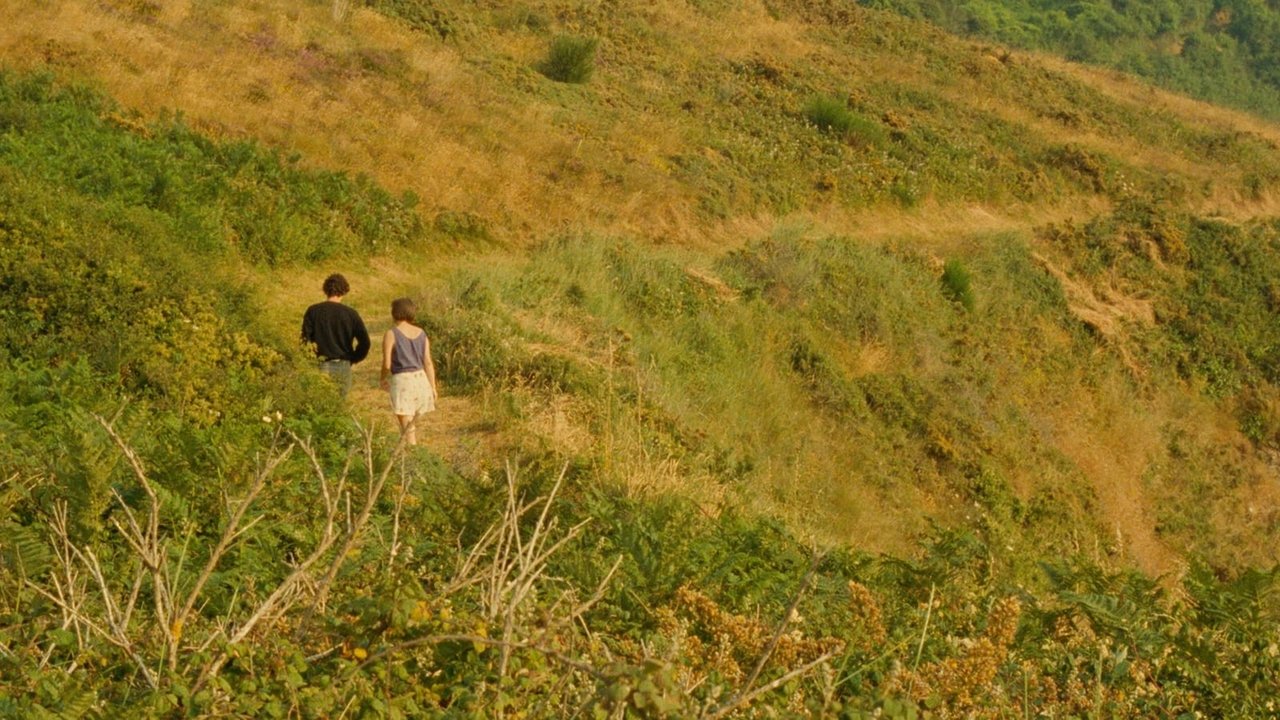
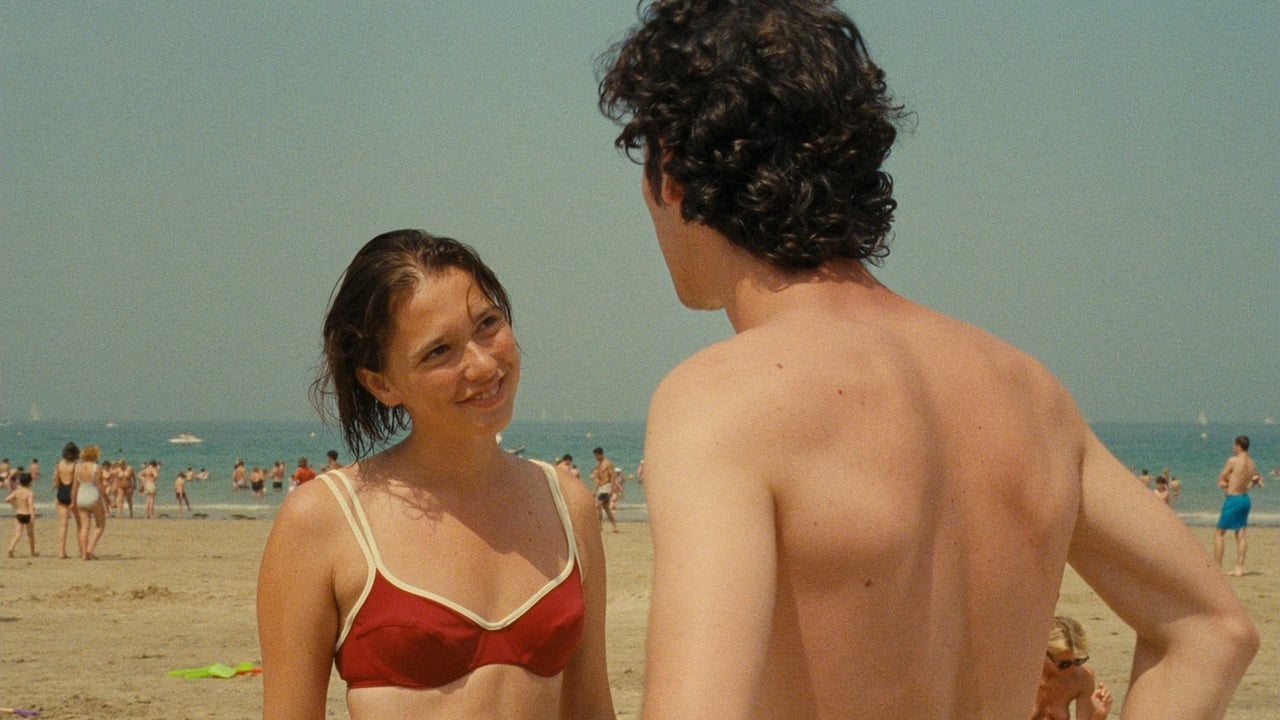
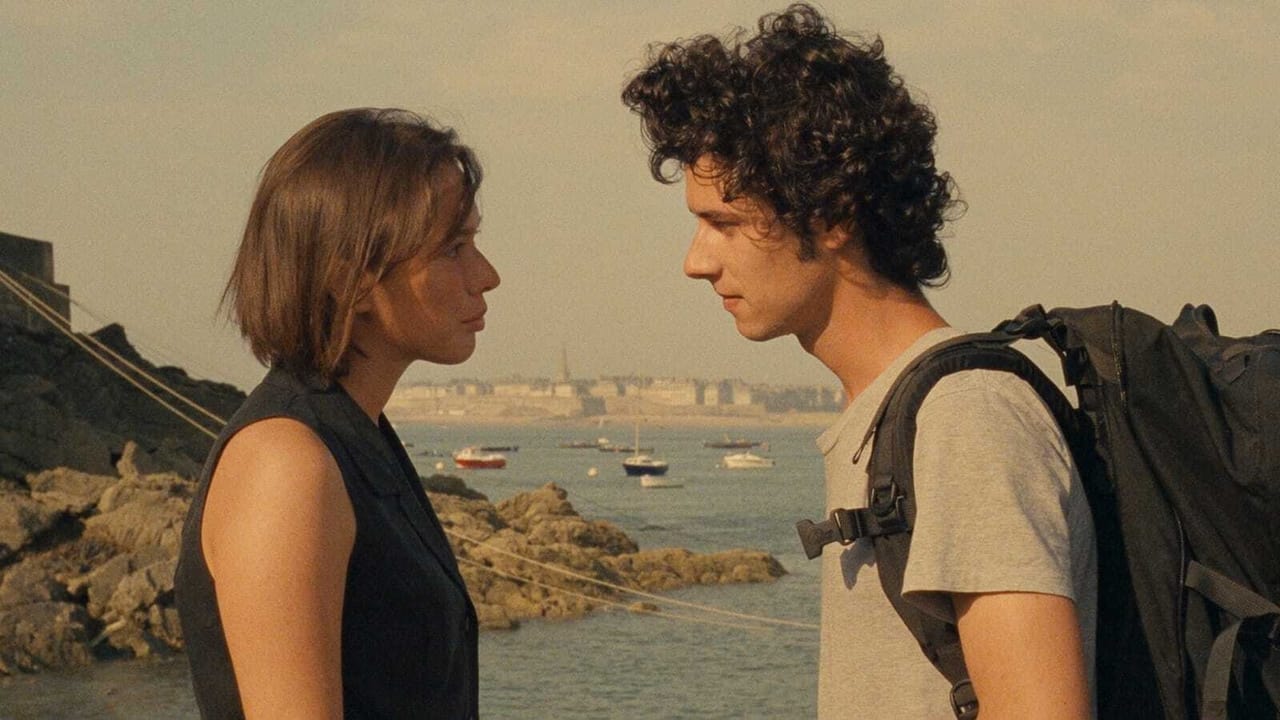
His solitude is soon interrupted. First, by Margot (Amanda Langlet), a bright, pragmatic ethnology student working as a waitress for the summer. Their connection feels immediate, built on long walks and longer conversations. Langlet, whom Rohmer fans will fondly remember from Pauline at the Beach (1983), brings a grounded warmth and intelligence to Margot. She's the anchor in Gaspard's drifting existence, a confidante who sees through his pretensions but offers genuine friendship. Then there's Solène (Gwenaëlle Simon), vivacious and direct, who catches Gaspard's eye and pulls him into a more overtly romantic entanglement. Each relationship offers Gaspard something different, a different reflection of himself, yet Léna, the absent girlfriend, remains a spectral presence influencing his indecision.
The Rohmer Method: Talk as Action
If you rented A Summer's Tale expecting typical 90s summer romance tropes – big emotional swells, dramatic confrontations, maybe a pop-punk soundtrack – you were likely in for a surprise. Rohmer, a key figure lingering from the French New Wave, crafts films where the real action unfolds within conversation. His characters talk. And talk. About philosophy, art, relationships, their hopes, their fears. It might sound static, but in Rohmer's hands, it's utterly captivating. The dialogue feels naturalistic, almost improvised, yet beneath the surface lies a meticulous structure exploring profound questions about fidelity, self-knowledge, and the often-painful gap between who we are and who we wish to be.
Part of the magic lies in Rohmer’s process. He was known for extensive rehearsals where dialogue was refined, allowing the actors to fully inhabit their characters and the specific rhythms of his language. Filming often took place with minimal crew, contributing to the intimate, unforced atmosphere. This film is the third entry in his masterful Tales of the Four Seasons cycle, following A Tale of Springtime (1990) and A Tale of Winter (1992), and preceding An Autumn Tale (1998). Each film stands alone, yet together they form a rich tapestry exploring love and chance across different stages of life and seasons of the year. Seeing Langlet again, over a decade after Pauline, adds another layer, a subtle commentary on time's passage within Rohmer's cinematic world.
The Ache of Indecision
What makes A Summer's Tale resonate, particularly now, looking back from a world saturated with instant communication and curated online personas? It’s the film's unflinching portrayal of youthful uncertainty. Gaspard isn't a villain; he's just… lost. Paralyzed by choice, terrified of commitment, he ultimately hurts those around him through inaction rather than malice. Doesn't his struggle echo something fundamental about navigating relationships, about the difficulty of truly knowing oneself, let alone being honest with others? Rohmer doesn't offer easy answers or neat resolutions. The Brittany coastline, beautifully shot, becomes less a romantic backdrop and more a liminal space where possibilities shimmer and fade like heat haze on the sand.
The film cost relatively little to make, characteristic of Rohmer's efficient style, but its emotional richness is immense. There are no car chases, no explosions, no grand declarations set to soaring music. The drama is internal, psychological, playing out in the subtle shifts of power and affection between Gaspard and the women he encounters. It requires patience, an attunement to the nuances of conversation and behaviour. But the reward is a film that feels deeply, sometimes uncomfortably, true to life.

Rating: 8.5/10
This score reflects the film's masterful direction, its insightful script, and the perfectly pitched, naturalistic performances. Rohmer achieves something quite profound, capturing the specific melancholy and confusion of being young and adrift in a sea of possibilities. It avoids easy sentimentality, offering instead a thoughtful, sometimes critical, but always humane portrait of romantic entanglement. While perhaps not the typical adrenaline rush sought from the 80s/90s shelves, A Summer's Tale is a gem that rewards patient viewing with its quiet wisdom and enduring emotional honesty.
It lingers like the melody Gaspard can never quite finish – a poignant, slightly unresolved tune about a summer that promised everything and delivered something far more complicated.