It often started with a cover, didn't it? Tucked away perhaps, past the neon explosions of action flicks and the lurid promises of horror, maybe in that slightly intimidating 'World Cinema' section of the video store. A quiet image, perhaps, hinting at something different. Éric Rohmer's The Aviator's Wife (original title: La Femme de l'aviateur, 1981) was exactly that kind of discovery – a film that didn't shout, but whispered intriguing possibilities about love, perception, and the meandering paths of chance. Pulling this tape felt like opting for a thoughtful conversation instead of a rollercoaster ride, a welcome change of pace even back in the boisterous early 80s.
An Accidental Detective Story
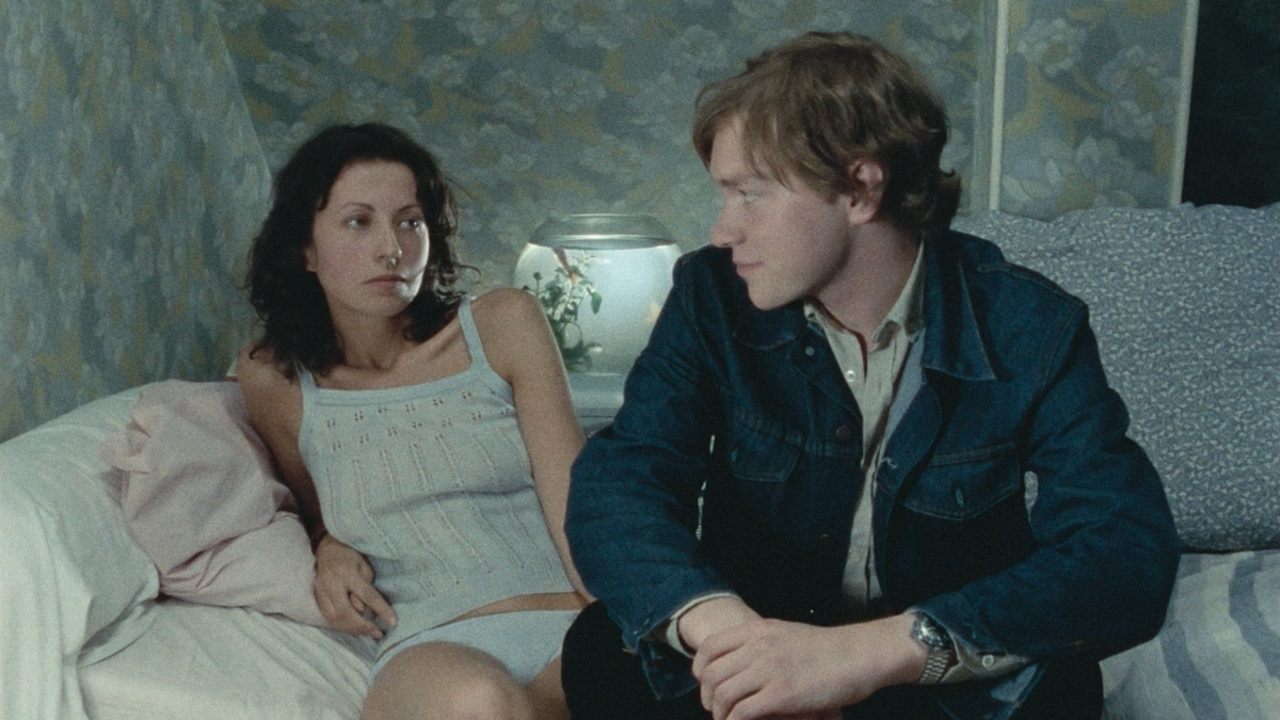
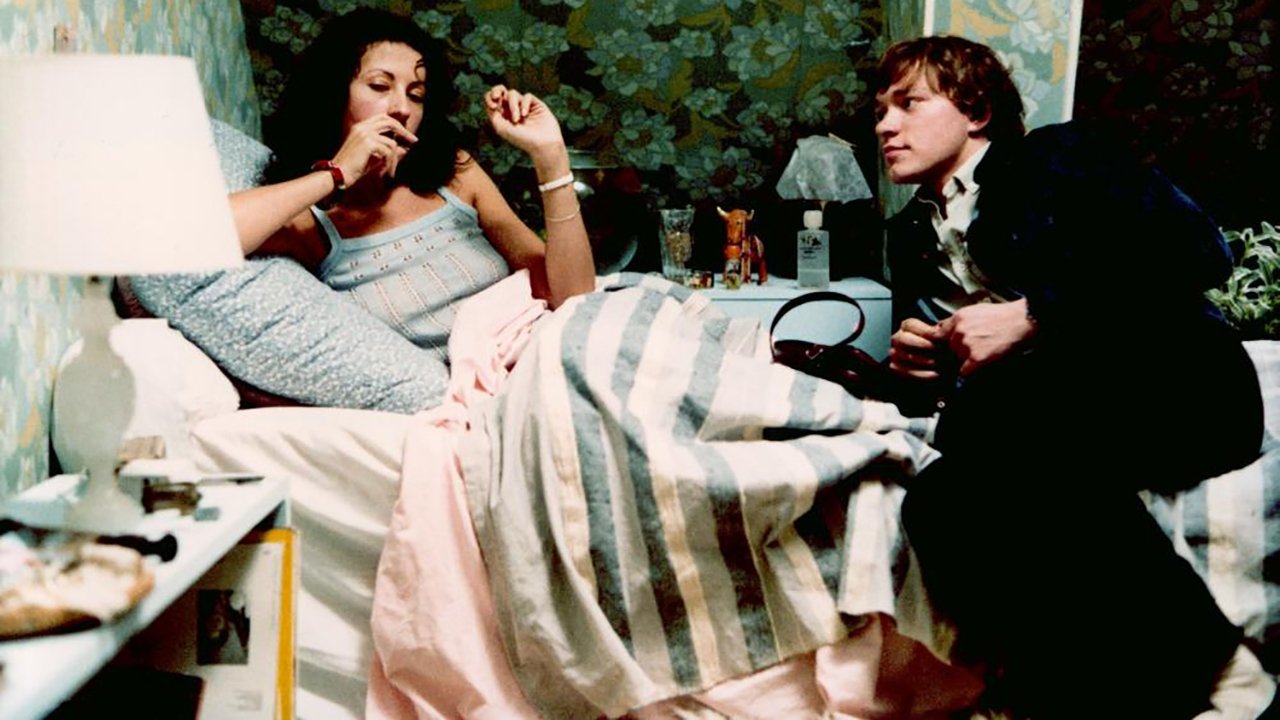
The film opens not with grand drama, but with a quiet observation, a misunderstanding that ripples outwards. We meet François (Philippe Marlaud), a young man working night shifts at a Parisian post office. He’s deeply in love with Anne (Marie Rivière), but their schedules and perhaps their temperaments are subtly out of sync. His suspicions are instantly piqued when he sees his girlfriend's recent ex, Christian (the titular, unseen aviator for much of the film), leaving her apartment building early one morning accompanied by another woman. Who is she? What does it mean? This simple, relatable pang of jealousy sets François not on a path of confrontation, but of obsessive observation. It’s a beautifully Rohmer-esque setup: internal turmoil sparked by an ambiguous external event.
Instead of seeking immediate answers, François begins to shadow the mysterious couple across Paris. It’s here the film truly finds its distinctive rhythm. This isn't a thriller; the suspense lies entirely in François's interpretation of events, the stories he constructs in his head. Rohmer, ever the master observer of human behaviour, lets the city itself become a character. We follow François through parks, cafés, bus journeys – the mundane backdrop against which minor dramas unfold. It’s a reminder that profound emotional shifts often happen amidst the utterly ordinary.
The Unlikely Companion
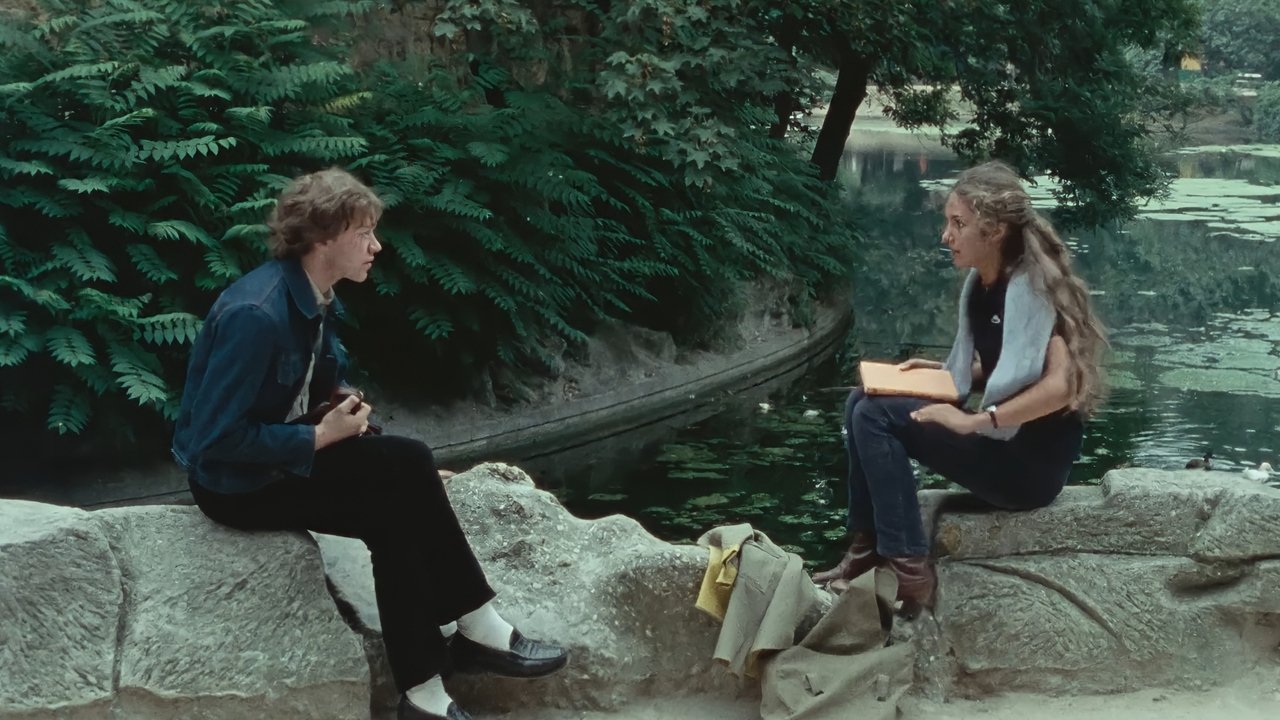
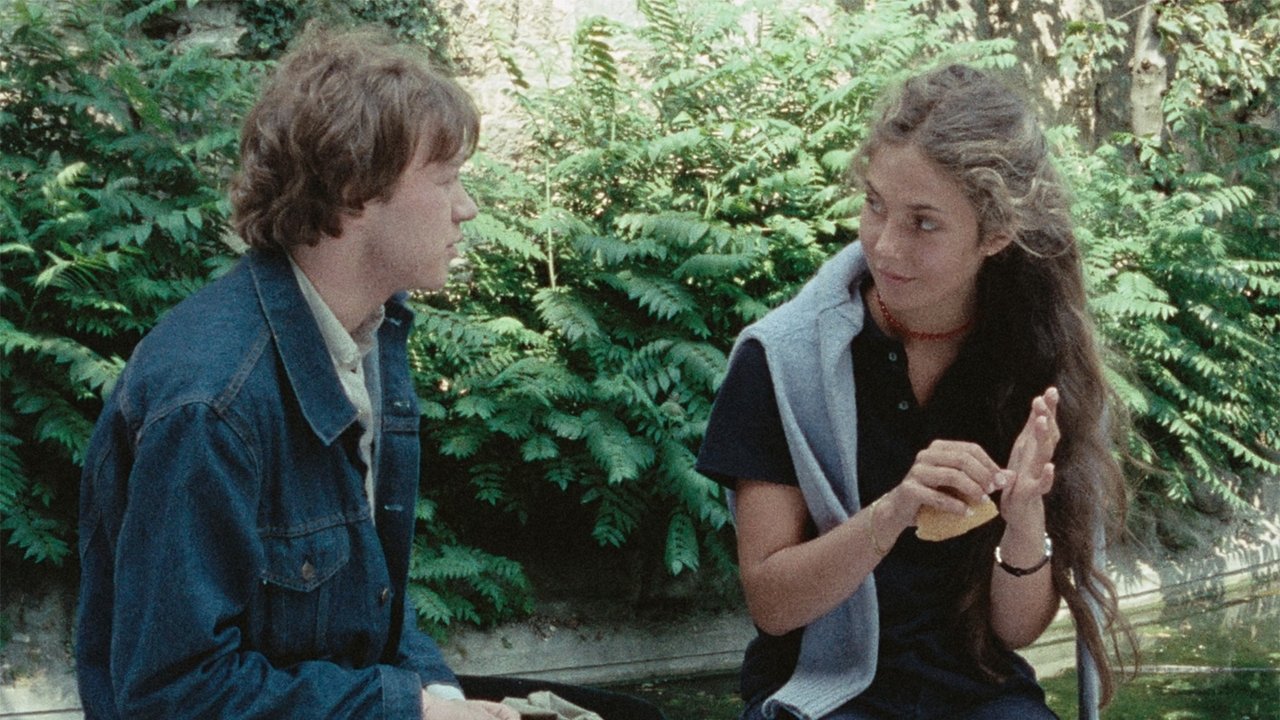
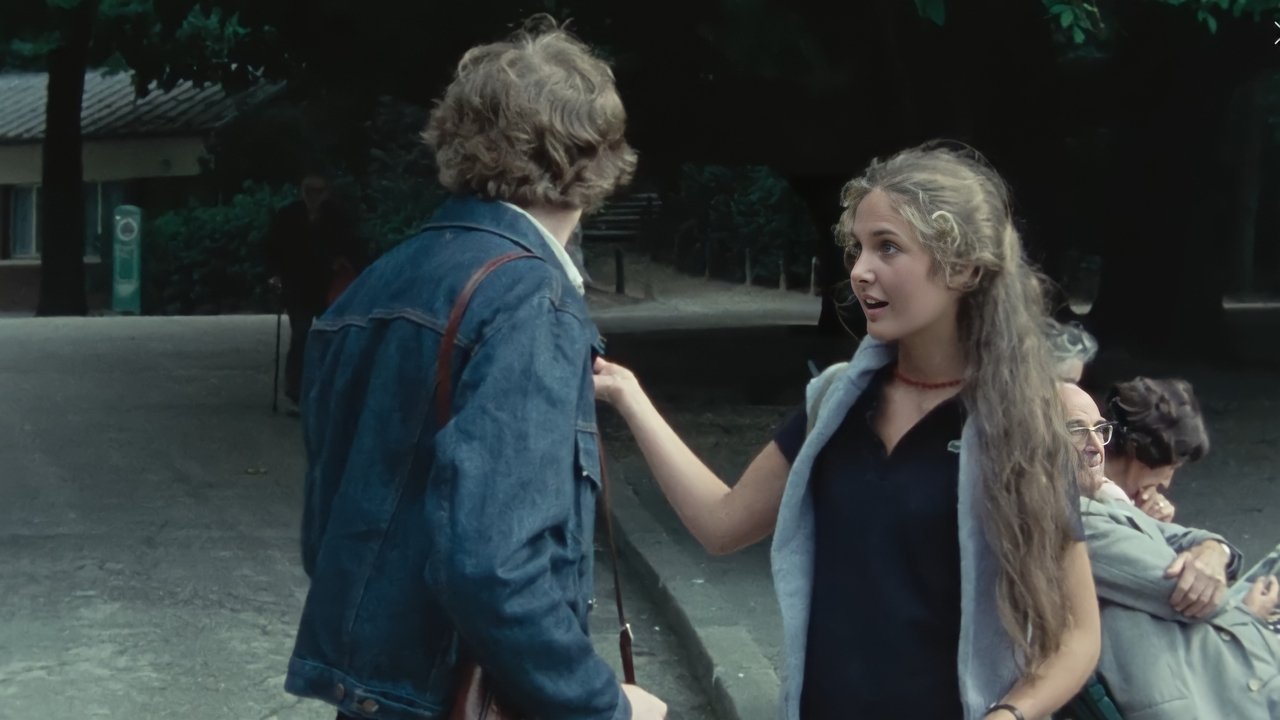
François's solitary pursuit takes an unexpected turn when he quite literally bumps into Lucie (Anne-Laure Meury), a vivacious, inquisitive 15-year-old student. Seeing his clumsy attempts at surveillance, she invites herself into his impromptu investigation, offering commentary, theories, and a playful counterpoint to his earnest anxiety. Their extended dialogue, as they walk and talk and try to piece together the puzzle, forms the heart of the film.
This is where Rohmer truly shines. The conversations feel utterly natural, capturing the hesitations, the assumptions, the small revelations and misunderstandings that define human interaction. Philippe Marlaud, tragically lost far too young just a year after this film's release, embodies François's youthful intensity and vulnerability with a compelling authenticity. His slightly gauche sincerity makes his plight relatable, even if his actions border on the obsessive. Anne-Laure Meury is a revelation as Lucie, bringing an effervescent intelligence and a refreshing directness that cuts through François's romantic haze. Their chemistry is less romantic spark and more the fascinating friction of two very different perspectives colliding. And Marie Rivière, who would become a frequent Rohmer collaborator (appearing later in films like The Green Ray and Autumn Tale), subtly conveys Anne’s complexities, leaving us unsure of her motivations, much like François.
Rohmer's Gentle Touch
Watching The Aviator's Wife again feels like stepping into a specific cinematic world. This was the first entry in Rohmer's celebrated "Comedies and Proverbs" series, each film loosely illustrating a particular saying. This one opens with the proverb: "On ne saurait penser à rien" ("It is impossible to think of nothing") – a fitting nod to François's inability to let go of his suspicions. Rohmer’s directorial hand is characteristically light. He favoured small crews, natural light, and location shooting, giving his films an almost documentary-like feel, a stark contrast to the high-concept gloss increasingly prevalent in the early 80s. There's no dramatic score manipulating emotions; the soundtrack is the city itself, the murmur of conversation.
It’s fascinating to think that Rohmer, already an established figure connected to the French New Wave pioneers like Godard and Truffaut, was embarking on this new six-film cycle with such quiet confidence. He wasn't chasing trends; he was meticulously crafting intricate studies of young people navigating the often-confusing landscape of relationships. Finding this on VHS felt like uncovering a secret language of cinema, one spoken in nuanced glances and meandering conversations rather than explosions. It wasn’t about what happened, but how the characters perceived and reacted to it.
Lingering Questions
Does François find the answers he seeks? In true Rohmer fashion, the resolution is less about definitive closure and more about shifting perspectives. The film doesn't offer easy moral judgments. Instead, it leaves us contemplating the nature of jealousy, the subjectivity of truth, and the unpredictable beauty of chance encounters. What seems crucially important one moment can dissolve in the face of an unexpected conversation or a shared walk through the Jardin du Luxembourg. Isn't that often how life itself works?
The Aviator's Wife isn't a film that grabs you by the collar. It invites you to lean in, to listen, to observe. It’s a reminder that compelling drama doesn't always require high stakes, just human beings trying, often clumsily, to connect and understand one another. For those VHS Heaven explorers willing to venture beyond the usual blockbuster aisles, it offered – and still offers – a quiet, thoughtful, and surprisingly resonant experience.
Rating: 8/10 This score reflects the film's masterful character observation, its naturalistic dialogue, and Rohmer's distinct, confident directorial style. While its deliberate pacing and lack of conventional plot might not appeal to everyone expecting typical 80s fare, its subtle insights into human relationships and the charm of its performances make it a rewarding watch. It perfectly captures a specific kind of introspective, observational cinema.
Final Thought: It’s a film that lingers not because of plot twists, but because of the authentic texture of its conversations and the quiet ache of youthful uncertainty it portrays so beautifully.