Okay, fellow tapeheads, let’s rewind to a time when conspiracy theories felt a little less dangerous and a lot more like prime material for a cracking sci-fi adventure. Picture this: a shadowy World War II experiment, a warship pulsing with strange energy, and then… nothing. Vanished. That eerie image, rooted in whispers and alleged eyewitness accounts of the real-life ‘Philadelphia Experiment’, is the electrifying launchpad for Stewart Raffill’s 1984 cult classic of the same name, a film that practically leaped off the video store shelf with its promise of military secrets and temporal shenanigans.
### Whispers Across Time
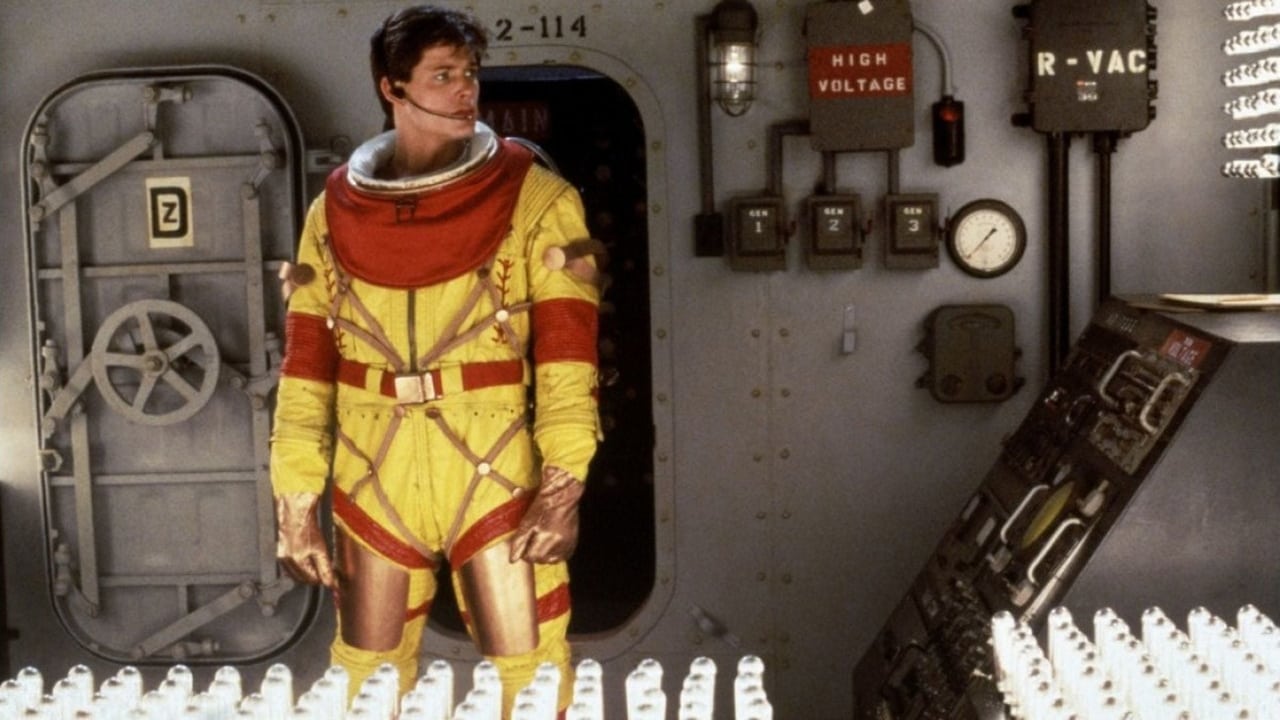
The enduring urban legend of the USS Eldridge, supposedly rendered invisible (or worse) by the Navy in 1943, is cinematic catnip. The Philadelphia Experiment grabs this compelling “what if?” and runs with it, not as a dry docudrama, but as a full-tilt 80s sci-fi thriller. The setup is pure pulp magic: Sailors David Herdeg (Michael Paré) and Jim Parker (Bobby Di Cicco) take a fateful leap off the deck of the experimental ship during whatever electrical nightmare is unfolding, only to find themselves plummeting not into the cold Atlantic, but onto the dusty ground of… 1984 Nevada. It’s a fantastic hook, immediately establishing the stakes and the central mystery. How did they get here? And more importantly, what came through with them?
It's fascinating to think that this project simmered for years, even attracting the legendary John Carpenter (yes, that John Carpenter of Halloween and The Thing fame) to potentially direct back in the late '70s! While Carpenter moved on, the core concept remained potent. Stewart Raffill, a director with a surprisingly varied resume that includes the infamous Mac and Me (1988) and the wonderfully odd The Ice Pirates (1984), stepped in. He brings a workmanlike efficiency here, focusing on maintaining momentum and delivering the requisite thrills. The film might not have the auteurist stamp Carpenter would have provided, but Raffill delivers a solid, engaging adventure that perfectly suited the burgeoning home video market.
### Strangers in a Strange Land
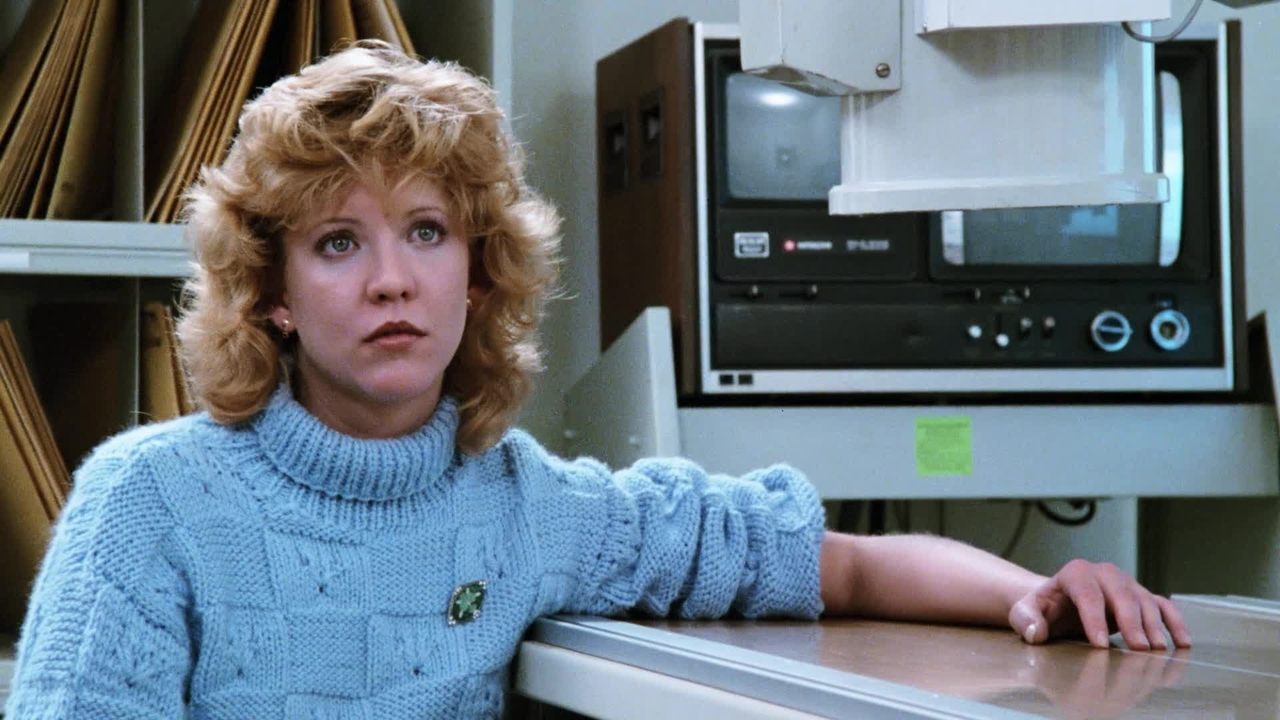
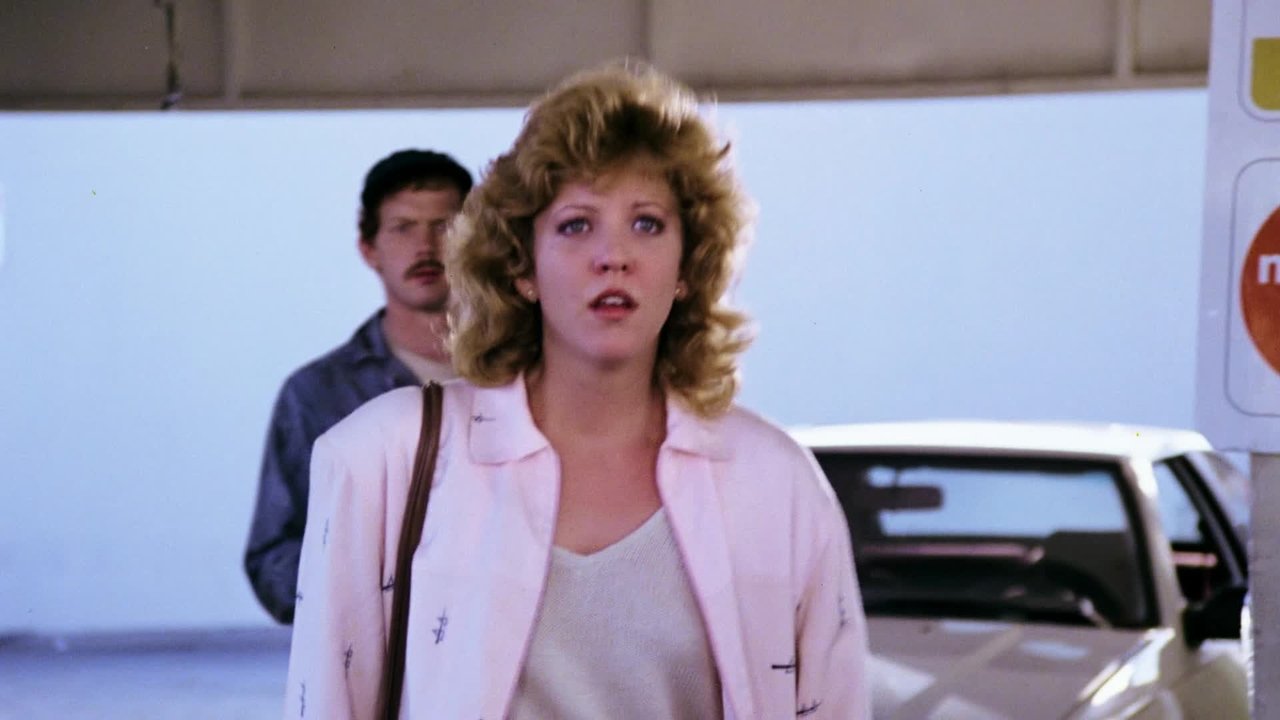
A huge part of the film's charm lies in the "fish out of water" element. Michael Paré, fresh off his brooding turns in Eddie and the Cruisers (1983) and Streets of Fire (1984), perfectly embodies the stoic, bewildered WWII sailor thrust into the neon-lit, synth-poppy world of the mid-80s. His confusion and attempts to grapple with forty years of bewildering progress feel genuine. He finds an unlikely ally in Allison Hayes, played by the always-watchable Nancy Allen (RoboCop, Dressed to Kill). Allen brings warmth and tenacity to a role that could have been just a damsel in distress, grounding the fantastical elements with a relatable human connection. Their dynamic, navigating suspicion, attraction, and the sheer weirdness of the situation, forms the emotional core of the story.
And let's not forget the delightful Eric Christmas as the elderly Dr. Longstreet, one of the original scientists now confronted with the consequences of his youthful ambition. His performance adds a touch of gravitas and regret, connecting the past and present narrative threads. Seeing these characters interact, trying to piece together the fractured timeline while dodging shadowy government types, is pure 80s fun. Remember seeing David’s shock at modern technology? It’s moments like those that made the premise so relatable, despite the extraordinary circumstances.
### Retro-Tech and VHS Glory
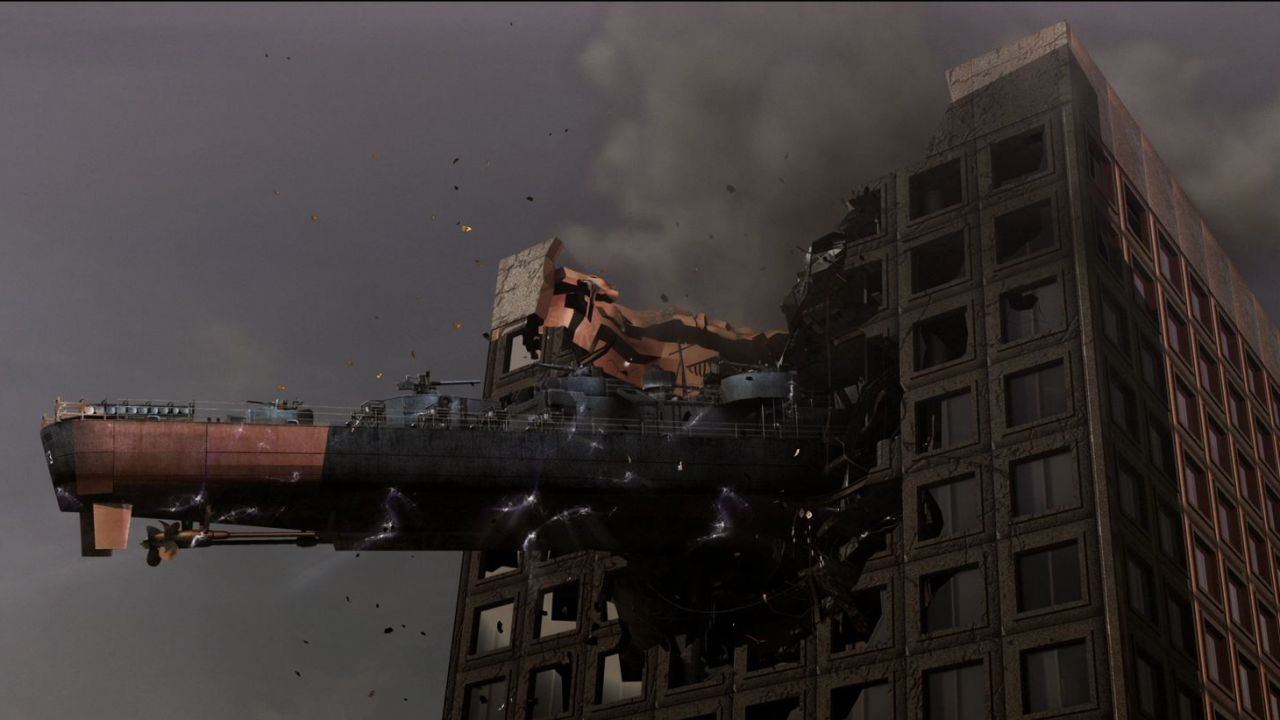
For its time, The Philadelphia Experiment boasted some genuinely striking visual effects. The swirling energy vortex, the ship phasing in and out of reality, the disturbing glimpses of men fused into the bulkhead – these images stuck with you long after the credits rolled on your CRT screen. Achieved primarily through optical printing and clever model work, they possess a tangible quality often missing in today's slicker CGI. Sure, some effects might look a little dated now, but back on VHS, they felt cutting-edge and genuinely unsettling. The scenes filmed aboard the period-appropriate destroyer escort USS Laffey (DD-724), standing in for the mythical Eldridge, lend an air of authenticity to the 1943 sequences.
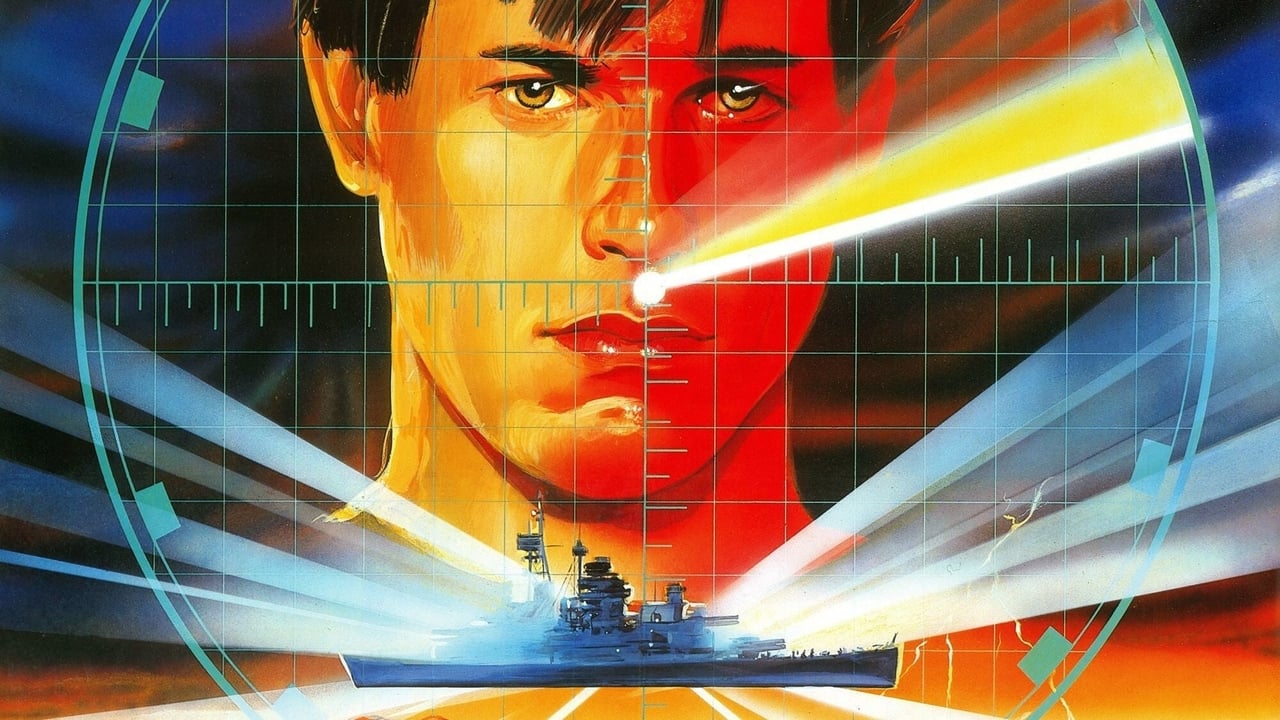
Made on a relatively modest budget of around $9 million, the film wasn't a box office titan, pulling in about $8.1 million domestically. But oh, how it found its audience on home video and cable! This was prime rental fare – the kind of tape you’d grab based on the intriguing cover art and the promise of action, mystery, and maybe even a little romance. It became a staple, a movie you'd catch late at night and get completely sucked into. Its success on the rental market undoubtedly cemented its cult status far more than its initial theatrical run.
### A Persistent Echo
While perhaps not a flawless masterpiece, The Philadelphia Experiment taps into something primal: the fear of the unknown, the allure of conspiracy, and the disorientation of time itself. It skillfully blends genres – sci-fi, thriller, action, even a touch of romance – into a satisfying whole. The pacing is generally brisk, the central performances are engaging, and the core concept remains undeniably cool. It even spawned a less-remembered sequel, Philadelphia Experiment II, in 1993, though the original remains the definitive article.
The film stands as a great example of high-concept 80s filmmaking – taking a weird, fringe idea and spinning it into accessible, entertaining popcorn cinema. It doesn't get bogged down in overly complex technobabble; it focuses on the human element, the chase, and the spectacle.
VHS Heaven Rating: 7/10
Justification: This score reflects the film's strong, imaginative premise rooted in a fascinating urban legend, its solid execution as an 80s sci-fi adventure, engaging performances from Paré and Allen, and memorable practical effects that defined its era. It successfully blends action, mystery, and a touch of romance, making it a quintessential cult classic of the VHS age. While it might have some narrative conveniences and effects that show their age, its enduring appeal and entertainment value earn it a solid place in the retro pantheon.
Final Thought: More than just a sci-fi flick, The Philadelphia Experiment is a portal back to the kind of imaginative, slightly spooky adventure story that felt tailor-made for a Friday night video rental. A true gem from the era where big ideas didn't always need blockbuster budgets, just a good story and a willingness to believe in the unbelievable.