Okay, settle in for this one. Sometimes, digging through those stacks of well-worn VHS tapes unearthed something entirely unexpected, a film that didn't fit neatly beside the usual action heroes or slasher villains. It felt different, heavier, somehow more substantial even in its plastic casing. Watching Paolo and Vittorio Taviani's Kaos (1984) feels like uncovering such a treasure, a sprawling, sun-drenched tapestry woven from the threads of life, death, and folklore in rural Sicily. It demands patience, yes, but the rewards are profound, lingering long after the screen fades to black.
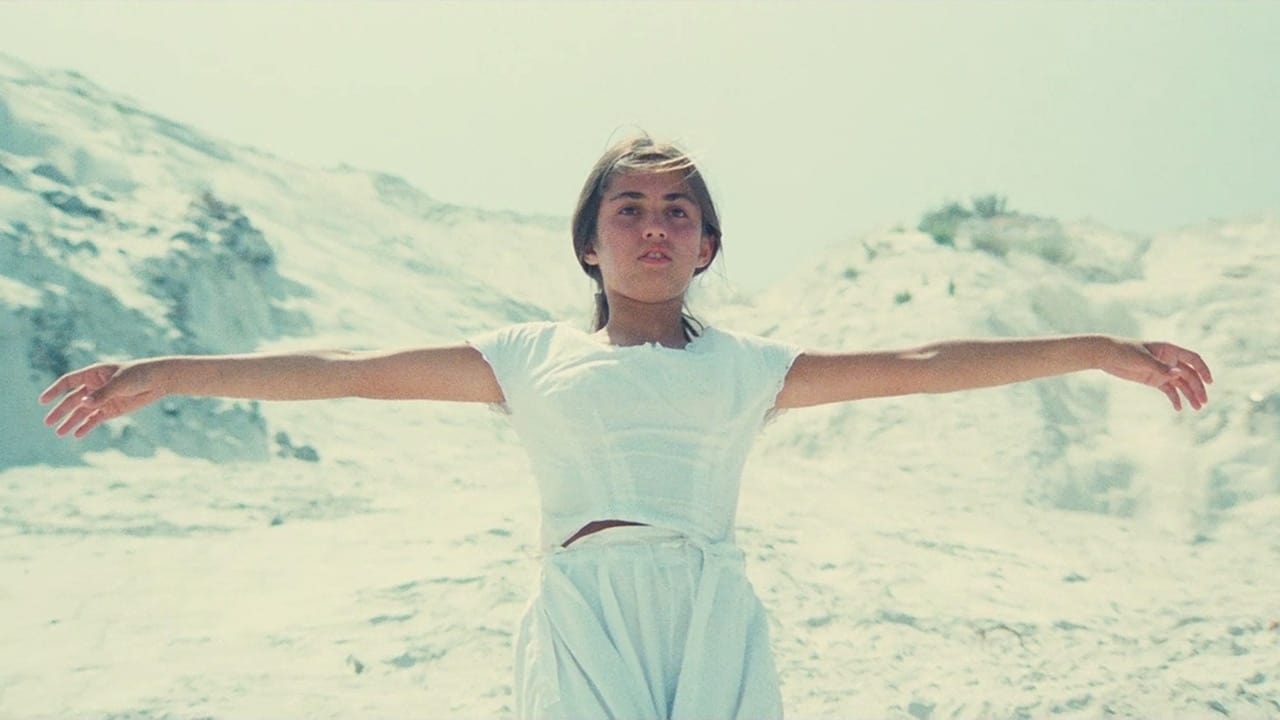
This isn't your typical Friday night rental fodder. Kaos is an anthology film, adapting several short stories by the Nobel Prize-winning Sicilian playwright Luigi Pirandello, a native of the very region the film so vividly portrays (his birthplace near Agrigento was locally nicknamed "Càvusu," Sicilian for Chaos, hence the film's title). The Taviani Brothers, already celebrated for masterpieces like Padre Padrone (1977) and The Night of the Shooting Stars (1982), don't just film these stories; they breathe the dusty Sicilian air into them, letting the landscape itself become a central character.
Echoes Across the Landscape
The film unfolds as a series of vignettes, connected by a framing narrative involving a raven carrying a small bell, observing the human drama below. Each segment explores different facets of life in turn-of-the-century Sicily – superstition, poverty, emigration, jealousy, grief, and unexpected moments of grace or absurdity. There's "The Other Son," a heartbreaking tale of a mother (Margarita Lozano, in a performance of devastating quietude) unable to love her remaining sons because they remind her of the bandits who killed her husband and abducted her eldest decades earlier. Her yearning for letters from her two emigrated sons in America, letters that never arrive, is almost unbearable. Lozano conveys a lifetime of sorrow in her gaze, a testament to acting that transcends language barriers.
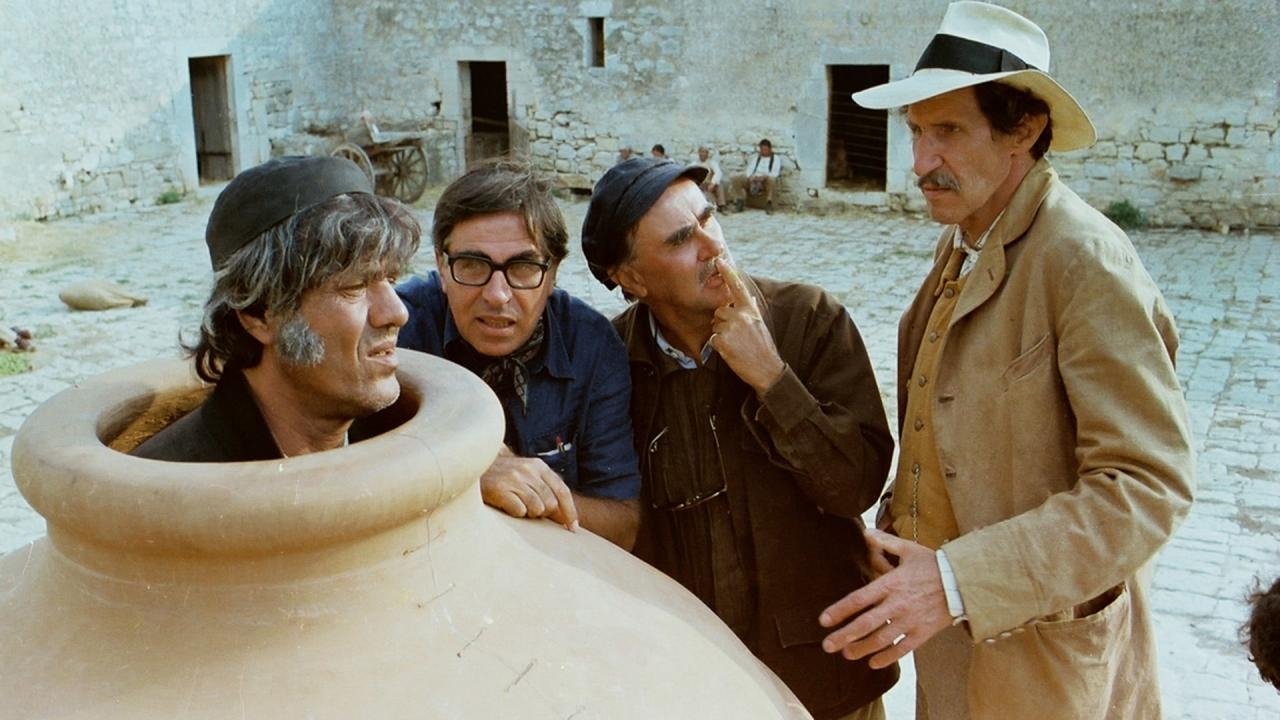
Then there's "Moon Sickness," a strange and unsettling story about a newlywed wife discovering her husband (Claudio Bigagli) suffers from a lycanthropy-like madness during the full moon. It blends psychological tension with a raw, earthy quality. "The Jar" offers a welcome shift towards wry, almost Beckettian comedy, featuring a renowned potter hired to fix a giant olive oil jar who then finds himself trapped inside. It’s a fable about pride and stubbornness, played with delightful peasant authenticity.
Life, Interrupted
The most ambitious and perhaps most moving segment is the final one, "Conversing with Mother." Here, Pirandello himself (played with thoughtful gravity by Omero Antonutti) returns to his childhood home after his mother's death. Through flashbacks triggered by memories and old photographs, we see her recounting a formative childhood experience: an arduous journey with her siblings across Sicily to visit their exiled father during the Risorgimento. This section ties the film's threads together, reflecting on memory, storytelling, and the deep, often unspoken, connections to family and place. It’s a poignant meditation on how personal history shapes us, delivered with the Tavianis' characteristic blend of lyricism and realism.
The Taviani Touch
What truly elevates Kaos is the masterful direction. The Taviani Brothers work in perfect harmony, capturing the harsh beauty of the Sicilian countryside with painterly compositions (Giuseppe Lanci's cinematography is stunning). They possess an incredible ability to ground fantastical or folkloric elements in a tangible reality. The pacing is deliberate, unhurried, allowing moments to breathe and resonate. This wasn't a film made for channel-surfing; it demanded your full attention, much like settling in to read a dense, rewarding novel. I distinctly remember the heft of the double VHS set this often came in – its sheer length (the full version runs over three hours!) felt like a commitment, a different kind of movie night.
The score by Nicola Piovani (who would later win an Oscar for Life is Beautiful (1997)) is equally essential, weaving traditional Sicilian motifs with more mournful or dramatic themes, perfectly complementing the shifting moods of the stories. There are no flashy special effects here; the power comes from the landscape, the faces of the actors (many non-professionals lending incredible authenticity), and the timeless resonance of Pirandello's tales.
Finding Artistry on the Shelf
Was Kaos a mainstream hit? Absolutely not. Finding it nestled amongst the action flicks and teen comedies at the local video store felt like discovering a secret passage to another world – the world of European art cinema, something often relegated to niche theaters or university film societies back then. It likely baffled some renters expecting something entirely different, but for those willing to meet it on its own terms, it offered a rich, immersive experience. It’s a reminder that the VHS era wasn’t just about blockbusters; it was also a portal, however randomly stocked, to global cinema. It competed for attention at the 1984 Cannes Film Festival, nominated for the prestigious Palme d'Or, signaling its artistic importance right from the start.
Kaos doesn't offer easy answers or neat resolutions. It presents life in all its messy, contradictory, beautiful, and brutal glory. It’s a film about the stories we tell ourselves to survive, the weight of the past, and the enduring spirit of a people tied inextricably to their land.
Rating: 9/10
This score reflects the film's masterful artistry, the stunning direction and cinematography, the powerful performances, and the profound depth of its source material. It's a demanding film, its length and episodic nature requiring patience, which prevents a perfect score for general audiences, but its artistic achievement is undeniable. For those seeking more than just escapism, Kaos delivers a deeply moving and visually unforgettable journey into the heart of Sicily and the human condition.
It leaves you not with a bang, but with a quiet echo – the sound of a distant bell, the heat haze shimmering over a dusty road, the weight of stories carried across generations. A true gem from the cinematic landscape of the 80s, proving that even on humble VHS, profound art could be found.