There’s a unique kind of magic woven into the fabric of memory, isn't there? Especially memories of war, where the stark horror often sits uncomfortably alongside moments of unexpected beauty or surreal absurdity. This strange, haunting alchemy is precisely what pulses at the heart of Paolo and Vittorio Taviani's 1982 masterpiece, The Night of the Shooting Stars (La Notte di San Lorenzo). Watching it again recently, decades after first discovering it tucked away in the 'Foreign Language' aisle of my local video store – a stark, intriguing cover amidst the usual action heroes and grinning comedians – I was struck anew by its power. It’s not just a film; it feels like a shared, whispered story, passed down through generations, softened by time yet still bearing the sharp edges of truth.
Where History Meets Fairytale
The premise is deceptively simple, yet fraught with peril. It’s August 1944 in Tuscany. The war is nearing its end, but the danger is far from over. The retreating German forces order the inhabitants of the small town of San Martino to gather in the church, ostensibly for protection. However, sensing a trap, a faction led by the stoic Galvano (Omero Antonutti) decides to defy the order. Under the cover of night – specifically, the Night of San Lorenzo, traditionally when wishes are granted upon shooting stars – they flee into the countryside, hoping to reach the safety of the approaching American liberators.
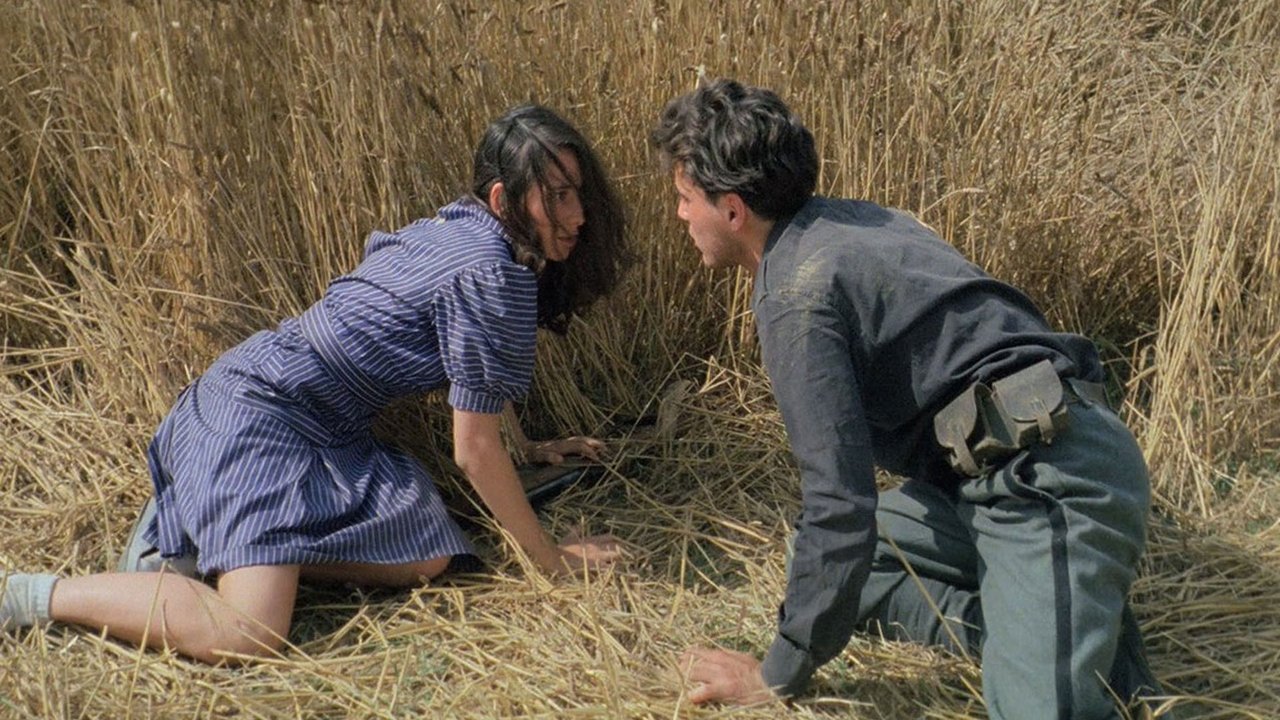
What unfolds is less a conventional war narrative and more an episodic, almost dreamlike odyssey. The Taviani brothers, drawing significantly from their own childhood experiences witnessing wartime events in their village of San Miniato (which provides a powerful, authentic core to the story), don't shy away from the brutality. There are moments of shocking violence, sudden and jarring, that remind you of the constant threat these ordinary people face. Yet, interspersed with this harsh reality are scenes imbued with a lyrical, almost mystical quality. The landscape itself becomes a character – the Tuscan hills, the fields of wheat, the starry night sky – offering both shelter and exposure.
A Tapestry of Human Experience
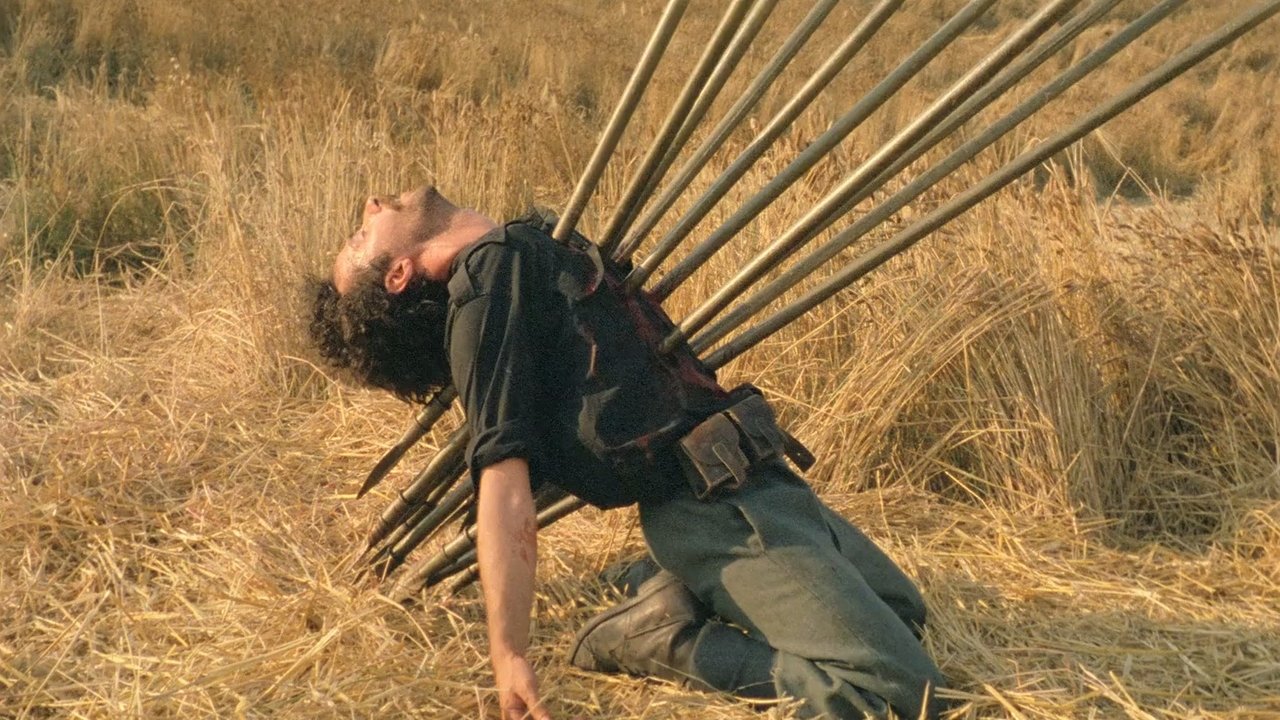
The film thrives on these contrasts. One minute, we witness the horrifying fate of those who stayed behind (a scene that remains deeply unsettling); the next, we might see the fleeing villagers engaging in almost ritualistic acts of solidarity or experiencing moments of unexpected joy or absurd humor amidst the chaos. There's a memorable sequence involving a battle fought with rudimentary weapons in a wheat field that feels both terrifyingly real and strangely theatrical, like something conjured from folklore. Doesn't this mixing of tones mirror how memory itself works, smoothing some edges while sharpening others, blending the mundane with the mythic?
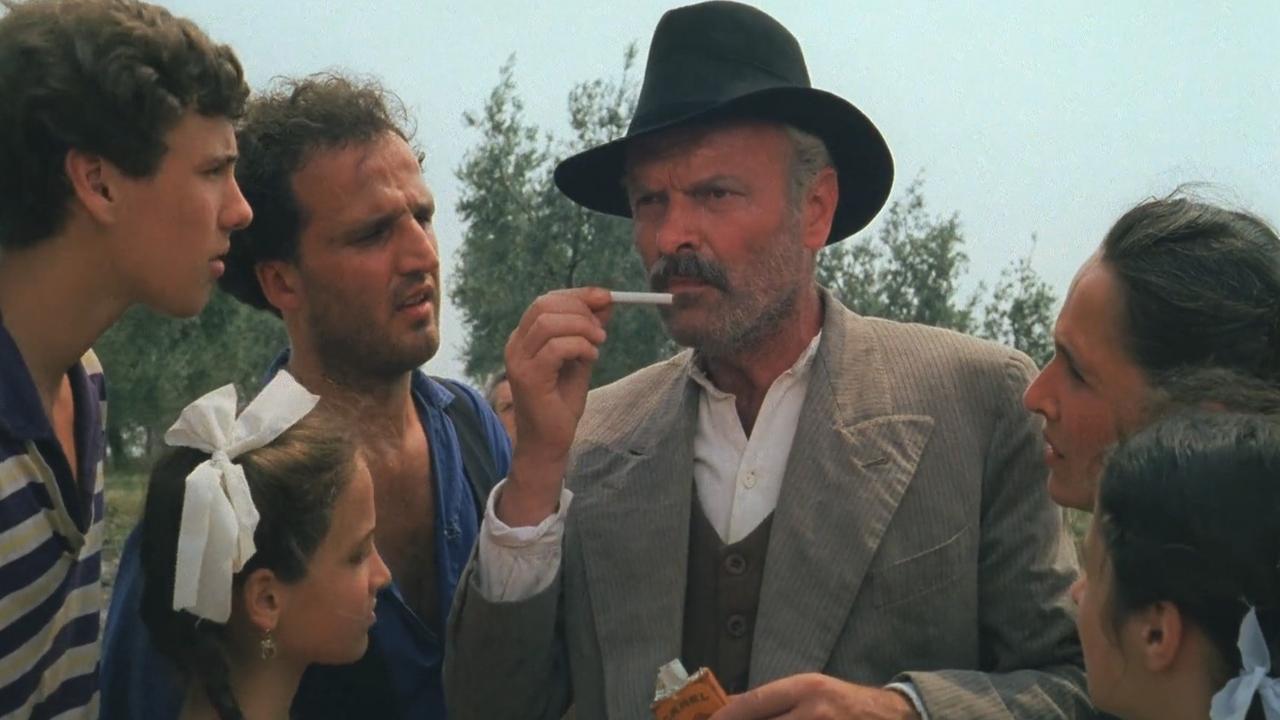
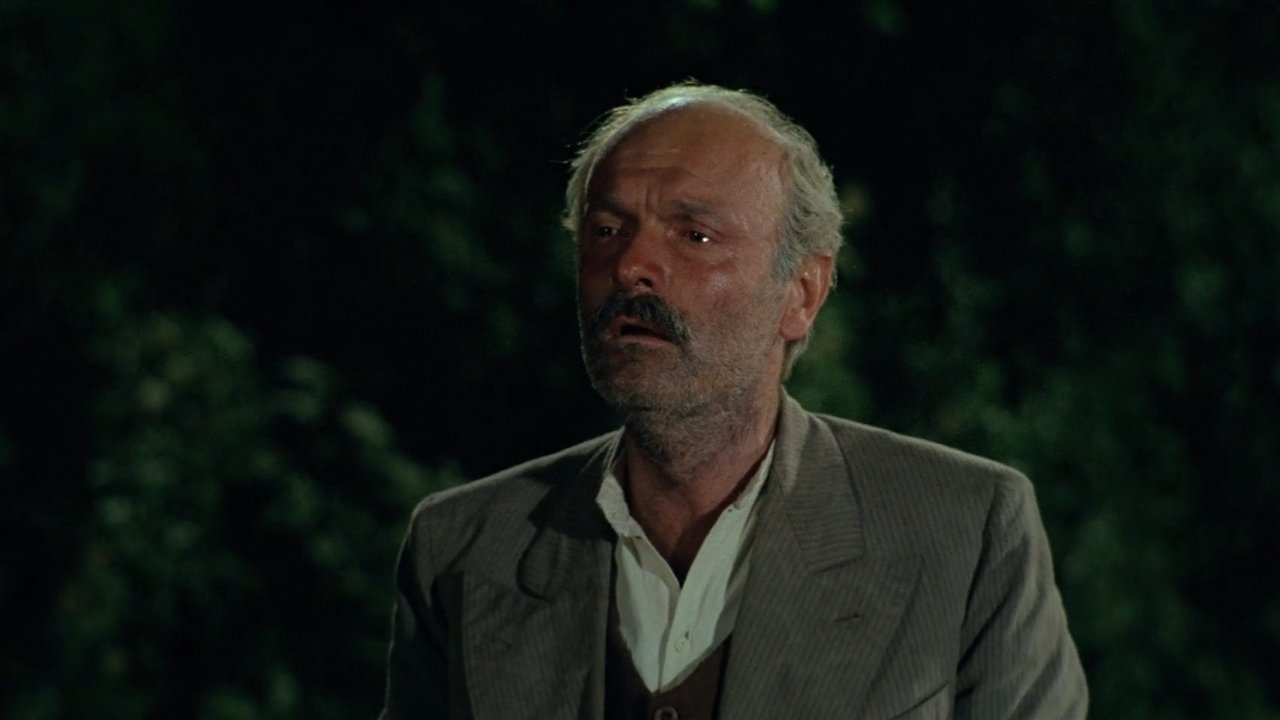
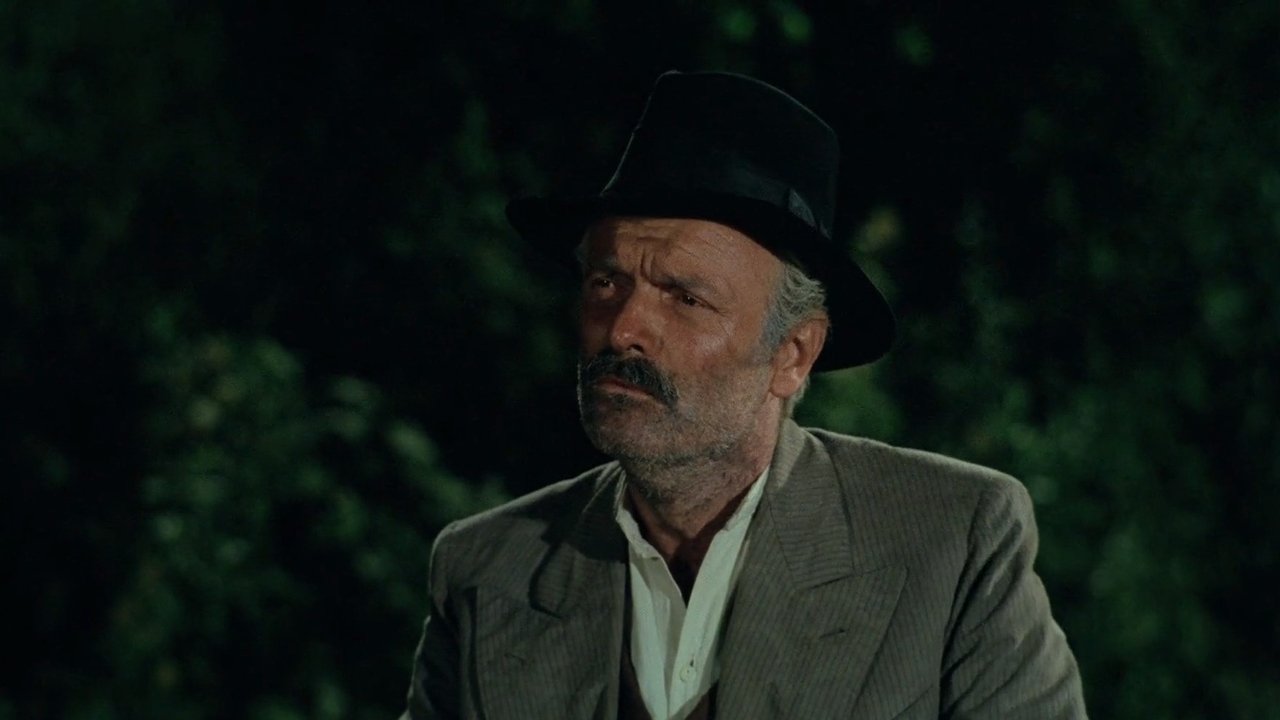
The performances contribute significantly to this tapestry. Omero Antonutti brings a quiet, determined gravity to Galvano, the reluctant leader. Margarita Lozano as Concetta embodies the fierce resilience and earthy wisdom of the community matriarch. The ensemble cast, crucially including many non-professional actors drawn from the local Tuscan population, lends an incredible layer of authenticity. You feel you're watching real people caught in extraordinary circumstances, their faces etched with fear, hope, and exhaustion. This choice by the Tavianis, to blend experienced actors with local villagers, was a masterstroke, grounding the sometimes fantastical elements in palpable human reality.
The Night of Wishes and Fears
The significance of the title isn't just poetic; it's central to the film's thematic core. The Night of San Lorenzo (August 10th) is when Italians traditionally watch for shooting stars (stelle cadenti), believing wishes made upon seeing one will come true. For these desperate villagers, looking up at the heavens isn't just an act of hope; it’s a clinging to tradition, to belief, in the face of utter nihilism. The Tavianis masterfully juxtapose the cosmic spectacle above with the grim reality on the ground. Are the shooting stars omens of hope, or merely indifferent cosmic dust witnessing human folly? The film leaves that beautifully ambiguous.
Finding The Night of the Shooting Stars on VHS felt like unearthing a hidden treasure. It wasn't the typical fare found on the New Releases wall. It demanded more attention, offered a different kind of cinematic experience – one that was challenging, deeply moving, and visually stunning in a way that transcended grainy tracking lines. Its win of the Grand Prix Spécial du Jury at the 1982 Cannes Film Festival signaled its artistic merit, but its real power lies in its emotional resonance, something that feels undiminished by time. The screenplay, co-written with the legendary Tonino Guerra (who penned scripts for giants like Fellini and Antonioni), undoubtedly contributes to its poetic depth and structural elegance.
Legacy in Starlight
The Night of the Shooting Stars isn't an easy watch, but it's an immensely rewarding one. It’s a film that understands the complex relationship between history and memory, violence and beauty, despair and hope. It doesn't offer simple answers or triumphant heroism, but rather a profound meditation on survival, community, and the enduring power of stories – the ones we live, and the ones we tell ourselves to make sense of it all. The Taviani brothers created something truly special here, a film that feels both deeply rooted in a specific time and place, yet timeless in its exploration of the human spirit under duress.
Rating: 9/10
This score reflects the film's masterful direction, its unique and effective blend of realism and lyricism, its powerful performances, and its deeply moving exploration of profound themes. It's a near-perfect example of cinema as both historical document and poetic art, grappling with the darkness of war while never fully extinguishing the flickering light of hope, much like those fleeting streaks across the August sky. It lingers long after the credits roll, prompting reflection on how we remember, how we endure, and what we wish for when darkness falls.