Okay, settle back into that comfy armchair, maybe imagine the faint hum of a CRT television warming up. Remember browsing the aisles of the video store, past the blockbuster action flicks and goofy comedies, maybe stumbling upon a section labelled "Anime" or "World Cinema"? Sometimes, you'd find a tape with cover art so striking, so different, it practically vibrated with untold stories. For many of us, Princess Mononoke (1997) was exactly that kind of discovery – a film that promised, and delivered, an animated epic unlike anything we'd quite seen before on our trusty VCRs.
An Ancient War Unfolding
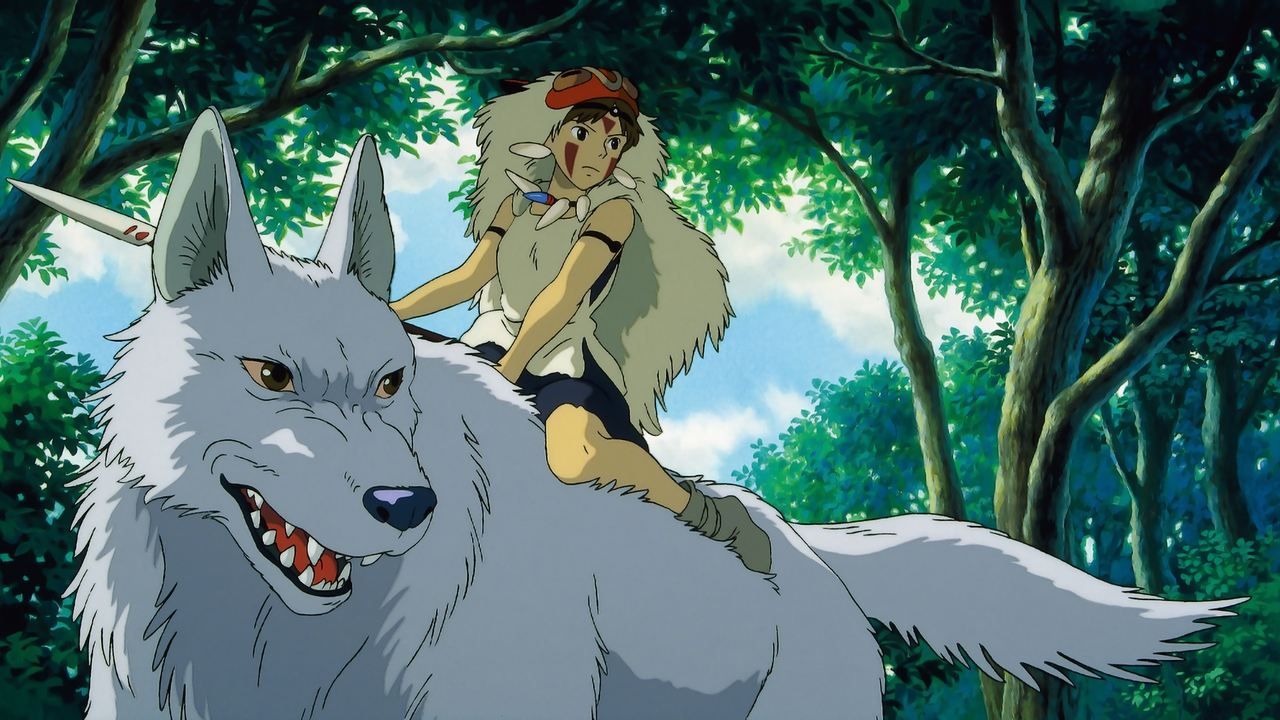
From its opening moments, Princess Mononoke establishes a tone that’s leagues away from the typical animated fare of the era. We're thrust into Muromachi-era Japan, a time of deep forests, ancient gods, and encroaching human industry. We meet Prince Ashitaka, voiced with quiet dignity by Yōji Matsuda, who defends his village from a rampaging boar god corrupted by hatred (and an iron bullet). He succeeds, but receives a demonic curse upon his arm, a creeping death sentence that forces him to journey west, seeking answers and perhaps a cure. It’s a heavy, dramatic start, immediately signaling that director Hayao Miyazaki, already a legend in Japan but perhaps less known globally pre-Ghibli's wider distribution deal, wasn't pulling any punches. This wasn't just a cartoon; it felt like mythology brought to life, dark, complex, and utterly captivating.
Where Gods and Humans Clash
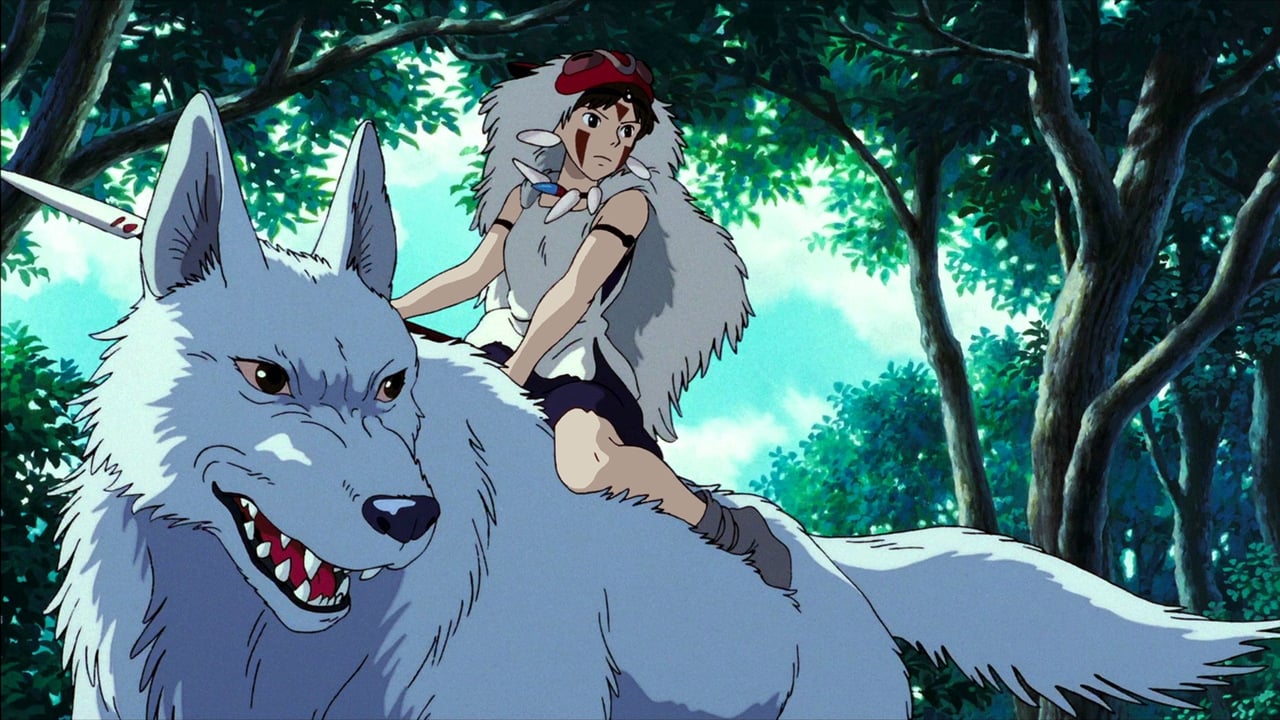
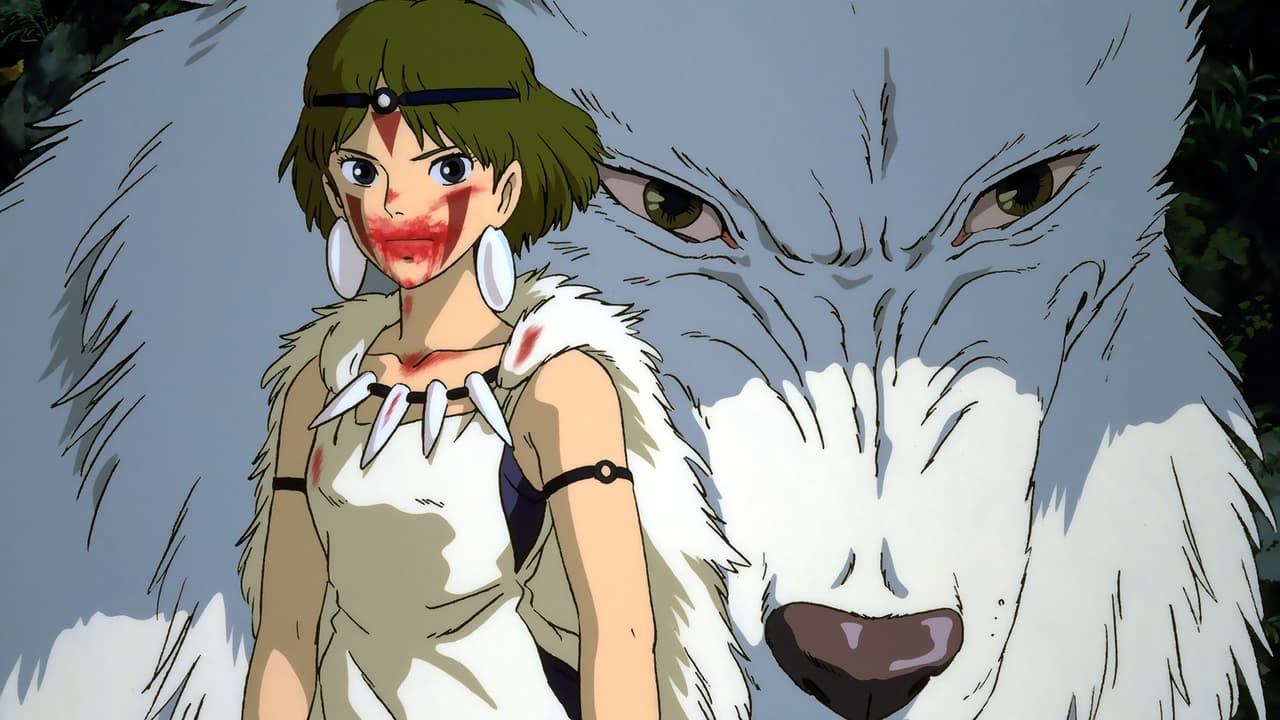
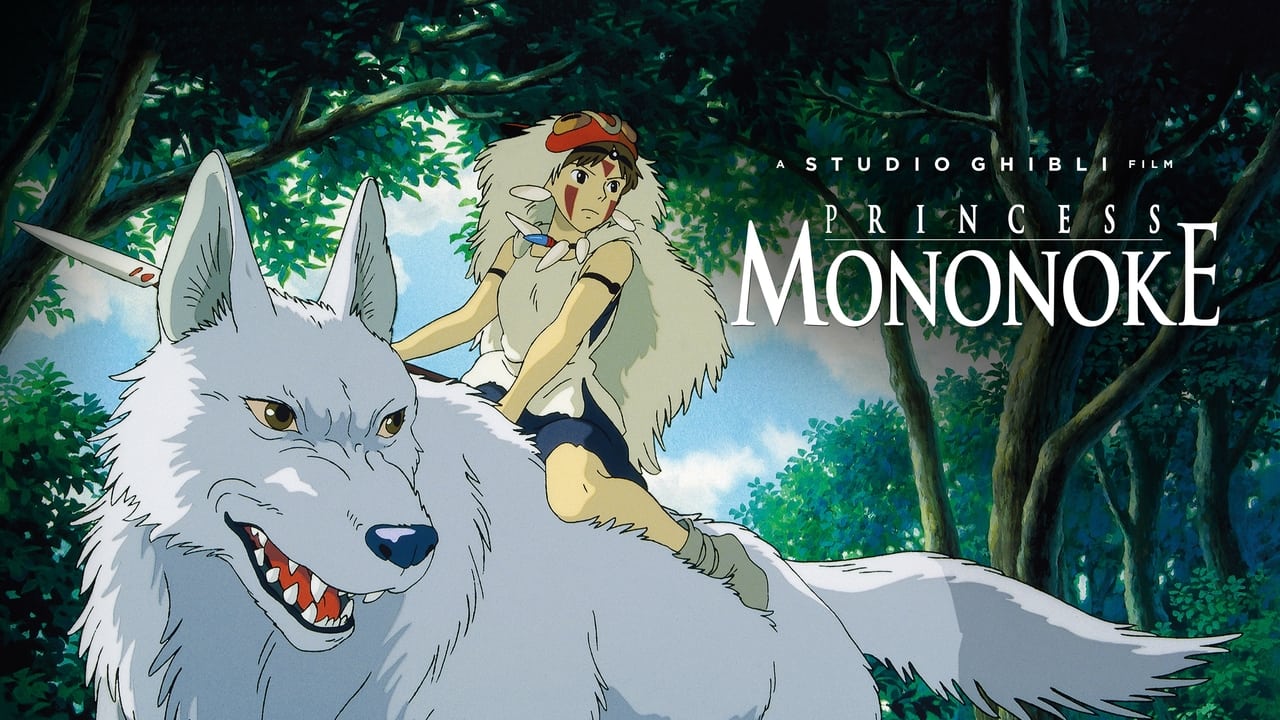
Ashitaka's journey leads him into the heart of a bitter conflict. On one side, the formidable Lady Eboshi (Yūko Tanaka delivering a truly commanding performance), leader of Irontown (Tataraba). She’s clear-cutting the forest to mine iron, providing work and refuge for societal outcasts like lepers and former brothel workers. She’s pragmatic, intelligent, even compassionate towards her people, yet utterly ruthless towards nature. On the other side are the spirits and beasts of the forest, including the wolf goddess Moro and her adopted human daughter, San (Yuriko Ishida), the titular Princess Mononoke – fierce, wild, and filled with righteous fury against the humans destroying her home. Ashitaka finds himself caught in the middle, cursed by the hatred consuming both sides, desperately seeking a way for nature and humanity to coexist. The film's refusal to paint either side as purely evil is one of its greatest strengths; Eboshi isn't just a villain, and San's rage is tragically understandable. It leaves you thinking, wrestling with the shades of grey long after the credits roll.
The Majesty of Hand-Drawn Worlds
Visually, Princess Mononoke remains an absolute titan. In an era where CGI was rapidly taking over Western animation, Studio Ghibli doubled down on the power of traditional hand-drawn cel animation, albeit enhanced with subtle computer graphics for certain complex elements like the writhing tendrils of Ashitaka’s curse. The result is breathtaking. The lush, ancient forests feel alive, teeming with detail and strange spirits like the Kodama. The animal gods – the wolves, the boars, the enigmatic Shishigami (Forest Spirit) – possess weight and majesty. Supervising animator Masashi Ando, along with Miyazaki's team, crafted sequences of fluid action and quiet beauty that still feel vibrant today. It reportedly took over 144,000 individual cels to bring this vision to life, a staggering feat. And let's not forget the score by the indispensable Joe Hisaishi – epic, mournful, and stirring, it’s as crucial to the film's atmosphere as the visuals.
Retro Fun Facts: Ghibli Goes Global
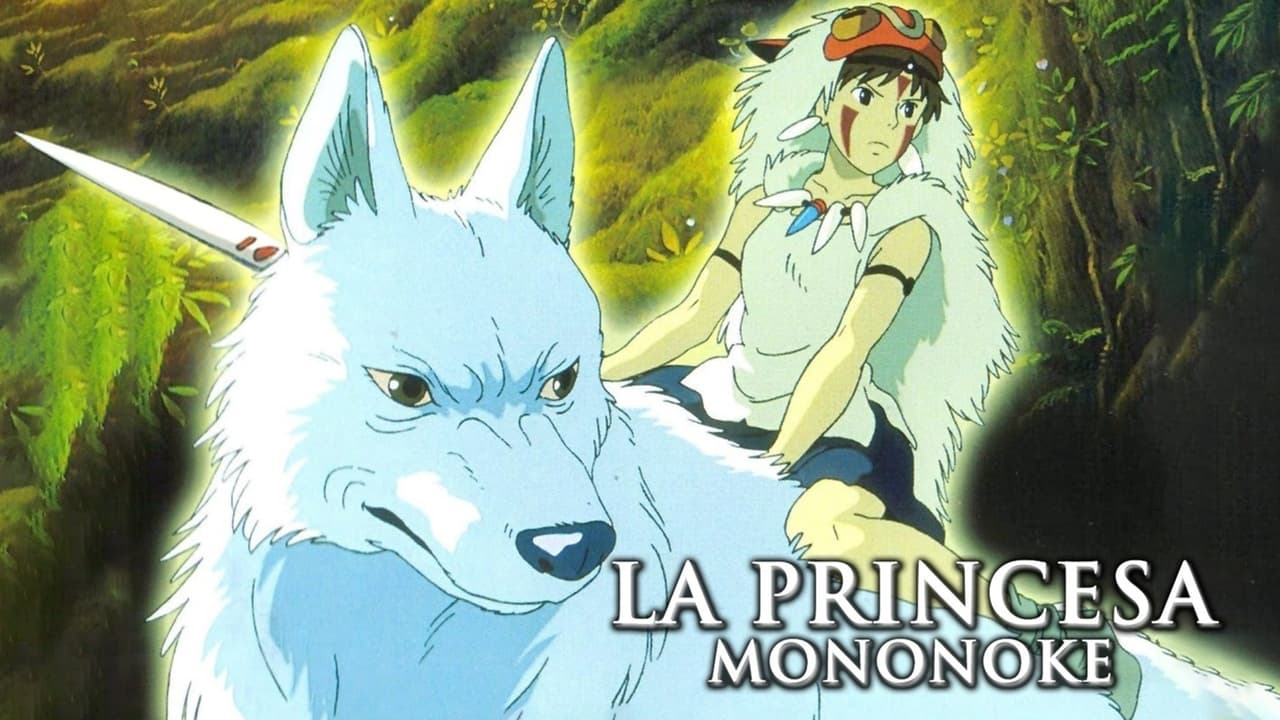
Princess Mononoke wasn't just another Ghibli film; it was a phenomenon. It shattered box office records in Japan, becoming the highest-grossing domestic film ever at that time, finally dethroning E.T.. Its budget was significant for an animated film then, around $23.5 million, but it raked in over $160 million worldwide – a huge success that paved the way for Ghibli's international presence. Hayao Miyazaki, who also penned the script, poured years into the project, drawing inspiration from Japanese folklore and history, and initially, perhaps half-seriously, considered it might be his final feature (a sentiment he'd express again later!).
Its journey to Western audiences via Miramax wasn't without drama. Famously, when Harvey Weinstein pushed for significant cuts to make it more "marketable," Ghibli producer Toshio Suzuki reportedly sent him an authentic katana with a simple, effective message attached: "No cuts." Thankfully, they prevailed, and while the English dub (expertly scripted by fantasy author Neil Gaiman) features stars like Billy Crudup (Ashitaka), Claire Danes (San), and Minnie Driver (Eboshi), it respects the original's tone and complexity. The film’s mature themes and moments of intense, sometimes graphic violence (that MPAA PG-13 rating wasn’t kidding) were a significant step, challenging perceptions of what animation could be.
A Timeless Epic
Watching Princess Mononoke today, its themes feel more relevant than ever. The clash between environmental preservation and industrial progress, the destructive cycle of hatred and violence, the search for balance and understanding – these resonate deeply. It's a film that treats its audience with intelligence, offering no easy answers but plenty of food for thought, wrapped in an adventure of staggering beauty and emotional power. It cemented Hayao Miyazaki's reputation globally and stands as a towering achievement in animation history, a film that showed the world the artistic heights the medium could reach. It holds a respectable 8.3/10 on IMDb and a stellar 93% on Rotten Tomatoes, reflecting its enduring critical acclaim.
VHS Heaven Rating: 9.5/10
This near-perfect score reflects the film's breathtaking artistry, its profound and complex storytelling, unforgettable characters, and its significant cultural impact. The hand-drawn animation is a wonder, Joe Hisaishi's score is iconic, and the themes explored by Miyazaki are handled with nuance and power. It pushed boundaries for animation and remains a deeply moving, visually stunning epic. It might lose half a point only for the sheer density that can occasionally feel overwhelming on a first viewing, but that’s a minor quibble for such a masterpiece.
Princess Mononoke wasn't just a movie rental; it felt like unearthing a sacred text, a visually stunning legend that stays with you, whispering of ancient forests and the delicate, often tragic, balance between worlds.