Okay, pull up a beanbag chair, maybe crack open a Jolt Cola if you can find one, because we're diving headfirst into a neon-soaked, synth-scored slice of pure 80s apocalyptic fun: Thom Eberhardt's Night of the Comet (1984). Forget your grim, gritty end-of-the-world slogs; this movie dared to ask, "What if the apocalypse was, like, totally awesome... at first?" It’s a film that practically radiates the glow of a flickering CRT screen, a staple of weekend video rentals that offered something refreshingly different.
### Dawn of the Rad
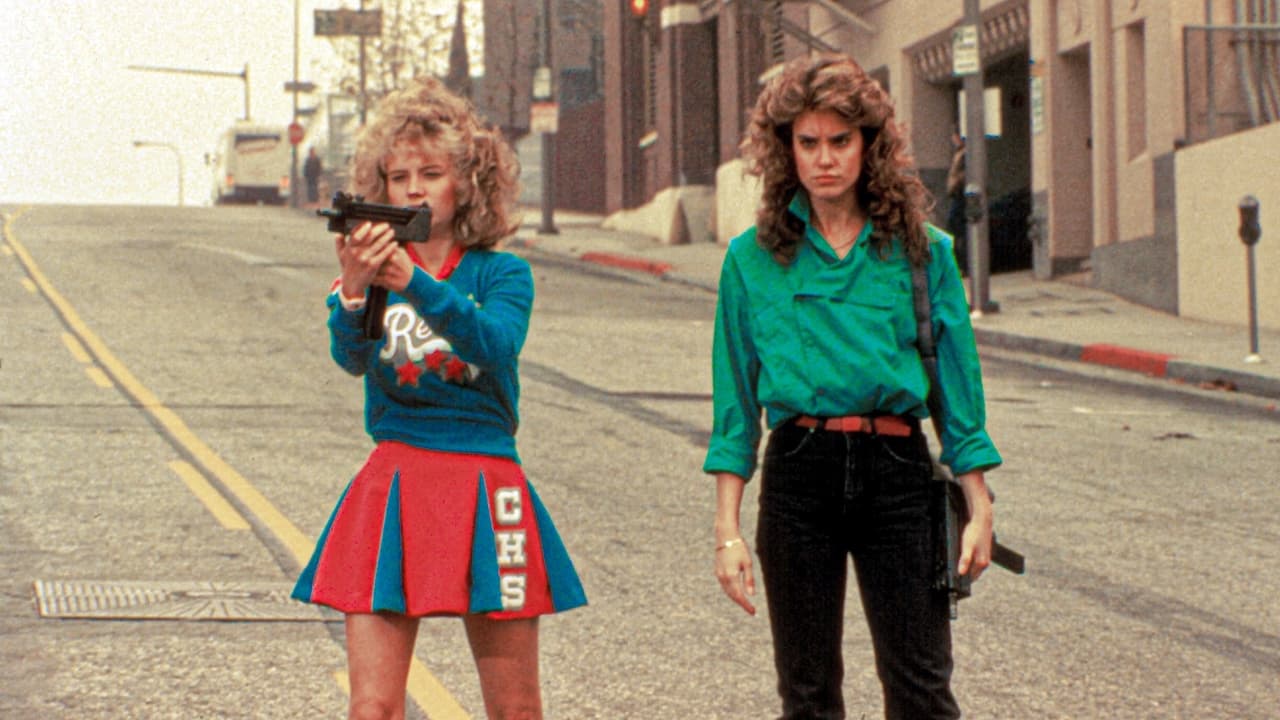
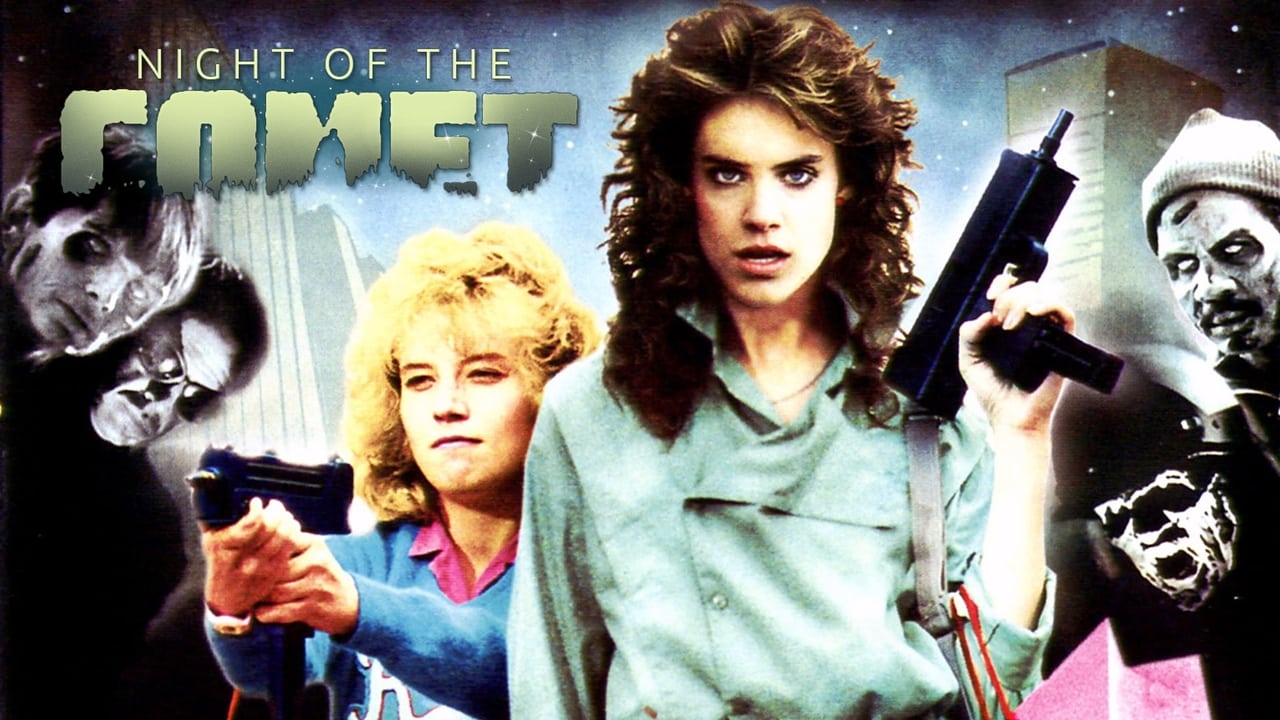
Imagine waking up after the entire planet watched a spectacular comet pass overhead, only to find Los Angeles eerily deserted. Not just quiet, but empty. Cars sit abandoned, stores are open but unmanned, and a strange reddish dust covers everything. That’s the reality confronting valley girl Reggie Belmont (Catherine Mary Stewart, who brought a similar resilient energy to The Last Starfighter the same year) and her younger sister Sam (Kelli Maroney, perfectly capturing teen angst even at world's end). While everyone else was vaporized or turned into cannibalistic space-zombies (more on them later), these two happened to be shielded by steel – Reggie in a movie projection booth, Sam in a backyard shed after a fight with her stepmom. Talk about luck, right? This setup alone, visualizing those empty L.A. streets, felt huge back then. Retro Fun Fact: Director Thom Eberhardt achieved these haunting shots largely by filming very early on weekend mornings, literally capturing a sleeping city to create his post-apocalyptic landscape on a shoestring budget rumored to be around $700,000.
### Shopping Spree Apocalypse
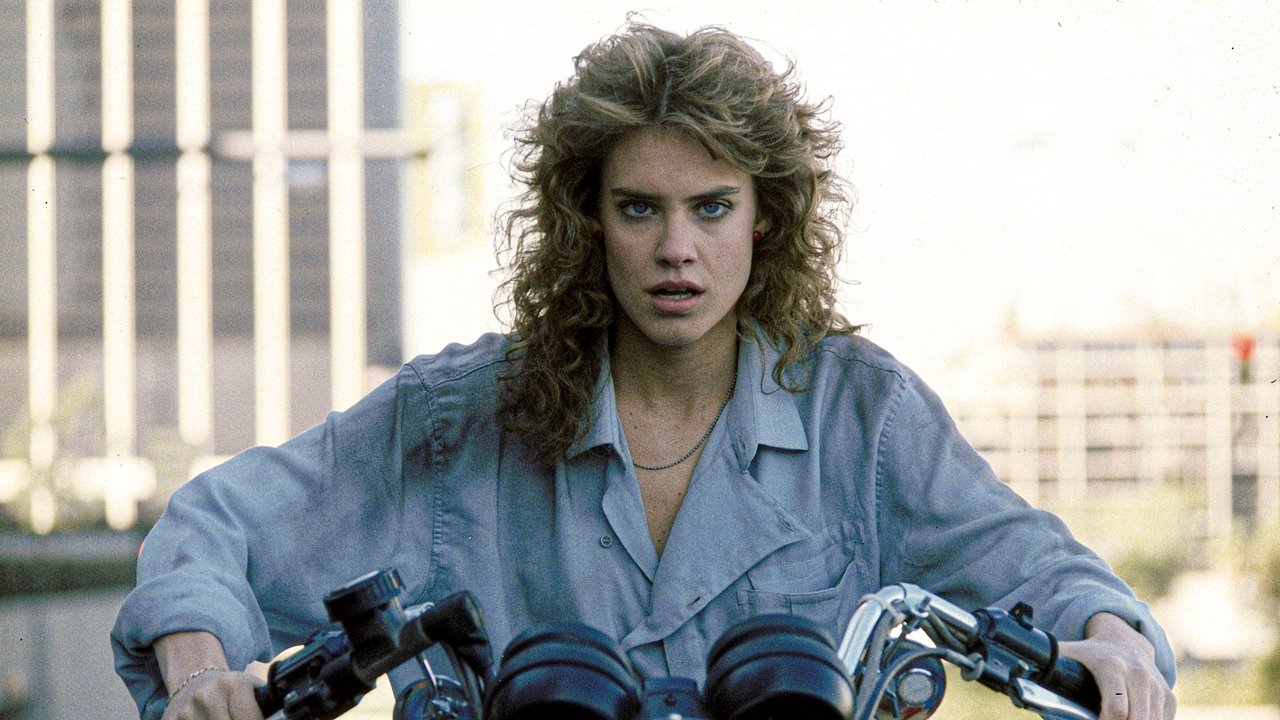
What do two resourceful, fashion-conscious sisters do when faced with the end of civilization? They hit the mall, obviously! The sequence where Reggie and Sam raid a deserted department store, soundtracked by upbeat 80s pop, is pure wish-fulfillment gold. It perfectly encapsulates the film's unique tone – a blend of genuine peril, dark humor, and surprisingly lighthearted survivalism. It’s moments like these, cutting through the potential bleakness, that made Night of the Comet stand out. It wasn't just about surviving; it was about living, even if that meant trying on designer dresses and grabbing an Uzi. Speaking of Uzis, Retro Fun Fact: Catherine Mary Stewart apparently received specific weapons training to handle the firearm convincingly for the iconic scenes where Reggie demonstrates surprising proficiency – a detail that adds to her character’s cool competence.
### Not Your Average Zombies (Or Scientists)
The threats here aren't just the shambling husks left behind by the comet – cleverly realized practical effects make them look less like Romero's ghouls and more like crumbling, dust-covered victims slowly degenerating. They’re creepy, sure, especially in a few jump-scare moments that probably made you spill your popcorn back in the day. Remember how unsettling those first encounters felt, before we knew exactly what was going on? But the real danger comes from a pocket of surviving scientists who are desperately seeking uncontaminated blood. Led by the seemingly pragmatic Dr. Carter (Geoffrey Lewis, a character actor legend), they represent a more insidious, calculating threat than the mindless zombies. Enter Hector Gomez (Robert Beltran, years before commanding Voyager), another survivor who becomes an unlikely ally to the sisters. His grounded presence provides a nice counterpoint to the Belmonts' sometimes outrageous situation.
### Valley Girls Save the World?
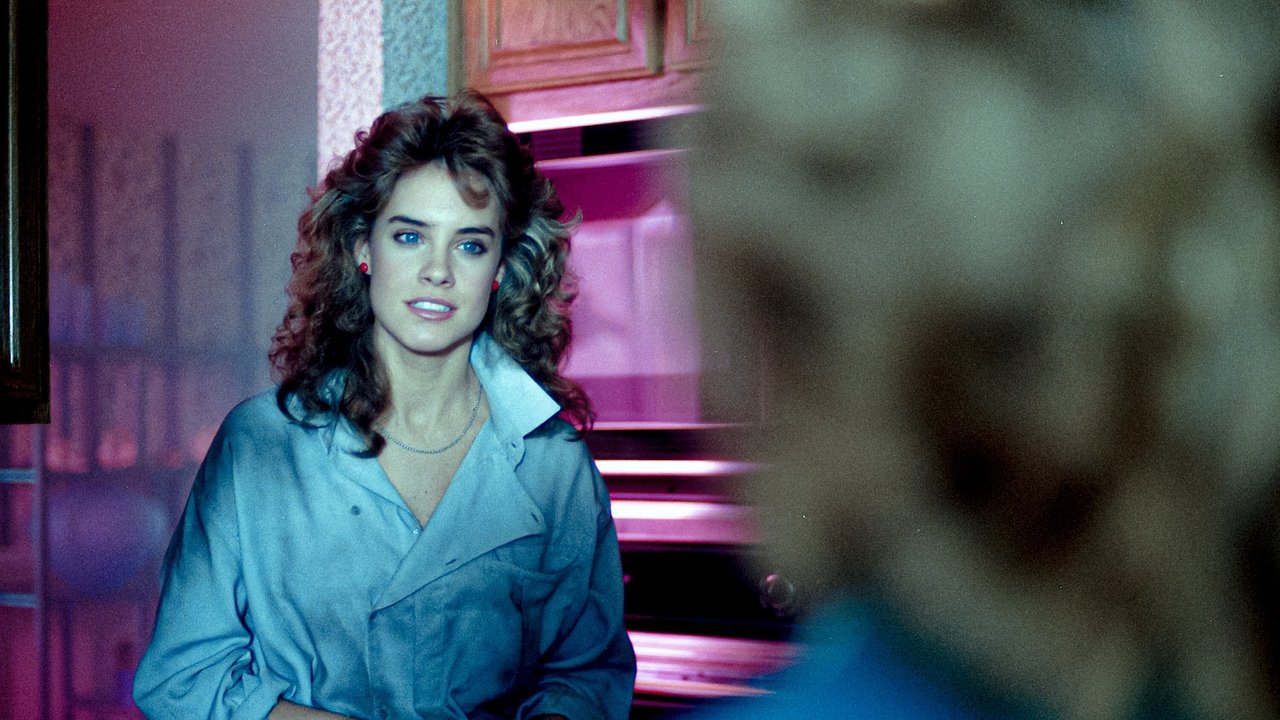
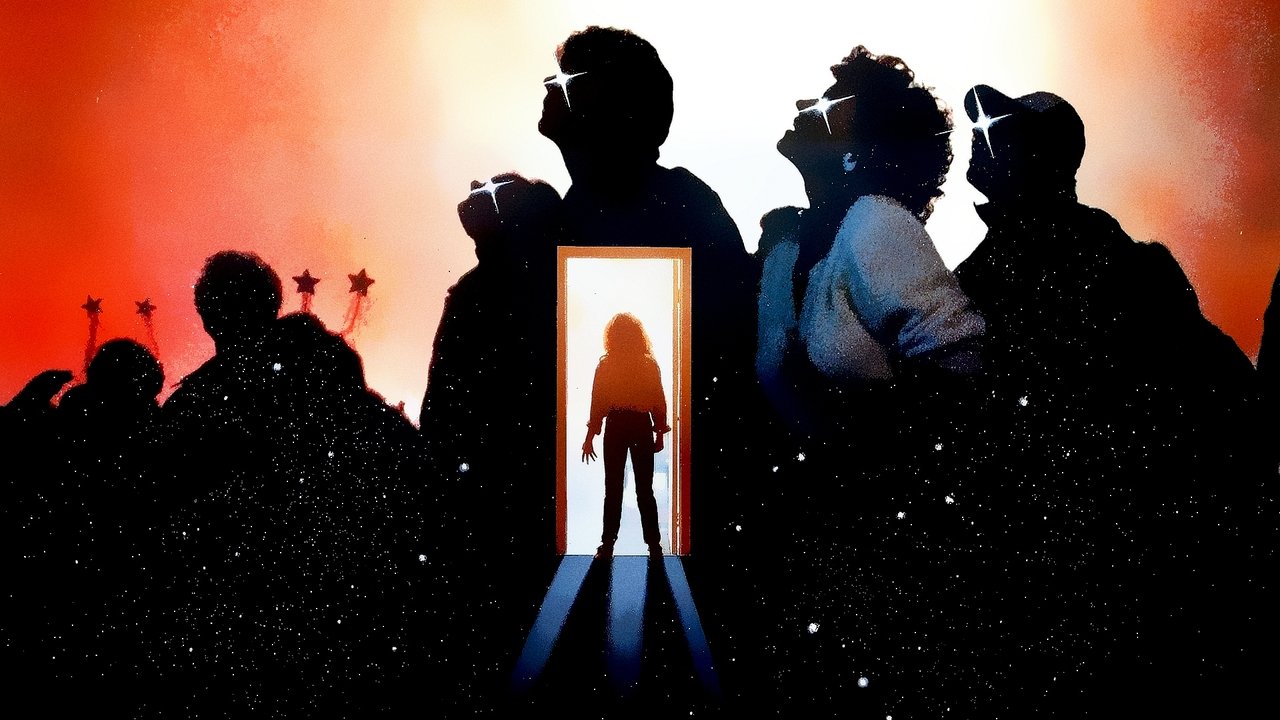
What truly elevates Night of the Comet is its heroines. Reggie and Sam aren't damsels in distress; they're smart, capable, and their sisterly bond feels authentic, complete with bickering and fierce loyalty. Catherine Mary Stewart's Reggie is the pragmatic older sister, handy with a wrench and a firearm, while Kelli Maroney's Sam brings the quintessential 80s teen spirit – worried about boys and her hair even as civilization crumbles. Retro Fun Fact: The strength and agency of these female leads were noteworthy for an 80s genre film, subverting expectations in a landscape often dominated by male action heroes. Eberhardt, who also wrote the script, intentionally crafted characters who could handle themselves. This wasn't just Dawn of the Dead with cheerleaders; it felt smarter, wittier.
The film’s low budget sometimes shows in the practical effects, but there’s a certain charm to that now. The comet flyby effect, the zombie decay – it all feels tangible, real in a way that slick CGI often doesn't. The action scenes, like the shootout in the department store or Reggie’s escape from the research facility, have a scrappy, grounded intensity. You feel the impact, the danger, because you know it's mostly real stunts and carefully orchestrated chaos, not digital trickery.
### The Verdict
Night of the Comet wasn't a massive blockbuster, but it found its tribe on VHS and cable, becoming a beloved cult classic. It perfectly balances sci-fi horror, action, and that specific brand of 80s teen comedy, creating something unique and endlessly rewatchable. The dialogue pops with dated but endearing slang, the synth score is a nostalgic dream, and the central performances are genuinely engaging. It’s a film that understands the absurdity of its premise and leans into it with infectious energy.
Rating: 8.5/10
Justification: While its low budget is occasionally apparent and some 80s elements might feel cheesy today, Night of the Comet earns this score through sheer force of personality. Its brilliant blend of genres, genuinely likable and capable female leads (a rarity then!), witty script, and inventive use of resources make it a standout. It perfectly captures a specific moment in genre filmmaking and delivers pure, unadulterated fun.
Final Thought: This is the kind of gem you’d excitedly grab from the "New Releases" wall at the video store, a perfect storm of high-concept sci-fi and valley girl charm that still feels surprisingly fresh, even through the tracking fuzz. Forget bleakness; sometimes the apocalypse just needs better tunes and a shopping montage.