Alright, fellow tapeheads, settle in. Dim the lights, maybe crack open a questionable beverage you found at the back of the fridge, and let's talk about a movie that felt like pure, chaotic energy bursting right out of the VCR. I’m talking about 1985’s The Return of the Living Dead, a film that didn’t just shamble onto the scene – it kicked the door down, cranked up the punk rock, and demanded your brains… literally.
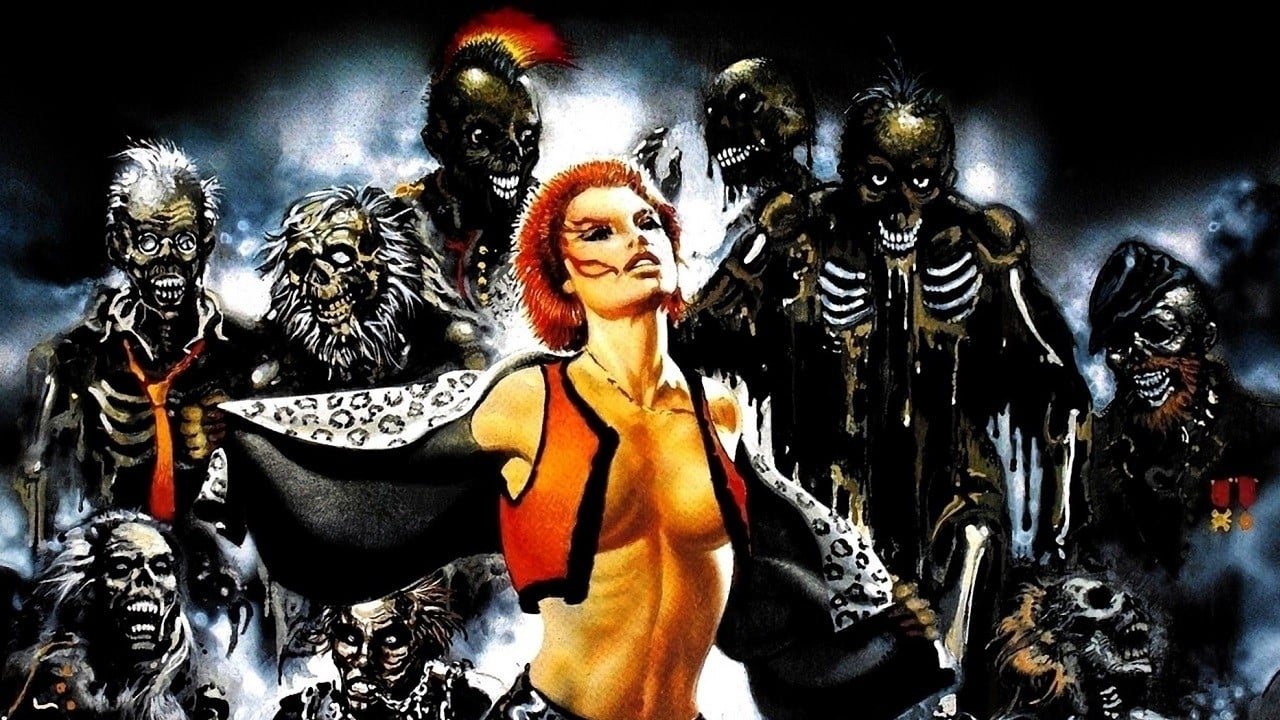
This wasn't your dad's zombie movie, oh no. Forget the slow, moaning hordes George A. Romero had perfected. Writer/director Dan O'Bannon, already sci-fi/horror royalty for penning Alien (1979), took the reins here (after original director Tobe Hooper reportedly departed) and decided to rewrite the rulebook. These zombies? They run. They talk. They strategize. And most importantly, they crave brains, specifically, establishing a trope many still associate with the undead today. The genesis of this divergence actually stemmed from legal complexities; seeking to avoid direct conflict with Romero's ongoing Dead series (stemming from their shared history on Night of the Living Dead), O'Bannon and his co-writers deliberately crafted different zombie lore.
### That Smell Isn't Just Old Bandages
The setup is wonderfully simple, steeped in that classic 80s blend of mundane workplaces and sudden, apocalyptic horror. We land in the Uneeda Medical Supply warehouse, where veteran foreman Frank (James Karen, perfectly flustered) decides to impress the new kid, Freddy (Thom Mathews), by showing him a top-secret military canister left forgotten in the basement. What’s inside? According to Frank, the real events that inspired Night of the Living Dead! One clumsy moment later, the canister is breached, unleashing the toxic Trioxin gas, and reanimating not just a nearby cadaver, but everything dead in the vicinity. James Karen and Thom Mathews have such fantastic, almost vaudevillian chemistry in these early scenes; reportedly, much of their panicked banter was improvised, adding a layer of frantic, believable energy that grounds the absurdity to come.
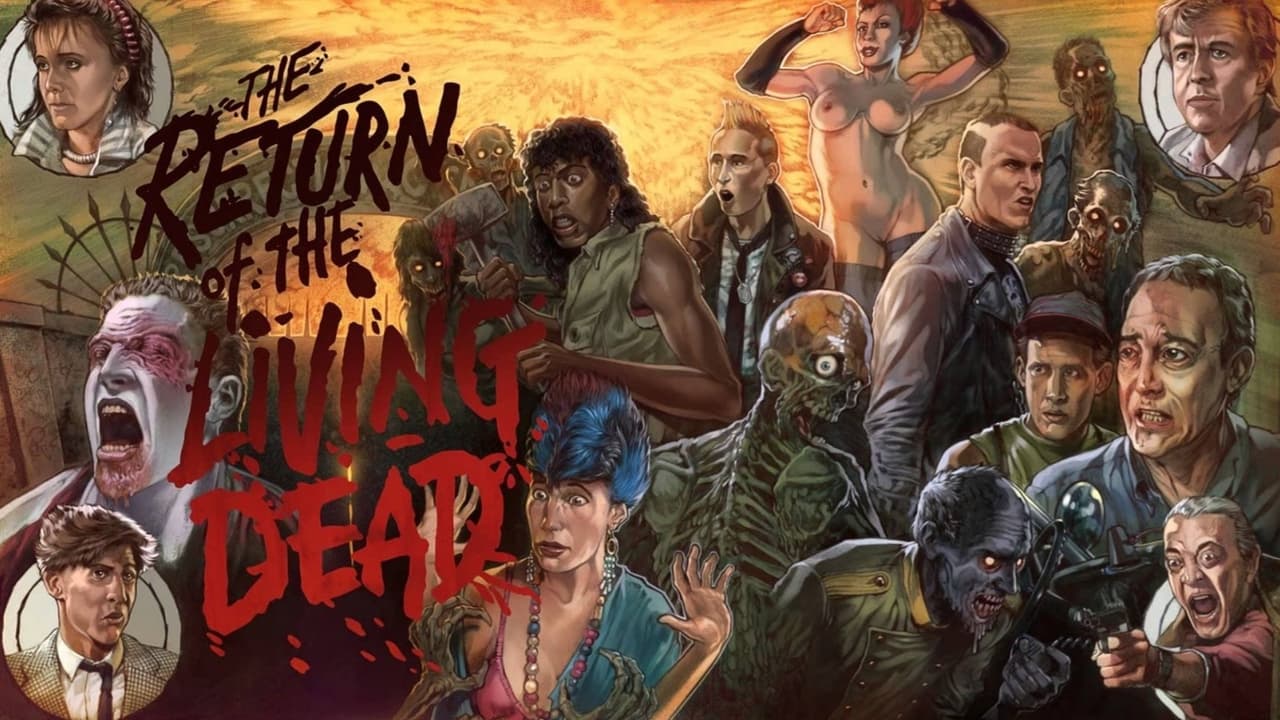
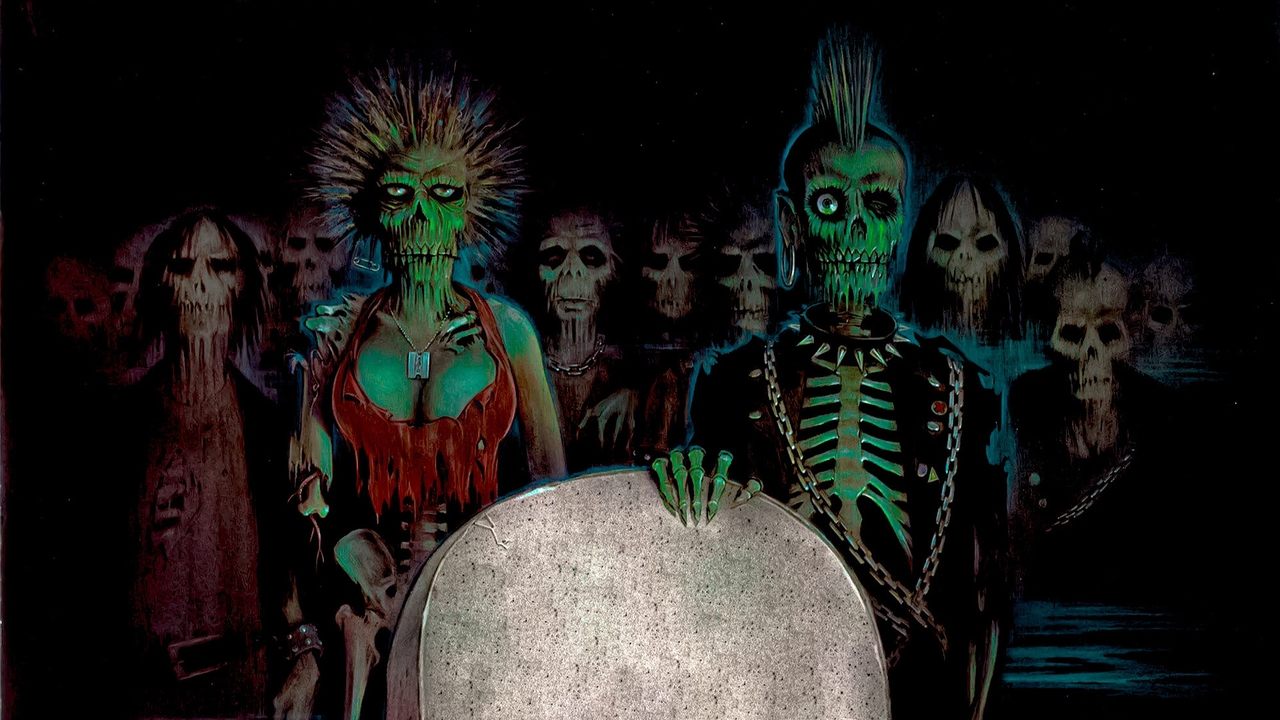
Meanwhile, Freddy's punk rock friends, including the iconic Trash (Linnea Quigley in a truly unforgettable performance) and Suicide (Mark Venturini), are waiting for him to finish his shift by partying in the adjacent Resurrection Cemetery. Talk about foreshadowing. The collision course between the warehouse crew trying desperately to contain their "problem" and the punks just trying to have a good time creates a brilliant pressure cooker of dark comedy and escalating terror.
### Gore, Goo, and Glorious Practical Effects
Let's talk about what made this movie leap off those fuzzy CRT screens: the effects. This is pure, unadulterated 80s practical magic. The zombies designed by Allan Trautman (who also performed as the iconic "Tarman") aren't just decaying bodies; they're grotesque, often unnervingly sentient creations. Remember the split dog pinned writhing to a board? Or the half-corpse strapped to a gurney, chillingly explaining why they eat brains ("It hurts to be dead!")? These weren't slick digital creations; they were tangible puppets, prosthetics, and makeup marvels that felt viscerally real.
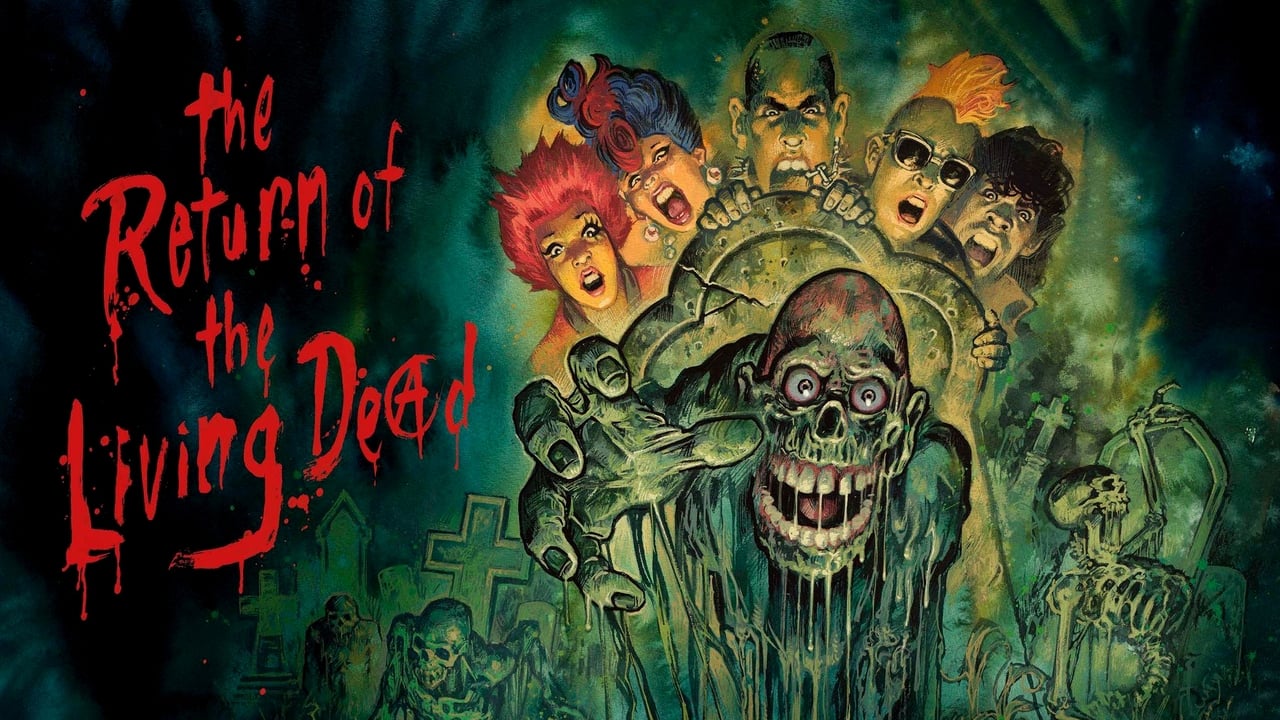
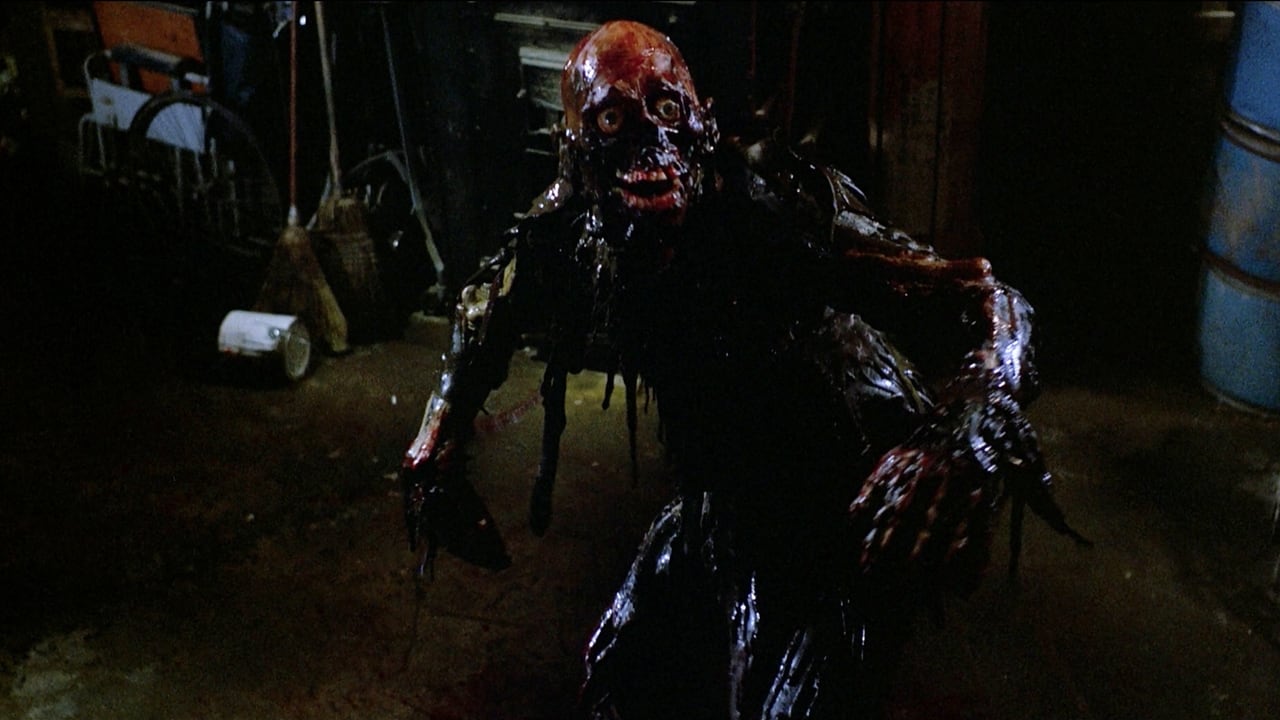
And then there's Tarman. Dripping, black, and relentlessly hungry, this basement-dwelling ghoul became an instant horror icon. The sheer logistical nightmare of achieving that look – keeping actor Allan Trautman coated in that sticky, probably uncomfortable goo (a concoction reportedly involving methocel and black dye) – is a testament to the dedication of the effects team. It’s messy, it’s physical, and it possesses a tactile horror that modern CGI often struggles to replicate. Even the simple bullet hits felt more impactful back then, didn't they? Raw squibs and practical gore just had a weight to them.
O'Bannon directs with a kinetic energy, seamlessly blending genuine scares with pitch-black humor. The scene where Frank and Freddy try to dismember and cremate their first reanimated corpse, only to have the toxic smoke cause acid rain that reanimates the entire cemetery, is a masterclass in escalating chaos. The cemetery sequence itself, shot under notoriously difficult conditions with constant artificial rain, feels apocalyptic, amplified by that killer punk soundtrack featuring bands like The Cramps, TSOL, and The Damned. It wasn't just background noise; it was the film's snarling heartbeat.
### More Brains! The Legacy of a Punk Rock Zombie Flick
Supporting players like the grizzled mortician Ernie Kaltenbrunner (Don Calfa, bringing a wonderfully weird, deadpan energy) and the pragmatic warehouse owner Burt Wilson (Clu Gulager, a genre veteran lending some gravitas) round out the ensemble perfectly. They’re not just cannon fodder; they react with a believable mix of panic, pragmatism, and gallows humor.
The Return of the Living Dead wasn't a massive blockbuster on its initial release (grossing around $14.2 million against a $4 million budget), but its influence was immediate and lasting. It carved out its own niche – the horror-comedy with a punk edge – and introduced concepts that would be borrowed (or stolen) by countless zombie films and games that followed. Its unique blend of humor, gore, and genuine nihilism struck a chord, cementing its status as a bona fide cult classic, the kind of tape you’d excitedly pass between friends. It spawned several sequels, though none quite captured the lightning-in-a-bottle energy of the original.
Rating: 9/10
This rating feels absolutely earned. The Return of the Living Dead is a near-perfect execution of its premise. The blend of genuine scares and dark humor is masterful, the practical effects are gloriously grotesque and inventive, the performances are memorable (especially Karen, Calfa, and Quigley), and the punk soundtrack provides an unforgettable pulse. It broke zombie rules with style and attitude, creating something fresh, funny, and genuinely unnerving that holds up remarkably well. The slightly chaotic pacing in the third act barely detracts from the overall high-energy ride.
Final Thought: More than just a zombie movie, it's a blast of pure 80s punk energy captured on celluloid – loud, messy, darkly funny, and still screaming for brains after all these years. Pop that tape in (or, you know, fire up the stream) – the party in the graveyard is eternal.