Okay, let's rewind the tape. Picture this: it’s late Friday night, the VCR hums reassuringly, and you've just slotted in a tape with a cover promising cops, guns, and... monsters? That glorious confusion, that sense of "what is this?" was part of the magic of stumbling upon something like 1988’s Dead Heat. This wasn't just another buddy cop movie; it was a gloriously unhinged cocktail of action, horror, and wisecracking comedy that felt like it could only have been cooked up in the gloriously excessive crucible of the 80s.
### Two Cops, One Pulse (Barely)
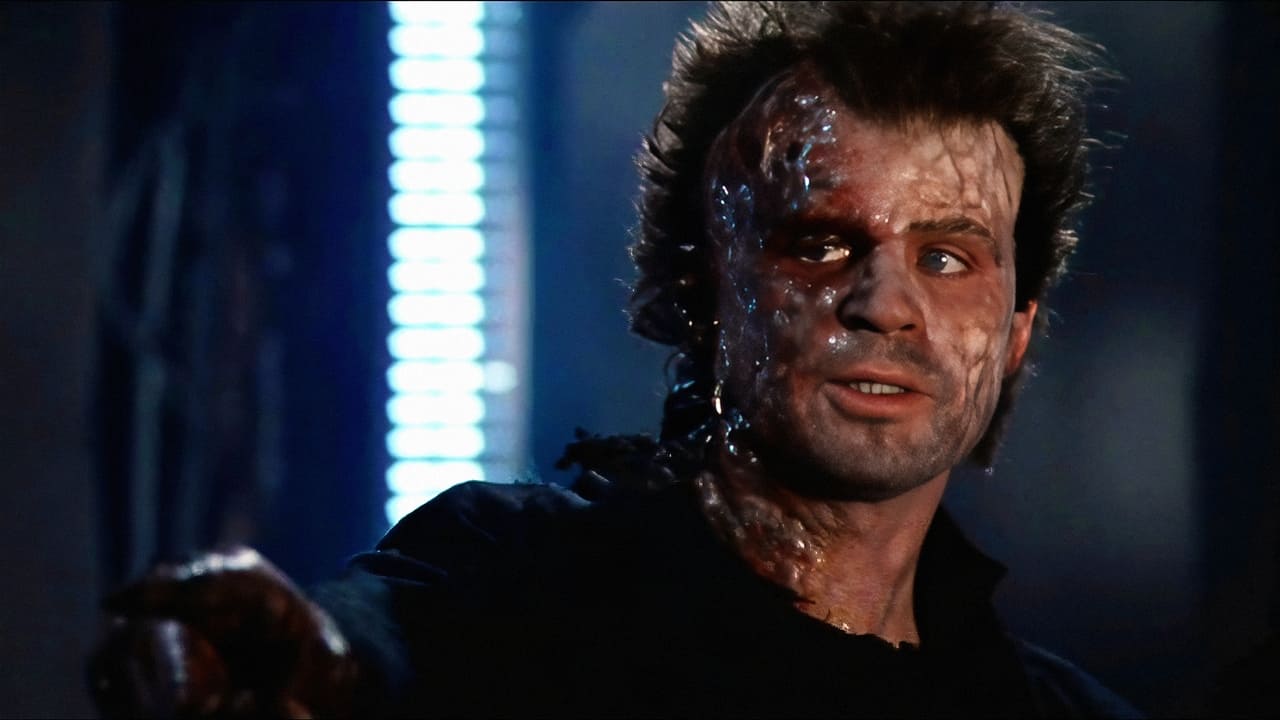
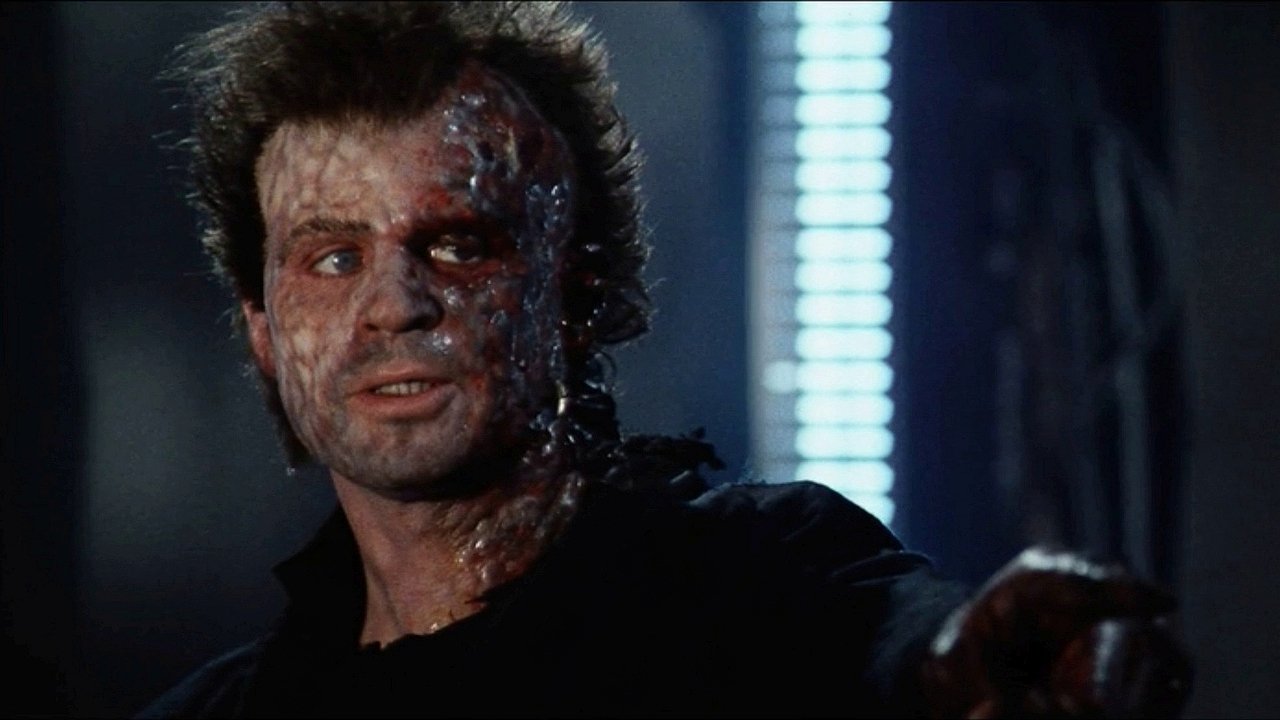
We're thrown right into the thick of it with Detectives Roger Mortis (Treat Williams) and Doug Bigelow (Joe Piscopo). Mortis is the relatively grounded one, while Bigelow... well, Bigelow is pure, uncut Joe Piscopo, fresh off his Saturday Night Live fame, delivering quips and flexing with relentless energy. They stumble onto a bizarre string of robberies committed by crooks who shrug off lethal bullet wounds. Turns out, these aren't your average thugs; they're reanimated corpses brought back by a mysterious scientific process. When Mortis himself gets killed investigating, his resourceful coroner girlfriend Rebecca (Lindsay Frost) uses the same resurrection machine on him. The catch? He only has about 12 hours before he decomposes into goo. Talk about a ticking clock! What follows is Mortis literally trying to solve his own murder before he melts. It's a premise so audacious you have to admire its sheer guts, penned by Terry Black, who somehow also wrote the screenplay for the comparatively grounded romantic dramedy About Last Night... (1986). Go figure!
### Kinetic Chaos and Creature Feature Mayhem
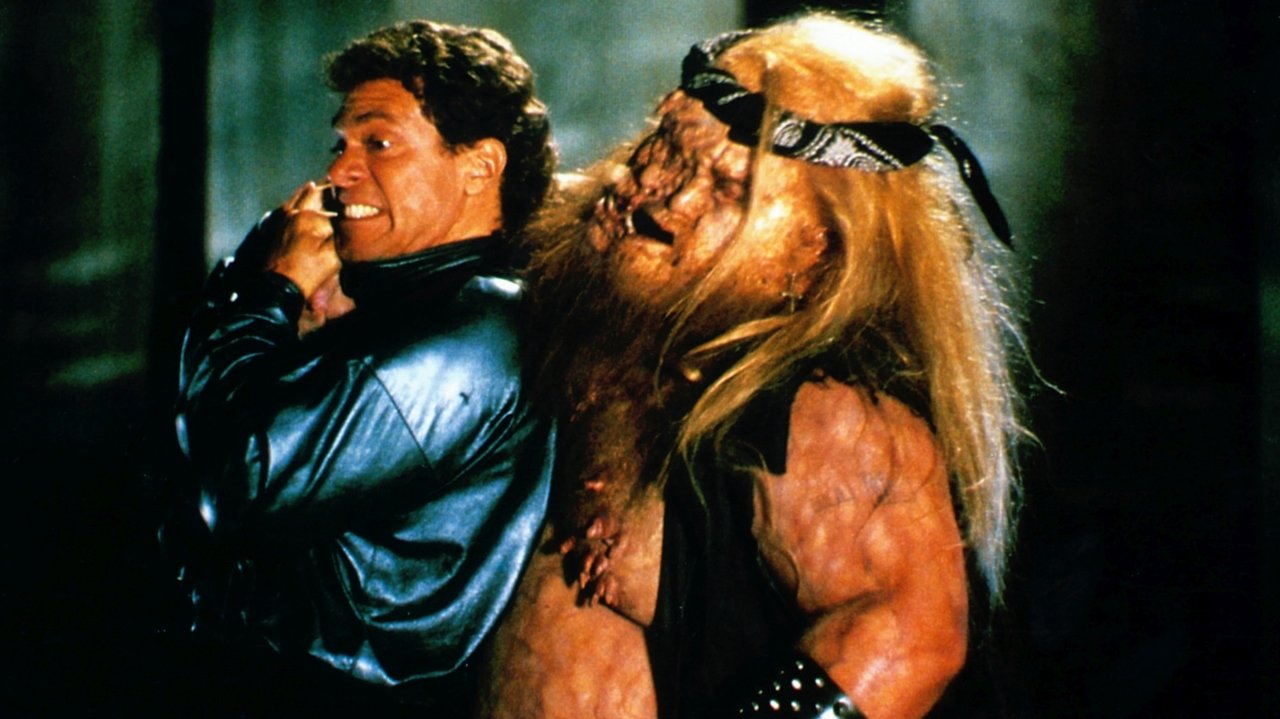
What truly elevates Dead Heat into prime VHS Heaven material is its commitment to bonkers practical effects and gritty action, overseen by a director who knew a thing or two about cutting action sequences. This was the feature directorial debut (alongside The Punisher the following year) for legendary editor Mark Goldblatt, whose razor-sharp cutting shaped iconic films like The Terminator (1984) and Commando (1985), and who would later cut titans like Terminator 2: Judgment Day (1991) and True Lies (1994). You can feel that editor's instinct here; the action scenes have a punchy, visceral quality, even if the overall film feels a bit chaotic.
And the effects! Oh, the glorious, gooey practical effects. Forget smooth CGI morphing; this is the era of latex, air bladders, and Karo syrup blood. The zombie makeups, courtesy of Steve Johnson's XFX (the wizards behind Ghostbusters and Fright Night), are suitably grotesque. But the showstopper? The infamous scene in the Chinese butcher shop. When Mortis and Bigelow confront resurrected animal carcasses – a plucked chicken, a side of beef, strung-up ducks – reanimating into monstrous forms, it’s a masterpiece of surreal, slimy practical puppetry. Remember how jaw-droppingly bizarre and tangible that sequence felt on a fuzzy CRT screen? It’s pure, unadulterated creature feature madness, the kind of sequence that probably cost a significant chunk of the film's modest $5 million budget and burned itself into the memory of anyone who rented this tape.
### An Odd Couple and a Horror Icon

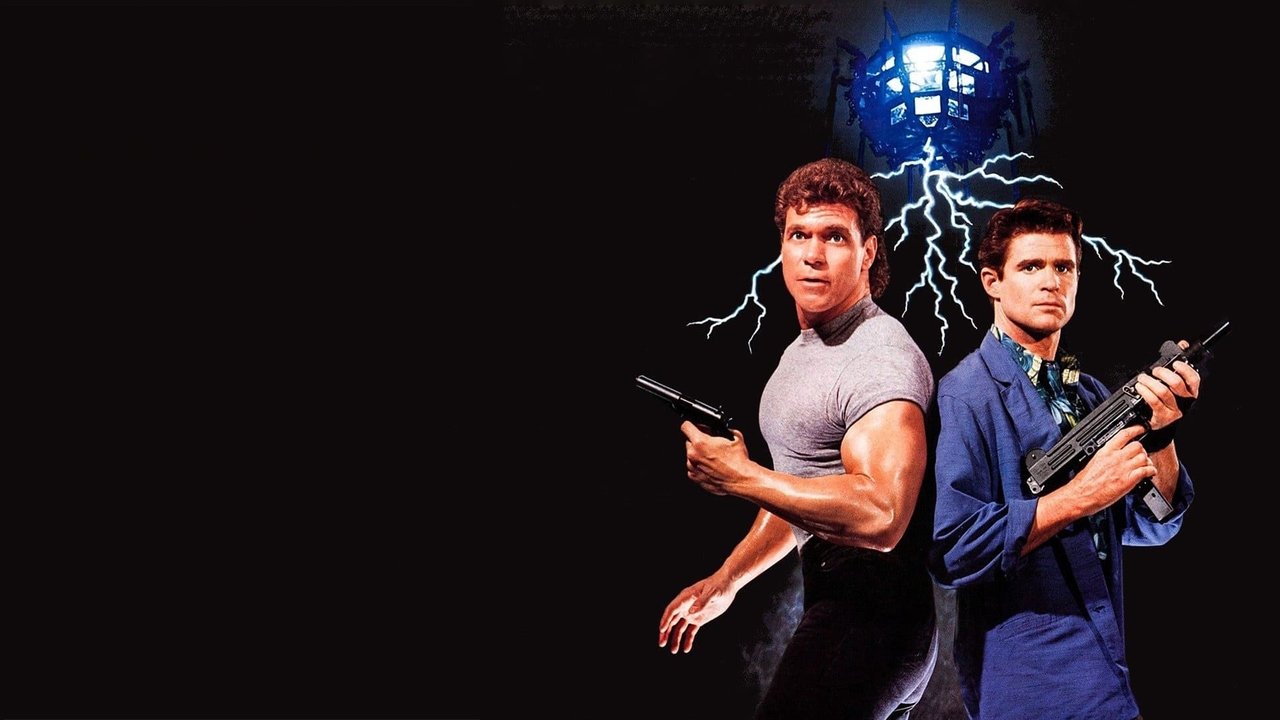
Treat Williams, always a reliable and charismatic actor often seen in more serious fare like Prince of the City (1981), brings a necessary weary credibility to Mortis's predicament. He plays the absurdity surprisingly straight, anchoring the film amidst the chaos. Then there's Piscopo. Your mileage may vary, but his relentless energy and sometimes groan-worthy one-liners are undeniably part of the film's bizarre charm. He’s a walking cartoon character dropped into a horror movie, and the clash is… something else. We also get solid support from Lindsay Frost and a fun turn from Darren McGavin (forever Kolchak to many of us!). But the cherry on top? A delightful, albeit small, role for the absolute legend Vincent Price as the villainous corporate mastermind Arthur P. Loudermilk. Seeing him deliver his lines with that silky menace, even in a film this goofy, is a treat. His presence lends a touch of classic horror elegance to the proceedings.
### From Box Office Bomb to Cult Fave
Let's be honest, Dead Heat didn't exactly set the box office on fire back in '88. Grossing under $4 million, it was a commercial flop and critics weren't particularly kind. But like so many films of its ilk, it found its true audience on home video. It became a staple of the "Action" and "Horror" aisles in video rental stores, passed around among friends with a knowing grin. It’s a movie that knows exactly what it is: loud, dumb, and incredibly fun. It throws everything at the wall – buddy cop tropes, zombie horror, mad science, even corporate satire – and somehow, mostly, makes it stick through sheer B-movie momentum.
The plot has holes you could drive a reanimated truck through, and the tone veers wildly, but that's part of the ride. It's a film fueled by adrenaline, practical gore, and Piscopo's sheer force of will. Did it redefine a genre? No. Did it launch a franchise? Definitely not. But did it provide a uniquely entertaining slice of 80s cinematic weirdness? Absolutely.
VHS Heaven Rating: 7/10
Justification: Dead Heat earns a solid 7 for its sheer audacity, memorable practical effects (especially that butcher shop!), energetic action, and the undeniable fun factor derived from its bizarre genre mashup. It's hampered by tonal inconsistency and some dated elements (Piscopo's shtick can be grating), but its cult status is well-deserved. It fully embraces its wild premise with infectious B-movie energy.
Final Thought: Forget slick modern hybrids; Dead Heat is a gloriously messy, high-octane blast from the past where cops cracked wise even after their hearts stopped beating, and the monsters felt satisfyingly real... and often ended up as splattered goo. A must-see for connoisseurs of 80s action weirdness.