It arrives sometimes like a half-remembered dream, doesn't it? That swelling music, the crack of the bat under stadium lights, the almost painterly quality of the images. Watching The Natural (1984) again after all these years feels less like revisiting a movie and more like tapping into a vein of pure American myth. It’s a film that uses baseball not just as a sport, but as a grand stage for exploring themes of destiny, regret, and the elusive nature of second chances. It stands apart from the grittier sports films that would follow, bathed in a golden, almost ethereal glow that feels perfectly suited to the era of hopeful blockbusters, yet possessing a depth that lingers long after the triumphant final moments.
### A Legend Walks Out of the Shadows
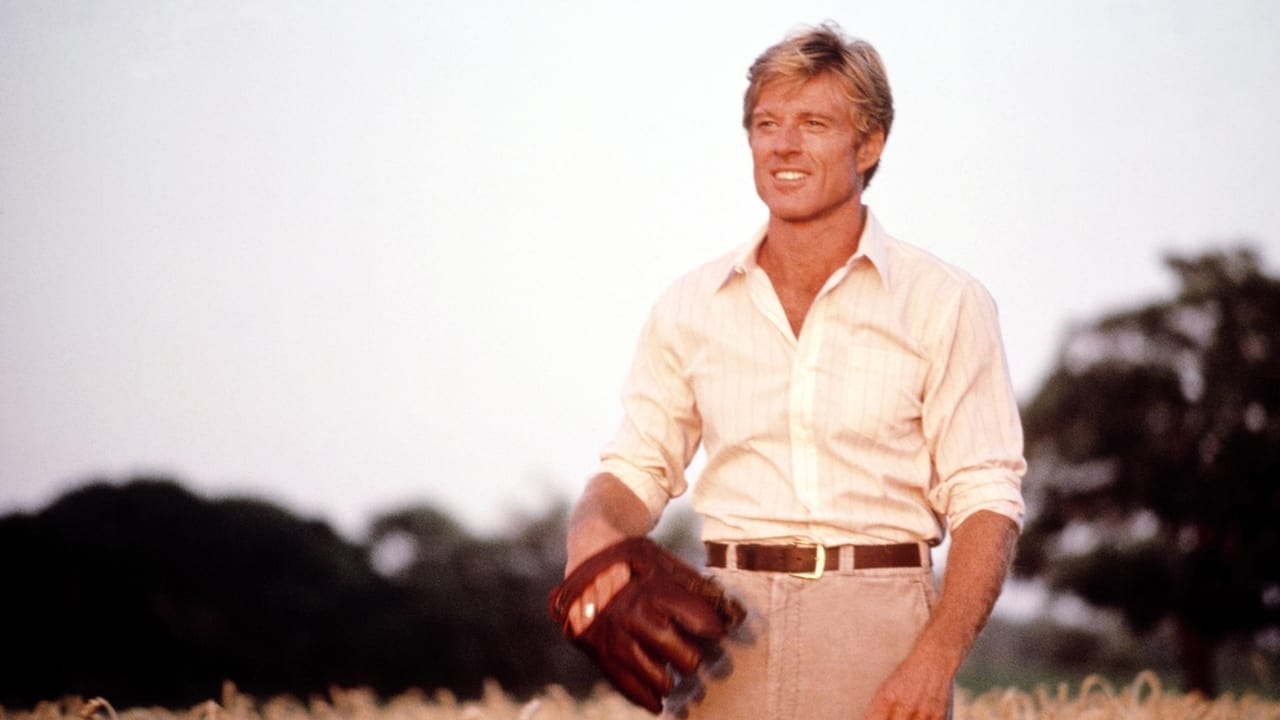
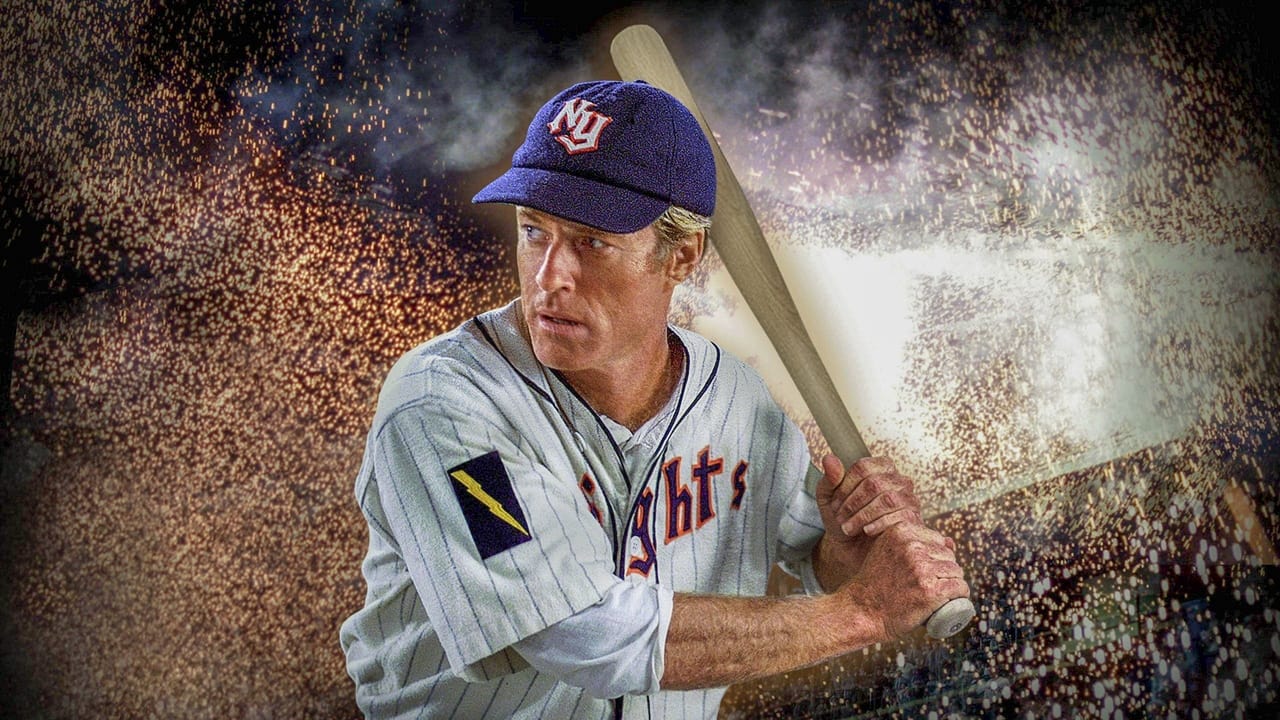
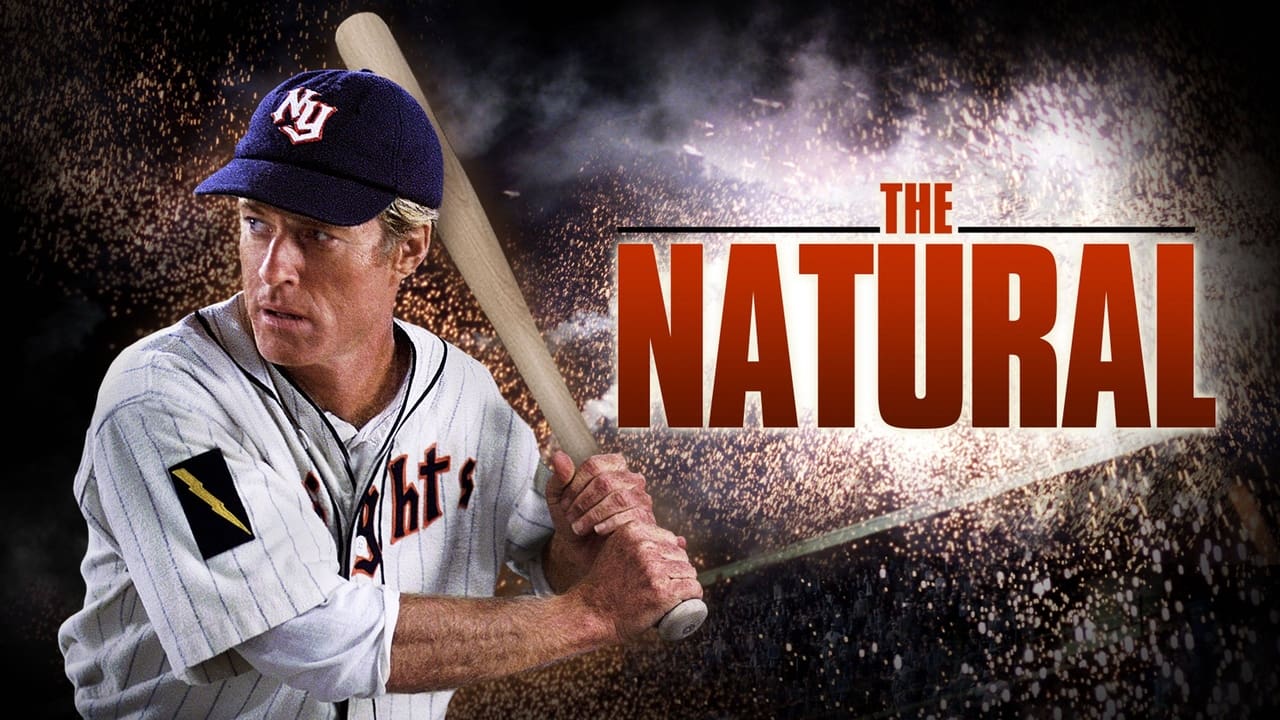
At the heart of it all is Roy Hobbs, played with an enduring, sun-bleached charisma by Robert Redford. When we first meet Hobbs, he’s a young phenom, pure potential carved from the American heartland, his destiny seemingly etched by a lightning strike that gifts him his legendary bat, "Wonderboy." But fate, as it often does in these grand narratives, intervenes cruelly. A mysterious woman, a gunshot, and Hobbs vanishes into obscurity for sixteen years. His reappearance as a middle-aged rookie for the struggling New York Knights is the film's central miracle. Redford, who was nearing 50 himself during filming, masterfully embodies the weight of those lost years. There's a quiet sadness in his eyes, a physical manifestation of talent deferred and dreams derailed. He doesn't just play a baseball player; he plays a man haunted by the ghost of who he might have been, making his eventual on-field heroics feel less like athletic prowess and more like a desperate grasp at redemption.
It's fascinating to recall that the source material, Bernard Malamud's 1952 novel, offers a far bleaker, more cynical take on Hobbs's journey. Director Barry Levinson, known for character-driven works like Diner (1982), along with screenwriters Roger Towne and Phil Dusenberry, made a conscious decision to steer the film towards legend. They opted for uplift, for the kind of cinematic mythmaking that resonated deeply in the mid-80s. While some critics at the time, and readers of the novel, lamented the softened edges and the famously altered ending, it’s this very quality that cemented The Natural in the collective memory as a feel-good classic. It chose hope over despair, legend over realism.
### A Tapestry of Americana
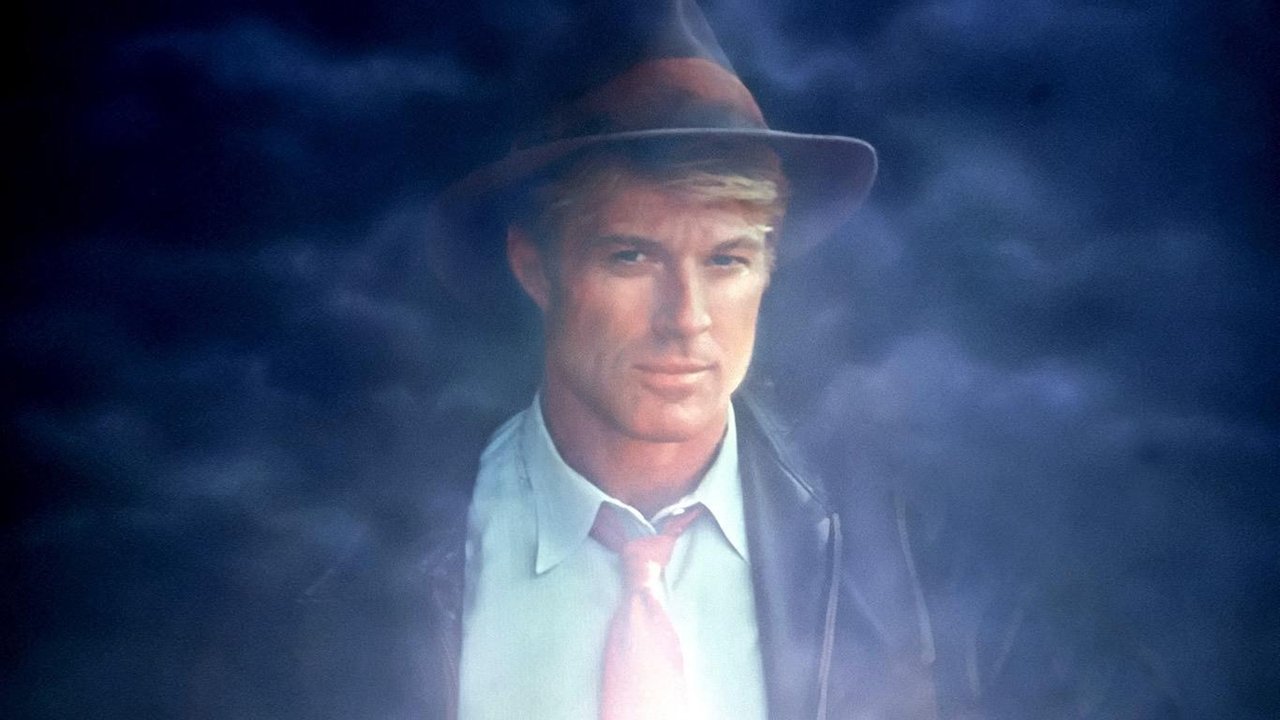
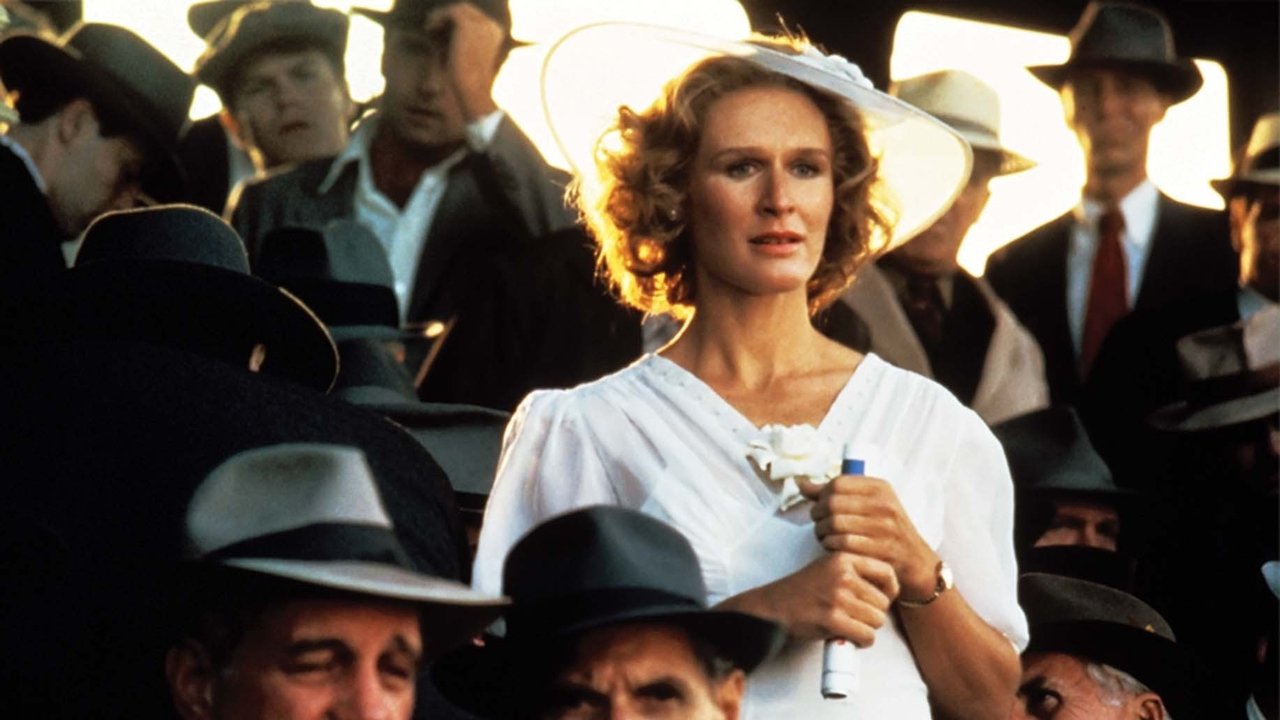
Surrounding Redford is a truly remarkable ensemble cast, each bringing nuance to their archetypal roles. Glenn Close, as Roy’s childhood sweetheart Iris Gaines, radiates a quiet strength and deep-seated decency. She represents the past Hobbs lost and the possibility of a grounded future. Her scenes with Redford, particularly the one framed against the sunlit wheat fields, possess a timeless, Rockwellian quality. In stark contrast is Kim Basinger as Memo Paris, the niece of manager Pop Fisher (Wilford Brimley, radiating weary integrity) and the embodiment of dangerous temptation. Basinger, fresh off her Bond girl role in Never Say Never Again (1983), brings a fragile allure to Memo, making her more than just a simple femme fatale.
And then there’s Robert Duvall as Max Mercy, the cynical sportswriter chasing the ghost of Hobbs's past. Duvall plays Mercy not as an outright villain, but as a man driven by the story, perhaps reflecting the media's often-parasitic relationship with fame. Even smaller roles resonate, like Richard Farnsworth as Red Blow and the aforementioned Wilford Brimley, whose heartfelt plea for Hobbs to "win one for Pop" lands with genuine emotion. It’s a testament to Levinson’s direction that these characters feel like fully realized individuals within this larger-than-life fable.
### Crafting the Myth
Visually, The Natural is simply stunning. Cinematographer Caleb Deschanel bathes the film in a warm, nostalgic light, often employing slow-motion to heighten the drama and lend the baseball sequences an almost balletic grace. The production design perfectly captures both the period detail and the film's mythic undertones. Buffalo, New York's War Memorial Stadium stood in beautifully for the fictional Knights Field, providing an authentic backdrop. Remember those exploding lights during Hobbs's climactic home run? Achieving that iconic effect involved packing the stadium light stanchions with explosive charges, a practical effect marvel that delivered one of cinema's most electrifying moments. It reportedly took several takes and precise timing to get right, a far cry from today's CGI solutions, and all the more impressive for it.
But perhaps the most crucial element in forging the film's legendary status is Randy Newman's score. It’s impossible to imagine The Natural without it. That soaring, instantly recognizable theme elevates every triumph, deepens every moment of reflection, and transforms a sports story into something approaching pure Americana opera. It's one of those scores that became synonymous with heroism and perseverance, frequently borrowed (often without credit!) for countless highlight reels and inspirational montages ever since. Apparently, Newman composed the main theme relatively quickly, capturing the film's essence with inspired immediacy. Its enduring power speaks volumes about its perfect marriage to the film's visuals and themes.
### More Than Just a Game
What stays with you after watching The Natural? Is it the sheer spectacle of the baseball moments, captured with such reverence? Is it Redford's embodiment of quiet heroism? Or is it the film's underlying belief in the possibility of a second act, even when all seems lost? It taps into that distinctly American yearning for redemption, for the chance to overcome past mistakes and fulfill one's potential, however late in the game. It cost roughly $28 million to make back in '84 and pulled in around $48 million domestically – a respectable showing, but its true success lies in the decades since, where it's become a beloved staple, a VHS tape many of us wore out.
It reminds me of renting this from the local video store, the hefty tape promising an afternoon of epic drama. There was a sincerity to films like this in the 80s, an earnestness that feels both nostalgic and refreshing today. The Natural isn’t interested in deconstruction or gritty realism; it aims squarely for the heart, for that lump in your throat as Hobbs rounds the bases under a shower of sparks. Does it sand down the rough edges of its source material? Absolutely. But in doing so, it crafts a powerful cinematic myth that continues to resonate.
---
Rating: 8.5/10
The score reflects the film's masterful execution of its mythic ambition. While the deviation from the novel's darker themes might detract for some purists, the film succeeds powerfully on its own terms. Stellar performances, particularly from Redford and Close, breathtaking cinematography, Levinson's assured direction, and Newman's unforgettable score combine to create a truly moving and iconic piece of 80s cinema. It earns its place as a classic through sheer heart and impeccable craft.
Final Thought: The Natural remains a potent reminder that sometimes, the most powerful stories aren't the ones that reflect reality, but the ones that dare to dream beyond it. It's a film that feels like catching lightning in a bottle – or perhaps, catching it in a baseball bat.