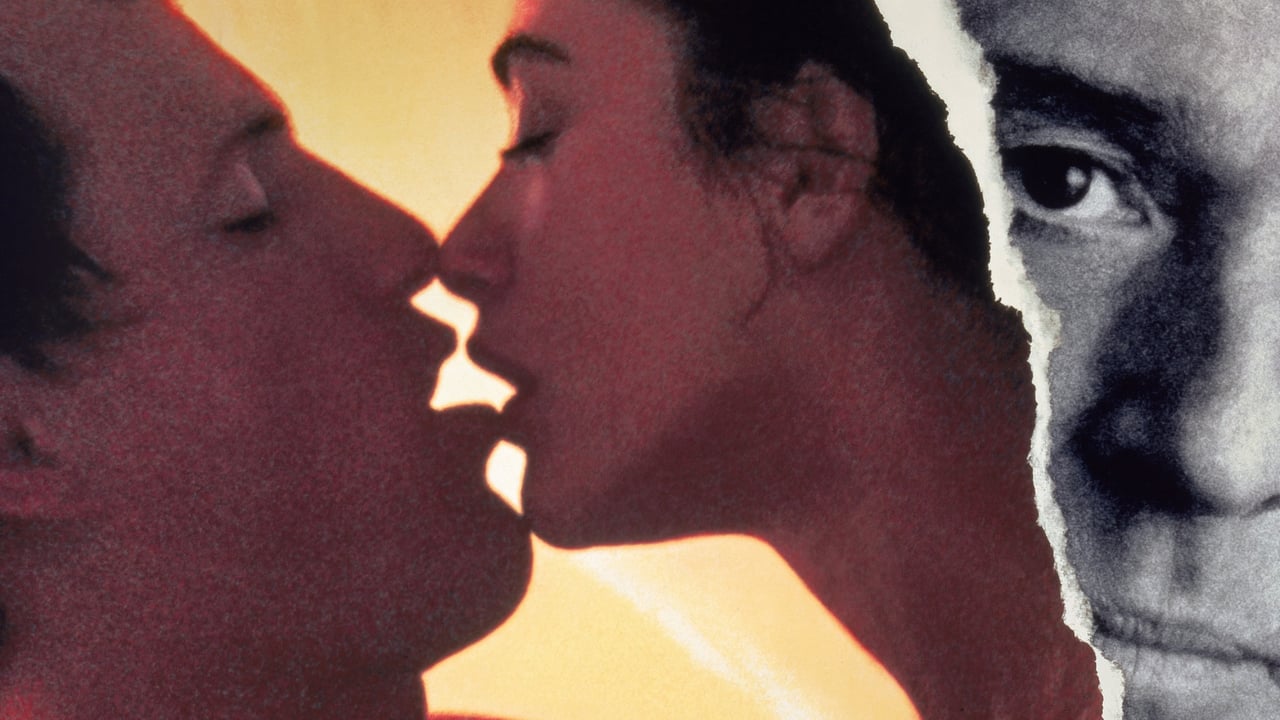
It wasn't just a movie pitch; it felt like a dare thrown directly at the audience, a moral Molotov cocktail lobbed into the comfortable living rooms of 1993. One million dollars. One night. Could your love survive it? That's the deceptively simple, yet endlessly complex question at the heart of Adrian Lyne's Indecent Proposal, a film that landed with the gloss of a high-end magazine shoot but carried the emotional weight of a ticking time bomb. Slipping that tape into the VCR back then felt like accessing something illicit, a conversation starter guaranteed to provoke debate long after the credits rolled.
The Gilded Cage
We meet David (Woody Harrelson) and Diana Murphy (Demi Moore), childhood sweethearts whose architectural dreams are crumbling under the weight of recessionary reality. They're deeply in love, the kind of easy, lived-in affection that feels instantly authentic thanks to the palpable chemistry between Harrelson and Moore. Facing foreclosure, they make a desperate gamble in Las Vegas, hoping for a miracle. Instead, they find John Gage (Robert Redford), a billionaire accustomed to getting exactly what he desires. Lyne, never one to shy away from visual opulence (think Fatal Attraction or Flashdance), frames Vegas and Gage's world with a seductive sheen – all sharp suits, penthouse views, and the cold clink of ice in expensive whiskey. It's a world utterly alien to the Murphys, making Gage's offer feel less like a business transaction and more like an invasion from another planet.
What Price Love?
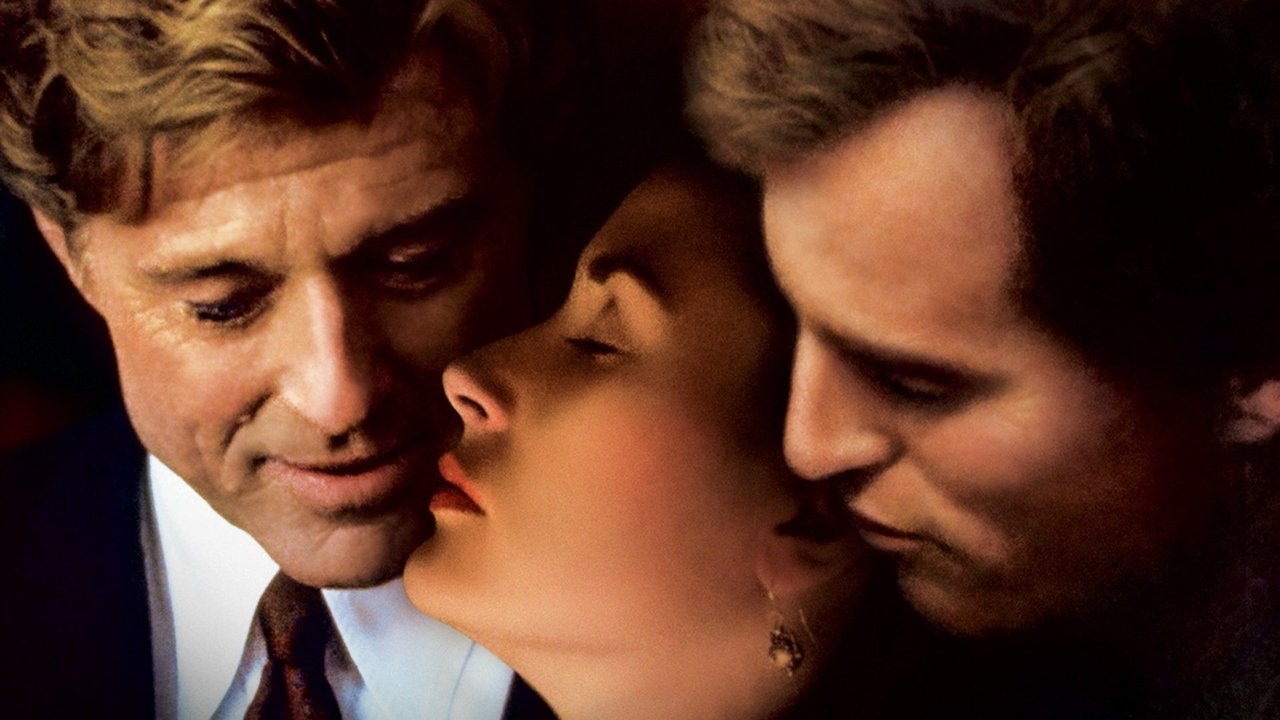
The film hinges entirely on the titular proposal. It’s a moment handled with surprising gravity. The camera lingers on Moore’s face, capturing the storm of disbelief, temptation, and violation swirling within Diana. Harrelson, often known for his comedic timing, taps into a raw vulnerability here, showcasing David's wounded pride and the gnawing fear beneath the surface. This isn't just about money; it's about power dynamics, the inherent imbalance when vast wealth meets desperate need. Does Gage even see them as people, or just acquisitions? The film forces us, alongside David and Diana, to confront uncomfortable truths about what we value and what, perhaps, has a price tag we never thought possible.
Star Power Under the Spotlight
The casting here was crucial. Demi Moore, then at the peak of her stardom following Ghost and A Few Good Men, embodies Diana's struggle beautifully. She projects strength even in vulnerability, making you believe both her initial resistance and the eventual, painful acceptance. Woody Harrelson provides the relatable anchor, the everyman caught in an impossible situation. His anguish feels genuine, his jealousy understandable, even if his later actions become frustrating.
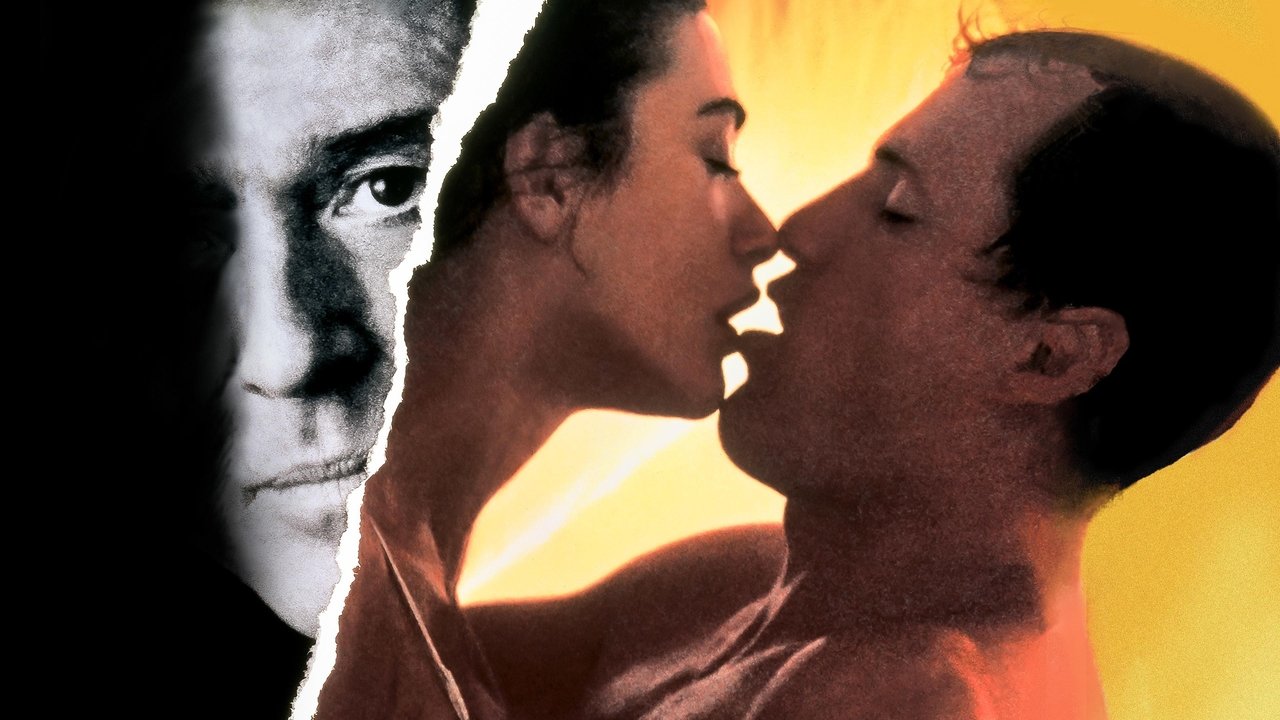
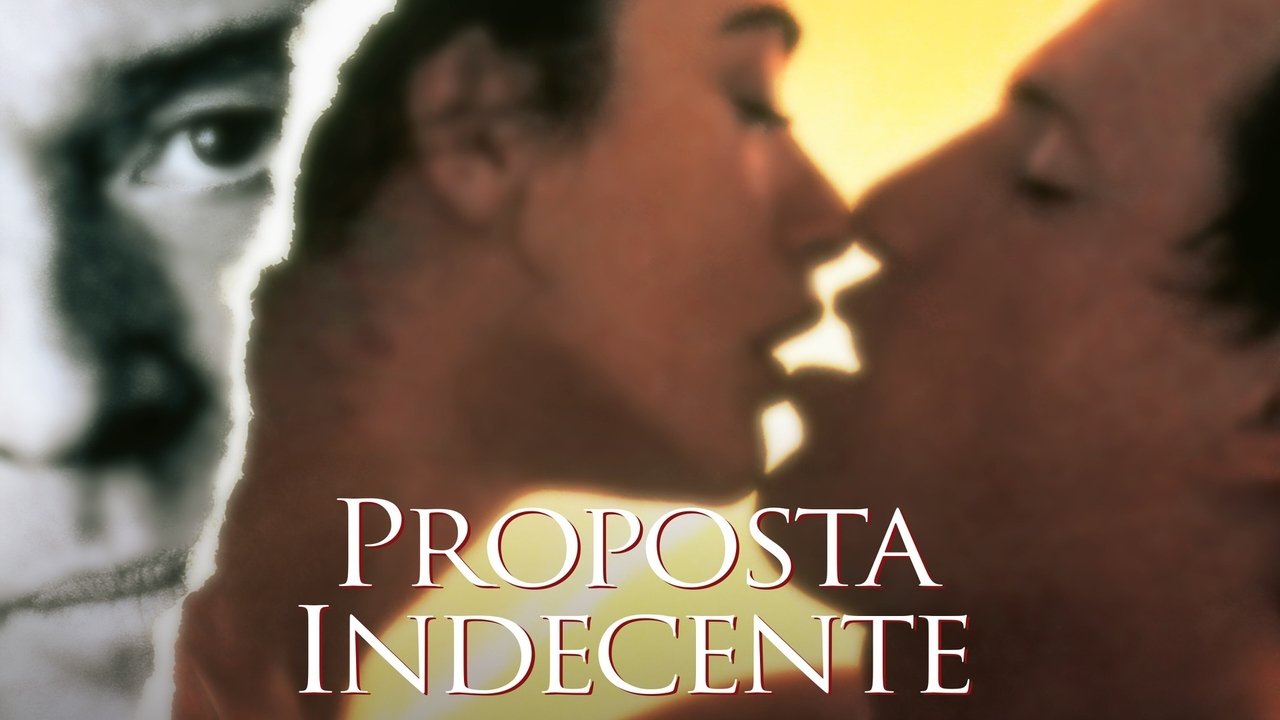
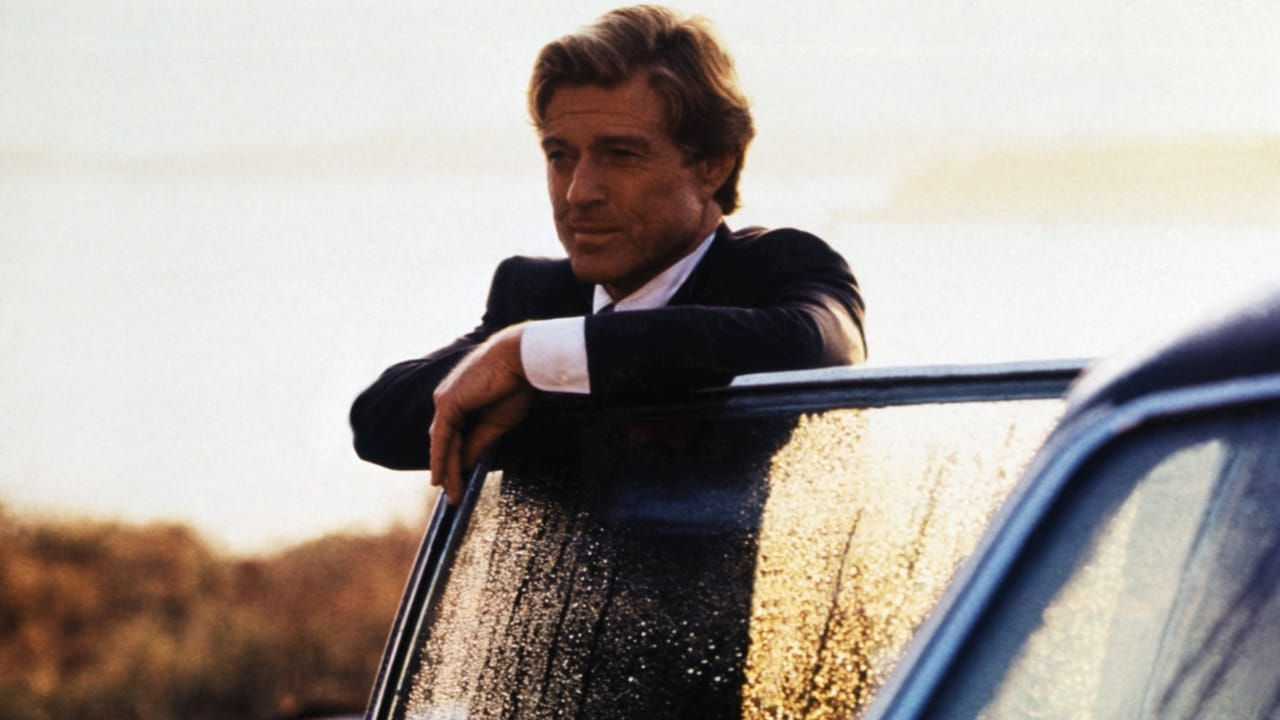
And then there's Robert Redford. Casting the Sundance Kid himself as the ethically ambiguous billionaire was a masterstroke. Redford leans into his legendary charisma, but there's an unnerving stillness beneath the charm. He plays Gage not as a moustache-twirling villain, but as a man operating by a different set of rules, perhaps lonely, perhaps simply unable to comprehend refusal. Reportedly, Redford himself had reservations about the character's morality and pushed for script changes to add layers beyond simple predation, a nuance that arguably makes Gage even more unsettling. It's a performance that uses his iconic status to unsettling effect.
Behind the Gloss: Retro Fun Facts
Indecent Proposal wasn't just a movie; it was a phenomenon. Produced on a $38 million budget (around $80 million today), it became a global sensation, raking in over $266 million (a staggering $560 million+ adjusted for inflation). This massive success flew in the face of decidedly mixed critical reviews. The legendary Siskel & Ebert famously split, with Siskel giving it a thumbs up and Ebert a firm thumbs down, mirroring the audience divide. Many critics dismissed it as slick and shallow, a prime example of the "high concept" filmmaking prevalent in the 90s, yet audiences flocked to it.
The script, penned by Amy Holden Jones (adapting Jack Engelhard's darker novel, which had a different ethnic focus for the couple), apparently underwent studio tinkering. Jones has mentioned her original vision perhaps made Diana a more active participant in the decision, a potentially more complex and challenging route than the finished film took. Casting rumors swirled, too – names like Warren Beatty, Tom Cruise, Nicole Kidman, and Julia Roberts were reportedly considered for the main roles before the final iconic trio was locked in. The film's instantly recognizable score by veteran composer John Barry (James Bond, Dances With Wolves) perfectly complements the seductive, slightly melancholic atmosphere. And who could forget that tagline? "A husband. A wife. A billionaire. A proposal." Pure 90s marketing gold.
The Lingering Echo
Does Indecent Proposal hold up? Visually, absolutely. Lyne’s style is distinct and evocative of its era. The central performances remain strong, particularly Moore navigating Diana's impossible choice. But the film's exploration of its thorny premise can feel frustratingly tentative at times. It raises profound questions about love, trust, security, and the corrosive power of money, but occasionally shies away from the truly messy consequences, opting for a more conventional romantic drama trajectory in its latter half.
Yet, its power as a conversation piece is undeniable. Watching it again, I was struck by how effectively it tapped into anxieties about economic insecurity and the allure of the seemingly perfect life, themes that still resonate today. It doesn’t offer easy answers, and perhaps that’s its enduring strength. It presents a moral quandary designed to be debated, a cinematic thought experiment wrapped in Hollywood gloss. My own well-worn VHS copy saw plenty of play back in the day, sparking arguments that lasted long after the tape needed rewinding.
Rating: 6/10
Justification: While undeniably slick, well-acted, and built around a compelling, provocative premise that guarantees discussion, Indecent Proposal ultimately pulls some of its punches. The strong performances from Moore, Harrelson, and Redford, coupled with Adrian Lyne’s signature visual style and its status as a major 90s cultural touchstone, make it essential viewing for fans of the era. However, its somewhat hesitant exploration of the deeper moral complexities and a slightly conventional third act prevent it from reaching true classic status. It's a film that promises a deep dive into the murky waters of morality but ultimately prefers to wade in the shallows.
It remains a fascinating artifact of its time – a glossy, controversial blockbuster that asked a question many were afraid to answer, ensuring its place in the annals of unforgettable (and highly debatable) 90s cinema. What lingers most isn't the resolution, but the uncomfortable weight of the question itself.