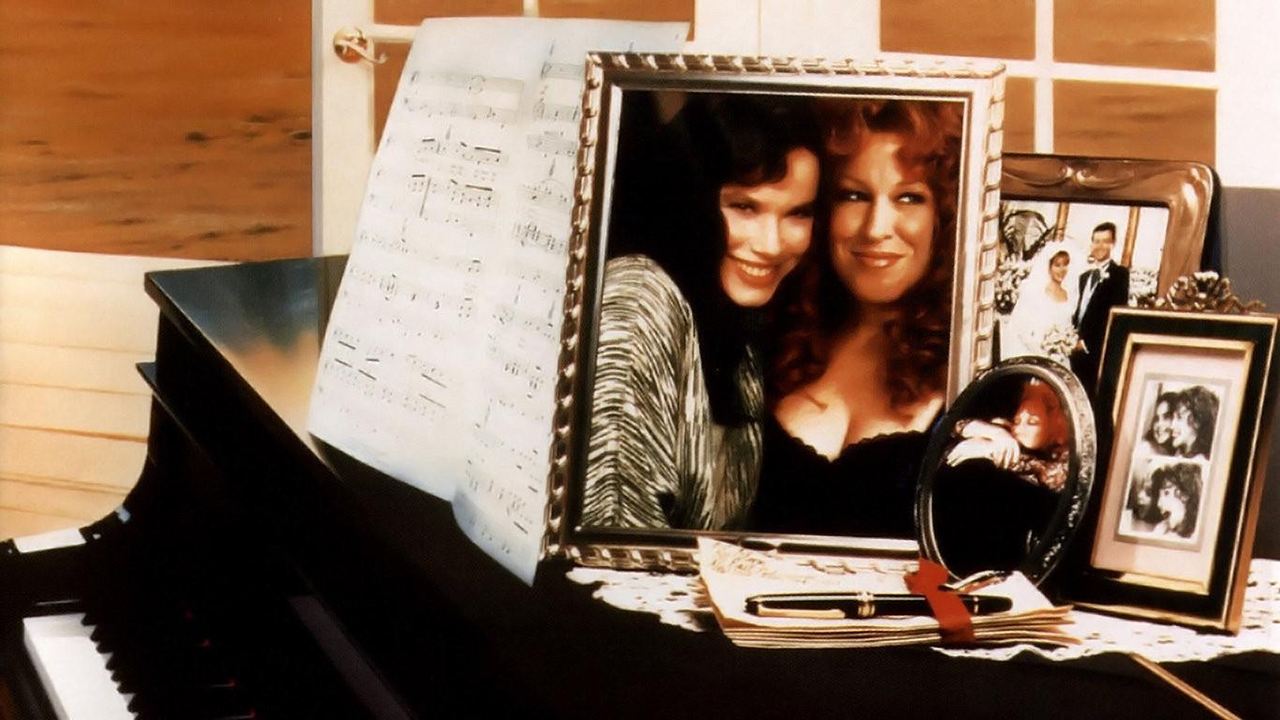
It’s a curious thing, isn't it, how some cinematic friendships lodge themselves in our hearts, feeling almost as real and complex as our own? Few connections captured on film in the late 80s burrowed quite so deep, or provoked such a reliable wellspring of emotion, as the bond between C.C. Bloom and Hillary Whitney in Beaches. Watching it again now, decades after first sliding that well-worn cassette into the VCR, the film remains a potent, if undeniably sentimental, exploration of what it means to have that one person who knows you completely, flaws and all, across the span of a lifetime.
### From Seaside Sparks to Lifelong Ties
The film, directed by Garry Marshall – a filmmaker more often associated with buoyant comedies like Pretty Woman – opens with that now-iconic meeting beneath the Atlantic City boardwalk. It’s here we encounter the two souls who will orbit each other for the next thirty years: the brash, attention-seeking child performer C.C. (played with uncanny energy by Mayim Bialik in her early scenes, before Bette Midler takes the reins) and the reserved, privileged Hillary (Marcie Leeds, then the quietly luminous Barbara Hershey). Their differences are stark, yet an immediate, inexplicable connection is forged. Based on the novel by Iris Rainer Dart, the screenplay by Mary Agnes Donoghue smartly establishes this foundational contrast, setting the stage for a friendship defined as much by its clashes as its comforts.
What unfolds is less a conventional plot and more a series of life chapters, viewed through the lens of this enduring, often turbulent friendship. We follow C.C.'s relentless pursuit of stardom, from smoky lounges to Broadway triumphs, and Hillary's journey through law school, marriage, motherhood, and quiet dissatisfactions. Their paths diverge and reconverge, marked by jealousy, misunderstandings, fierce loyalty, and shared joy. It’s a testament to the screenplay and the lead performances that even when the narrative leans into coincidence or heightened drama, the core relationship feels fundamentally true.
### The Power of Performance
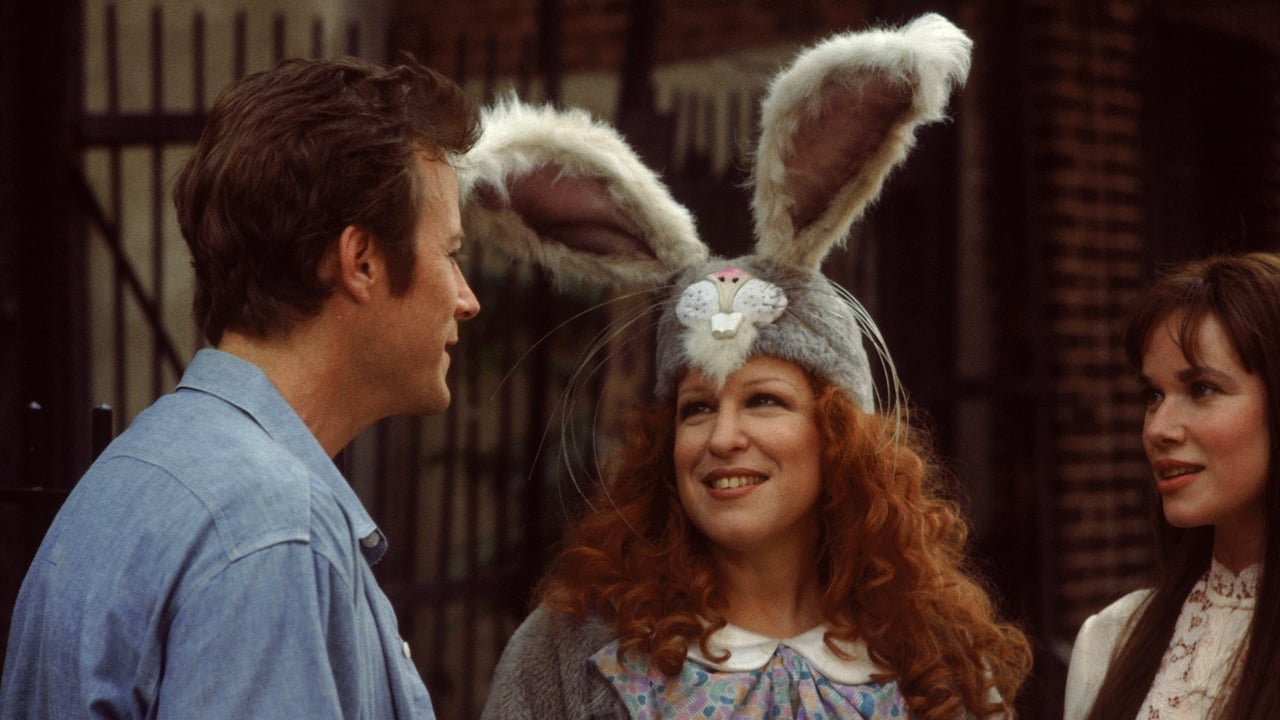
Bette Midler is C.C. Bloom. It’s a role that perfectly harnesses her formidable talents – the powerhouse vocals, the sharp comedic timing, the vulnerability often masked by bravado. Midler doesn’t shy away from C.C.’s abrasive edges or her deep-seated insecurities. It’s a performance brimming with life, messy and magnetic. Watching her belt out numbers or navigate C.C.'s often self-sabotaging ambition feels utterly authentic to the character crafted. It's hard to imagine anyone else embodying that specific blend of talent and turmoil. Reportedly, Midler felt a strong personal connection to C.C.'s journey as an entertainer, which surely infused the role with extra layers of lived experience.
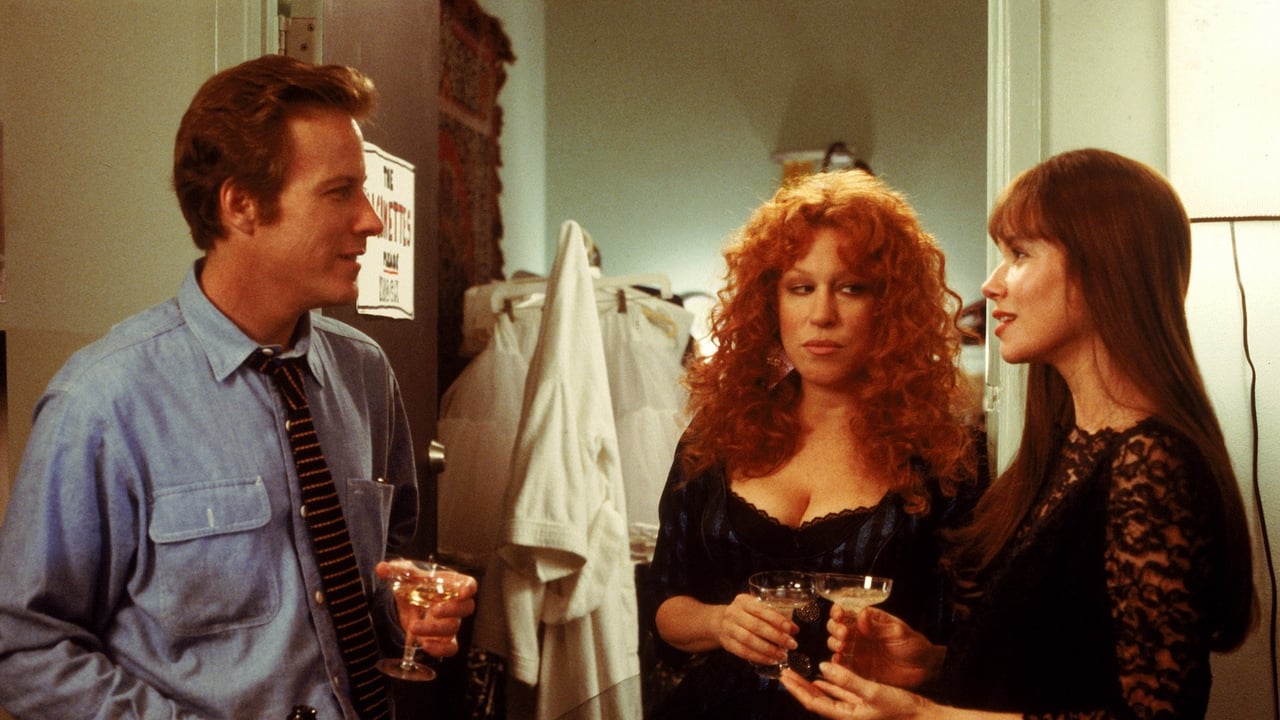
Counterbalancing Midler's fireworks is Barbara Hershey as Hillary. Hershey delivers a performance of remarkable subtlety and grace. Hillary could easily fade into the background against C.C.'s Technicolor personality, but Hershey imbues her with a quiet strength, intelligence, and deep emotional reservoir. Her portrayal of Hillary's poise, her hidden pains, and her unwavering devotion to C.C. – even when tested – provides the crucial anchor for the film's emotional weight. The chemistry between the two leads is palpable; you believe in their shared history, their shorthand, the way they can wound and heal each other with equal precision. John Heard, too, offers solid support as John Pierce, the theatre director caught between them, adding another layer to their complex dynamic.
### Capturing the Feeling
Garry Marshall guides the film with a steady, if perhaps not overly inventive, hand. While known for lighter fare, he demonstrates a clear affection for his characters and allows the emotional moments the space they need to land. The film effectively uses its locations – the nostalgic boardwalk, the bustling streets of New York, the sun-drenched beaches of California – to chart the passage of time and the changing fortunes of its protagonists. One interesting production tidbit is how the film crew actually had to recreate parts of the 1950s Atlantic City boardwalk environment, as much of the original structure had changed or fallen into disrepair by the late 80s, showcasing a commitment to evoking that specific nostalgic starting point.
And then, of course, there’s the music. You simply cannot discuss Beaches without mentioning "Wind Beneath My Wings." While the song existed before the film (recorded by artists like Roger Whittaker and Sheena Easton), Bette Midler’s rendition became definitive, soaring to #1 on the Billboard charts and winning Grammys for Record and Song of the Year. Its placement in the film is strategic, arriving at a moment of profound emotional significance, and its impact was – and remains – undeniable. It became an anthem, inextricably linked to the film's themes of love, support, and loss, securing Beaches a permanent place in pop culture memory. The entire soundtrack, featuring several other Midler performances, effectively complements the narrative's emotional beats.
### A Legacy of Tears and Truth
Let’s be honest: Beaches is designed to make you cry. It pulls shamelessly at the heartstrings, particularly in its final act. Critics at the time were somewhat divided, with some finding it overly manipulative or sentimental (it holds a 43% critic score on Rotten Tomatoes, a stark contrast to its much higher audience score). Yet, its enduring popularity, especially during the VHS boom where countless tapes were tear-stained by repeat viewings, speaks volumes. Why? Perhaps because, beneath the melodrama, it touches on universal truths about the enduring power of female friendship, the pain of loss, the complexities of loving someone despite their flaws, and the bittersweet passage of time. It acknowledges that deep, lifelong connections are rarely simple or smooth, but they are profoundly formative. The film cost around $20 million to make and earned over $57 million domestically ($135 million adjusted for inflation), proving its resonance with audiences seeking that potent emotional catharsis.
It poses questions that linger: How do we sustain friendships across decades of change? What does true loyalty look like when faced with selfishness or distance? And how do we carry the memory of those who shape us most profoundly?

Rating: 7/10
This rating reflects the film's undeniable emotional power and the strength of its central performances, particularly Midler and Hershey's chemistry, which elevate the material significantly. It avoids a higher score due to its sometimes heavy-handed sentimentality and somewhat episodic structure, which can feel predictable. However, its ability to connect with audiences on such a deeply personal level, especially regarding themes of enduring friendship and loss, makes it a memorable and significant film of its era.
Beaches remains a potent cocktail of laughter, tears, and powerhouse performance. It's a film that reminds us, sometimes with a gentle nudge, sometimes with a full-blown emotional wallop, that the connections we forge can be the most defining landmarks of our lives, enduring long after the credits roll.