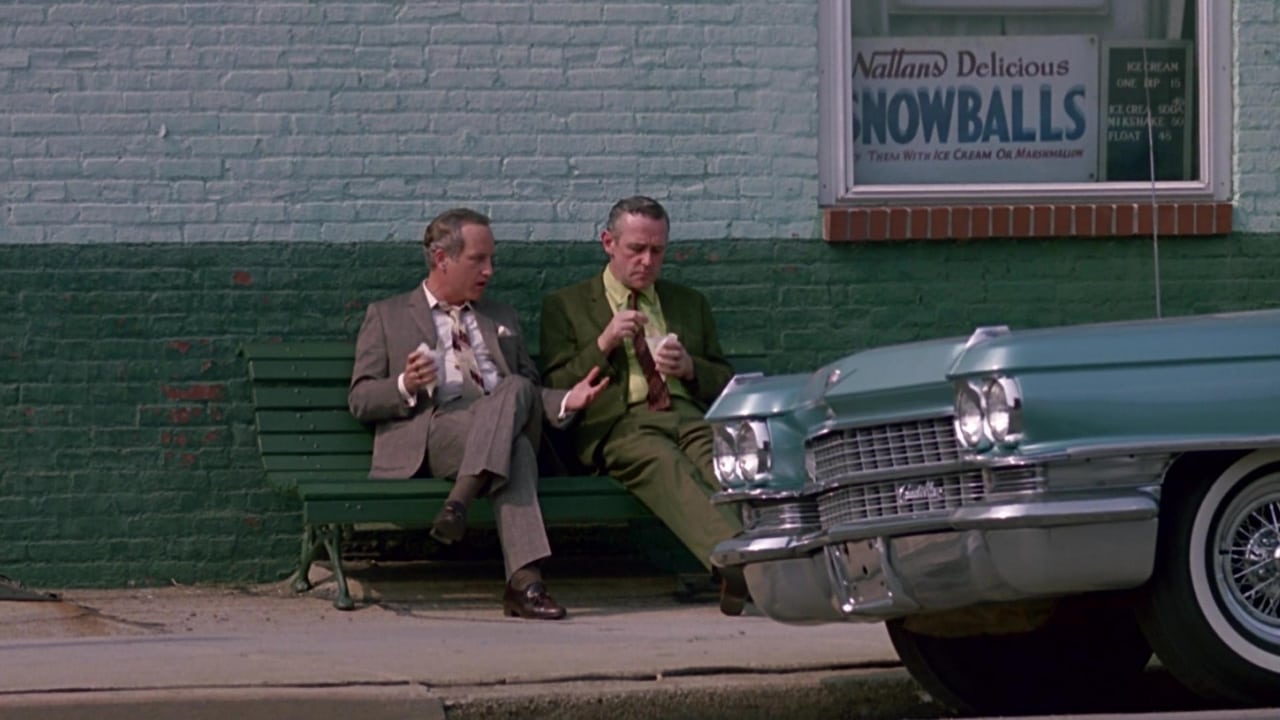
There's a particular kind of melancholy that hangs in the air of Barry Levinson's Baltimore, isn't there? It drifts through the steam of diner coffee, settles in the worn upholstery of a Cadillac, and clings to the fast-talking salesmen desperately trying to outrun obsolescence. Watching Tin Men (1987) again feels like stepping back into that specific atmosphere – a world rendered with such affectionate detail, it feels less like a movie set and more like a half-remembered Tuesday afternoon from 1963.
The Art of the Hustle
At its heart, Tin Men is about rivalry. Richard Dreyfuss, riding high from 80s hits like Stakeout (1987), plays Bill "BB" Babowsky, a smooth operator in the aluminum siding game. Danny DeVito, already a household name from Taxi and films like Ruthless People (1986), is Ernest Tilley, a competitor whose pride is as easily dented as the fender of his beloved Caddy. When a minor traffic collision ignites their simmering professional jealousy, it escalates into a personal vendetta waged with escalating, often hilariously petty, acts of sabotage. Their battleground? The suburban landscape of Baltimore, where homeowners are targets for their high-pressure tactics and elaborate scams – the "model home" pitch, the fake photo album, the leveraging of every insecurity. Levinson, who famously drew on his own Baltimore upbringing for films like Diner (1982) and Avalon (1990), captures the rhythms and rituals of these salesmen with uncanny accuracy, reportedly inspired by the real figures he observed holding court in local hangouts. You can almost smell the cigarette smoke and desperation.
More Than Just Laughs
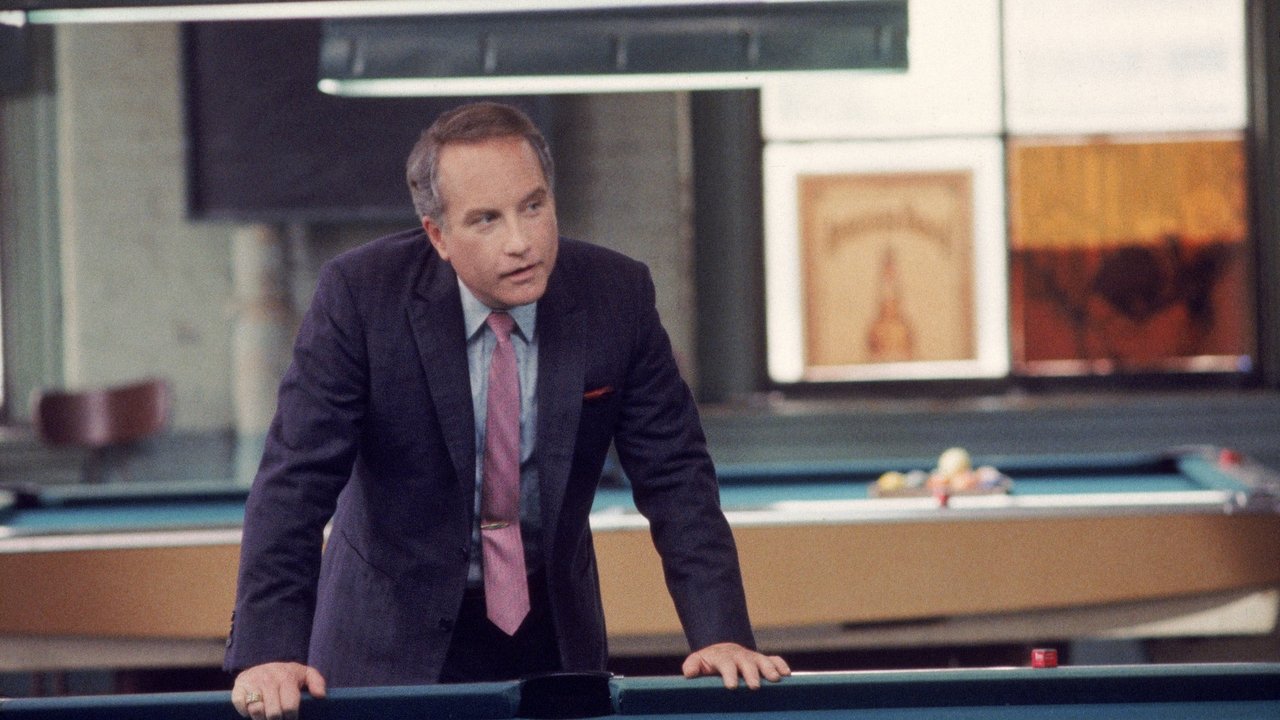
While the escalating feud provides plenty of comedic fodder – the car vandalism, the strategic humiliations – Tin Men digs deeper than simple slapstick. This isn't just about two guys who hate each other; it's about a way of life beginning to fray at the edges. The Maryland Home Improvement Commission is sniffing around, threatening to expose their dubious practices. Their bravado masks deep anxieties about relevance and success in a changing world. These men define themselves by their ability to close a deal, by the shine on their Cadillacs, but Levinson subtly questions what lies beneath the polished surface. What happens when the hustle stops working?
Caught in the crossfire is Tilley's wife, Nora, played with understated strength by Barbara Hershey (coming off powerful work in films like Hannah and Her Sisters (1986)). Initially a target for BB's revenge plot, Nora refuses to be a simple victim. Hershey portrays her journey from disillusioned housewife to someone tentatively reclaiming her own agency with a quiet grace that anchors the film's more chaotic elements. The developing relationship between BB and Nora provides the film's emotional core, evolving from cynical manipulation to something unexpectedly tender and complex. Their scenes together crackle with a chemistry that feels earned, revealing the vulnerabilities hidden beneath BB's swagger and Nora's weariness.
A Baltimore Snapshot
Levinson's direction is masterful in its naturalism. The overlapping dialogue, the lived-in sets, the perfectly chosen period details – from the sharkskin suits to the doo-wop on the radio – create an immersive experience. It feels less like watching actors and more like observing real people navigate their messy lives. The film cost a reported $11 million and became a modest box office success, proving there was still an audience for character-driven comedies aimed squarely at adults – something that felt increasingly rare as the decade wore on. It's a reminder of a time when a film could be funny, poignant, and observational without needing high-concept hooks or explosive action sequences. I distinctly remember catching this on cable rotation back in the day, that familiar HBO intro music leading into the Baltimore streets, and feeling like I was being let in on a secret world.
Lasting Resonance
Does Tin Men hold up? Absolutely. The specifics of the aluminum siding business might be dated, but the underlying themes – fragile masculinity, the pursuit of the American Dream (however flawed), the search for connection in a transactional world, the fear of being left behind – still resonate. The performances by Dreyfuss and DeVito are pitch-perfect examples of two actors at the top of their game, finding both the humor and the pathos in their characters. Hershey provides the crucial emotional counterpoint, ensuring the film has soul as well as swagger. It might meander occasionally, letting scenes breathe perhaps a moment too long for modern pacing, but that's part of its charm. It trusts the audience to appreciate the nuance.
Rating: 8/10
This score reflects the film's exceptional performances, its richly detailed atmosphere, and Barry Levinson's signature blend of sharp observational comedy and poignant character study. While the central feud drives the plot, it's the quieter moments exploring the characters' vulnerabilities and the snapshot of a specific time and place that truly elevate it. It loses a couple of points perhaps for a slightly rambling structure in places, but its overall quality and heart shine through.
Tin Men remains a gem from the late 80s – a funny, smart, and surprisingly touching look at flawed people clinging to a fading way of life, one aluminum panel at a time. It leaves you pondering not just the absurdity of their rivalry, but the quiet desperation that fueled it.