It wasn't quite the black-and-white charm of the original Jupiter 2 anymore, was it? When Stephen Hopkins' big-screen Lost in Space blasted onto screens in 1998, it felt like a seismic shift. Gone was the cosy, sometimes comically low-budget feel of the beloved 60s TV series. In its place roared a $80 million spectacle, brimming with late-90s CGI, a darker tone, and the kind of booming sound design that probably rattled the subwoofers hooked up to many a CRT television. There was a genuine buzz around this one – a hope that this could be the next big sci-fi franchise starter. Pulling that chunky VHS tape off the rental store shelf felt like unlocking a portal to a slick, reimagined future.

Danger! Reboot Robinson!
Right from the launch sequence, Hopkins, director of pulse-pounding fare like Predator 2 (1990), made his intentions clear: this was Lost in Space re-engineered for the blockbuster era. The family dynamic, while still central, felt infused with a dose of late-90s dysfunction. Professor John Robinson, played with stoic weight by the ever-reliable William Hurt, is a brilliant but emotionally distant father. Maureen (Mimi Rogers) tries to hold things together, while the kids – Judy (Heather Graham), Penny (Lacey Chabert), and young Will (Jack Johnson) – navigate their own adolescent anxieties amidst the stars. It was a deliberate move away from the almost sitcom-like harmony of the original crew, aiming for something a bit more grounded, relatively speaking. Die-hard fans of the original series were likely pleased to spot cameos from original cast members June Lockhart, Mark Goddard, Marta Kristen, and Angela Cartwright near the beginning – a nice nod before the updated chaos truly began.
LeBlanc, Oldman, and a Robot Reinvented
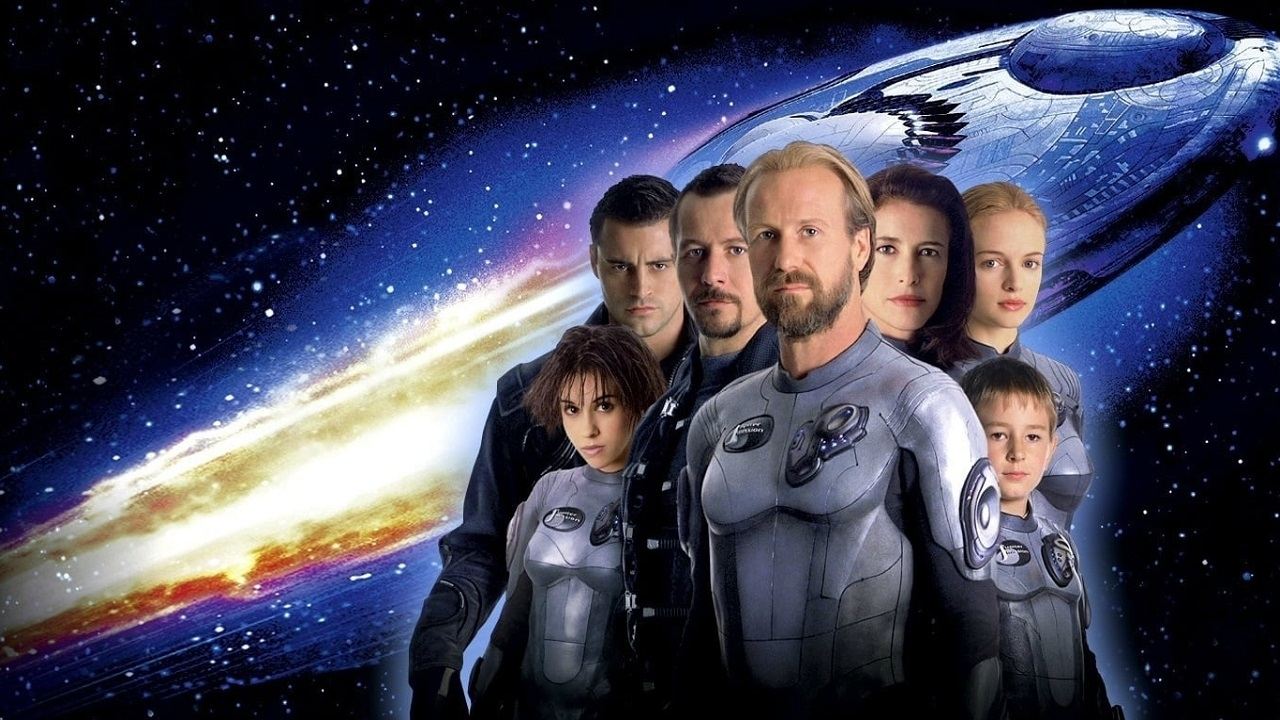
Into this mix swaggered Major Don West, embodied by Matt LeBlanc, then at the peak of his Friends fame. LeBlanc brings a certain flyboy charisma, trading barbs and sharing surprisingly decent chemistry with Heather Graham. But let's be honest, the gravitational pull of this film belonged squarely to Gary Oldman's Dr. Zachary Smith. Chewing scenery with magnificent relish, Oldman transforms the cowardly, campy saboteur of the original into something far more insidious and genuinely threatening, albeit still with a theatrical flair. It’s a performance that constantly teeters on the edge of going completely over the top, but Oldman’s sheer commitment makes it wildly entertaining. He reportedly took the role quite seriously, aiming to find the character's darker motivations, a far cry from Jonathan Harris's iconic portrayal.
And then there was the Robot. Oh, that Robot! No longer just a friendly metal canister on treads, the updated B-9 was a sleek, powerful, occasionally transforming guardian. Its practical build, combined with digital enhancements, gave it a tangible presence that holds up surprisingly well. The design was genuinely cool, even if its later, more monstrous form felt a little… much. Still, hearing that digitally deepened "Danger, Will Robinson!" echoing through the cinema (or your living room speakers) was undeniably thrilling back in '98.
A Visual Feast with a Tangled Timeline
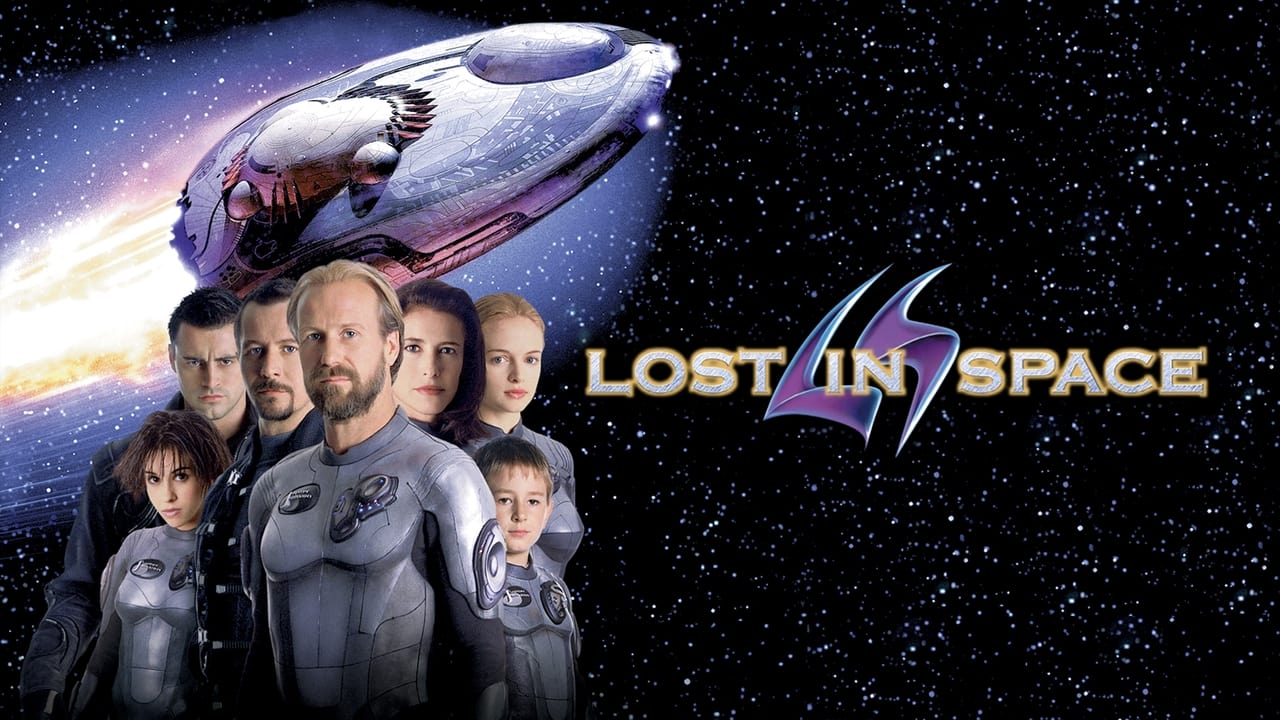
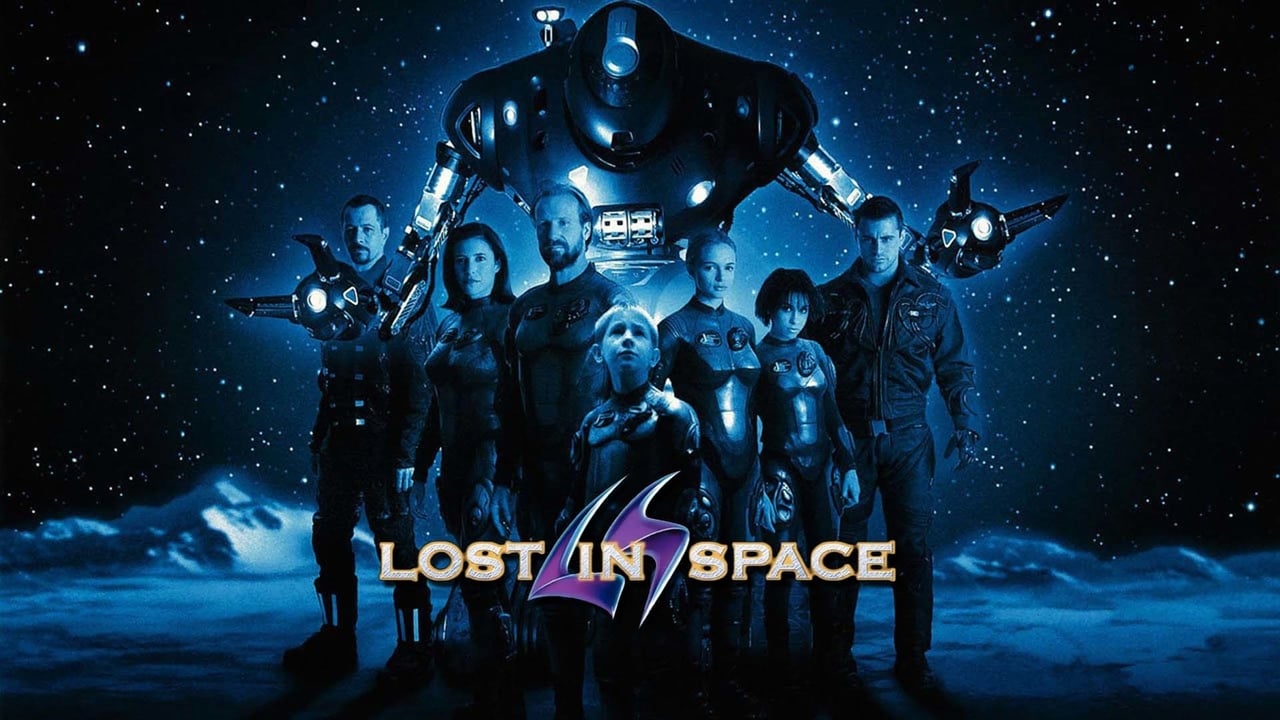
Visually, Lost in Space was often stunning for its time. The Jupiter 2's design felt functional yet futuristic, the space sequences possessed a genuine scale, and the blend of practical sets with CGI vistas (courtesy of companies like Industrial Light & Magic) aimed for spectacle. Remember the Proteus, that spider-like alien creature encountered on the derelict ship? It was a prime example of late-90s creature design – slightly rubbery by today's standards, perhaps, but undeniably memorable. Hopkins certainly knew how to stage an action sequence, throwing exploding consoles, laser battles, and planetary peril at the screen with gusto.
However, beneath the visual gloss, the narrative, penned by Akiva Goldsman (who, interestingly, had just come off writing Batman & Robin (1997) and would later win an Oscar for A Beautiful Mind (2001)), occasionally stumbled. The plot, involving sabotage, accidental wormholes, and a rather confusing time-travel paradox towards the end, felt convoluted to many viewers. Rumors circulated about numerous script revisions, and sometimes that lack of cohesion shows. It’s a film packed with ideas – perhaps too many – leaving character arcs feeling occasionally rushed and the central time-loop logic requiring a fair bit of suspension of disbelief. Still, who could forget the pulse-pounding remix of the theme tune by Apollo 440 that dominated the trailers and the charts?
Retro Fun Facts & Box Office Blues
Despite the visual punch and Oldman’s magnetic performance, Lost in Space didn't quite achieve the lift-off New Line Cinema had hoped for. Made for a hefty $80 million, it pulled in around $136 million worldwide – respectable, but not the franchise-launching smash hit it was positioned to be. Critical reviews at the time were decidedly mixed-to-negative (it currently sits around 28% on Rotten Tomatoes), often citing the muddled plot even while praising the effects and Oldman. Yet, for many of us who caught it on VHS, it remains a fascinating artifact of late-90s blockbuster ambition – a film brimming with cool concepts and striking visuals, even if the story couldn't quite keep pace. It tried to blend family adventure with darker sci-fi themes, a tricky balancing act that didn’t entirely succeed but resulted in something undeniably unique for its time.
The Verdict
Lost in Space (1998) is a curious beast. It’s slick, often visually impressive, and anchored by a deliciously villainous turn from Gary Oldman. It ambitiously tried to update a beloved, campy classic for a more cynical era, loading up on CGI, action, and a touch of family drama. The plot gets undeniably tangled, especially in the third act, and it lacks the simple charm of its predecessor. But watching it again now evokes a specific kind of nostalgia – for that late-90s era of burgeoning digital effects, for blockbuster sci-fi that wasn’t afraid to be a little messy, and for renting a tape purely based on awesome cover art and the promise of space adventure. It wasn't perfect, but parts of it were undeniably cool.
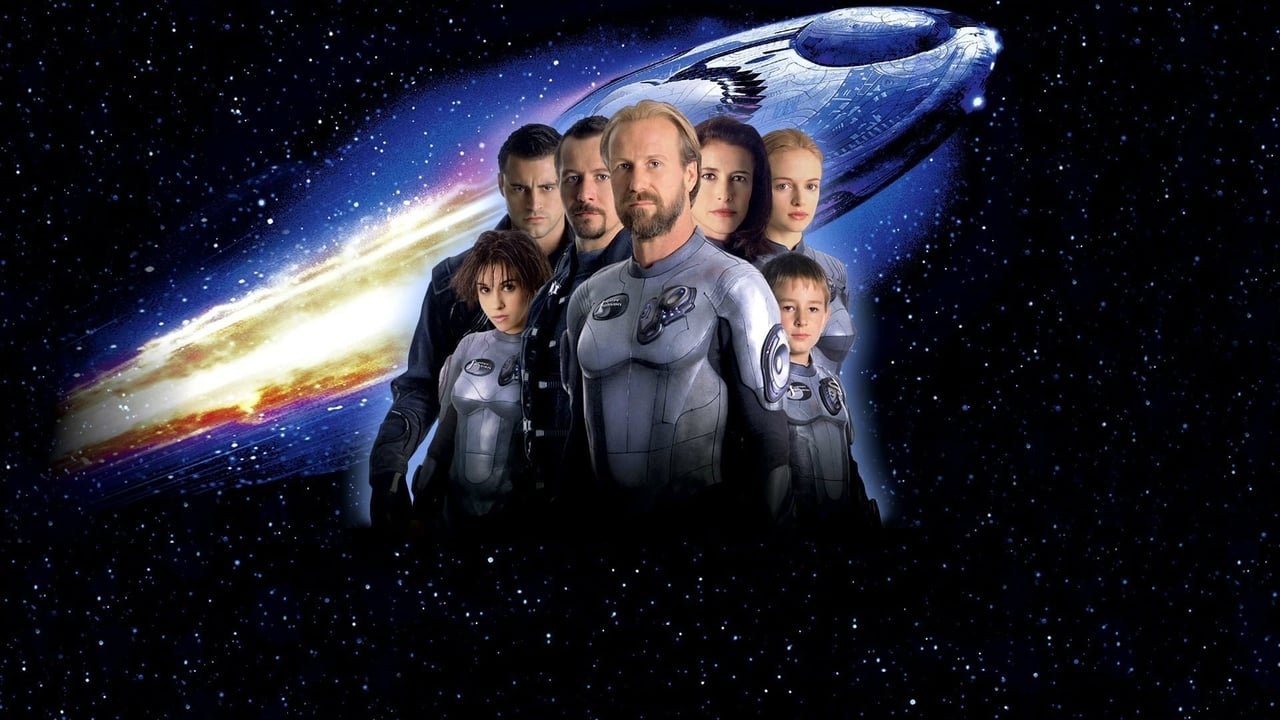
Rating: 6/10
Justification: The film gets points for its visual ambition (impressive for '98), Gary Oldman's captivating performance, the cool robot redesign, and nailing a certain kind of late-90s blockbuster feel. It loses points for the convoluted and sometimes confusing plot, particularly the time travel elements, and characters that occasionally feel underdeveloped beyond their archetypes. It’s entertaining but flawed.
Final Thought: While it may have gotten lost somewhere in the cinematic space-time continuum, this Jupiter 2 still offers a fun, effects-heavy trip down memory lane for those who remember when "Danger, Will Robinson!" got a slick, metallic makeover.