There are some images from cinema that sear themselves into your memory, refusing to fade even decades later. The chaotic, smoke-filled corridors of Attica Correctional Facility, as depicted in John Frankenheimer’s blistering 1994 HBO movie Against the Wall, lodge themselves firmly in that category. This wasn't just another prison flick churned out for the small screen; it felt like witnessing history erupting, raw and unfiltered, right there in your living room on that chunky CRT set. It possessed a weight, an urgency, that demanded attention.
### Into the Powder Keg
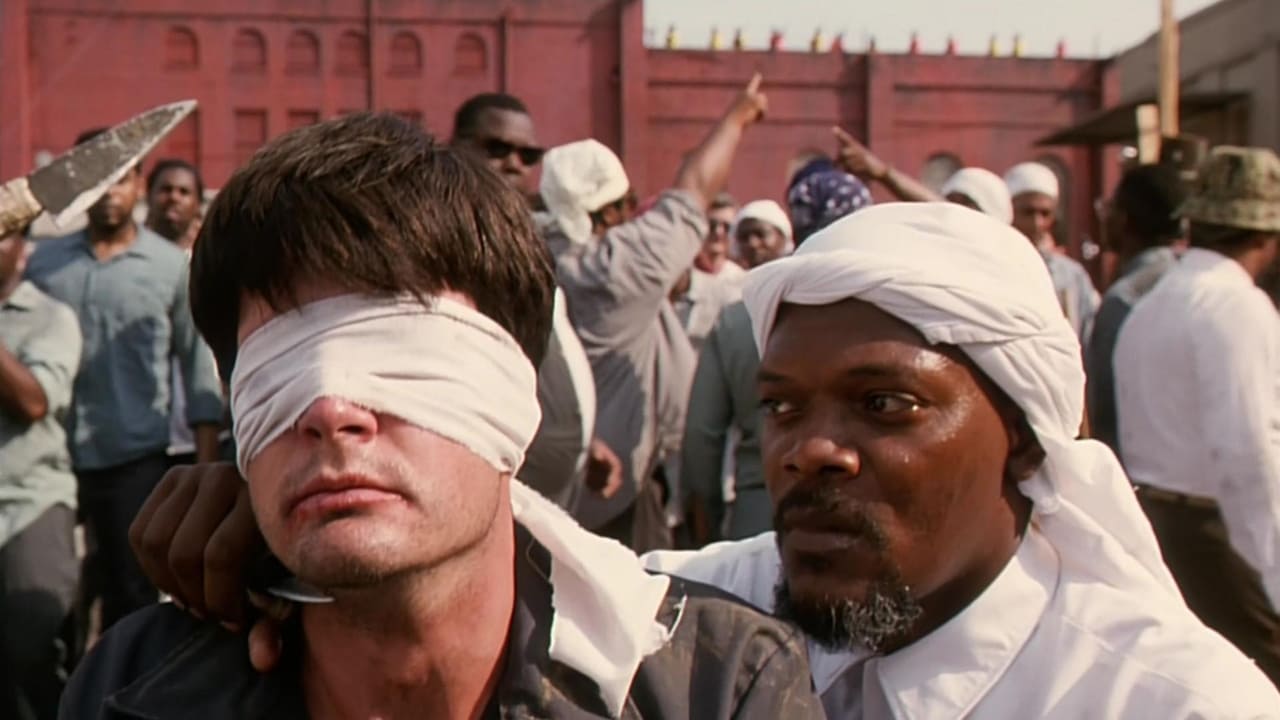
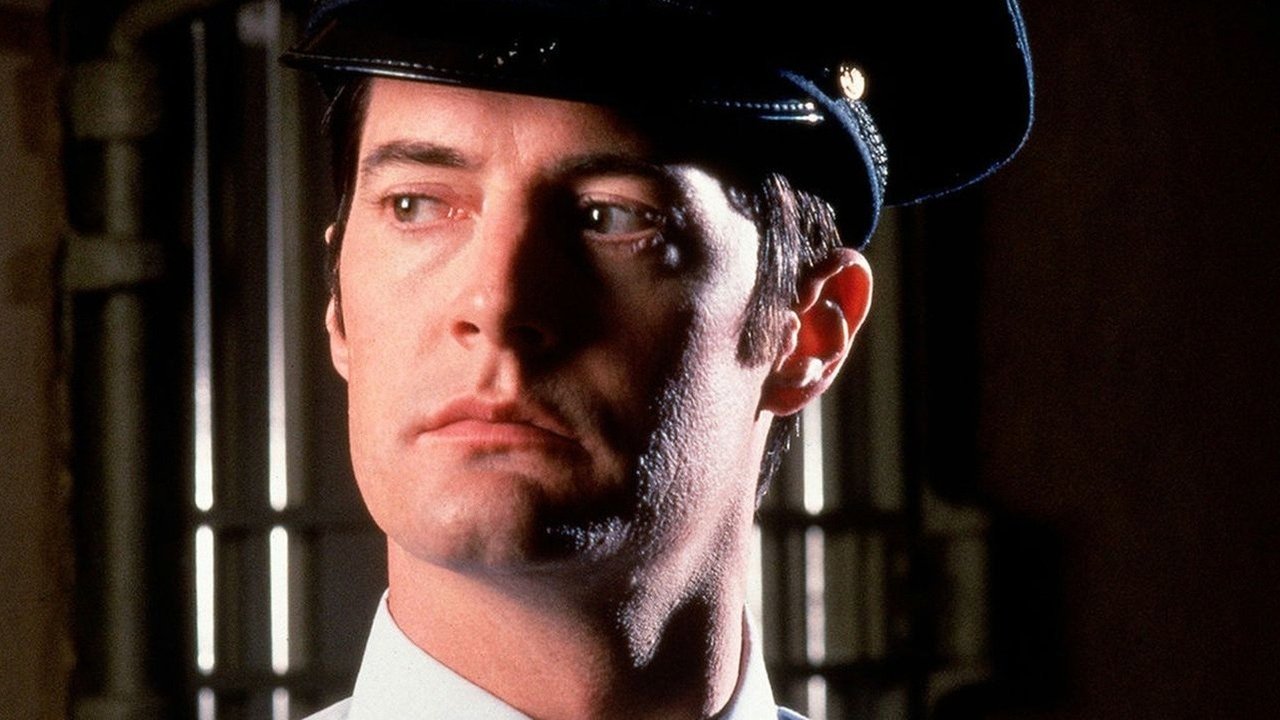
Based on the harrowing true events of the 1971 Attica Prison uprising, Against the Wall wastes no time plunging the viewer into a cauldron of simmering resentment and institutional neglect. We experience the unfolding tragedy largely through the eyes of Michael Smith (Kyle MacLachlan), a young, somewhat naive man who takes a job as a prison guard simply because it’s available work in his economically depressed town. MacLachlan, known then for the quirky charm of Twin Peaks, delivers a compelling performance here, stripping away affectation to portray a man utterly unprepared for the dehumanizing reality he’s walking into. His initial bewilderment morphs into terror, and eventually, a grim understanding, making him a relatable anchor amidst the escalating chaos. Remember watching him, fresh-faced and hopeful, walking into those gates for the first time? You just knew things were going to go terribly wrong.
### Frankenheimer’s Unflinching Gaze
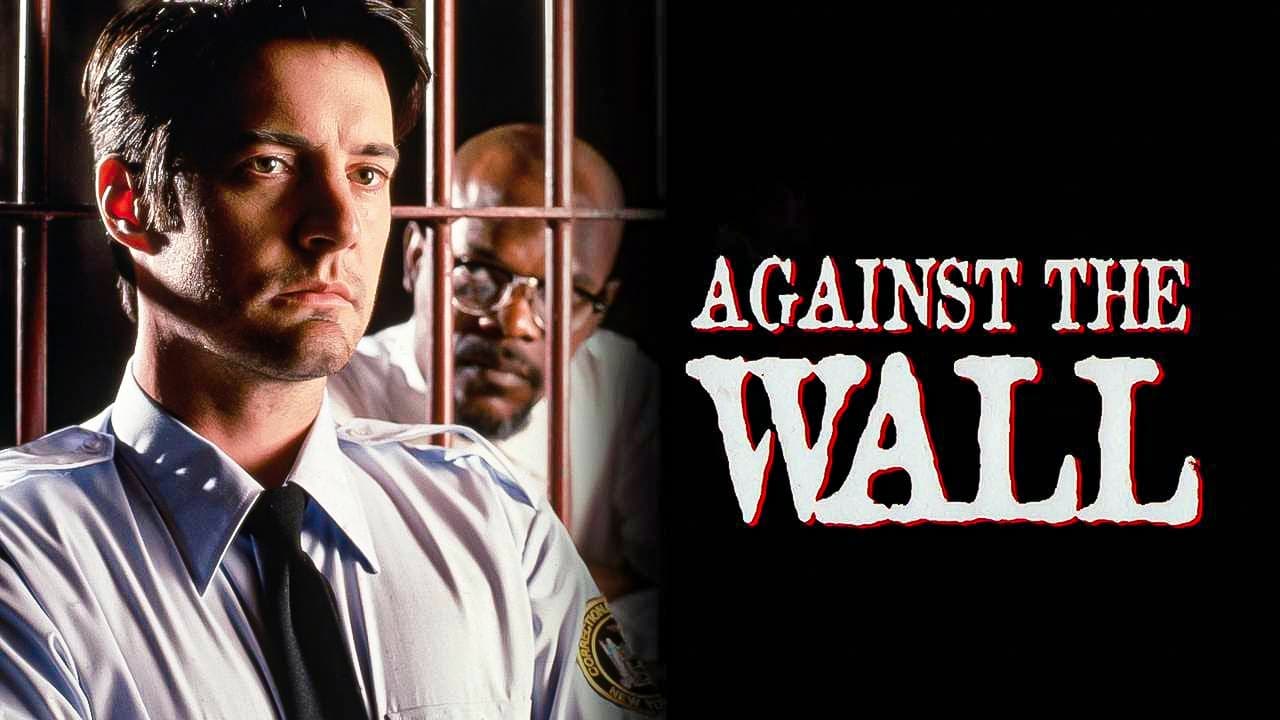
That this film carries such visceral power is largely down to the masterful direction of John Frankenheimer. Here was a filmmaker who gave us classics like The Manchurian Candidate and Seven Days in May, returning to territory he knew well after Birdman of Alcatraz. His decision to helm an HBO project spoke volumes about the shifting landscape of television in the early 90s, with cable networks beginning to tackle subjects and stories with a depth and grit rarely seen on broadcast TV. Frankenheimer doesn't shy away from the brutality of the situation – the deplorable conditions, the simmering racial tensions, the guards' own callousness born of fear and routine. He shoots with a claustrophobic intensity, making the prison itself feel like a character, a pressure cooker about to blow its lid. The eventual riot sequences are handled with a terrifying realism, chaotic yet coherent, capturing the desperation and rage driving the inmates. It’s a testament to his skill that he could orchestrate such complex, violent scenes for television – a format often constrained by budget and content restrictions – and make them feel so impactful. It deservedly won him an Emmy for Outstanding Directing.
### Faces of Fury and Desperation
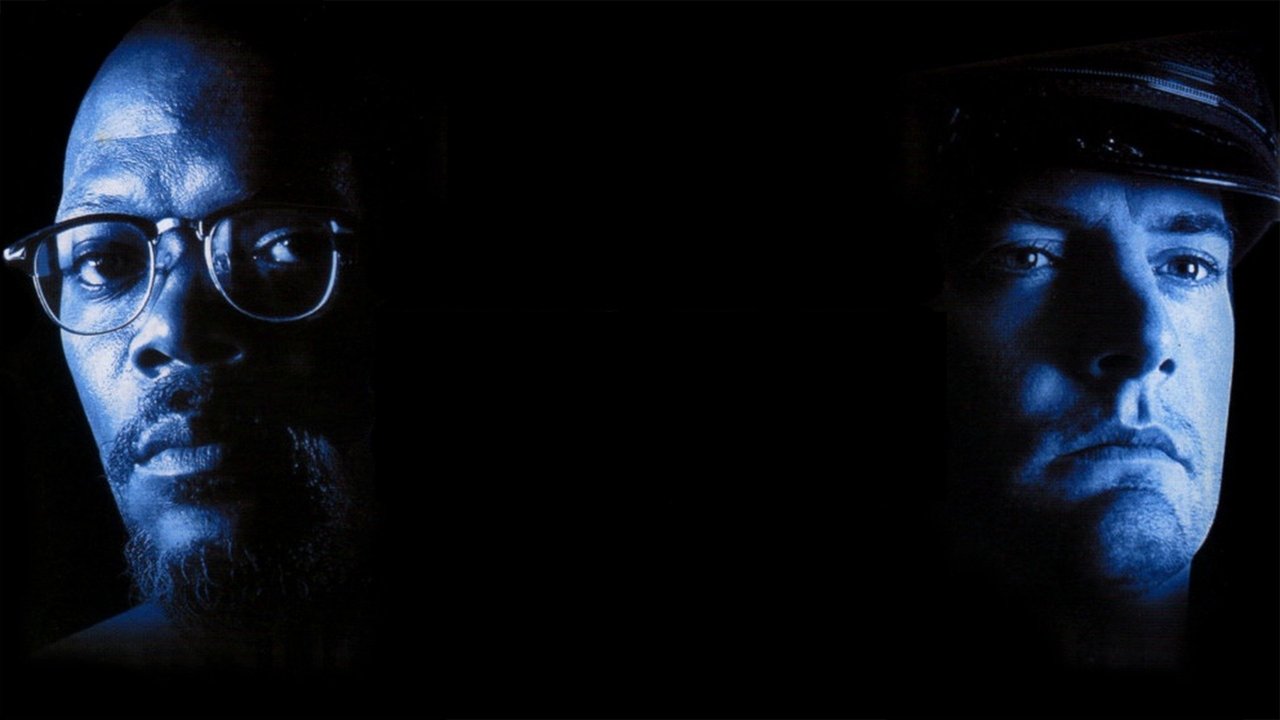
Beyond MacLachlan, the film boasts an incredible ensemble cast, many turning in career-defining work. Samuel L. Jackson, just on the cusp of superstardom with Pulp Fiction released the same year, is absolutely electrifying as Jamaal Shabazz, an articulate, commanding inmate leader trying to navigate the explosive situation and negotiate demands. His presence fills the screen, radiating intelligence and barely contained fury. Equally memorable is Clarence Williams III (forever etched in memory for many of us as Linc from The Mod Squad) as Chaka, another influential inmate figure, embodying a different kind of hardened resolve. The scenes between these actors crackle with tension and authenticity. Watching them, you felt the weight of real lives hanging in the balance. And let's not forget solid support from reliable faces like Frederic Forrest and the late, great Harry Dean Stanton as veteran guards, embodying the weary cynicism of the system.
### Recreating History ("Retro Fun Facts")
Bringing the Attica riot to the screen was no small feat. While filmed primarily at the Tennessee State Penitentiary in Nashville (also famously used in The Green Mile later), the production worked hard to recreate the specific look and feel of Attica in '71. Writer Ron Hutchinson based his script on the book A Time to Die by Tom Wicker, a journalist who was present during the negotiations. Frankenheimer, known for his meticulous preparation, immersed himself in the historical record. Interestingly, the budget, while significant for HBO at the time (reportedly around $5.8 million – roughly $11.5 million today), still necessitated resourceful filmmaking. Frankenheimer employed long takes and dynamic camera movements to heighten the tension without relying on rapid-fire editing, a technique that lends the film a documentary-like immediacy. It's also worth noting that HBO's willingness to tackle such a politically charged and violent event head-on was a bold move, cementing their reputation for producing challenging, adult-oriented drama. The film didn't pull punches, depicting violence and questionable actions on both sides, leading to some controversy but also critical acclaim, including a Golden Globe for Best Miniseries or Television Film.
### The Echoes Remain
What makes Against the Wall linger long after the credits roll? It forces us to confront uncomfortable truths about power, race, justice, and the potential for brutality inherent in systems of control. It doesn't offer easy answers or clear heroes and villains. Instead, it presents a complex, tragic situation where desperation boils over into violence, met by an equally brutal response. Does Smith’s journey from naive newcomer to traumatized survivor offer hope, or merely underscore the soul-crushing nature of the institution? How much has truly changed in the decades since Attica? These are the questions that echo, making the film feel disturbingly relevant even now. Watching it again recently, the rawness felt just as potent as it did back on that fuzzy VHS tape rented from Blockbuster.
---
Rating: 9/10
Justification: Against the Wall is a stunning piece of television filmmaking, elevated by John Frankenheimer's masterful direction and powerhouse performances, particularly from MacLachlan, Jackson, and Williams III. Its unflinching depiction of the Attica uprising is both historically significant and dramatically potent, creating a claustrophobic, intense atmosphere that rarely lets up. The integration of historical fact with character-driven drama is seamless, resulting in a film that is both informative and deeply affecting. While inherently grim, its craftsmanship and thematic depth make it essential viewing.
Final Thought: More than just a TV movie, Against the Wall stands as a searing indictment and a powerful reminder of a dark chapter, proving that sometimes the most impactful stories arrive not on the big screen, but beamed directly into our homes, leaving an indelible mark.