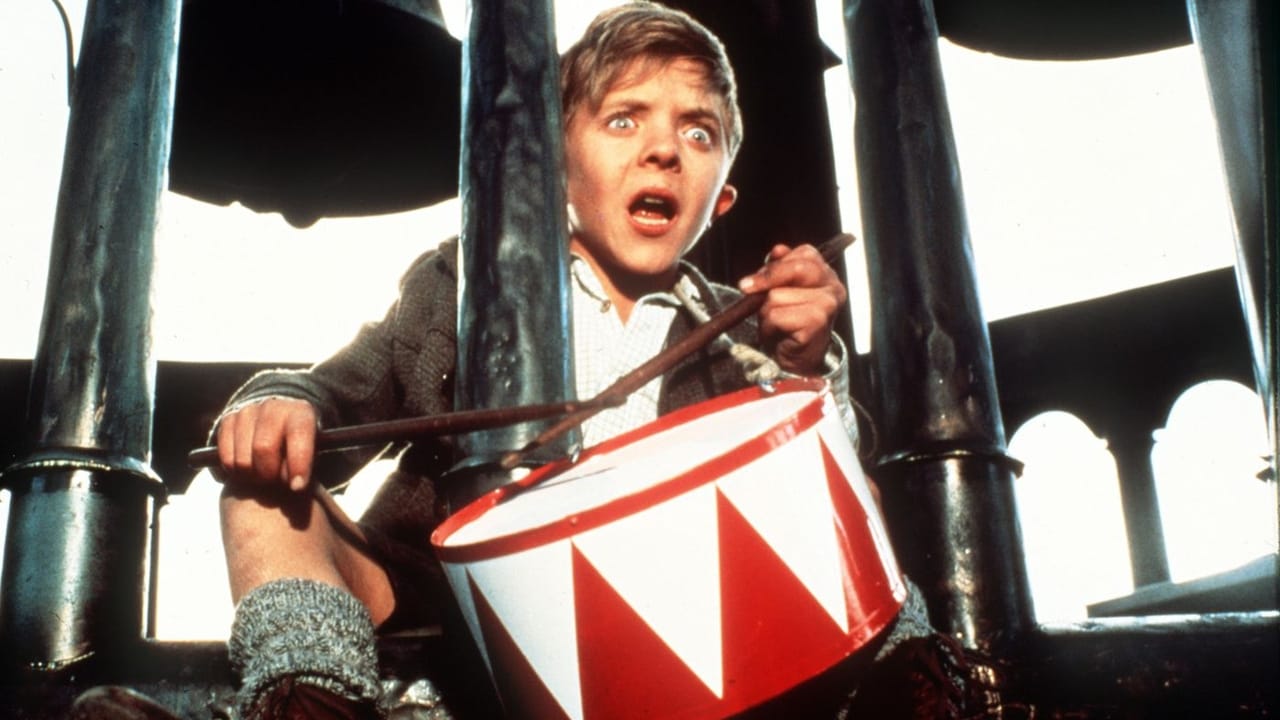
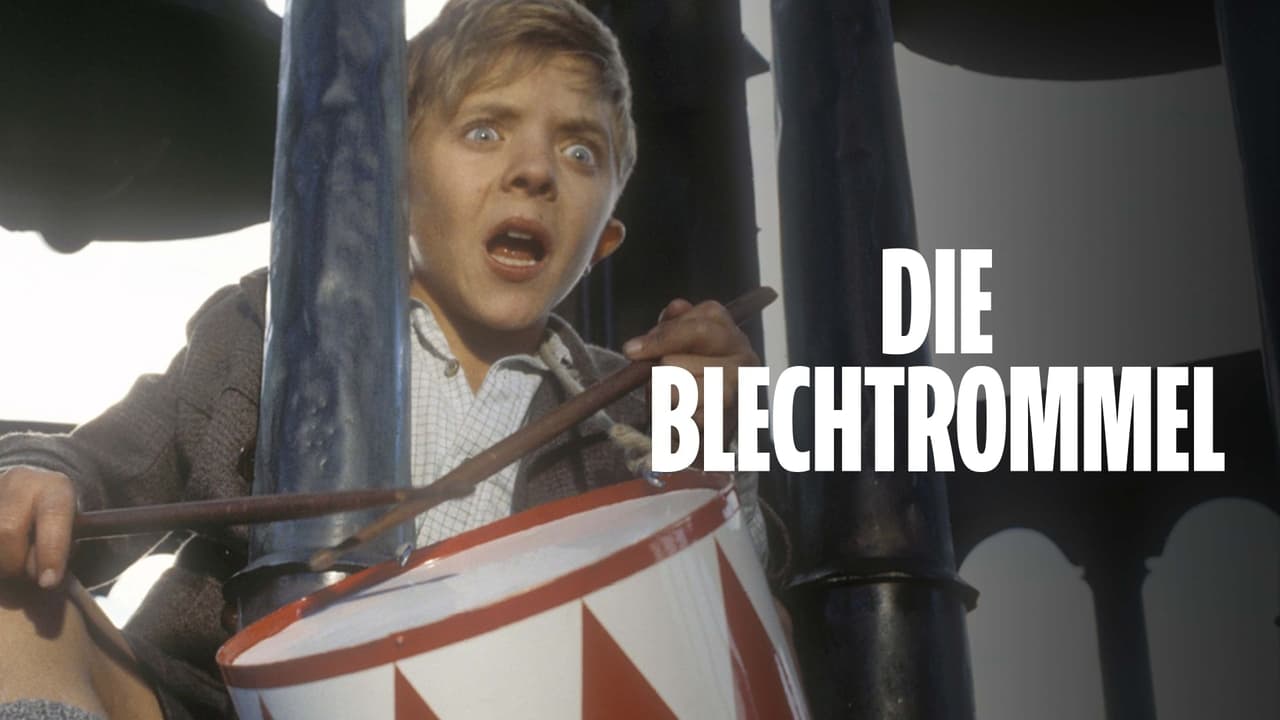
It begins with a refusal, doesn't it? A small boy, Oskar Matzerath, witnesses the absurdity and hypocrisy of the adult world on his third birthday and simply decides... no more. No more growing, no more participating in their corrupted march towards catastrophe. Instead, he clings to his tin drum, a constant, rhythmic protest, and discovers a voice – a glass-shattering shriek – that becomes his weapon against the encroaching madness. Watching Volker Schlöndorff’s The Tin Drum (1979) again, perhaps on a well-loved, slightly worn VHS tape procured years ago from the 'Foreign Films' section, feels less like revisiting a movie and more like plunging back into a fever dream of history, satire, and unsettling truth.
Through a Child's Unblinking Eyes
Based on the monumental, Nobel Prize-winning novel by Günter Grass, The Tin Drum presents the turbulent years leading up to and through World War II in the Free City of Danzig, all filtered through Oskar's willfully stunted perspective. It's a viewpoint both innocent and chillingly perceptive. The world Schlöndorff crafts is grotesque yet lyrical, a heightened reality where the rise of Nazism is observed with the same detached curiosity as the complex, often messy, sexual entanglements of the adults around him. The film doesn't shy away from the ugliness – historical or personal – painting a portrait of bourgeois complacency sleepwalking into horror, punctuated by Oskar’s insistent drumming. That relentless beat feels like the erratic pulse of a world losing its moral compass.
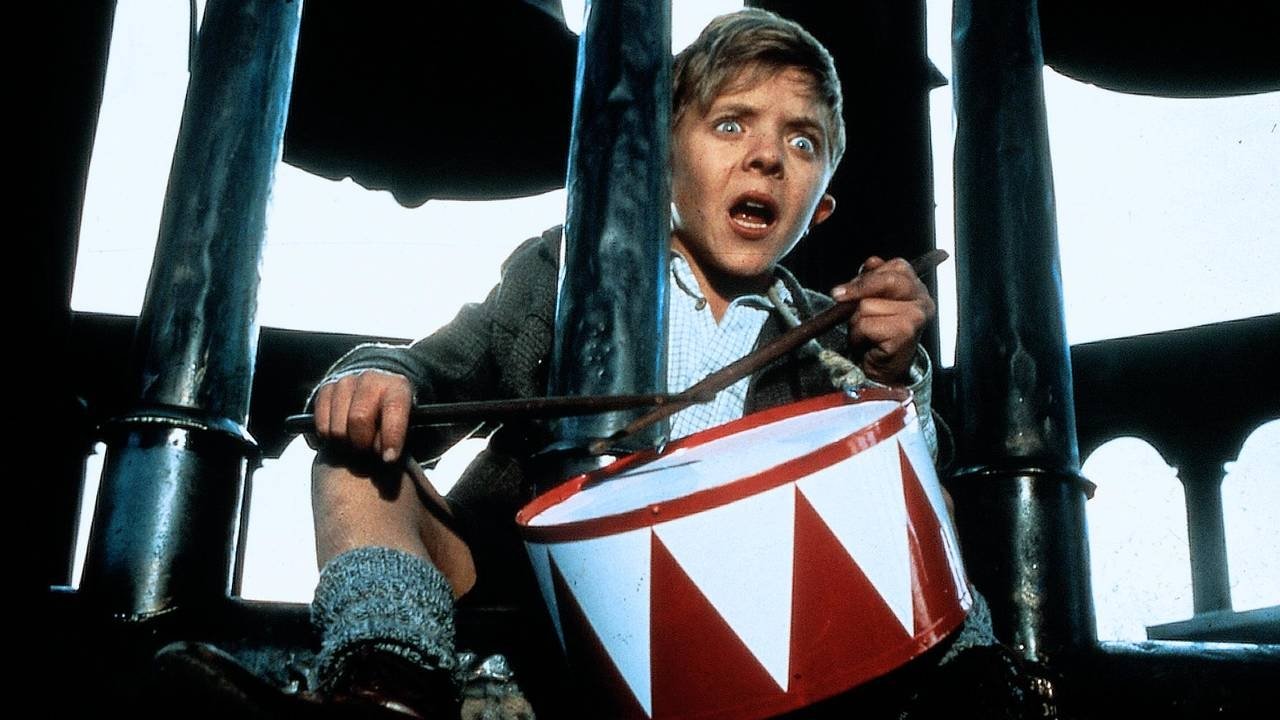
The absolute core of the film is the astonishing performance by David Bennent as Oskar. Though only eleven or twelve during filming, Bennent embodies Oskar with an unnerving maturity and alien presence. His gaze is ancient, his composure absolute, even when committing acts of disruptive protest or observing moments of profound intimacy or violence. It's a performance devoid of typical child-actor sentimentality; he is Oskar, the eternal three-year-old observer. There's a fascinating behind-the-scenes tidbit here: Schlöndorff specifically sought a child who hadn't been 'trained' in acting, wanting that raw, unmediated quality. Bennent, the son of actor Heinz Bennent, certainly delivered, creating one of cinema's most unforgettable and unsettling protagonists. His piercing shriek, capable of shattering glass on command, isn't just a party trick; it’s the sound of art as pure, destructive protest against a world refusing to listen.
From Sprawling Page to Provocative Screen
Adapting Grass's dense, sprawling, and surreal masterpiece was a monumental task. Schlöndorff, working with acclaimed screenwriter Jean-Claude Carrière (a frequent collaborator with Luis Buñuel, which tells you something about his comfort with the surreal), managed to distill the novel's essence without sacrificing its challenging complexity or its biting satire. It’s a testament to their skill that the film feels cohesive yet retains that episodic, dreamlike quality. It wasn't easy – the film was a significant undertaking for German cinema at the time, costing around DM 8 million (roughly $4.5 million USD back then, maybe closer to $18 million today) and filmed across multiple countries including Poland (Gdansk) and Germany. Its impact was immediate and immense, sharing the prestigious Palme d'Or at Cannes with Apocalypse Now and winning the Academy Award for Best Foreign Language Film. These accolades weren’t just awards; they were acknowledgements of the film’s audacious artistic vision.
Of course, such audacity often courts controversy. The Tin Drum faced censorship battles, most notably in Oklahoma City years after its release, where it was bizarrely targeted on grounds of child pornography due to its frank, albeit allegorical, depiction of burgeoning sexuality through Oskar's eyes. These challenges now seem almost to underscore the film's power – its willingness to confront uncomfortable truths about history, human nature, and the often-blurred lines between innocence and complicity, using methods that were bound to provoke.
Echoes in the Celluloid
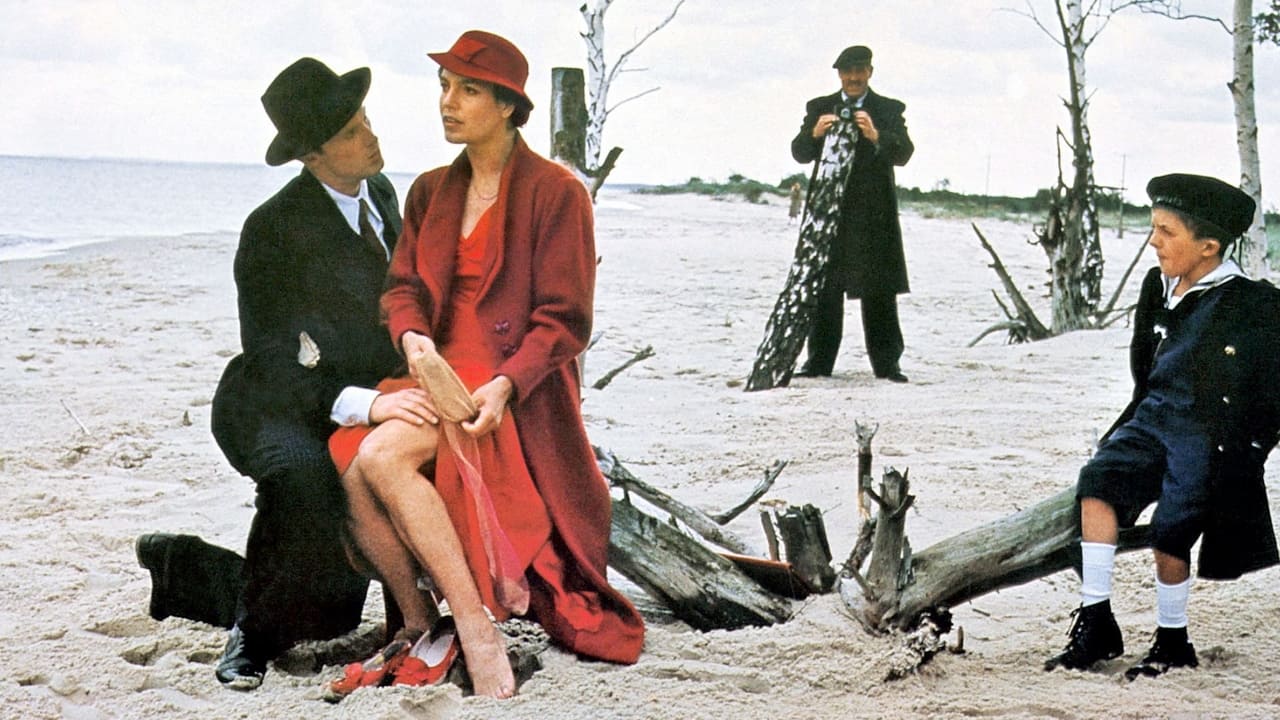
Supporting players like Mario Adorf as Oskar's presumed father Alfred, embodying the well-meaning but ultimately weak-willed citizen swept up by Nazism, and Angela Winkler as his conflicted mother Agnes, add layers of pathos and desperation. The visuals often have a painterly quality, capturing both the period detail and the underlying strangeness. Consider the infamous scene with the eels and the horse's head – horrifying, yes, but also darkly symbolic of the decay and rot festering beneath the surface of society. It’s imagery that, once seen, is hard to shake. Doesn't the film force us to ask how much 'ugliness' we are willing to look away from in our own times?
What lingers most, perhaps, is the film's central question about growth and responsibility. Oskar's refusal to grow is a protest, but is it also an abdication? By remaining a 'child', does he gain a unique perspective, or does he merely shield himself from the accountability that comes with adulthood? The Tin Drum doesn't offer easy answers. It presents history as a grotesque carnival, viewed by an eternal child who is both its victim and its uncanny commentator.
Rating: 9/10
The Tin Drum is not an easy watch. It’s disturbing, challenging, and allegorically dense. Yet, its power is undeniable. David Bennent's iconic performance, Schlöndorff's masterful direction, and the film's unflinching gaze into the abyss of 20th-century history make it essential viewing. The 9 rating reflects its monumental artistic achievement, its haunting effectiveness, and its enduring significance, acknowledging that its challenging nature might make it less universally accessible than lighter fare.
For those of us who discovered it tucked away in the video store aisles, it remains a startling, unforgettable piece of world cinema – a reminder that sometimes the most profound statements come from the most unexpected voices, even one accompanied by the incessant beat of a child’s tin drum.