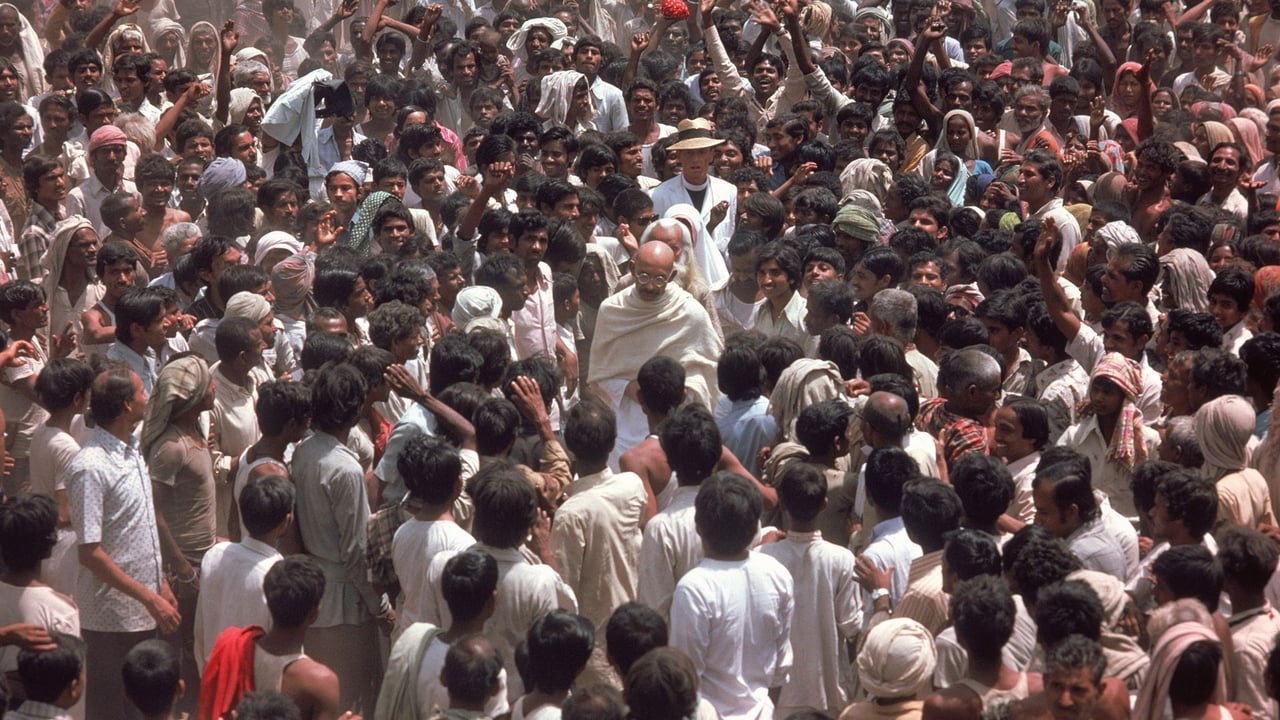
The flickering image begins, not with action or dialogue, but with a staggering, almost overwhelming sea of humanity. The funeral procession for Mohandas K. Gandhi stretches further than the eye, or the camera lens, can comfortably contain. Right from these opening moments, Richard Attenborough’s 1982 epic, Gandhi, announces its scale and solemn purpose. This isn't just a film; it feels like an event, a historical document brought to life with astonishing scope, even when viewed decades later on a technology far removed from the cinema screen where it first stunned audiences. I distinctly remember the heft of the double VHS box for this one – a commitment, a sign that you were settling in for something significant.
A Labour of Love, A Life Embodied
Getting Gandhi made was itself an odyssey, a twenty-year quest for director Richard Attenborough, a passion project fueled by a deep reverence for his subject. You feel that dedication in every frame. This isn't a rushed, CliffsNotes version of a life; it's an immersive, patient unfolding of a man's journey from a sharp-suited lawyer experiencing prejudice in South Africa to the loincloth-clad spiritual leader who would peacefully challenge the might of the British Empire. The sheer logistics are mind-boggling. Attenborough famously marshalled hundreds of thousands of extras for the funeral sequence – a Guinness World Record at the time, achieved largely through volunteers who simply wanted to be part of telling this story. It’s a scale of practical filmmaking we rarely witness today, lending an undeniable authenticity to the pivotal moments of mass movement and protest. Imagine the coordination, the sheer will required to bring those scenes to life without CGI!
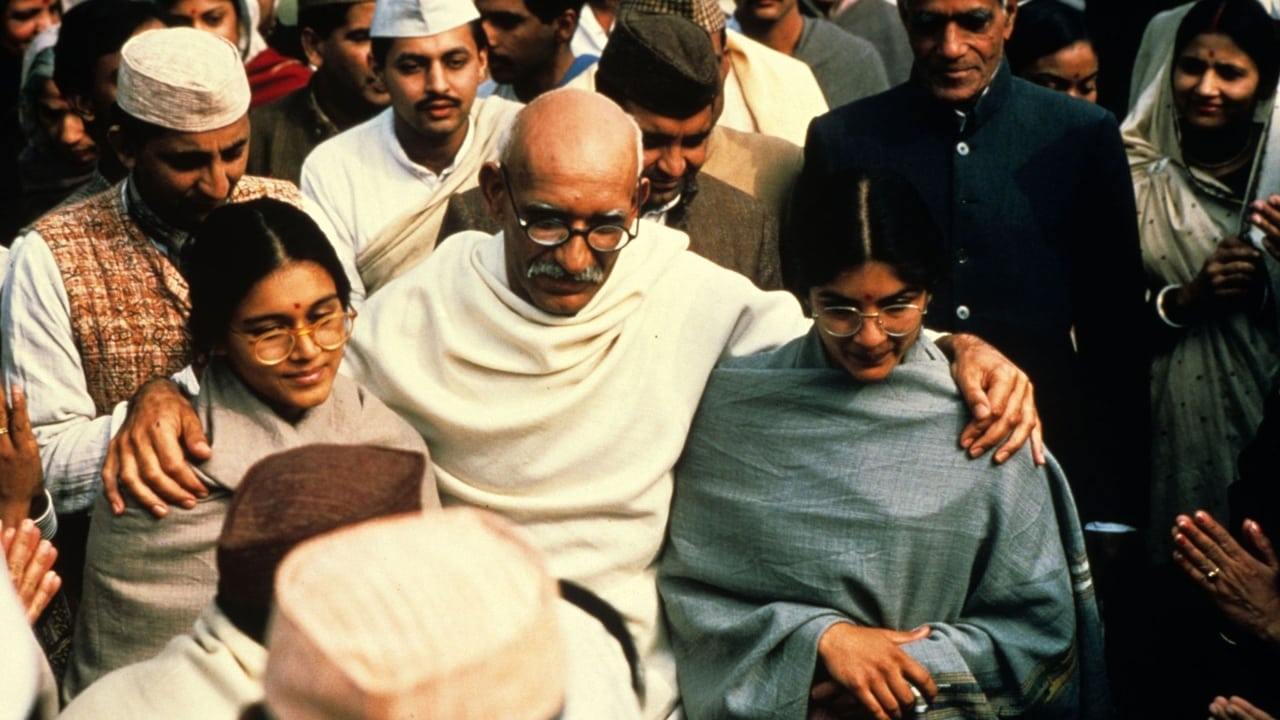
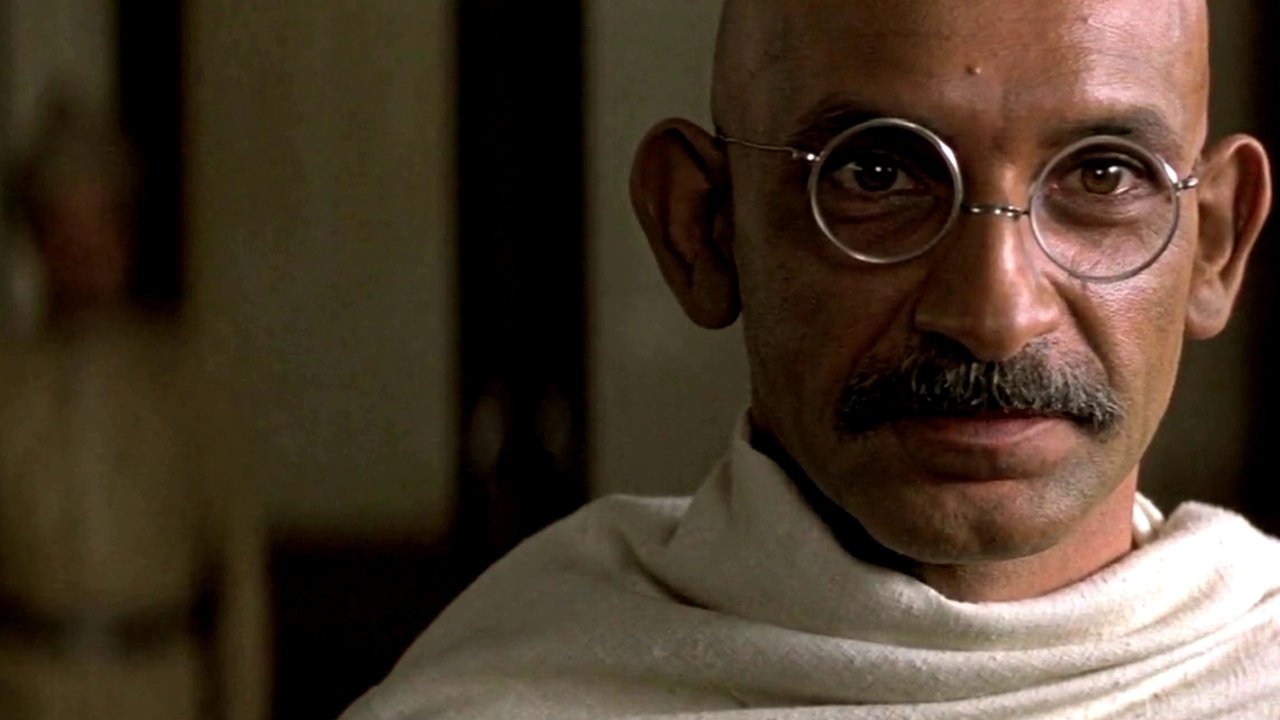
At the film's heart, of course, is Ben Kingsley. It’s a performance that transcends mere acting; it feels like channeling. Relatively unknown internationally before this, Kingsley's casting was inspired. He doesn't just play Gandhi; he becomes him, capturing the subtle shifts in demeanor, the quiet intensity, the unwavering resolve, and yes, even the flashes of humor and humanity. His physical transformation is remarkable, but it's the internal life he projects – the fierce intelligence behind the gentle eyes, the moral certainty powering the frail frame – that anchors the film. It’s a performance that rightly earned him an Academy Award and remains a benchmark in biographical portrayals. Watching him, you understand how this one man could inspire millions.
More Than History, A Question of Conscience
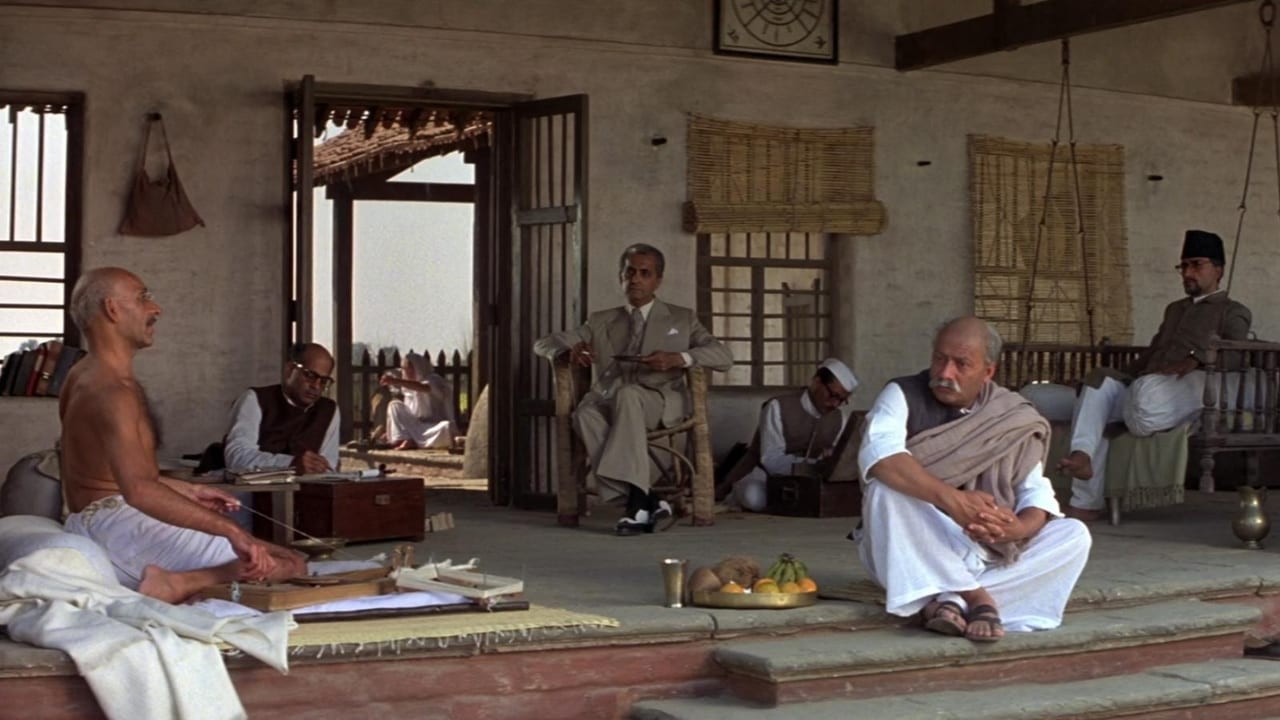
While meticulously researched by writer John Briley (who also won an Oscar), Gandhi aims for more than historical reenactment. It delves into the philosophy of satyagraha – non-violent resistance – presenting it not just as a political tactic, but as a profound moral force. The film doesn't shy away from the brutality Gandhi and his followers faced, making their commitment to non-violence all the more potent and challenging. Scenes like the Salt March protest, where demonstrators willingly walk into lines of police batons without retaliating, are deeply affecting. They force us to confront uncomfortable questions: Could we endure such violence for our beliefs? What does true courage look like?
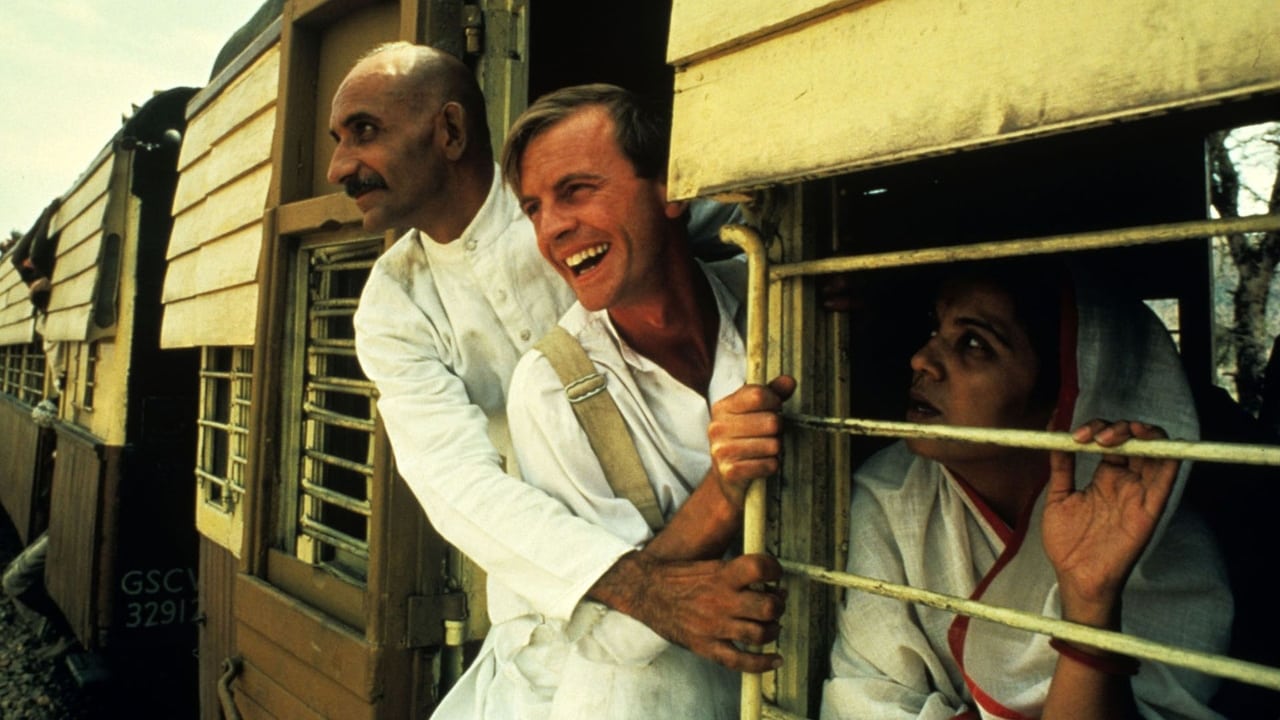
The supporting cast provides a strong backdrop for Kingsley's central performance. Candice Bergen offers a warm presence as photographer Margaret Bourke-White, acting as an audience surrogate at times, while Edward Fox embodies the chilling certainty of colonial power as Brigadier General Dyer, responsible for the Amritsar massacre – a harrowing sequence Attenborough stages with unflinching gravity. Other stalwarts like John Gielgud, Trevor Howard, and a young Daniel Day-Lewis (in a small but noticeable role) add to the film's incredible ensemble depth.
The Epic on the Small Screen
Watching Gandhi on VHS, perhaps paused midway through to switch tapes on those double-cassette releases, was a unique experience. The sheer grandeur might have felt slightly constrained by the 4:3 aspect ratio and the scan lines of a CRT, yet the emotional power remained undiminished. In fact, the intimacy of home viewing perhaps brought Gandhi's personal struggles and quiet moments of reflection into sharper focus. The film, despite its three-hour-plus runtime, rarely feels ponderous. Attenborough, known for spectacle but also warmth (A Bridge Too Far (1977), later Jurassic Park (1993) as an actor), maintains a compelling narrative rhythm. The score by Ravi Shankar and George Fenton is perfectly judged, complementing the visuals without overwhelming them.
Of course, like any biopic covering such a vast life, choices had to be made. Some critics then and now point to omissions or a perhaps overly hagiographic portrayal. It simplifies complex political situations and internal conflicts within the independence movement. But its aim wasn't necessarily exhaustive historical accuracy down to the last detail; it was to capture the spirit of Gandhi and the essence of his message, and in that, it succeeds profoundly. The film's eight Academy Award wins, including Best Picture, Director, Actor, and Screenplay, certainly cemented its place in cinematic history, becoming a benchmark for epic biographical filmmaking.
Rating: 9/10
Gandhi is a monumental piece of filmmaking, anchored by one of cinema's truly transformative performances. Its scale is breathtaking, its message remains profoundly relevant, and its power to inspire and provoke thought is undimmed by time. While perhaps simplifying certain historical complexities inherent in telling such a vast story, its achievement lies in its sincerity, its craft, and its unforgettable portrayal of a man who changed the world through peace. It’s a film that doesn’t just recount history; it invites reflection on our own capacity for courage and compassion. What lingers most, long after the credits roll, isn't just the spectacle, but the quiet power of conviction.