Okay, settle in, grab a comforting drink – maybe something you used to sip while browsing the aisles at Blockbuster – because we're revisiting a film that doesn't flinch from life's toughest questions. Remember 1993's My Life? It arrived without the fanfare of a summer blockbuster, yet it carried an emotional weight that, for many of us who caught it on tape back then, still lingers. It’s one of those films that asks you to confront the profound, right there in your living room, maybe next to a stack of overdue rentals.
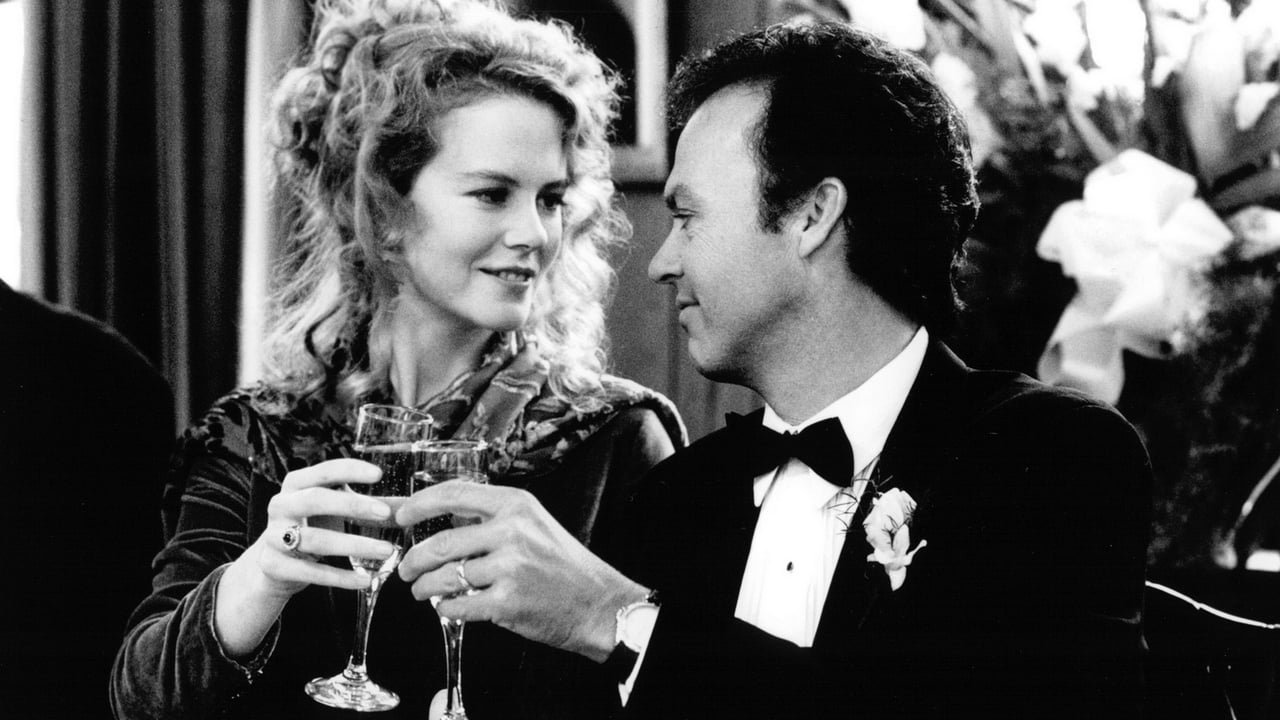
The premise itself is stark, almost brutally simple: Bob Jones (Michael Keaton), a successful PR executive, learns he has terminal cancer just as his wife, Gail (Nicole Kidman), discovers she's pregnant with their first child. Faced with the crushing certainty that he won't see his son grow up, Bob decides to record a series of videotapes – lessons, stories, confessions – a legacy captured on magnetic tape. It's a concept that hits hard, immediately forcing us to ponder: what would we leave behind?
### A Departure and a Deep Dive
For many, Michael Keaton in the early 90s was inextricably linked to his cowl and cape in Tim Burton's Batman or the anarchic energy of Beetlejuice. Seeing him here, stripped of costumes and larger-than-life personas, was arresting. Keaton delivers a performance of raw, uncomfortable honesty. Bob isn't immediately saintly in the face of death; he’s angry, scared, sometimes selfish, grappling with regrets and estranged family relationships. There’s a palpable sense of a man frantically trying to compress a lifetime of fatherhood into hours of footage. It’s in the strained smiles for the camera, the flashes of frustration, the moments of quiet despair – Keaton makes Bob's impossible situation feel devastatingly real. It’s a performance that reminds you of his incredible range, far beyond the blockbusters that defined that era for him. He reportedly embraced the challenge, seeking roles that stretched him after the intensity of his superhero fame.
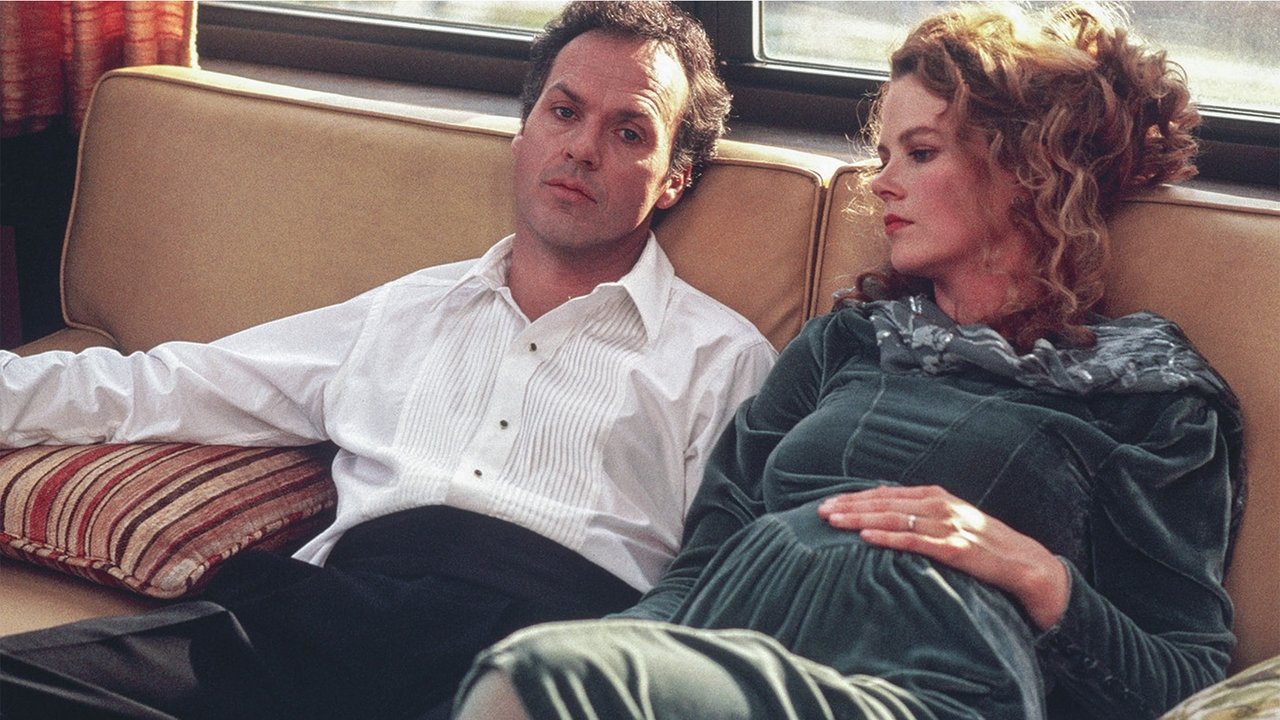
Playing opposite him, Nicole Kidman, then truly ascending as a major star following films like Dead Calm and Far and Away, embodies Gail's quiet strength and profound grief. Her performance is less about outward displays of emotion and more about the subtle shifts in her expression, the weariness in her eyes, the way she navigates supporting Bob while facing her own impending reality as a single mother. It’s a study in contained sorrow and resilience, providing the essential anchor to Keaton’s more volatile emotional journey. Their chemistry feels authentic, grounded in the complexities of a marriage under unimaginable strain.
### The Ghost Writer Steps Behind the Camera
This film marked the directorial debut of Bruce Joel Rubin, who was riding high after winning an Oscar for writing Ghost (1990). You can certainly feel thematic echoes – reflections on mortality, love transcending boundaries, the struggle to communicate profound truths. But My Life feels far more intimate, grittier. Rubin apparently conceived the idea years earlier when he himself was ill and feared he wouldn't live to see his own children grow up. That deeply personal connection permeates the film, lending it an undeniable sincerity, even if some critics at the time found it overly sentimental. Knowing this genesis adds another layer; it wasn't just a concept, but a fear made tangible on screen.
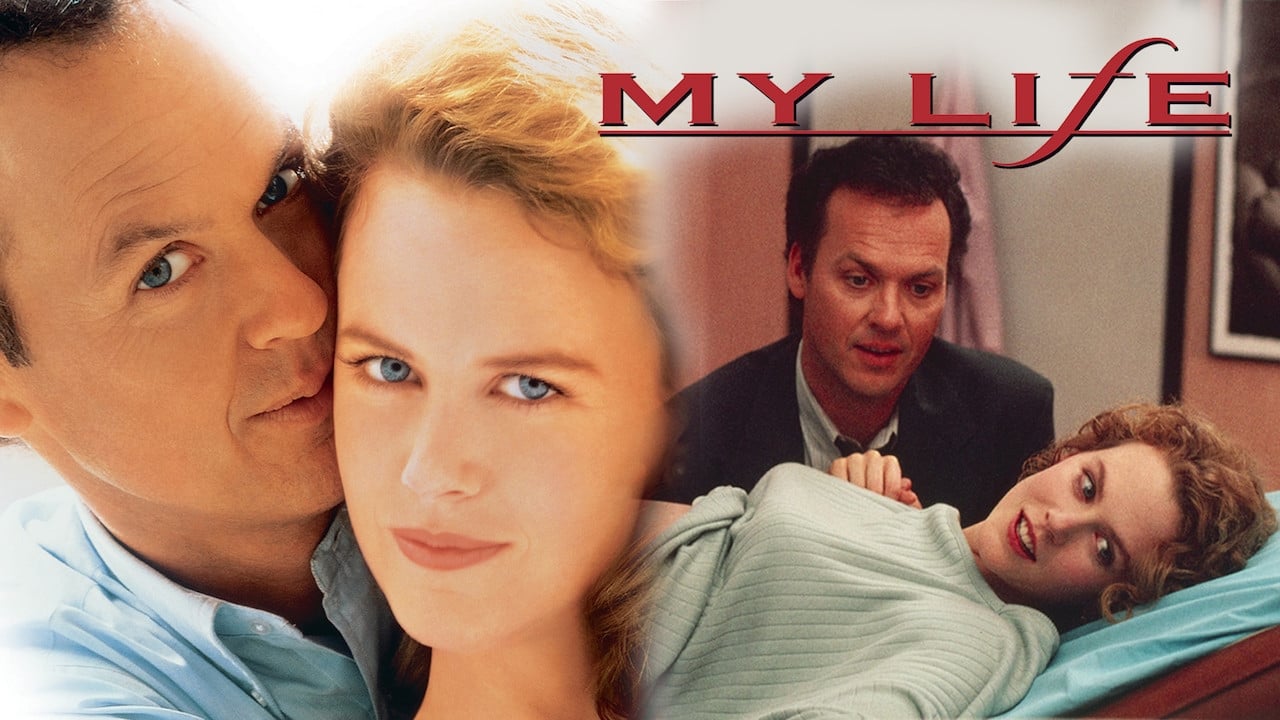
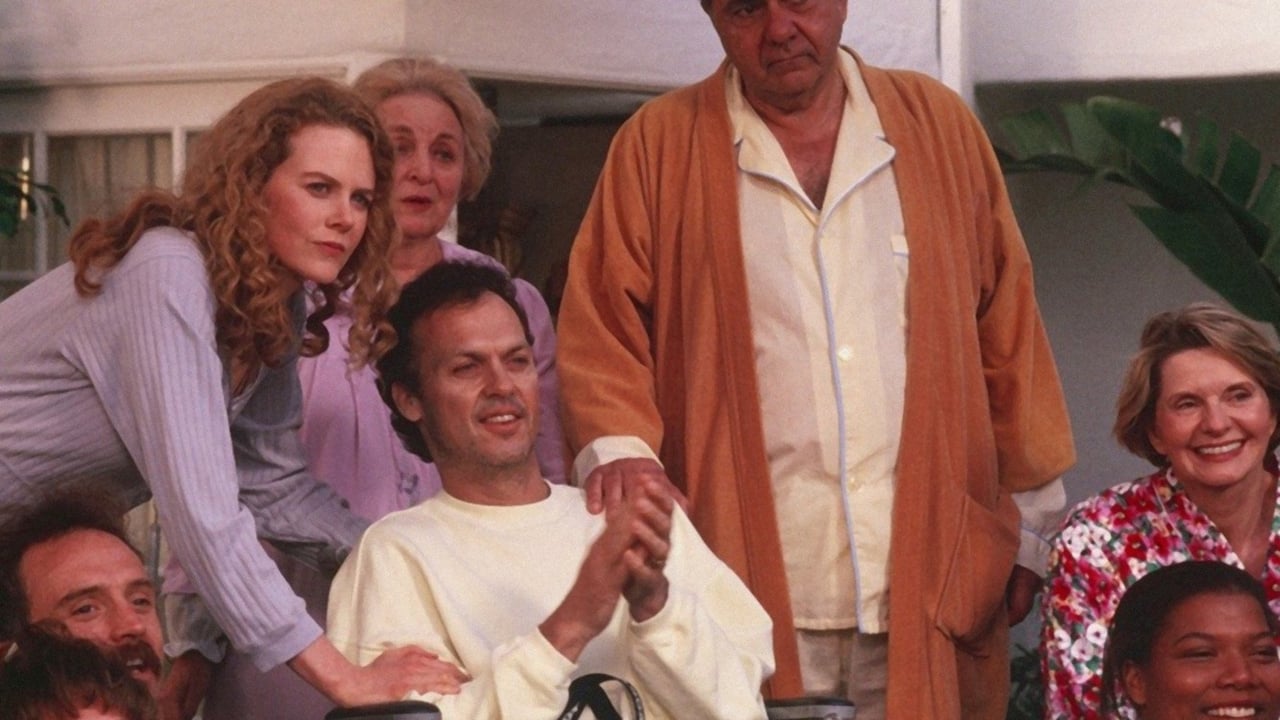
Rubin wisely keeps the focus tight on the characters. There are no flashy directorial tricks; the style is relatively unadorned, letting the emotional core breathe. The film cost around $20 million to make and saw a modest return at the box office (around $27.8 million domestic), suggesting it connected with audiences looking for thoughtful drama rather than spectacle. It wasn't a runaway hit, but like a treasured tape passed among friends, it found its audience.
### Tapes Within Tapes: A Pre-Digital Legacy
The central device – the home video recording – feels particularly poignant viewed through our VHS Heaven lens. Remember the clunky camcorders of the era? The slight fuzziness, the hum of the tape? My Life uses this technology not just as a plot point, but as a symbol of memory itself – imperfect, tangible, deeply personal. Bob meticulously labels each tape, cataloging moments of advice on shaving, dating, dealing with bullies. There's a meta-nostalgia here, watching a character create video memories on a format we ourselves remember so vividly. It underscores the film's central theme: the desperate human need to leave a mark, to connect across time, even if only through flickering images on a screen. Apparently, achieving that authentic home-video look within the polished production required specific technical choices, grounding Bob's intimate moments in a familiar visual language.
Beyond the tapes for his son, the film delves into Bob's unresolved past, particularly his difficult relationship with his immigrant family back in Detroit. His journey forces him to confront long-buried resentments and seek reconciliation, adding another layer to his race against time. These scenes, featuring strong supporting performances, prevent the film from becoming solely about the illness, broadening it into a meditation on forgiveness and understanding one's roots.
### Does it Hold Up?
Watching My Life today, the emotional core remains potent. Yes, it pulls at the heartstrings, unashamedly so. Some might find the pacing deliberate, or certain moments leaning into melodrama. The recurring motif of a childhood circus memory, while symbolic, might feel a touch heavy-handed to modern eyes. Yet, the central performances by Keaton and Kidman are so strong, so grounded in believable pain and love, that they elevate the material. The film tackles universal fears with a directness that feels brave. It doesn't offer easy answers, but it encourages reflection on how we live, who we love, and what truly matters when time becomes precious. Doesn't that core question still resonate deeply today, perhaps even more so in our relentlessly fast-paced world?
It wasn't the kind of movie my friends and I endlessly quoted back then, but it was one that prompted quieter conversations, a shared acknowledgement of its weight. It took me right back to that feeling of renting something substantial, something that might stick with you long after the credits rolled and the tape needed rewinding.
VHS Heaven Rating: 7/10
Justification: While occasionally dipping into sentimentality and featuring some slightly dated stylistic choices (like the circus motif), My Life earns its emotional impact through deeply authentic lead performances, particularly from Michael Keaton in a challenging, vulnerable role. Bruce Joel Rubin's personal connection to the material infuses it with sincerity, and its exploration of mortality, regret, and legacy through the poignant device of home video recordings remains affecting. It's a thoughtful, well-acted 90s drama that, despite its flaws, tackles profound themes with commendable honesty.
Final Thought: My Life is a time capsule not just of its era's filmmaking, but of a universal human impulse: the desire to ensure our stories, our love, somehow outlive us, even if only on a humble videotape.