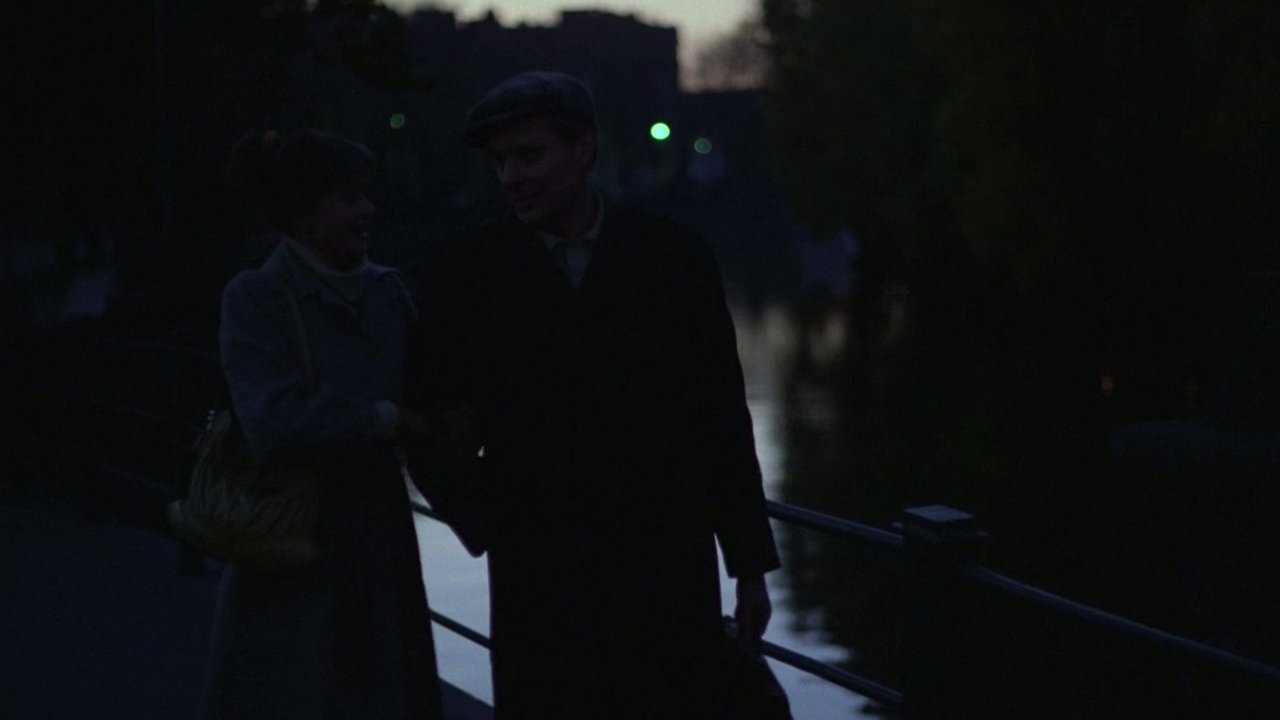
It starts with a man running. Not sprinting with athletic purpose, but jogging with a kind of weary obligation through the damp, leaf-strewn parks of autumnal Leningrad. This image of Andrey Buzykin (Oleg Basilashvili) bookends Autumn Marathon (Осенний марафон, 1979), and it’s perhaps the most succinct visual metaphor for the life he finds himself trapped within – a perpetual, exhausting motion dictated by everyone but himself. Watching it again, decades after its quiet arrival on the scene, the film feels less like a relic of a specific time and place (though it is undeniably that) and more like a timeless, achingly human portrait of indecision.
The Gentle Prison of Politeness
At its heart, Autumn Marathon is the story of Buzykin, a talented translator caught in the emotional crossfire between his sharp, long-suffering wife, Nina (Natalya Gundareva), and his sensitive, demanding mistress, Alla (Marina Neyolova). He’s fundamentally a kind man, perhaps too kind. His inability to say "no," to make a definitive choice, or even just to carve out space for his own needs, creates a vortex of small lies, missed connections, and mounting anxieties. He dashes from clandestine meetings to domestic obligations, perpetually apologetic, perpetually late, perpetually exhausted.
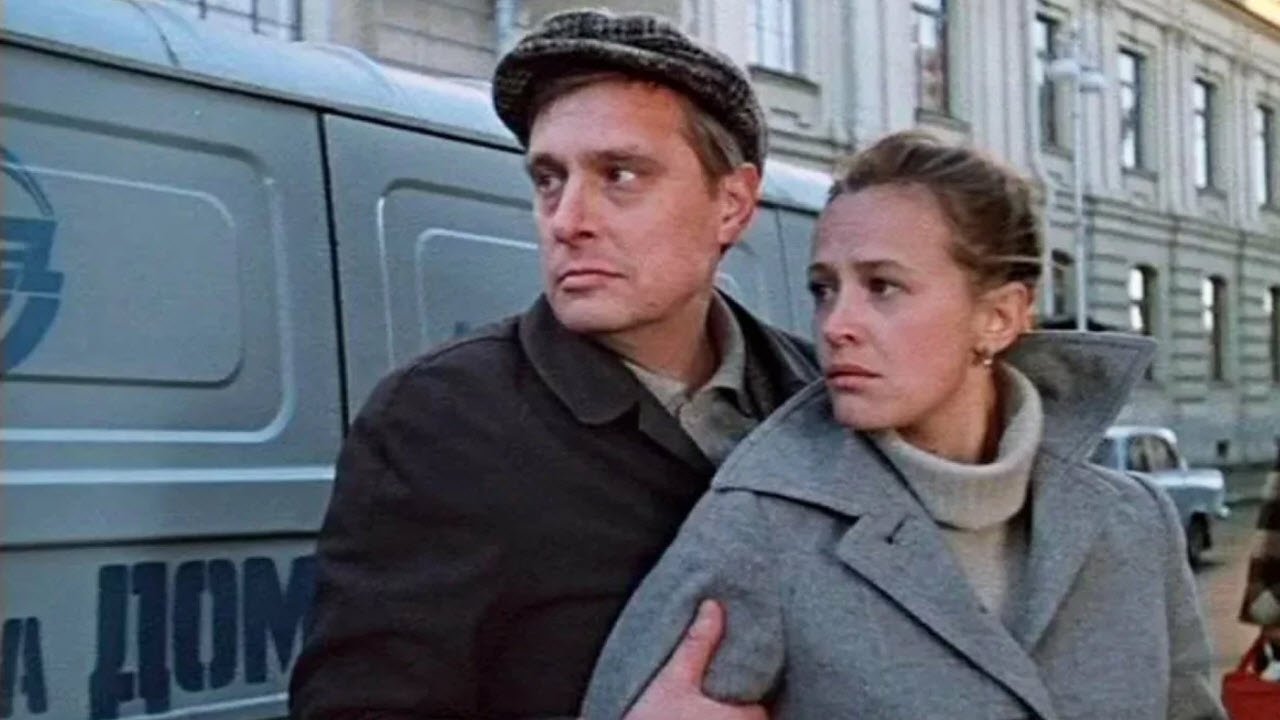
Oleg Basilashvili’s performance is simply masterful. Often cast in more imposing roles, here he embodies Buzykin’s profound passivity with heartbreaking subtlety. It’s all there in his slumped shoulders, his hesitant smiles, the flicker of panic in his eyes as the phone rings yet again. He makes Buzykin simultaneously infuriating – you want to shake him, tell him to decide – and deeply sympathetic. Who among us hasn’t felt pulled in too many directions, hasn't told a small white lie to avoid confrontation, hasn't felt the weight of expectation? Basilashvili doesn't just play a character; he embodies a very recognizable human frailty.
A City Painted in Melancholy Hues
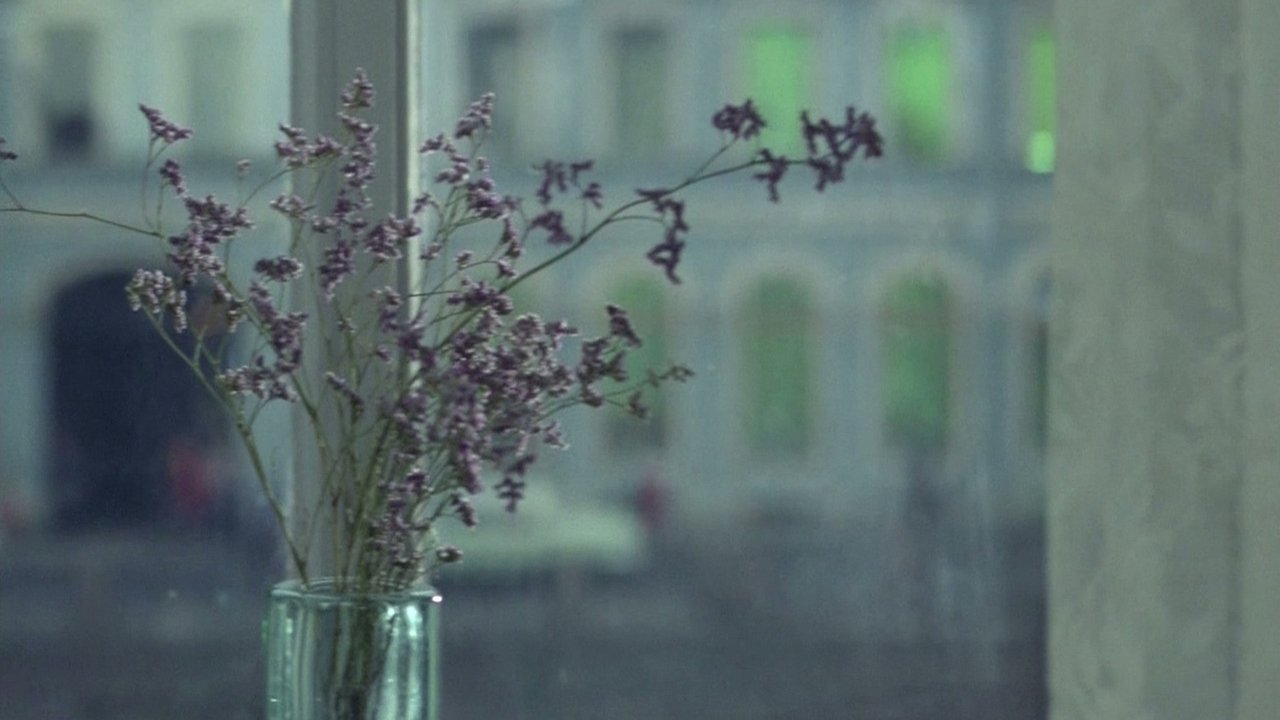
Director Georgiy Daneliya, known for his unique brand of lyrical, often melancholic comedies like Mimino (1977), uses the Leningrad setting to perfection. The persistent drizzle, the grey skies, the sprawling, slightly decaying beauty of the city – it all mirrors Buzykin’s internal landscape. It’s not bleak, exactly, but imbued with a gentle sadness, a sense of things winding down, much like Buzykin’s own waning control over his life. Daneliya's touch is light; he observes rather than judges, allowing the humour and the pathos to emerge organically from the situations.
The supporting cast forms the constellation of demands orbiting Buzykin. Natalya Gundareva brings a fierce intelligence and weary resignation to Nina, a woman who sees through her husband’s charades but perhaps lacks the energy to fight them anymore. Marina Neyolova’s Alla is fragile and emotionally raw, her desperation adding another layer of pressure onto Buzykin. Then there are the peripheral figures who pull him further off course: his boorish neighbour Kharitonov (Yevgeny Leonov, beloved Russian comedy star from films like Gentlemen of Fortune), who insists on shared jogs and drunken mushroom-picking expeditions, and the well-meaning Danish professor Hansen (Norbert Kuchinke), who Buzykin is supposed to be guiding but often ends up enabling in his own misadventures. Each character represents another thread in the tangled web Buzykin has woven, another obligation he cannot refuse.
Echoes from Another Time: Retro Insights
Finding a film like Autumn Marathon back in the VHS heyday wasn't always easy. It wasn’t the kind of tape shouting for attention from the New Releases wall amidst the action blockbusters. More likely, it was discovered via a specialty label, a late-night TV broadcast carefully recorded, or a recommendation from a fellow cinephile who knew where to look beyond the mainstream. Based on a play by Aleksandr Volodin (who co-wrote the screenplay with Daneliya), the film struck a chord far beyond Soviet borders, winning the Golden Shell at the San Sebastian Film Festival.
Its enduring popularity in Russia is immense; lines from the film have entered everyday conversation, a testament to how perfectly it captured a certain mood, a certain type of intellectual character adrift in the Brezhnev era's 'stagnation'. Yet, the themes transcend specific politics. The quiet desperation, the absurdity of social obligations, the paralysis of choice – these feel remarkably universal. There’s a subtle critique here, perhaps, of an environment where asserting personal desire feels almost impossible, but it’s wrapped in such gentle humour and empathy that it avoids bitterness. It reportedly cost around 563,000 Soviet rubles to make – a modest sum even then – but its cultural return has been immeasurable.
The Laughter That Catches in Your Throat
What makes Autumn Marathon so special, and so rewatchable, is its exquisite balance of comedy and tragedy. You laugh at Buzykin’s increasingly farcical attempts to juggle his commitments, the near-misses, the absurd excuses. But the laughter is always tinged with sadness, because we see the toll it’s taking on him and the women in his life. Daneliya finds the profound in the mundane, the heartbreak in the everyday absurdity. It’s a film that doesn’t offer easy answers or neat resolutions. Buzykin keeps running, metaphorically and literally, caught in his self-made loop.
Doesn’t that feeling linger, long after the credits roll? That sense of being caught, of wanting to please everyone and pleasing no one, least of all oneself? It’s a quiet film, unassuming in many ways, but its emotional depth is vast.
Rating: 9/10
This score reflects the film's masterful central performance, its pitch-perfect tragicomic tone, Georgiy Daneliya's sensitive direction, and its enduring, universal resonance. It's a near-flawless portrayal of a very human dilemma, crafted with subtlety, humour, and profound empathy. Minor pacing dips in the middle barely detract from its overall power.
Autumn Marathon is more than just a Soviet-era classic; it's a mirror held up to the compromises, anxieties, and gentle absurdities of life itself. It reminds us that sometimes the most exhausting marathons are the ones we run inside our own hearts.