The nerve of it. The Final Friday. Plastered right there on the clamshell case, practically daring you to believe it. After eight entries carving a bloody path through the 80s, New Line Cinema, having wrestled the rights away from Paramount, decided 1993 was the year Jason Voorhees would finally meet his maker. For real this time. Except... not quite. What Jason Goes to Hell: The Final Friday delivered wasn't just an ending, but a curveball so wild it left many fans reeling in the flickering glow of their CRTs, wondering what in the unholy hell they just witnessed.
### Not Your Father's Crystal Lake Slasher
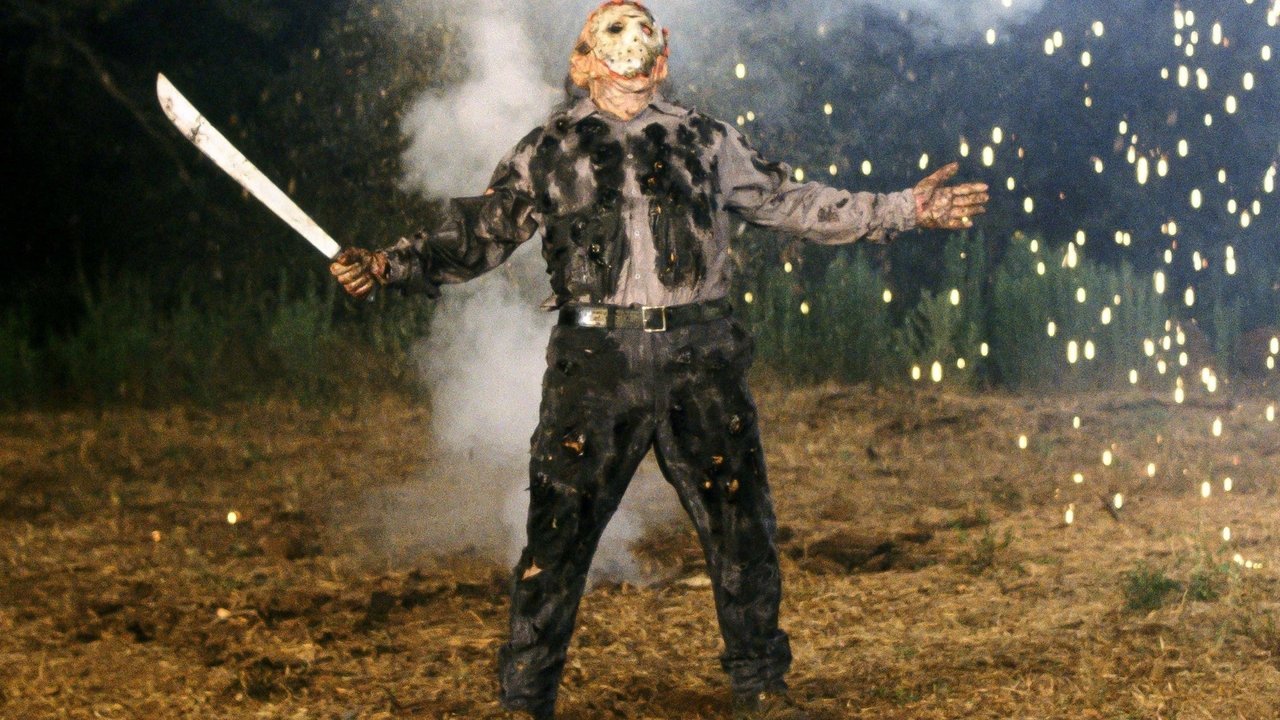
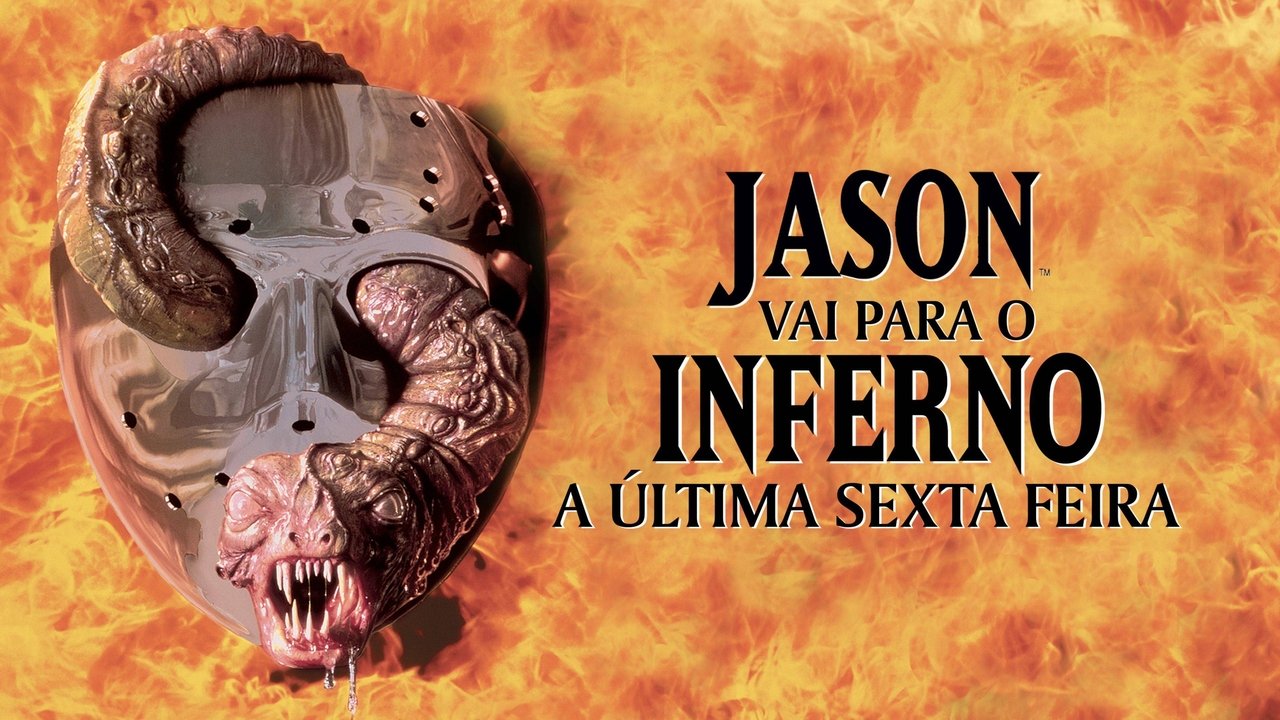
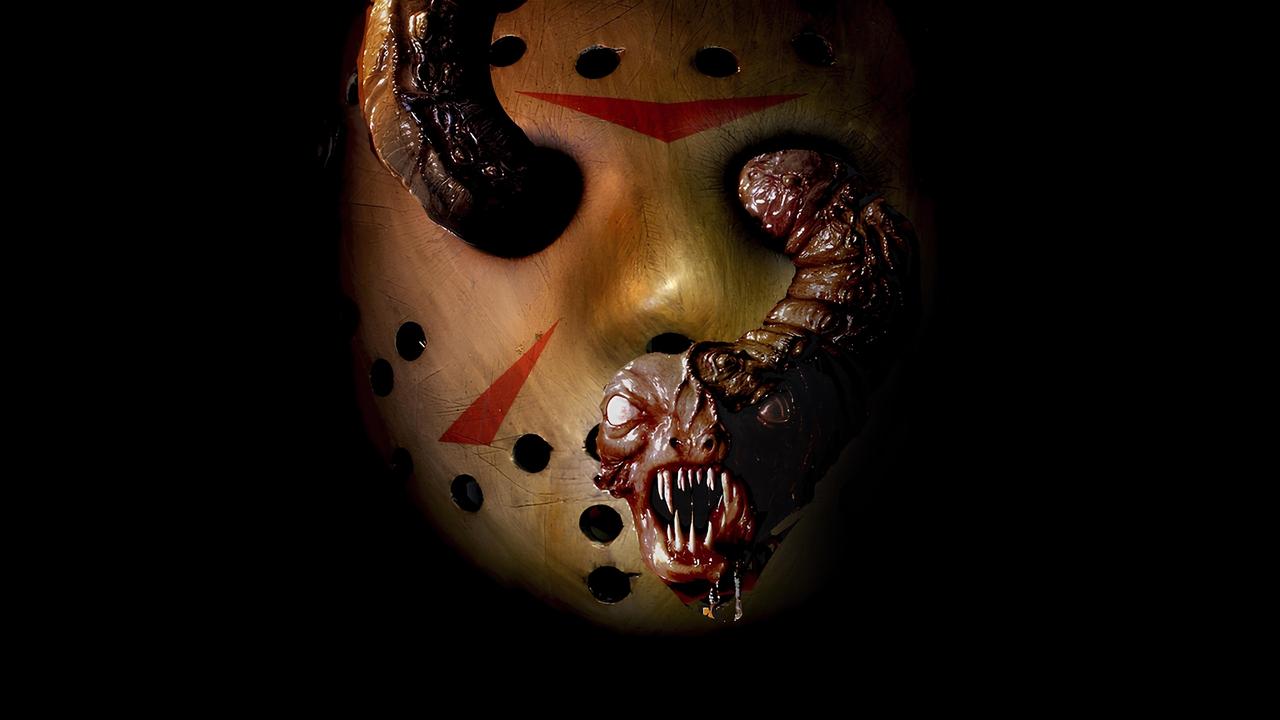
Forget the methodical stalking, the slow burn tension building towards Jason bursting from the woods. Director Adam Marcus, then a shockingly young 23-year-old, kicks things off with an explosive FBI sting operation that seemingly obliterates Jason into gory chunks. A stunning opening, sure, but one that immediately signals this isn't business as usual. What follows is less a traditional slasher and more a supernatural body-hopping horror film. Jason's evil essence, it turns out, can transfer from host to host via a grotesque, slug-like parasite (lovingly dubbed the "Hellbaby" by the effects crew). Our titular killer spends most of his own movie possessing various unfortunate souls, leaving the iconic hockey mask gathering dust for large stretches. It was a bold, baffling choice, alienating many who just wanted to see Kane Hodder do his hulking, machete-wielding thing.
### A Symphony of Splatter
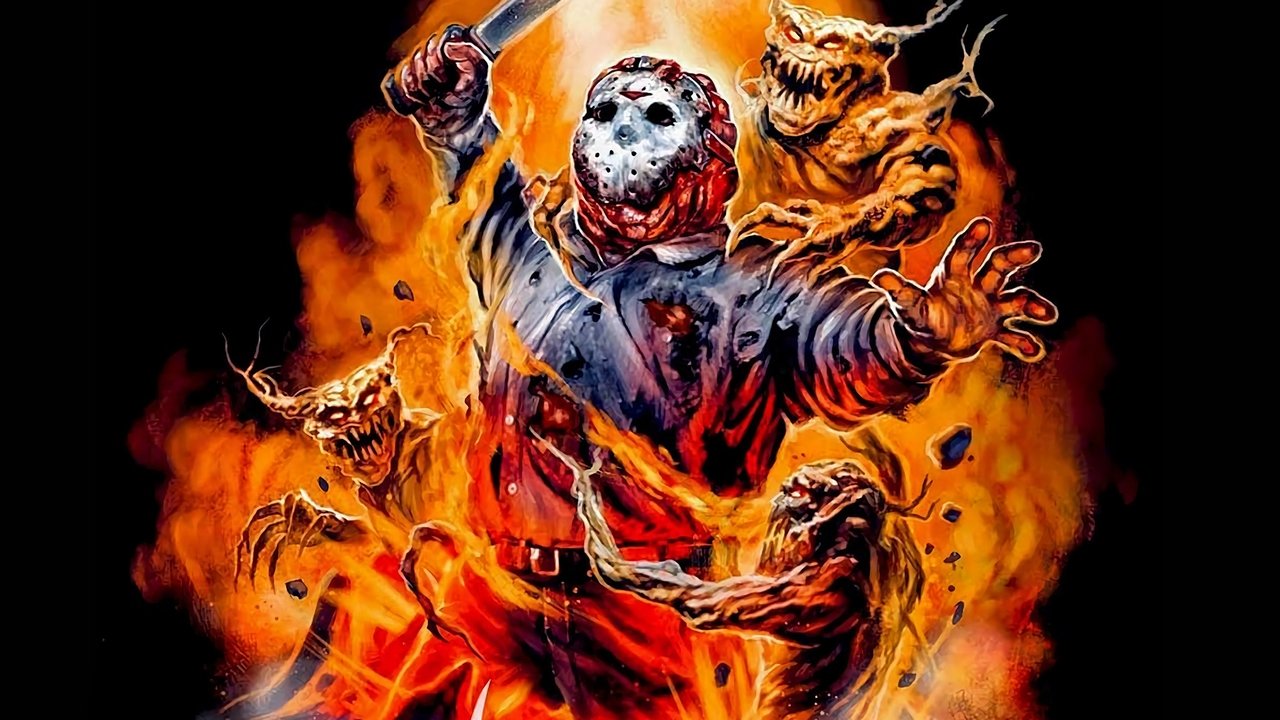
While the narrative took a detour down Bizarre Boulevard, one thing Marcus and his team didn't skimp on was the gore. Freed from the arguably tamer sensibilities of late-era Paramount, New Line let the viscera fly. Jason Goes to Hell is gleefully nasty, filled with memorable practical effects that pushed the limits of the R-rating. Heads are crushed, bodies are bisected, and there's a tent scene that delivers a shocking payoff still talked about today. It’s rumored this entry faced some of the most brutal cuts from the MPAA in the entire franchise history, forcing multiple trims to avoid the dreaded NC-17. Hunting down the unrated cut on VHS (and later DVD) became a badge of honor for gorehounds, restoring precious seconds of arterial spray and Cronenbergian body horror that felt genuinely transgressive back then. The film's budget was a lean $3 million, but much of it seems to have ended up splattered convincingly across the screen.
### Lore, Legends, and a Link to Evil Dead
Beyond the body-swapping and bloodshed, Jason Goes to Hell throws some wild narrative wrenches into the Voorhees mythology. Suddenly, Jason has a long-lost sister, Diana Kimble (Erin Gray, familiar from Buck Rogers in the 25th Century), and a niece, Jessica (Kari Keegan), who are key to his ultimate destruction. There's also the introduction of Creighton Duke (Steven Williams), a flamboyant bounty hunter who inexplicably knows Jason's weaknesses. These additions felt less like natural extensions of the lore and more like frantic attempts to justify the new supernatural rules.
But the film's most legendary contribution, whispered about in video stores and online forums for years, happens quietly in the Voorhees house. Eagle-eyed viewers spotted it immediately: the Necronomicon Ex-Mortis, the Book of the Dead from Sam Raimi's Evil Dead series, sitting on a table. Adam Marcus, a fan of Raimi's work, had secured permission to use the prop, along with the Kandarian Dagger which appears later. It was a mind-blowing Easter egg, suggesting Jason might be a Deadite all along, retroactively linking two titanic horror franchises in a way that felt thrillingly illicit. Did it make canonical sense? Absolutely not. Was it awesome? Undeniably.
### That Jaw-Dropping Finale
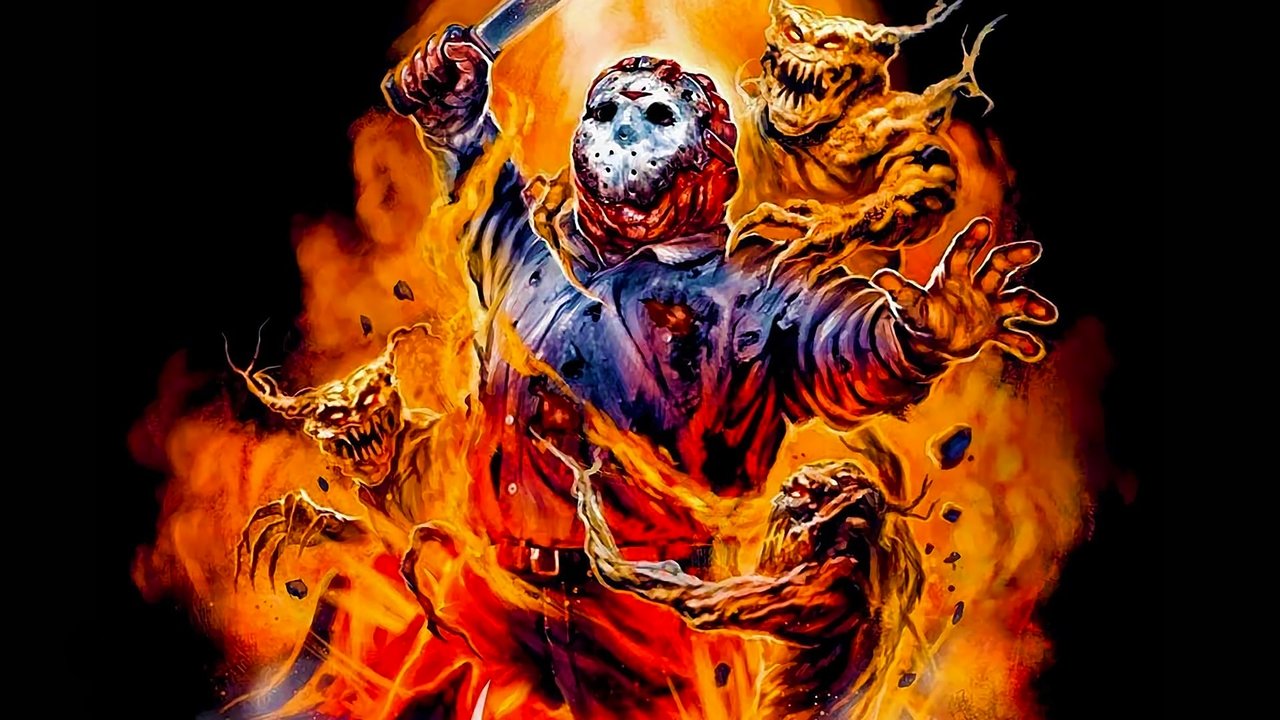
And then there's the ending. After Jason is finally dragged to hell by demonic arms bursting from the earth (it's complicated, involving Voorhees lineage and magic daggers), his discarded hockey mask lies alone in the dirt. Suddenly, a familiar clawed glove bursts from the ground, grabs the mask, and pulls it down into the fiery depths, accompanied by Robert Englund's unmistakable cackle. The setup for Freddy vs. Jason, a dream match whispered about for years, was finally, explicitly on screen. It took another decade for that film to materialize, but this stinger sent shockwaves through the horror community, a promise of epic carnage to come that almost excused the preceding 90 minutes of weirdness for some. It was a masterstroke of fan service, perfectly timed for the end credits crawl.
### The Black Sheep's Legacy
Jason Goes to Hell: The Final Friday is, without question, the oddball of the franchise. It ditched the formula, embraced supernatural chaos, and piled on the gore. Kane Hodder, arguably the definitive Jason, gets frustratingly little screen time as the man himself, though his imposing presence bookends the film effectively. John D. LeMay, who starred in Friday the 13th: The Series, returns here as the male lead Steven Freeman, providing a nice, if somewhat tangential, link to the franchise's wider universe. The film made a respectable $15.9 million at the box office, proving Jason still had pull, even in this strange new form. But its reputation remains sharply divided. Some revile it for abandoning what made Friday the 13th work. Others, myself included, find a strange affection for its sheer audacity, its go-for-broke splatter, and those incredible Easter eggs. It’s a mess, undoubtedly, but a fascinatingly ambitious one.
Rating: 6/10
Justification: The score reflects the film's divisive nature. It gets points for ambition, genuinely impressive gore effects for the era, Kane Hodder's commitment (when present), and that legendary Evil Dead/Nightmare on Elm Street tease. However, it loses significant points for its convoluted plot, sidelining Jason for most of the runtime, and straying so far from the core elements that define the series. It’s not a good traditional Friday film, but it’s a memorable, gory, and bizarre piece of 90s horror history.
Final Thought: Jason Goes to Hell may not have been the final Friday, but it was certainly the weirdest, a baffling detour that gave us just enough splatter and one hell of a final shot to keep us talking about it decades later.