Alright, fellow tapeheads, slide that worn copy of Return of the Living Dead Part II into the VCR, adjust the tracking just so, and let's talk about one of the stranger follow-ups from the glorious glut of 80s horror sequels. Remember grabbing this off the shelf, maybe lured in by the familiar logo and hoping for another blast of punk-rock zombie mayhem like the original? What we got instead was… well, different. It’s like the movie equivalent of finding out your favorite hardcore band suddenly decided to make a polka album.
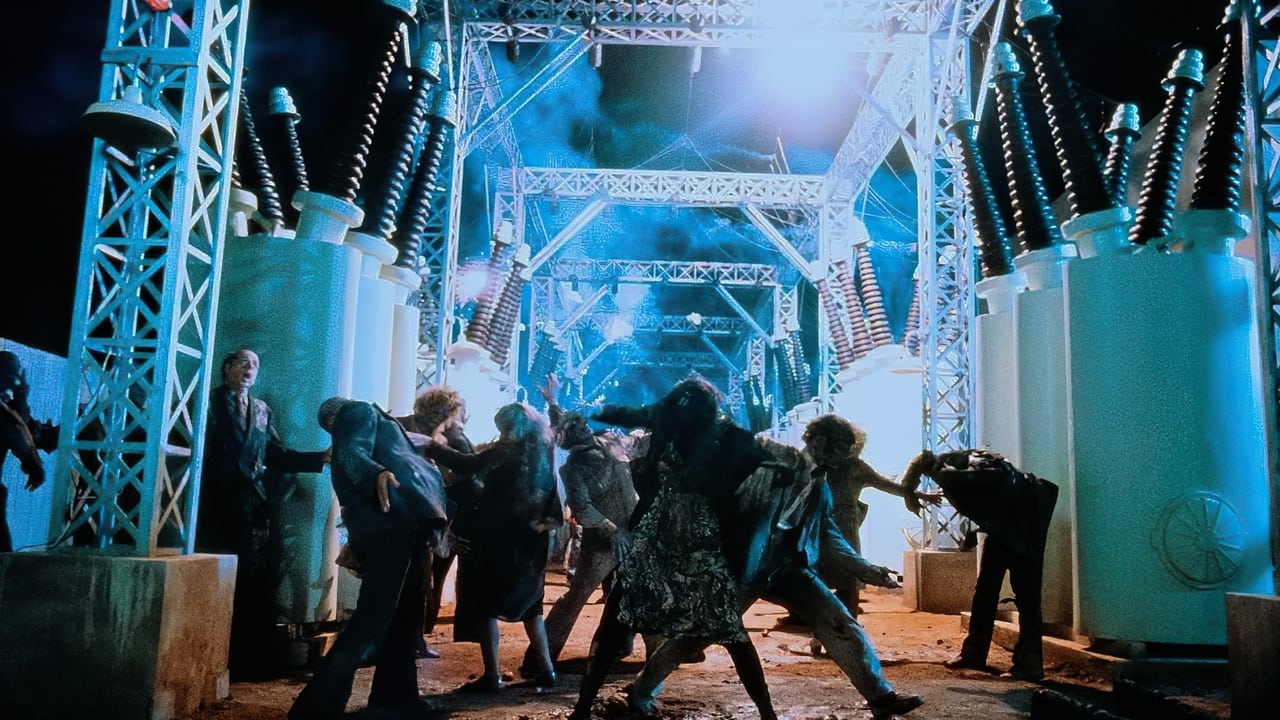
Released in 1988, this sequel felt less like a direct continuation of Dan O'Bannon's edgy 1985 masterpiece and more like someone accidentally dropped a canister of Trioxin into the middle of a Goonies knock-off script reading. The premise itself feels classic B-movie: a lost military drum (yep, one of those drums) falls off a truck near a sleepy suburban town, gets cracked open by some inquisitive kids, and soon the local cemetery is doing the monster mash all over again.
### Familiar Brains, New Faces?
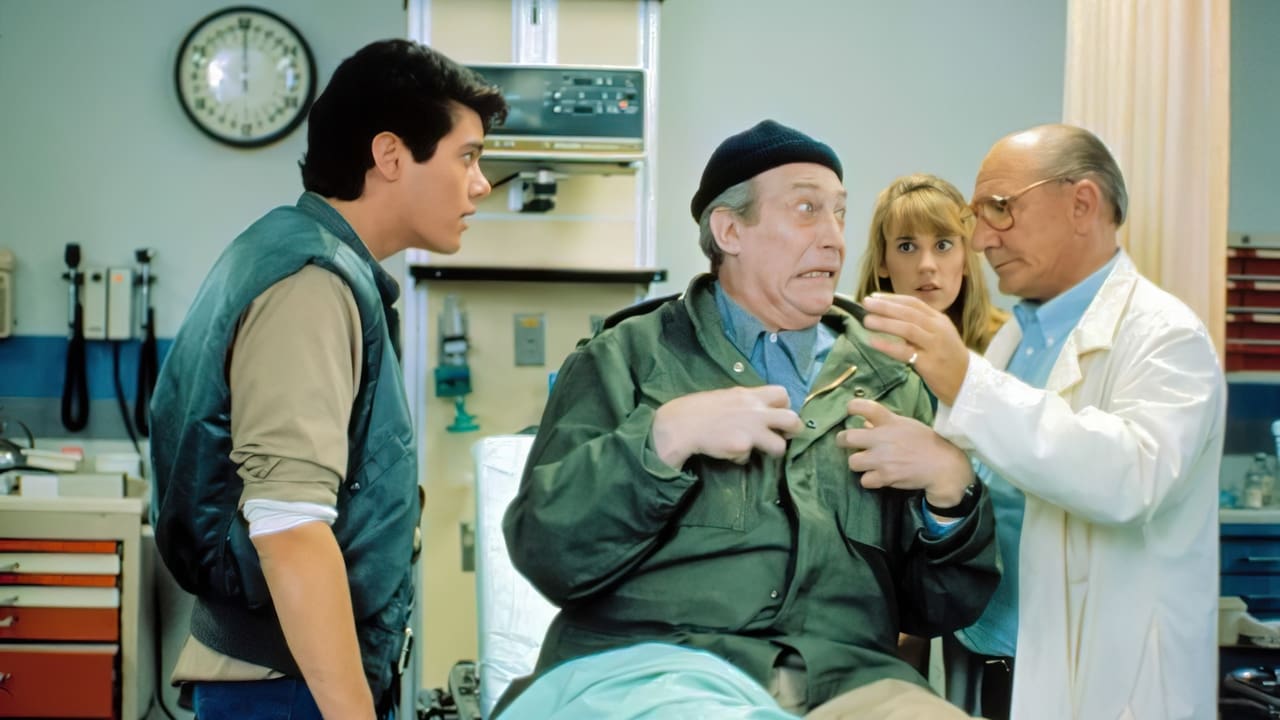
One of the first things that likely jolted longtime fans – or maybe just caused a confused double-take through the CRT static – was seeing James Karen and Thom Mathews back on screen. Weren't their characters, Frank and Freddy, definitively, uh, incinerated at the end of the first film? Well, yes. Director Ken Wiederhorn (who gave us the eerie underwater Nazi zombies in 1977's Shock Waves) apparently loved their chemistry so much he brought them back, not as Frank and Freddy, but as entirely new characters: Ed (Karen) and Joey (Mathews), a pair of bumbling grave robbers. It’s a bizarre choice, almost meta before meta was cool, offering a weird comfort seeing those familiar faces amidst the ensuing chaos, even if they're playing different tunes this time. Word is Wiederhorn simply wanted them involved but didn't want to saddle them with the grim fate of their original characters again. Fair enough, I suppose?
### Slapstick Over Splatter
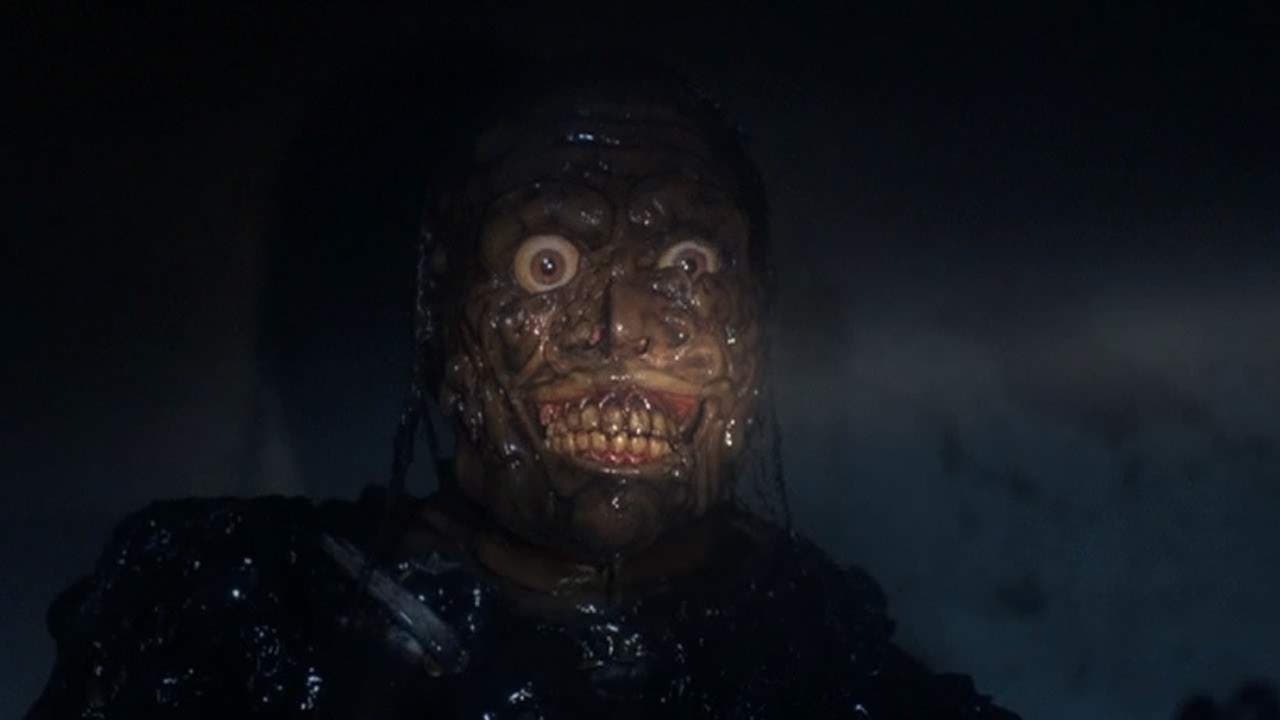
Where the original Return brilliantly blended genuine scares, sharp satire, and pitch-black humor, Part II leans hard into outright slapstick. The zombies here are less terrifyingly relentless and more… inconvenient? Goofy, even. We get gags like a disembodied talking head (voiced, fun fact, by Brian Peck, who played Scuz in the first film!), zombies getting electrocuted in comedic fashion, and even a zombie that seems to be doing a Michael Jackson impression. Wiederhorn, who also wrote the screenplay, clearly aimed for a broader, more comedic audience. Filmed primarily around Southern California locales like Sierra Madre and South Pasadena, the suburban setting feels brighter, cleaner, almost Spielbergian compared to the grimy punk aesthetic of its predecessor.
The shift in tone was jarring for many back in the day, and honestly, it still is. The film cost around $6.2 million to make and pulled in about $9.2 million domestically – respectable, but hardly the breakout hit the producers might have hoped for, likely hampered by lukewarm reviews that criticized its lighter touch and perceived derivativeness. Critics weren't kind, often pointing out similarities to Ghostbusters or other kid-centric adventure films, despite the R-rating.

### Practical Effects Still Shine (Sort Of)
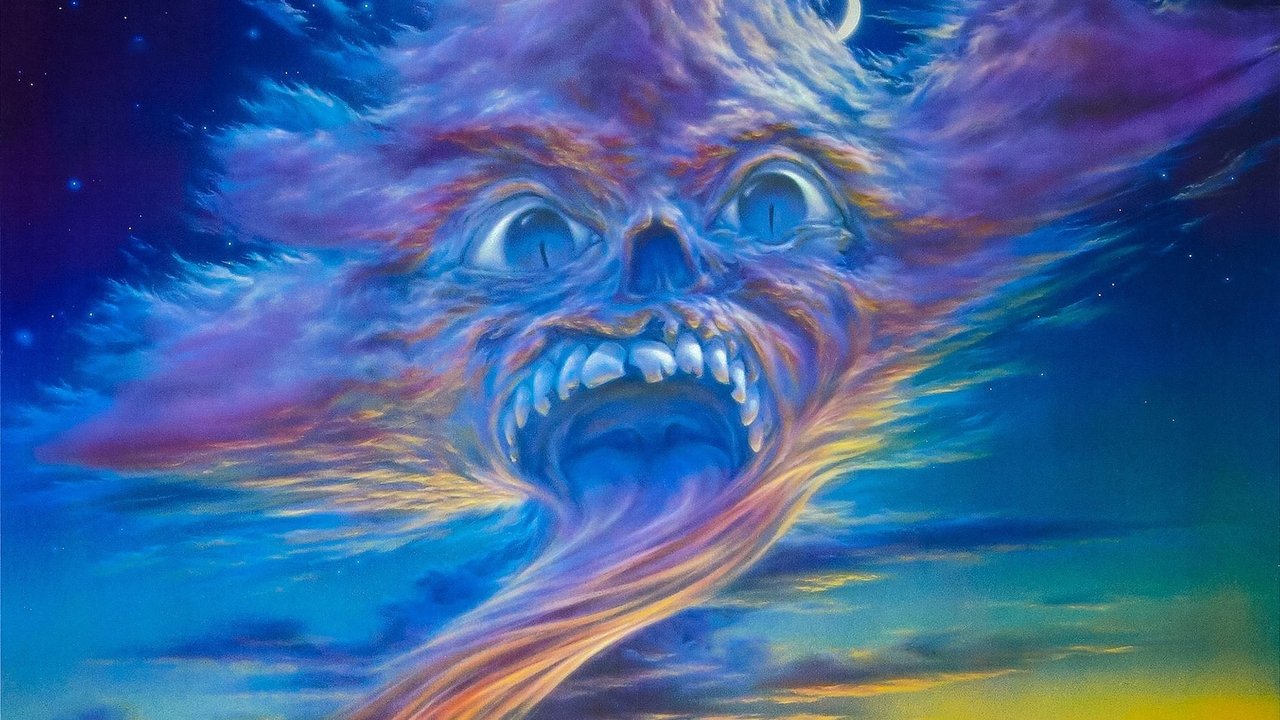
Now, let's talk about what VHS Heaven regulars appreciate: the hands-on craft. Even with the sillier tone, Return of the Living Dead Part II still boasts some wonderfully tangible practical effects work from Kenny Myers (who also worked on Part I). The zombie designs might be a bit more rubbery and less menacing this time around, but there's an undeniable charm to seeing actual makeup and prosthetics doing the work. Remember how real those squibs and fleshy impacts looked on our fuzzy tube TVs, even when the context was absurd? That severed head gag, while played for laughs, is a solid piece of practical wizardry. You can almost feel the latex and Karo syrup. It’s a world away from today's weightless CGI hordes, and for that tactile quality alone, it earns a nostalgic nod. The climactic scene involving electricity and the undead horde showcases some fun, large-scale practical stunt work too, even if it feels more like a theme park attraction than a terrifying showdown.
The score by J. Peter Robinson, who would later score Wayne's World (1992), also reflects the shift – less punk energy, more traditional orchestral swells mixed with 80s synth-pop cues trying to amp up both the scares and the laughs, sometimes clashing awkwardly.
### The Oddball Sequel Experience
Watching Return of the Living Dead Part II today feels like excavating a specific, slightly weird layer of 80s horror history. It’s not the groundbreaking classic its predecessor was. It’s goofier, broader, and arguably misunderstands what made the first film so special. It feels like a studio attempt to sand off the rough edges and create something more palatable, accidentally creating something uniquely awkward in the process. Yet, there's an undeniable earnestness to its B-movie ambitions, a certain charm in its commitment to the silly zombie gags, and seeing Karen and Mathews back, even in baffling new roles, is always a treat. It’s the kind of sequel you’d rent on a Friday night when the A-list titles were all checked out, and you’d watch it with a shrug and maybe a few chuckles.
Rating: 5/10
Justification: Part II gets points for its commitment to practical effects, the nostalgic return of Karen and Mathews (however strange), and its status as a pure slice of 80s horror-comedy oddity. However, it loses significant points for ditching the original's sharp edge, delivering often flat comedy, and feeling more like a generic zombie romp than a worthy successor. It's a watchable, if deeply flawed, piece of the era.
Final Thought: A sequel that traded the first film's "More Brains!" chant for something closer to "More Goofs!", Return of the Living Dead Part II remains a fascinating, if frustrating, example of 80s sequelitis – a tape you might dust off more for puzzled nostalgia than genuine frights.