It wasn't a tape you slid into your VCR after a trip to Blockbuster. No, Captain EO was something different, an event. For many of us, experiencing it meant piling into a theme park theatre, donning flimsy 3-D glasses, and preparing for a sensory overload unlike anything else. Debuting in 1986 at the height of Michael Jackson mania, this 17-minute space opera wasn't just a short film; it was a high-tech, high-concept declaration that the King of Pop, Disney, and two titans of cinema were here to change the world... or at least, change how we saw theme park attractions.
### A Galaxy of Talent
The sheer creative firepower behind Captain EO remains staggering. Directed by Francis Ford Coppola, fresh off more grounded dramas but forever the visionary behind Apocalypse Now (1979), and executive produced (and co-written) by George Lucas, the maestro of Star Wars (1977), the project screamed ambition. Rounding out the writing team were Rusty Lemorande and Coppola himself. Securing these two legendary filmmakers for what was essentially an extended music video showcased the unparalleled cultural pull Michael Jackson wielded. They weren't just making a ride enhancement; they were crafting a mini-blockbuster intended to dazzle. And dazzle it did, carrying a rumored price tag somewhere between $17 and $30 million – making it, minute-for-minute, one of the most expensive films ever produced at the time. That's roughly $1.76 million per minute of screen time, a figure that still boggles the mind!
### Music Will Save the Universe
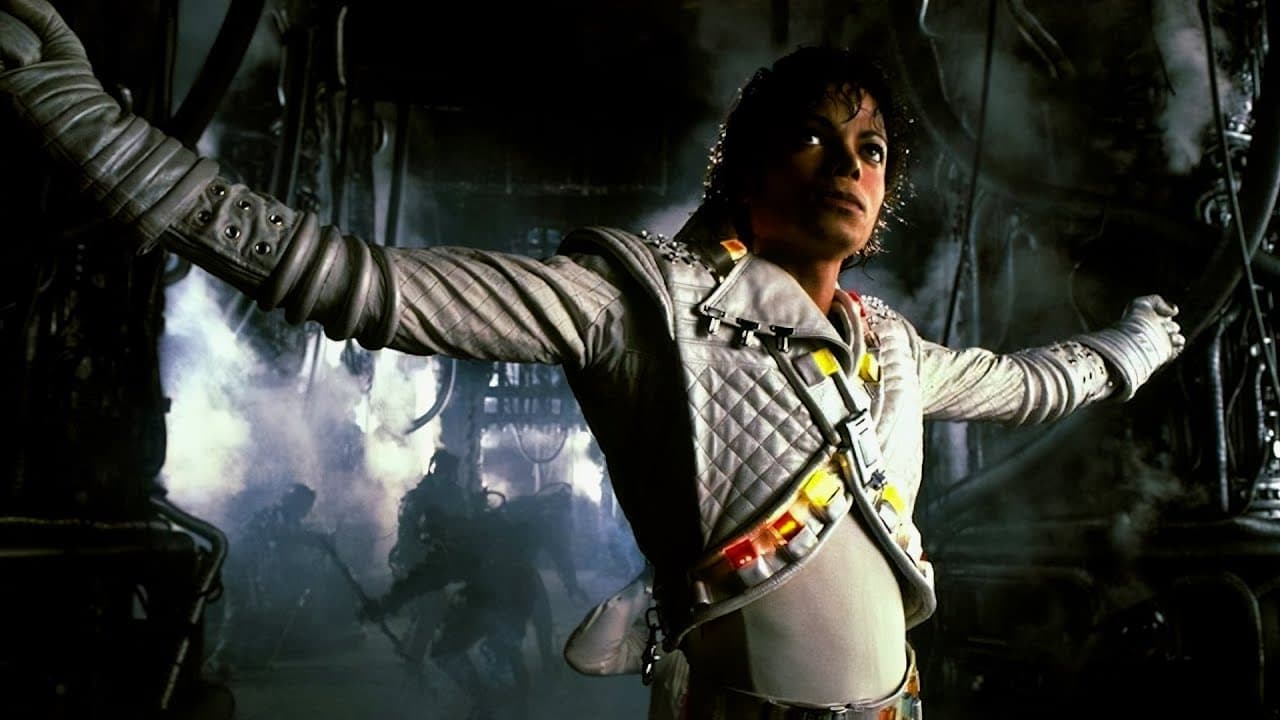
The plot, let's be honest, is delightfully simple, pure 80s optimism distilled into a sci-fi adventure. Michael Jackson stars as Captain EO, the slightly clumsy but ultimately righteous leader of a ragtag spaceship crew. His mission: deliver a gift to the wicked Supreme Leader (Anjelica Huston) of a desolate, metallic planet. EO's crew is a memorable bunch of fuzzy and robotic misfits, including the two-headed navigator Idee and Odee, the clumsy elephant-like Hooter (who constantly foils the mission), and the small flying companion Fuzzball. They crash-land, face the menacing forces of the dark planet, and what's the galaxy-saving gift EO brings? Music and dance, of course!
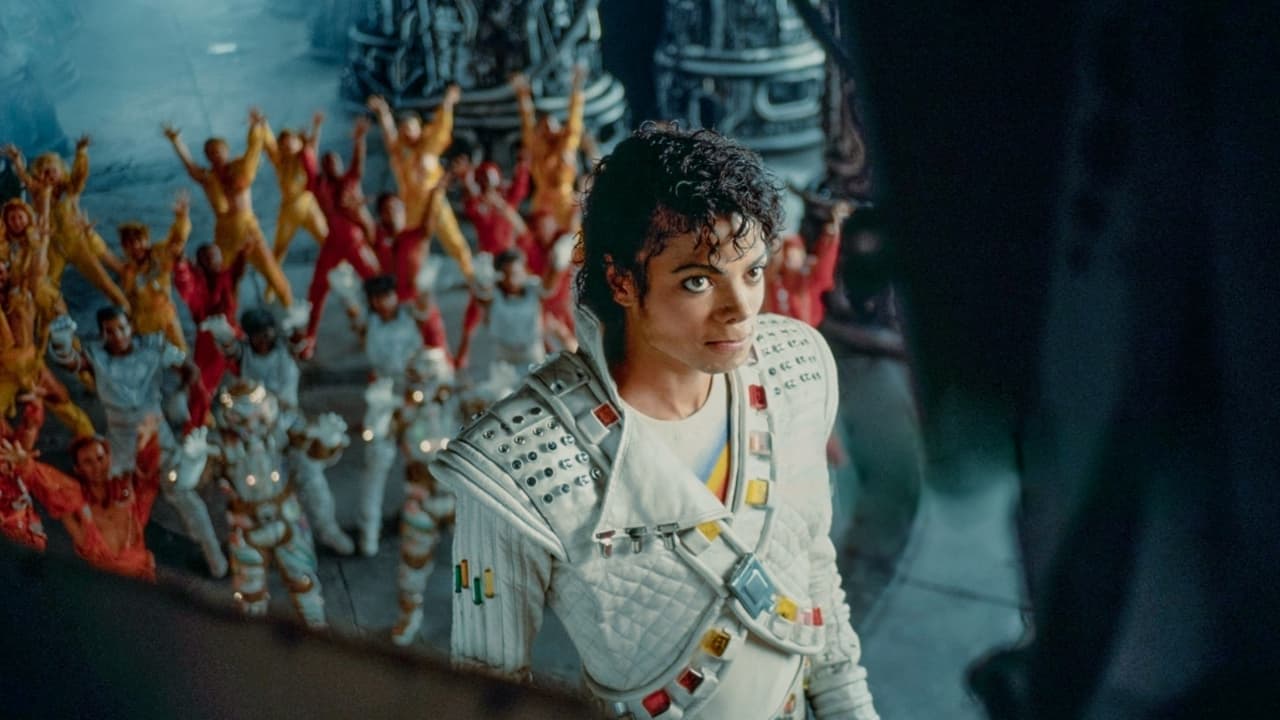
What follows is pure Michael Jackson magic. Facing the Giger-esque bio-mechanical dread of the Supreme Leader and her whip-wielding minions, EO bursts into song. Using the power of music, light, and incredible choreography, he literally transforms the darkness into vibrant color, the metallic wasteland into a Greco-Roman paradise, and the scary guards into his backup dancers. Anjelica Huston, riding high after her Oscar win for Prizzi's Honor (1985), is almost unrecognizable under layers of makeup and prosthetics, delivering a performance of imperious evil that makes her eventual transformation all the more striking. Her chilling presence provided a genuine sense of menace that grounded the fantastical elements. We even get a brief appearance from the reliably quirky Dick Shawn as EO's commander back on the home base.
### A Spectacle for the Senses
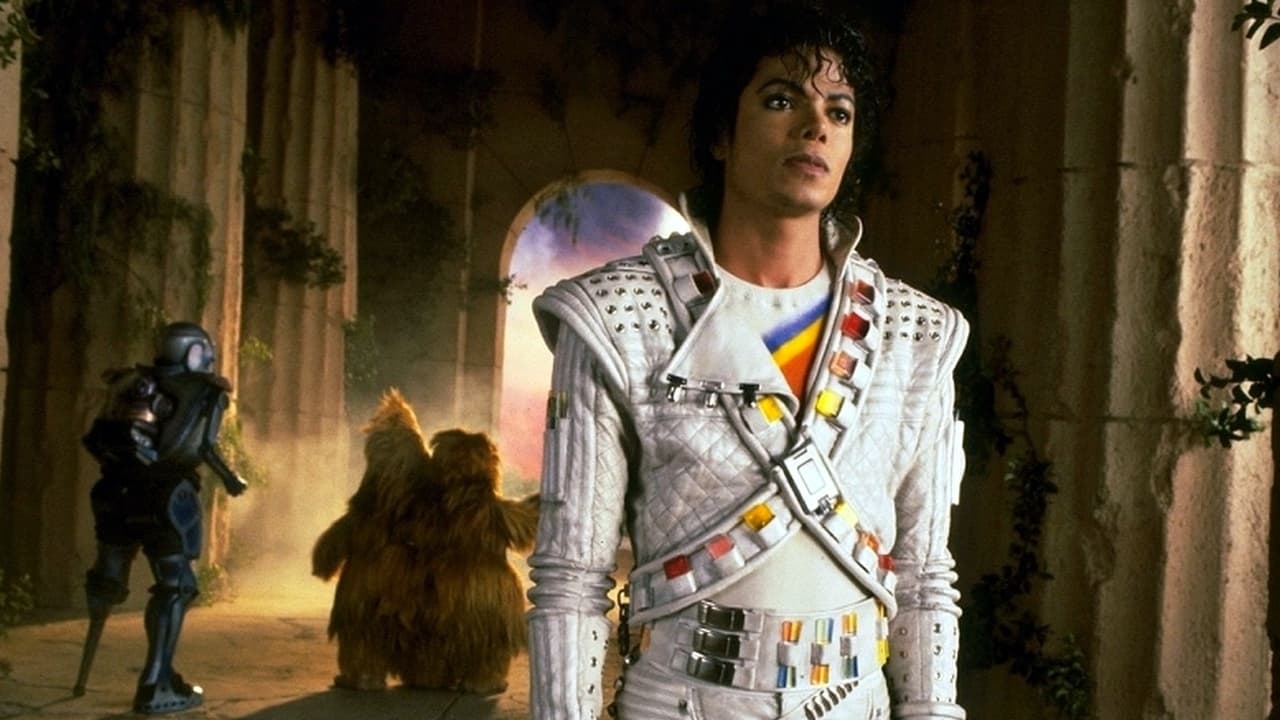
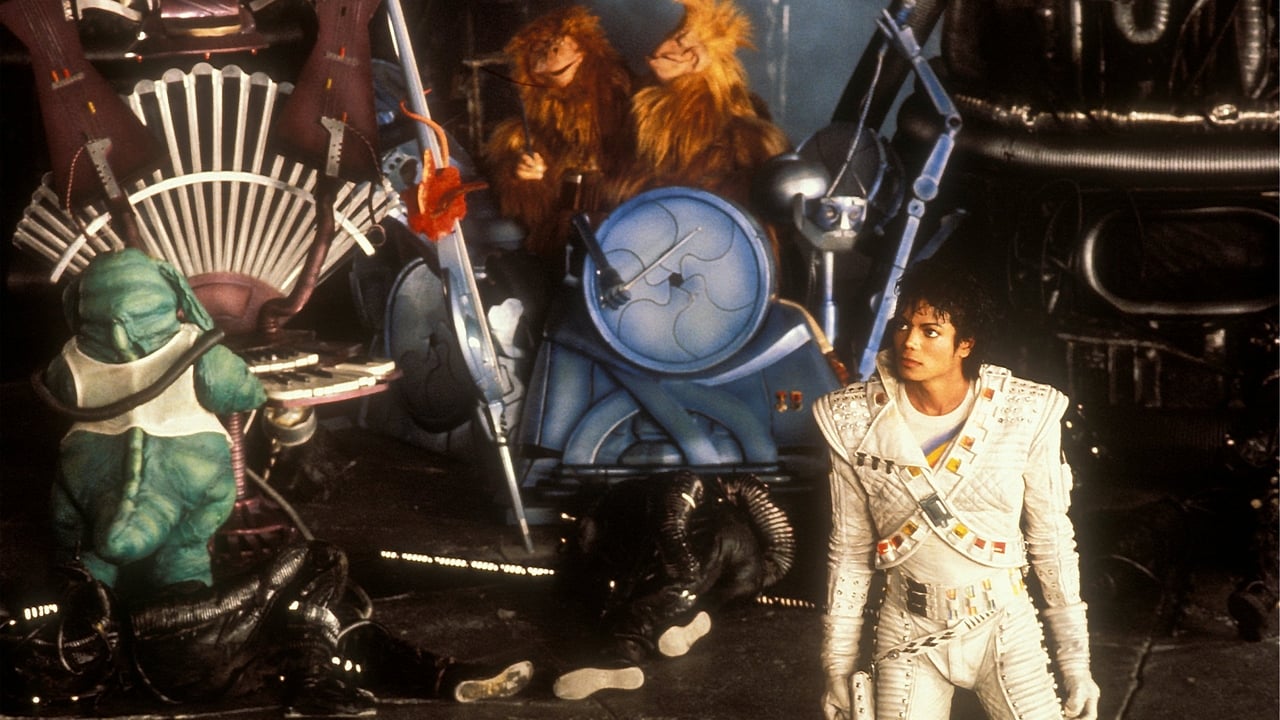
Captain EO was built for 3-D, and Coppola leaned into it. Objects frequently flew towards the audience – asteroids, laser blasts, even Fuzzball himself. Combined with in-theater effects like lasers, smoke, and star fields projected onto the walls, it created an immersive experience that standard cinema couldn't replicate. The visual effects, supervised by Industrial Light & Magic (naturally, given Lucas' involvement), were a fascinating blend of puppetry, miniatures, optical effects, and pioneering digital work. While some elements look dated now, the ambition is undeniable. The creature designs are imaginative, and the sheer scale of the production design for the Supreme Leader's dark, industrial world is impressive, especially for a short film.
The music is pure, unadulterated 80s MJ. The two original songs, "We Are Here to Change the World" and "Another Part of Me" (which later appeared on his album Bad in 1987), are infectious earworms filled with the kind of hopeful, unifying message that characterized much of his work. Jackson's dancing is, as always, electrifying. Watching him glide, spin, and command the screen is the film's undeniable highlight. He is Captain EO, embodying the role with a unique blend of vulnerability and otherworldly charisma. I vividly remember the collective gasp in the theatre during that first dramatic transformation sequence – it felt genuinely magical.
### Retro Fun Facts
Digging into the production reveals some fun tidbits. The heavy makeup and prosthetics for Anjelica Huston reportedly took hours to apply. The film was shot in 70mm 3-D, a technically demanding format that contributed significantly to the budget but also to the stunning visual clarity (when projected correctly!). There were stories about the challenges of coordinating the complex choreography, visual effects, and 3-D elements under the direction of Coppola, known for his meticulous approach. Despite its theme park origins, Captain EO had its own merchandise line, further cementing its place in the pop culture landscape of the era. Its initial run lasted for about a decade at various Disney parks, a testament to its popularity.
### The Verdict
Is Captain EO high art? Perhaps not in the traditional sense. Its story is thin, its earnestness borders on cheesy, and its reliance on spectacle over substance is clear. But judging it solely on those terms misses the point. It was a product of its time – a bombastic, visually inventive, and utterly unique convergence of talent. It captured the zeitgeist of the mid-80s, showcasing Michael Jackson at his peak, backed by Hollywood heavyweights and Disney's technological prowess. Watching it again, even on a small screen without the 3-D and theatre effects, brings back a wave of nostalgia for that specific brand of wide-eyed, effects-driven entertainment. It’s a fascinating time capsule.
Rating: 7/10
The score reflects its undeniable technical achievement, iconic status, Michael Jackson's stellar performance, and sheer nostalgic power, balanced against its narrative simplicity and dated elements. It earns its points for being a genuinely memorable piece of 80s pop culture history.
Captain EO might be gone from the theme parks (again), but its catchy tunes and dazzling, if slightly kitschy, vision of music conquering darkness still echo in the memory banks of anyone who experienced its unique brand of retro-futuristic magic. It remains a glittering shard of 80s optimism beamed directly from another galaxy.