Okay, fellow tape-heads, let’s dim the lights and press play on a slice of mid-80s grit that practically sweats off the screen. Remember that distinctive Tri-Star Pictures logo fading in, promising something a little dangerous, a little adult? That’s the vibe kicking off 1986’s No Mercy, a film drenched in the humid, menacing atmosphere of New Orleans and the Louisiana bayou. It wasn't the biggest hit, pulling in around $28 million domestically against a $16 million budget (respectable numbers, maybe $71 million adjusted today, but not setting the world alight), yet it’s one of those titles that always seemed to be lurking on the thriller shelf at the video store, daring you to take a chance.

Sweat, Revenge, and Bayou Heat
What immediately grabs you about No Mercy isn't necessarily a groundbreaking plot – Chicago cop witnesses partner's brutal murder, heads south for revenge, gets entangled with the killer's captivating 'property' – but its almost suffocating sense of place. Director Richard Pearce, who often explored rural American life (Heartland, Country), trades dusty fields for the sticky, neon-lit streets of the French Quarter and the dense, waterlogged backcountry. You can practically feel the oppressive humidity clinging to Richard Gere's rogue cop, Eddie Jillette. This isn't just set dressing; the environment feels alive, hostile, and utterly integral to the story's simmering tension. It’s a world away from the slicker urban landscapes often seen in 80s thrillers.
A Clash of Worlds, Handcuffed Together
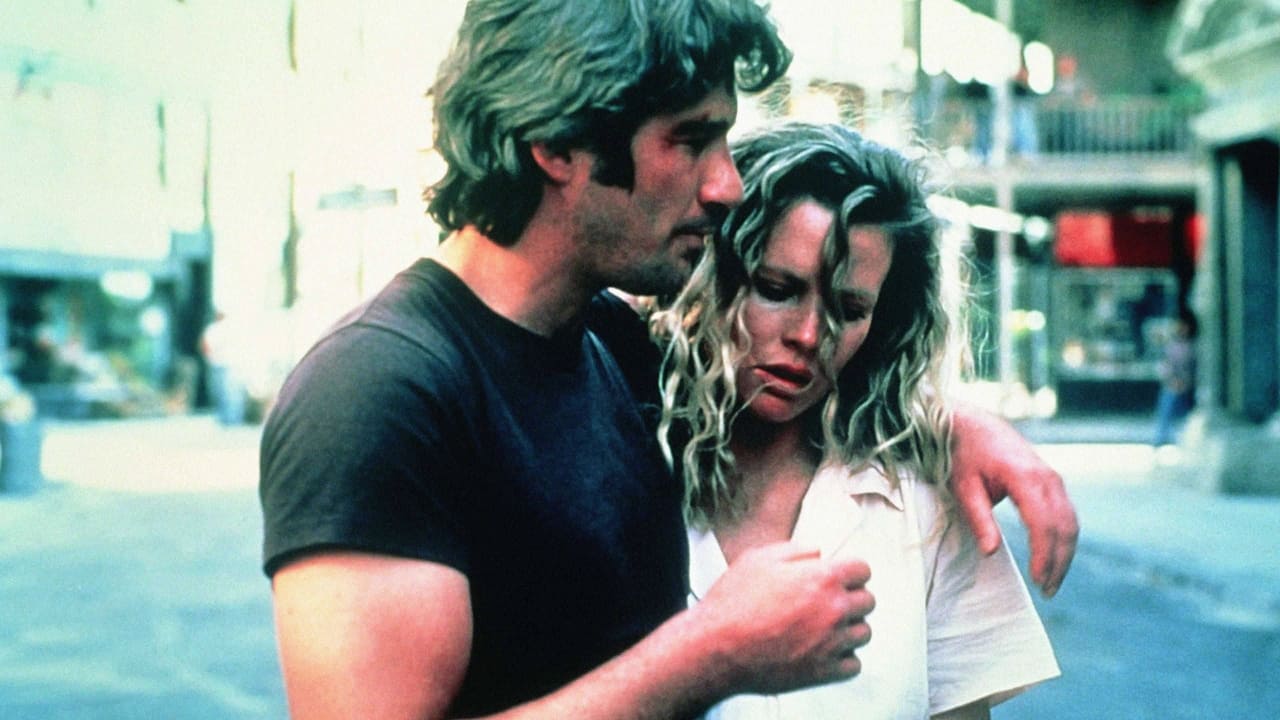
The core of the film rests on the collision between Jillette’s hardened Chicago edge and the sultry, perilous world inhabited by Michel Duval, played by Kim Basinger. Fresh off the cultural phenomenon of 9½ Weeks (also 1986), Basinger brings a fascinating mix of vulnerability and weary resilience to Michel. She’s trapped, owned by the film's genuinely unsettling villain, Cajun crime lord Losado (Jeroen Krabbé, perfectly cast with his distinct brand of European menace, familiar from later roles in The Fugitive and Bond flick The Living Daylights). Krabbé’s Losado isn't a cartoonish bad guy; there's a cold, possessive cruelty about him that feels chillingly real.
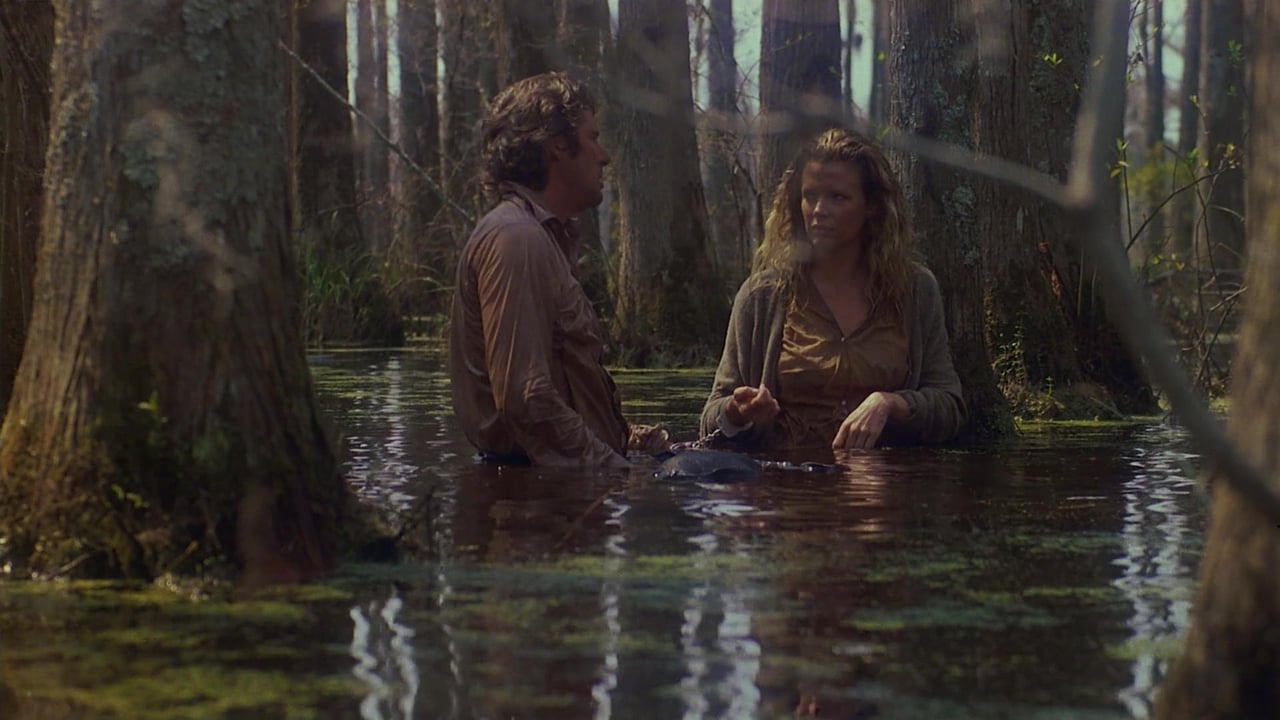
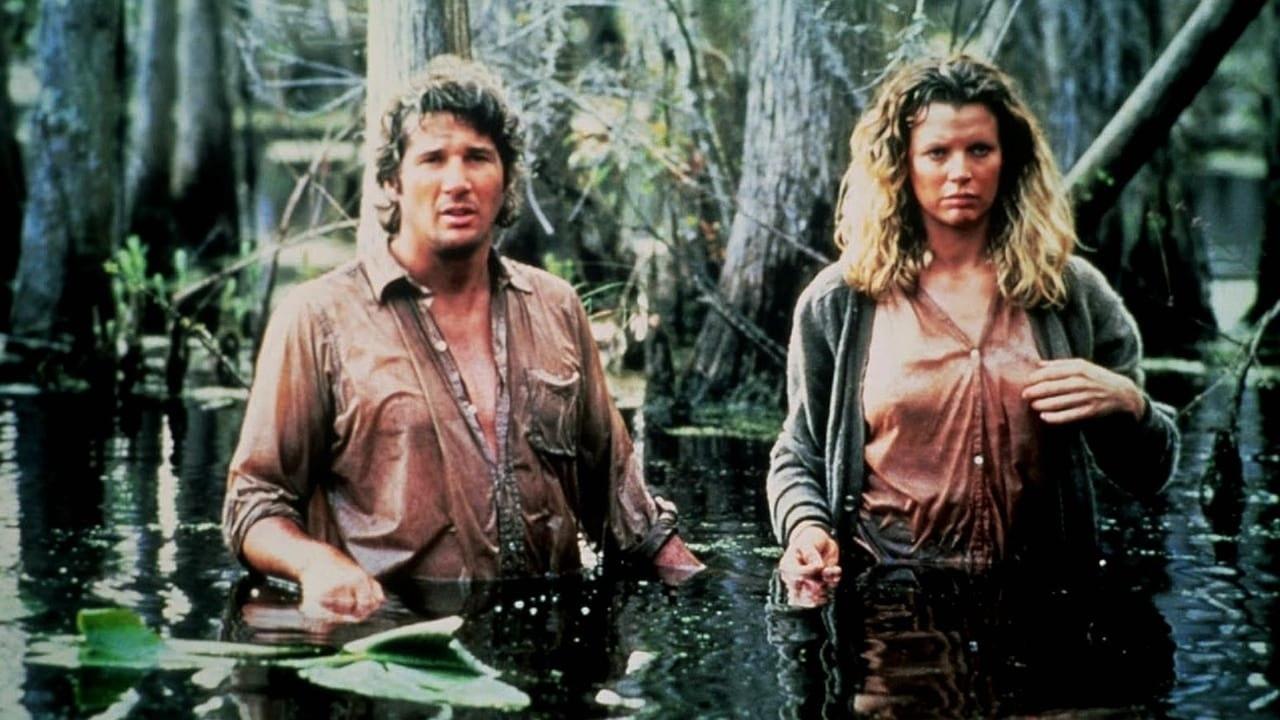
When Jillette tracks Losado down, things inevitably explode, leading to one of the film's most memorable (and perhaps slightly contrived) devices: Eddie and Michel end up handcuffed together, forced to escape through the treacherous bayou. This physical bond forces an uncomfortable intimacy and reliance between two characters from entirely different worlds. It’s a classic trope, echoing films like The Defiant Ones, but it works here primarily because of the actors’ commitment. Gere, then a massive star following An Officer and a Gentleman, channels a raw, almost feral intensity fueled by grief and vengeance. His chemistry with Basinger crackles with unresolved tension – less romantic, more primal and desperate. You believe their shared struggle against both the elements and the relentless pursuit by Losado’s men.
Behind the Grime: Craft and Trivia
Written by Jim Carabatsos, who would later pen the acclaimed Vietnam War drama Hamburger Hill (1987), the script delivers lean, functional dialogue that fits the neo-noir mood. While some plot points might feel familiar now, the execution often elevates it. The action sequences, particularly the final showdown in a blazing, abandoned hotel (a sequence reportedly quite complex to film safely with extensive practical fire effects), feel visceral and appropriately chaotic rather than overly stylized. The sense of real danger feels palpable, amplified by Alan Silvestri’s effective, often percussive score – this was Silvestri just hitting his stride after Back to the Future.
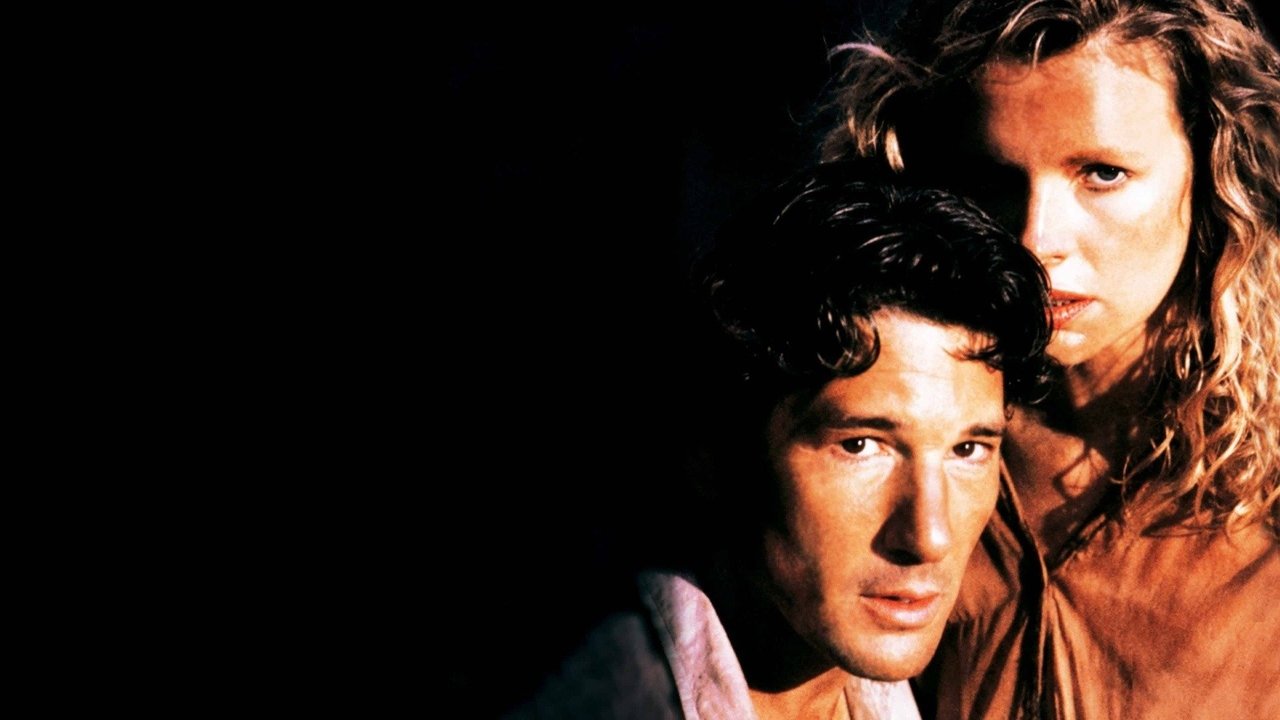
One interesting tidbit involves the filming locations. Opting for extensive shooting in both Chicago and Louisiana lends the film an authenticity that grounds the sometimes heightened drama. You can almost imagine the crew battling the Louisiana heat and humidity, which inadvertently adds another layer to the film’s sweaty, desperate aesthetic. The film’s initial reception was somewhat mixed, with critics acknowledging the atmosphere and performances but sometimes finding the story derivative. Yet, its potent mood and the star power of Gere and Basinger ensured it found a solid audience on VHS and cable, becoming a recognizable artifact of the era's crime thrillers. Does anyone else remember that VHS cover? Gere looking intense, Basinger looking defiant, hinting at the heat and danger within.
Lasting Impressions
No Mercy isn't aiming for deep philosophical insights. It's a straightforward, atmospheric revenge thriller powered by strong lead performances and a vivid sense of place. It captures that mid-80s desire for tougher, grittier crime stories, moving away from the glossier fare. Does the plot hold up to intense scrutiny? Perhaps not entirely. There are moments where convenience dictates the narrative. But the feeling lingers – the oppressive heat, the clash of cultures, the desperation in Gere's eyes, the haunting vulnerability of Basinger's Michel, and Krabbé’s chilling stillness. It’s a film that succeeds more on mood and visceral impact than intricate plotting. Watching it again, probably on a format far crisper than my old rented VHS tape, brought back that feeling of discovering a thriller that felt genuinely dangerous and grown-up back in the day.
Rating: 7/10
Justification: While the plot treads some familiar ground, No Mercy earns its points through potent atmosphere, committed performances from Gere and Basinger, a genuinely menacing villain in Krabbé, and effective direction that leverages its unique Louisiana setting. It’s a solid, gritty 80s thriller that delivers on its premise with tangible heat and tension, making it a memorable entry in the VHS catalogues of the era, even if it doesn't quite reach classic status.
It leaves you pondering not complex themes, but textures and feelings – the sweat, the fear, the unlikely connection forged in mutual peril. A potent reminder of how effectively atmosphere could carry a film back then.