The flickering glow of the screen barely cuts through the late-night darkness, painting the walls in hues of neon pink and electric blue. Outside, the rain beats a rhythm against the windowpane, mimicking the relentless downpour that slicks the grimy streets of 1984’s Fear City. This isn't a film you stumble upon lightly; it pulls you into its orbit, a vortex of sleaze, desperation, and sudden, brutal violence that feels uniquely of its time, yet chillingly potent even now. It’s a dispatch from the heart of a decaying metropolis, captured on grainy videotape, whispering warnings long after the credits roll.
Neon Jungle, Concrete Nightmare
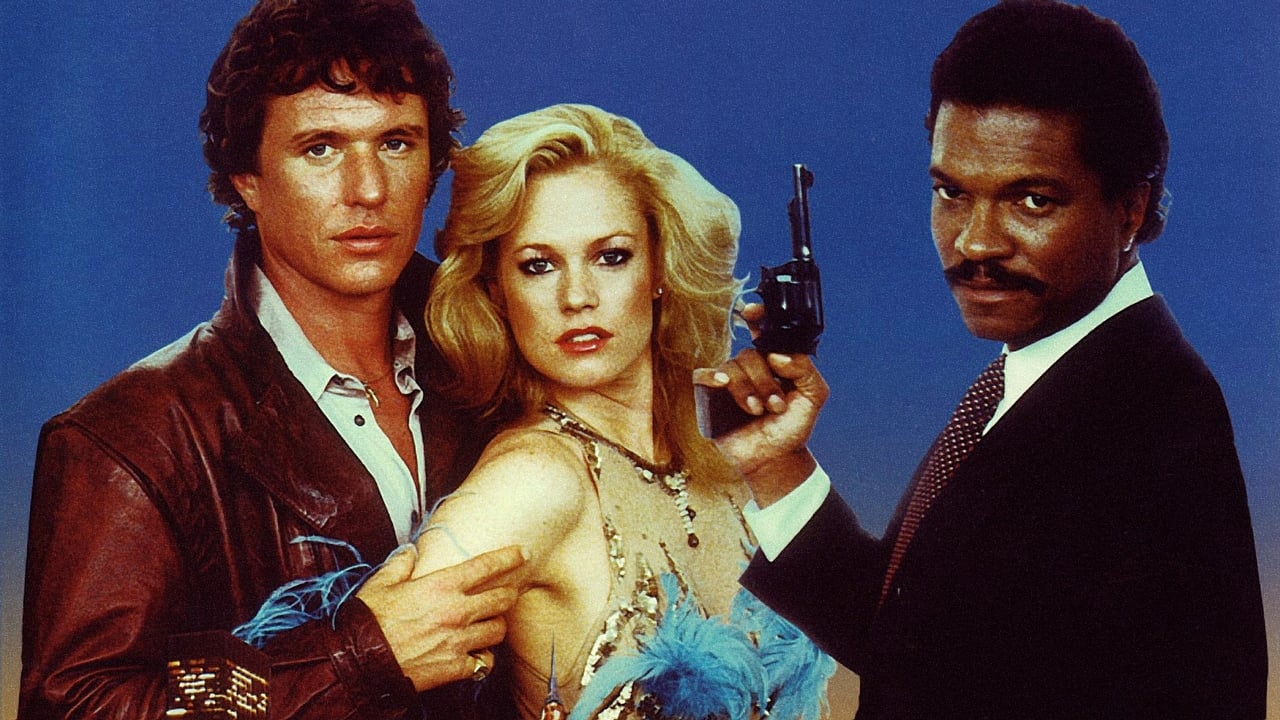
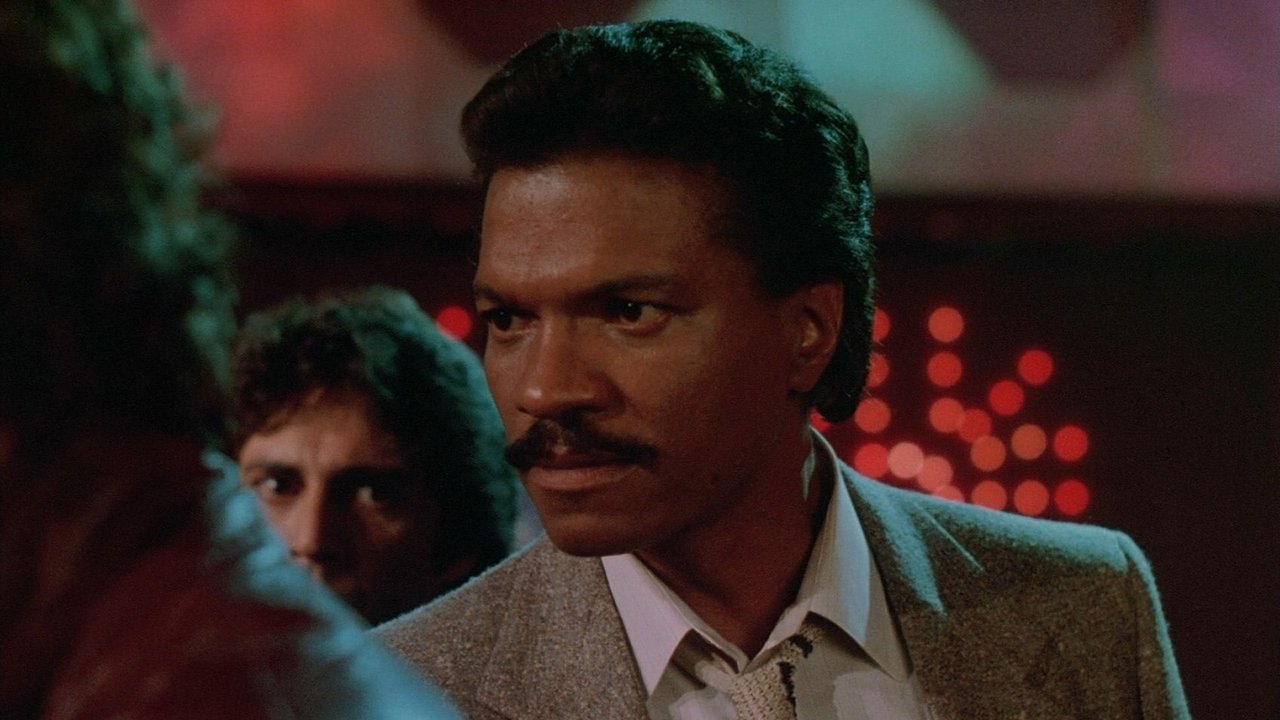
Director Abel Ferrara, who had already scarred our retinas with the revenge shocker Ms .45 (1981), plunges us headfirst into the pre-Giuliani Times Square, a world teeming with peep shows, strip clubs, and the desperate souls who inhabit them. The plot itself is stark, almost primal: a sadistic killer with martial arts skills is targeting exotic dancers across Manhattan, leaving a trail of fear and bloodshed. Caught in the middle are Matt Rossi (Tom Berenger), a former boxer haunted by a past tragedy, now running a talent agency for strippers with his partner Nicky (Jack Scalia), and Detective Al Wheeler (Billy Dee Williams, bringing weary gravitas far from the clouds of Bespin), the cop tasked with navigating this neon-lit hellscape to stop the madness.
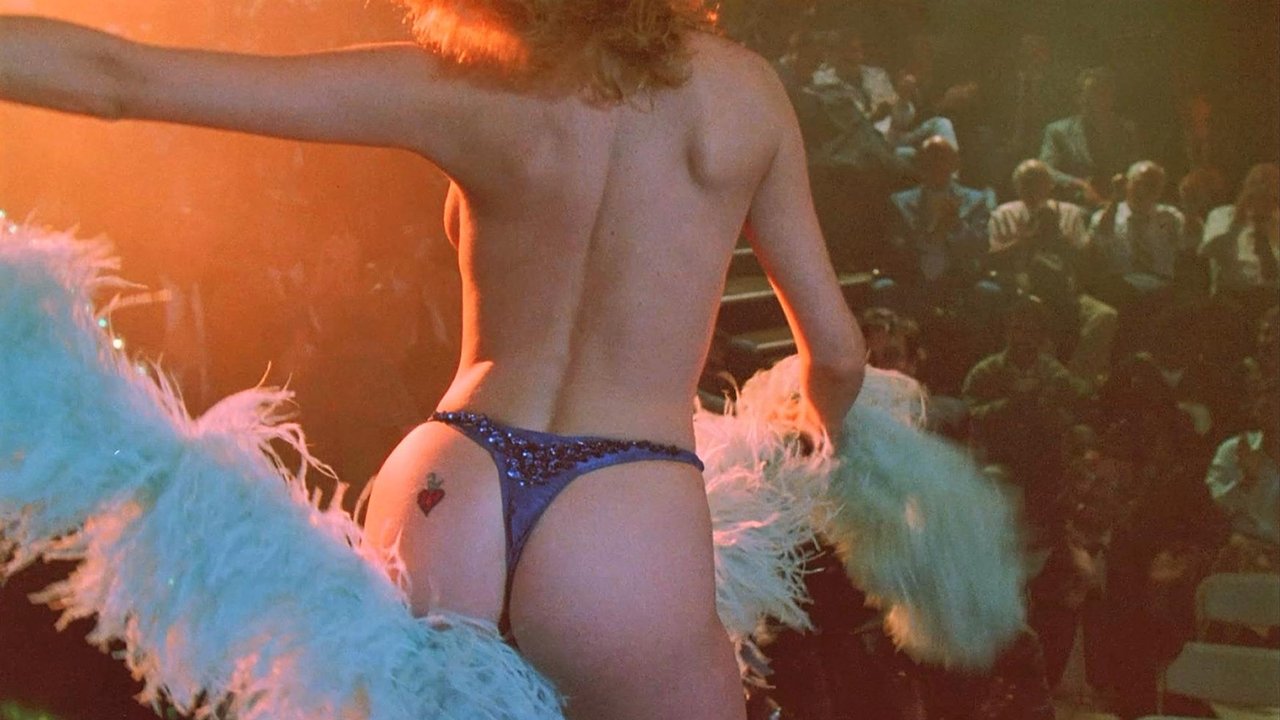
Fear City doesn’t just depict this world; it breathes its polluted air. Ferrara shot much of the film on location, and you can almost smell the stale cigarette smoke, damp concrete, and cheap perfume clinging to every frame. The production design isn't stylized glamour; it's authentic grime. The flashing lights of the marquees reflect off wet asphalt, promising pleasure but delivering peril. It's a landscape of exploitation, where vulnerability is currency and violence lurks just beyond the stage lights. Reportedly made for around $4.5 million, it didn't exactly set the box office alight upon release (grossing just over $2.7 million), solidifying its path towards cult status rather than mainstream acceptance – perhaps inevitable given its unflinching nature.
The Ferrara Glare
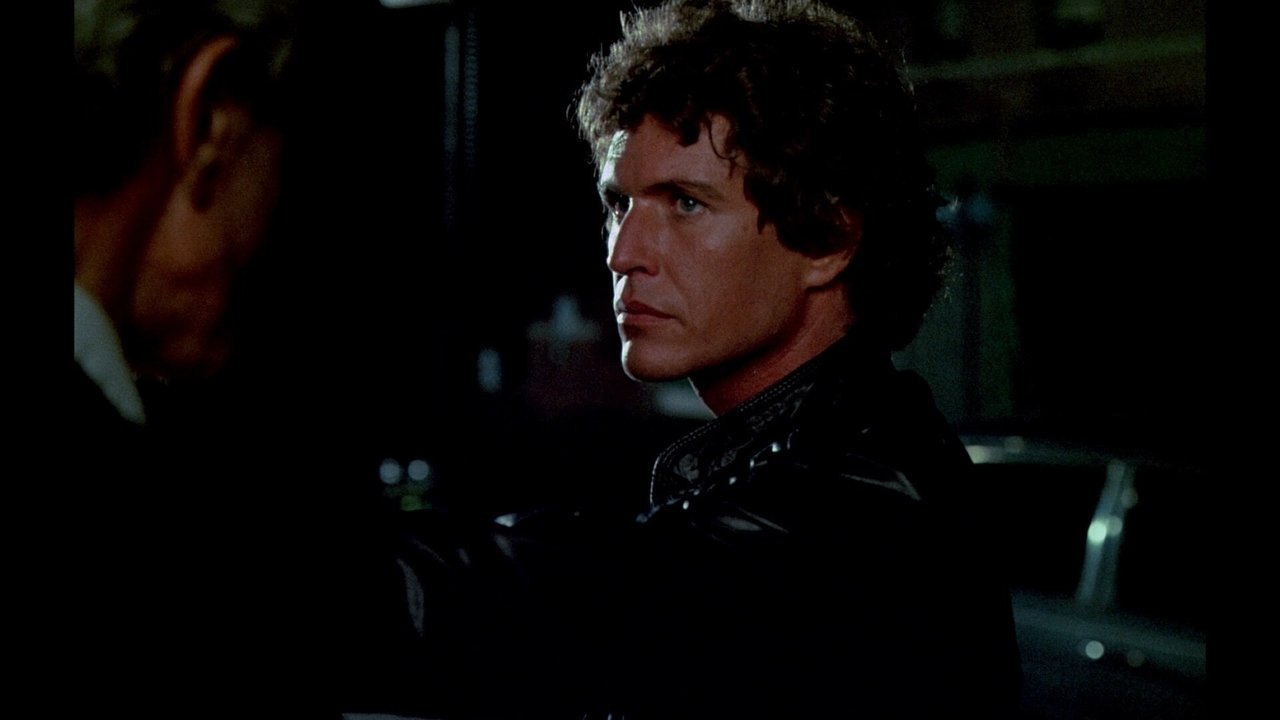
This is early, raw Ferrara, showcasing the uncompromising vision that would define his career through films like King of New York (1990) and Bad Lieutenant (1992). There's a nervous energy to the filmmaking, a sense of immediacy that feels dangerous. The camera often stalks through crowded clubs or down desolate alleyways, mirroring the killer's unseen presence. Joe Delia's synthesizer score pulsates with electronic dread, amplifying the tension rather than just accompanying it. It’s the sound of anxiety given form, a perfect match for the visual decay.
Ferrara doesn’t shy away from the brutality. The attacks are sudden, vicious, and deeply unsettling. There's a coldness to the violence, presented without fanfare, making it all the more disturbing. This wasn't the slasher movie norm of elaborate, almost playful kills; this felt grimly real, rooted in the ugliness of the environment. It’s a choice that undoubtedly contributed to its controversial reception and likely battles with censors – the kind of raw nerve filmmaking that felt particularly potent when discovered on a worn VHS tape rented from the 'back room' section.
Faces in the Shadows
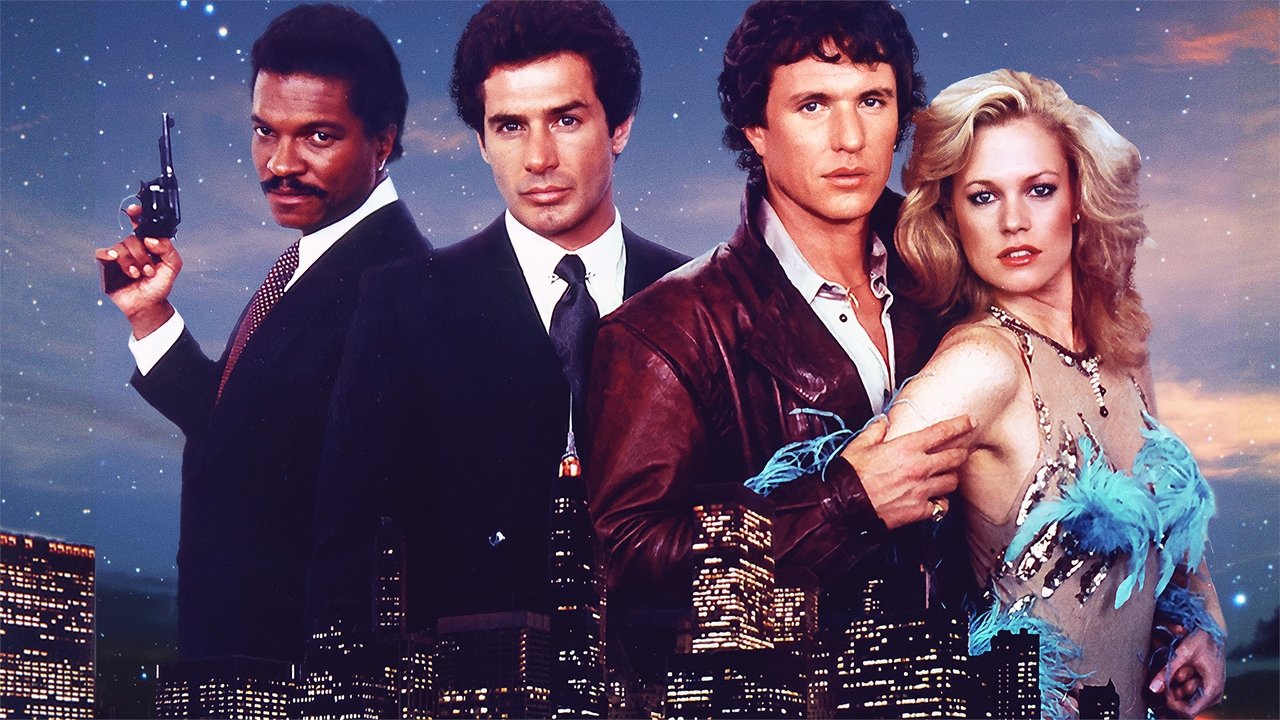
Tom Berenger, just a couple of years before his Oscar-nominated turn in Platoon (1986), embodies Rossi's tormented soul. He’s a powder keg of guilt and rage, a man trying to escape his past but finding himself dragged deeper into the darkness. His coiled intensity provides the film's emotional anchor. Jack Scalia offers solid support as the more business-minded partner, while Billy Dee Williams lends the proceedings a touch of weary class as Wheeler, a good cop drowning in a sea of depravity. Look closely and you'll spot Melanie Griffith in a significant role as Loretta, one of the dancers caught in the killer's sights, delivering a performance layered with vulnerability and fear. There’s a palpable sense of chemistry, and sometimes friction, between these characters navigating impossible circumstances. Did Ferrara intentionally cast actors known for more mainstream roles (Williams, Griffith) to heighten the contrast with the film's sleazy milieu? It certainly adds an interesting layer.
A Relic of Raw Power
Fear City isn't an easy watch. It's bleak, often unpleasant, and deals with themes that remain deeply uncomfortable. Yet, it possesses a raw, undeniable power. It captures a specific moment in time – the sleazy, dangerous allure of 80s New York – with an authenticity that few films managed. It's a time capsule coated in grime and desperation. Watching it today evokes that specific feeling of discovering something illicit and edgy on VHS, something miles away from sanitized Hollywood fare. Remember the stark, simple effectiveness of the killer's perspective shots? Even now, they retain a chilling quality.
The blend of urban noir, slasher horror, and character drama feels distinct. It might be rough around the edges, reflecting its modest budget and Ferrara's confrontational style, but its atmosphere is unforgettable. It’s a film that sticks with you, less for its plot twists and more for the suffocating mood it conjures.
---
Rating: 7/10
Fear City earns its score through its masterful creation of atmosphere, Abel Ferrara's uncompromising direction, and Tom Berenger's intense central performance. It perfectly encapsulates the gritty, dangerous vibe of early 80s urban decay, making the setting itself a character. While the pacing occasionally lags and the subject matter is inherently bleak and potentially exploitative by today's standards, its raw power and unflinching portrayal of a specific, vanished world make it a compelling, if challenging, watch. It loses points for narrative simplicity and moments where the exploitation threatens to overshadow the noir, but its strengths are significant.
It remains a potent example of 80s cult cinema – a raw, sweaty, neon-soaked nightmare that perfectly embodies the kind of challenging film you might discover late one night, leaving you feeling unnerved and distinctly aware of the darkness just outside the glow of the TV screen. A true slice of gritty VHS history.