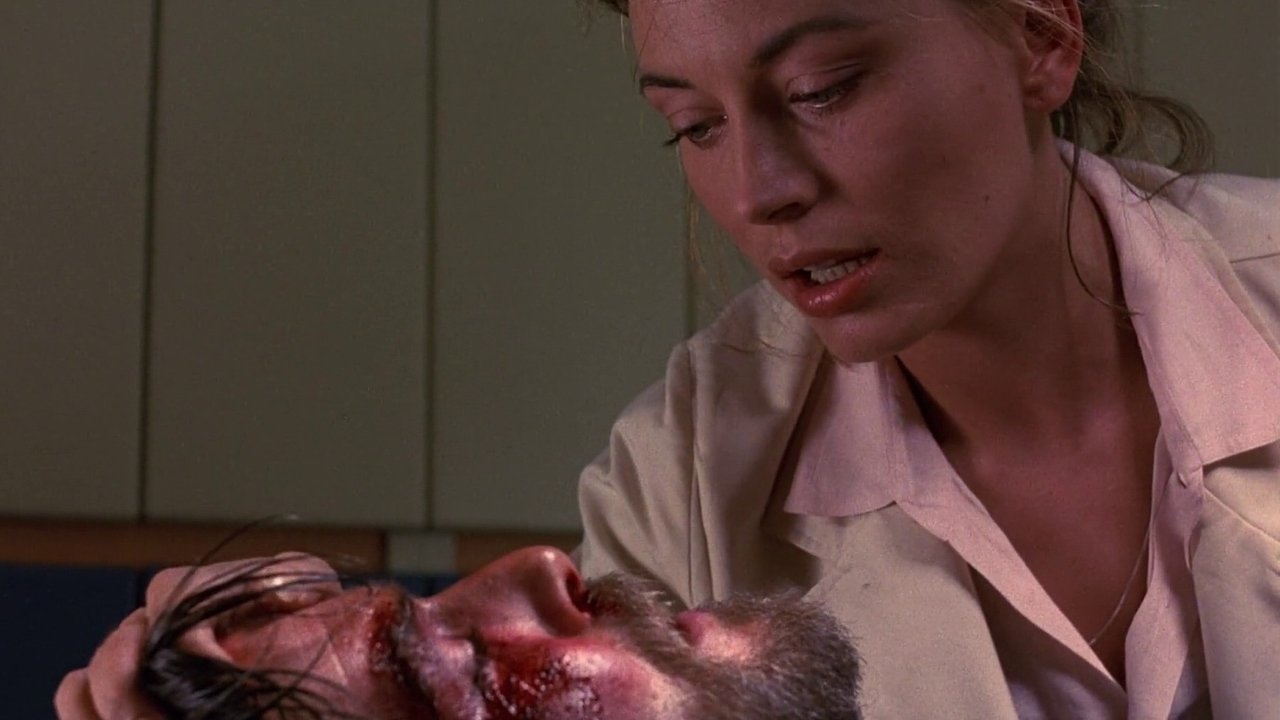
It starts not with a scream, but with a frantic, whispered delirium in a language you don't understand. A man, inexplicably battered and bleeding, collapses in a Los Angeles emergency room, raving in French. That man is Pierce Brosnan, looking impossibly young and haunted, years before Bond would claim him. This disorienting, feverish opening immediately sets the unnerving tone for John McTiernan's 1986 directorial debut, Nomads – a film that feels less like a conventional horror movie and more like a slow slide into urban paranoia.
Whispers in the Concrete Jungle
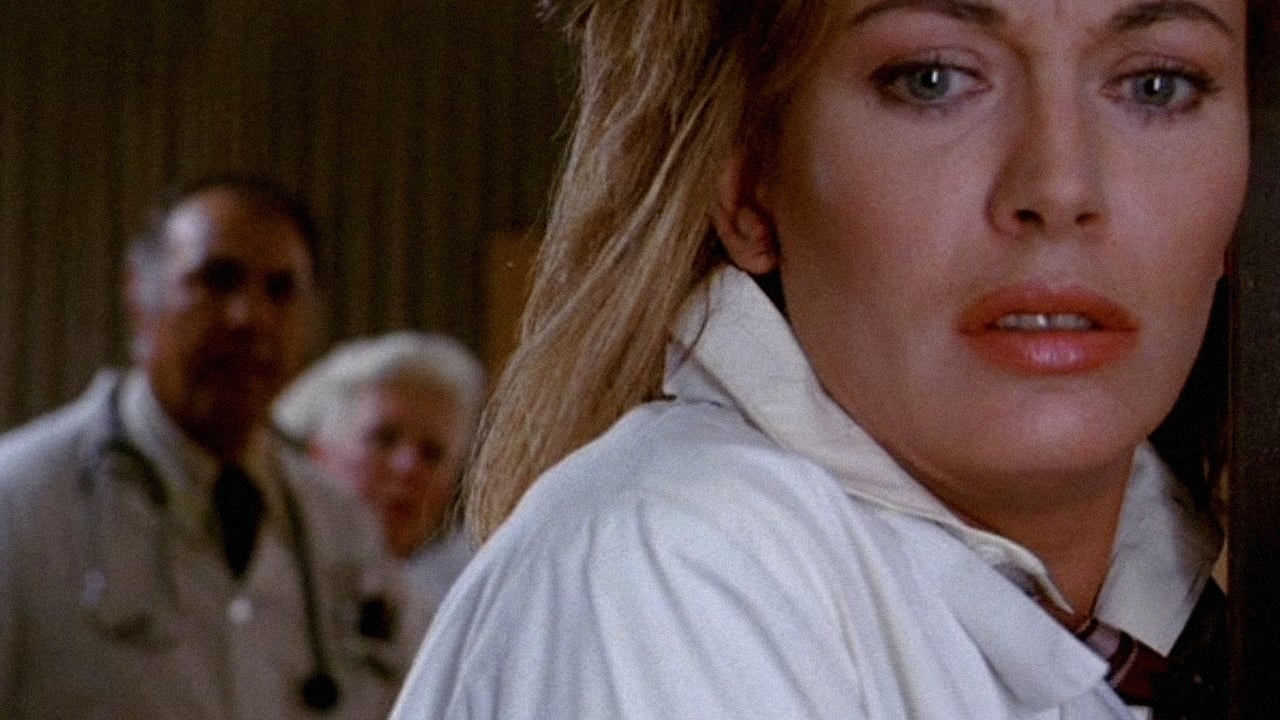
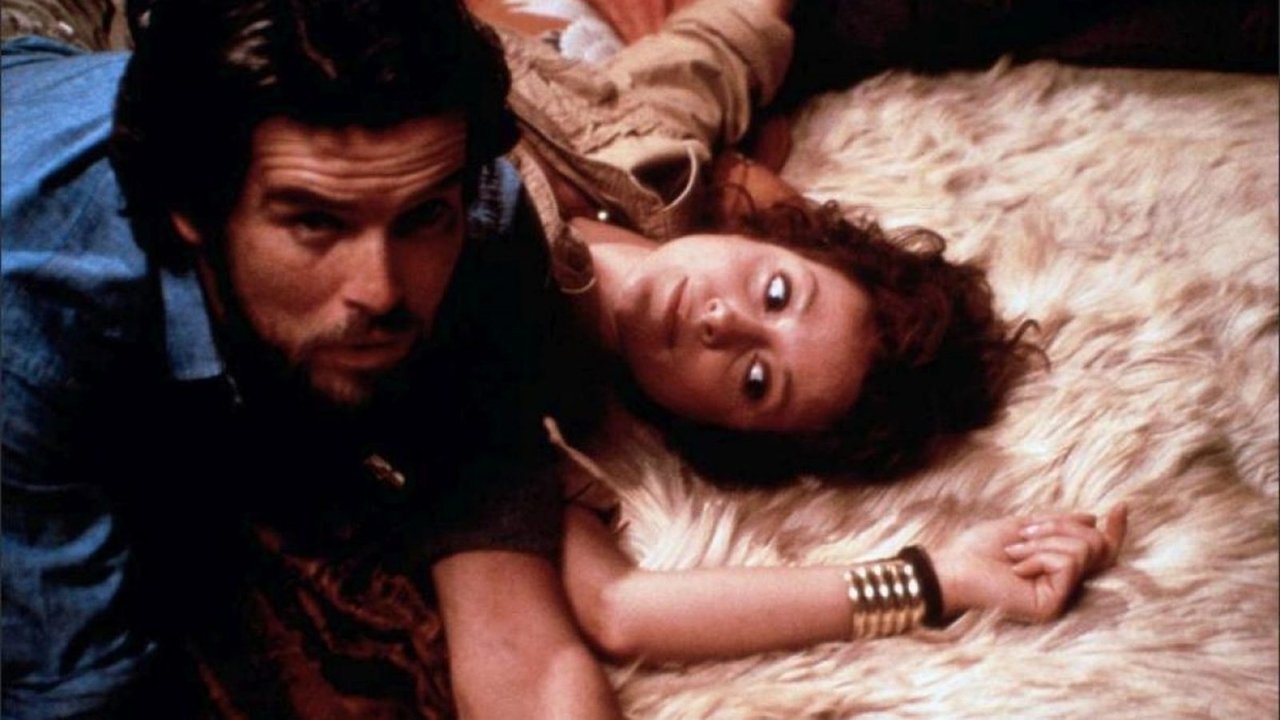
The story unfolds through a peculiar, almost supernatural, transference. Dr. Eileen Flax (Lesley-Anne Down), tending to the dying Frenchman, Jean Charles Pommier (Brosnan), finds herself suddenly flooded with his final memories after he bites her. We, along with Flax, are thrown headfirst into Pommier's life as a French anthropologist newly arrived in LA with his wife (Anna Maria Monticelli). What begins as academic curiosity about fringe urban dwellers spirals into obsessive terror as Pommier realizes he's not studying just any disenfranchised group. He's stumbled upon something ancient, spectral, and deeply hostile – beings who drift through the city unnoticed, existing just outside the periphery of normal life. These are the 'Nomads'.
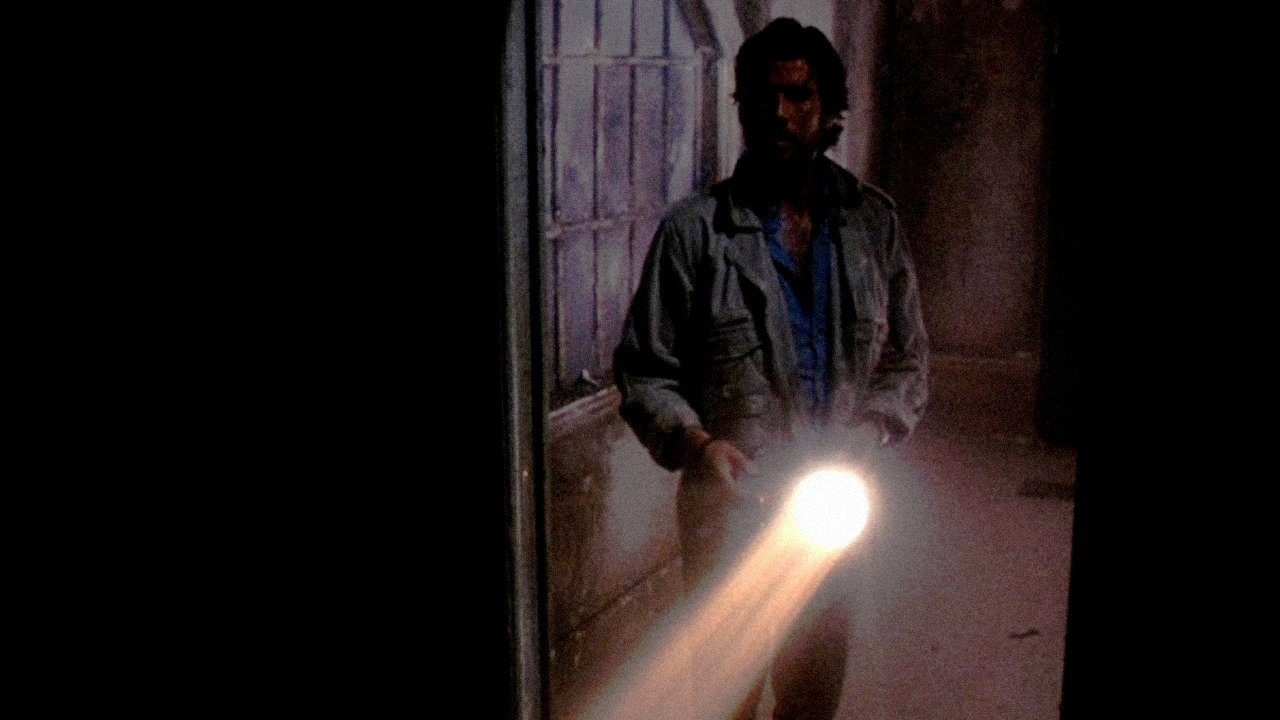
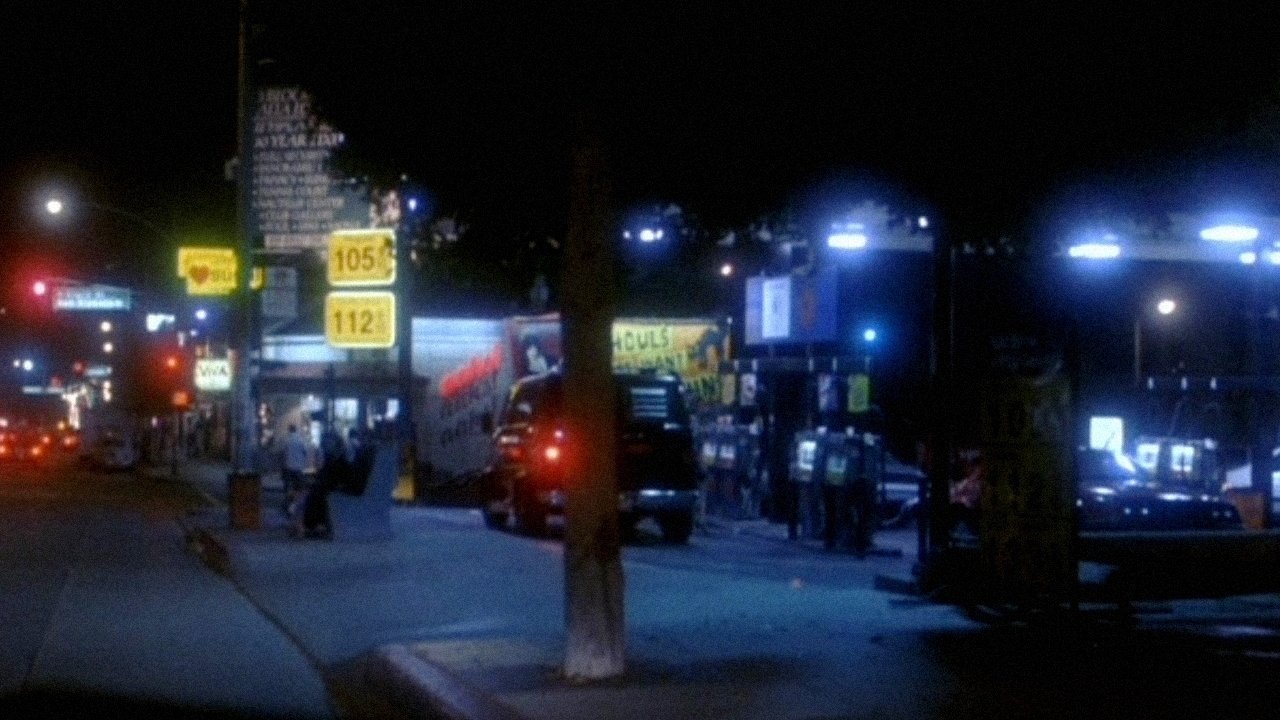
McTiernan, who also penned the script, crafts an atmosphere thick with dread. Forget jump scares; Nomads aims for a deeper, more existential chill. Los Angeles isn't presented as sun-drenched glamour, but as a sprawling, indifferent landscape where shadows cling to corners and alienation festers. The Nomads themselves – often clad in black leather, lurking near graffiti-scarred walls, moving with unsettling synchronicity – are rarely seen clearly, adding to their mystique and menace. Their power seems rooted in observation, in their ability to blend in and inflict psychological torment. Doesn't that slow-burn reveal of their true nature feel more disturbing than any monster mask?
McTiernan's Gritty Genesis
Watching Nomads today is fascinating, seeing the nascent style of the director who would soon give us the action masterpieces Predator (1987) and Die Hard (1988). You can spot early glimpses of his talent for building tension and capturing gritty realism, even on what was clearly a tight budget (reportedly around $1.5 million). The film's look is raw, almost documentary-like at times, which paradoxically enhances the supernatural elements. It feels grounded, making the otherworldly intrusion even more jarring. McTiernan has spoken about the film being a learning curve, a challenging first feature, but that struggle perhaps contributes to its ragged, unsettling energy.
The production itself had its share of behind-the-scenes quirks. Brosnan was simultaneously starring in the hit TV show Remington Steele, juggling demanding schedules. In fact, his commitment to Steele famously cost him the chance to play James Bond back in the mid-80s when Timothy Dalton eventually got the role, though destiny would bring him back to 007 later. It's intriguing to see him here, channeling raw fear and obsession, so different from the suave secret agent persona. Lesley-Anne Down provides a necessary anchor as the bewildered doctor trying to piece together Pommier's fragmented visions, effectively becoming the audience's surrogate in navigating the encroaching dread.
An Uneasy Legacy
Nomads isn't a perfect film. Its narrative structure – relying heavily on extended flashbacks experienced second-hand – can feel convoluted and occasionally drags the pacing. The rules governing the Nomads and their connection to Inuit mythology (specifically the malevolent spirits known as 'Innuat,' though the film only hints at this) remain frustratingly vague. Some viewers might find the lack of clear explanations unsatisfying, leaving too many questions unanswered. It’s a film that demands patience and a willingness to embrace ambiguity.
Yet, there’s an undeniable power to its core concept and its pervasive mood. The idea of invisible, hostile forces hiding in plain sight within our modern cities taps into a primal urban anxiety. The score by Bill Conti (yes, the Rocky maestro!) contributes effectively, often favouring atmospheric unease over overt orchestral cues. The Nomads themselves, with their punk-meets-wraith aesthetic, are genuinely creepy visual creations for their time. I distinctly remember renting this tape, drawn in by the stark cover art and Brosnan's face, and being left thoroughly perplexed but undeniably creeped out. It wasn't the kind of horror that made you jump; it was the kind that made you glance nervously at strangers on the late bus home.
Critically panned upon release and largely ignored at the box office, Nomads has since cultivated a certain cult following among 80s horror aficionados and McTiernan completists. It’s appreciated now perhaps for its ambition, its refusal to follow standard horror formulas, and its uniquely unsettling atmosphere. It’s a strange artifact of the VHS era – a film that feels both dated in its execution and surprisingly prescient in its themes of urban isolation and hidden threats.
VHS Heaven Rating: 6/10
Justification: Nomads earns points for its genuinely chilling atmosphere, Brosnan's committed performance, and its status as a fascinating directorial debut from McTiernan. Its ambition and unsettling core concept are memorable. However, it loses points for its often confusing narrative structure, underdeveloped mythology, and uneven pacing that can test viewer patience. It's a flawed but intriguing piece of 80s urban horror.
Final Thought: While it may not deliver conventional thrills, Nomads lingers like a half-remembered nightmare – imperfect, elusive, but possessing a strange, unsettling power that still resonates for those who appreciate atmospheric dread over easy scares. A true video store oddity worth unearthing.