The neon glow reflects off rain-slicked Atlanta streets, promising glamour but delivering something far grimier. This isn't the charming Bandit territory we often associate with its star and director; this is Burt Reynolds plunging headfirst into the shadows with 1981's Sharky's Machine. Forget the Trans Am and the easy grin. This film opens with the kind of blunt, ugly violence that sticks with you, a statement of intent that this ride would be rougher, colder, and far more dangerous than expected. It was a jolt back then, pulling the tape from its sleeve, expecting one thing and getting… this. A raw, cynical slice of neo-noir that felt decidedly adult, even a little forbidden.
From Top Cop to Basement Dweller
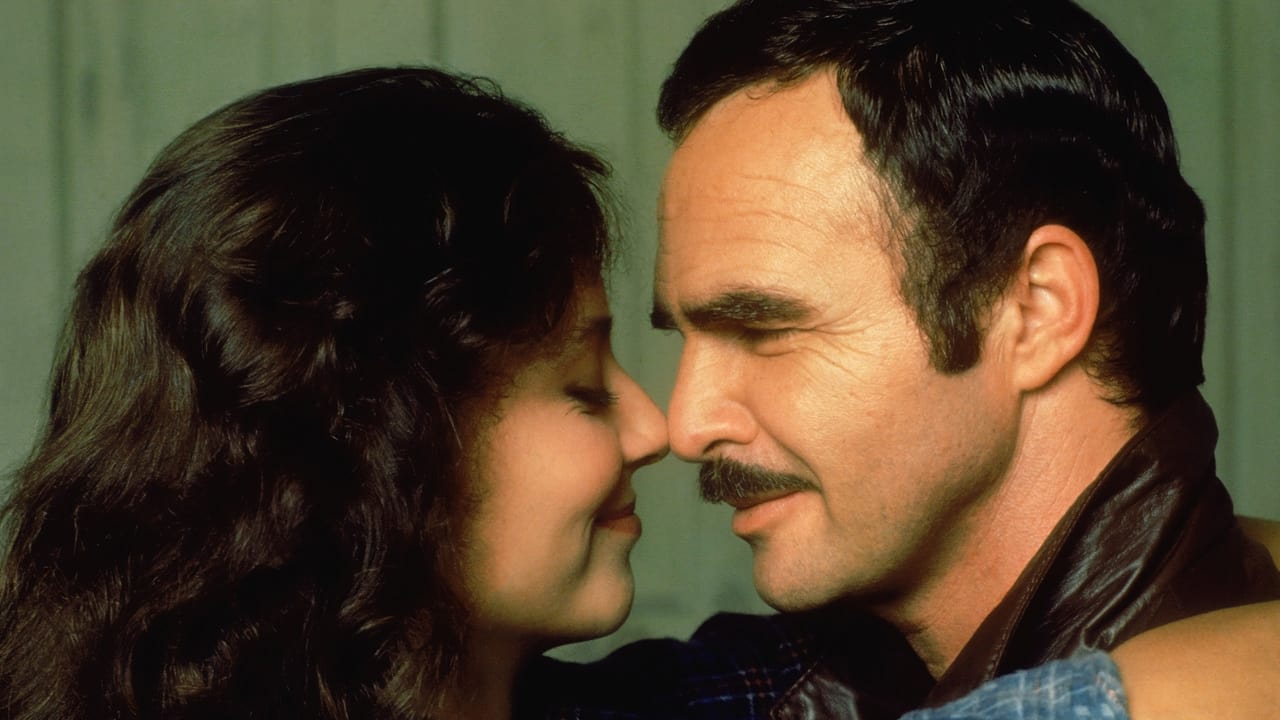
The setup is classic cop movie grit: Tom Sharky (Burt Reynolds), a narcotics detective playing by his own brutal rules, gets busted down to the vice squad basement after a drug buy goes spectacularly, fatally wrong. It's the cinematic equivalent of purgatory, populated by has-beens and never-weres. But Sharky, ever the restless hunter, sniffs out a high-stakes case involving political corruption, shadowy figures, and a mesmerizing high-class call girl named Dominoe (Rachel Ward). His new, unwanted assignment becomes an obsession: wiring Dominoe's apartment, listening in, watching her every move through the unblinking eye of surveillance equipment. Thus, "Sharky's Machine" – his handpicked team of basement dwellers (Bernie Casey, Charles Durning, among others) – cranks into operation.
Atlanta After Dark
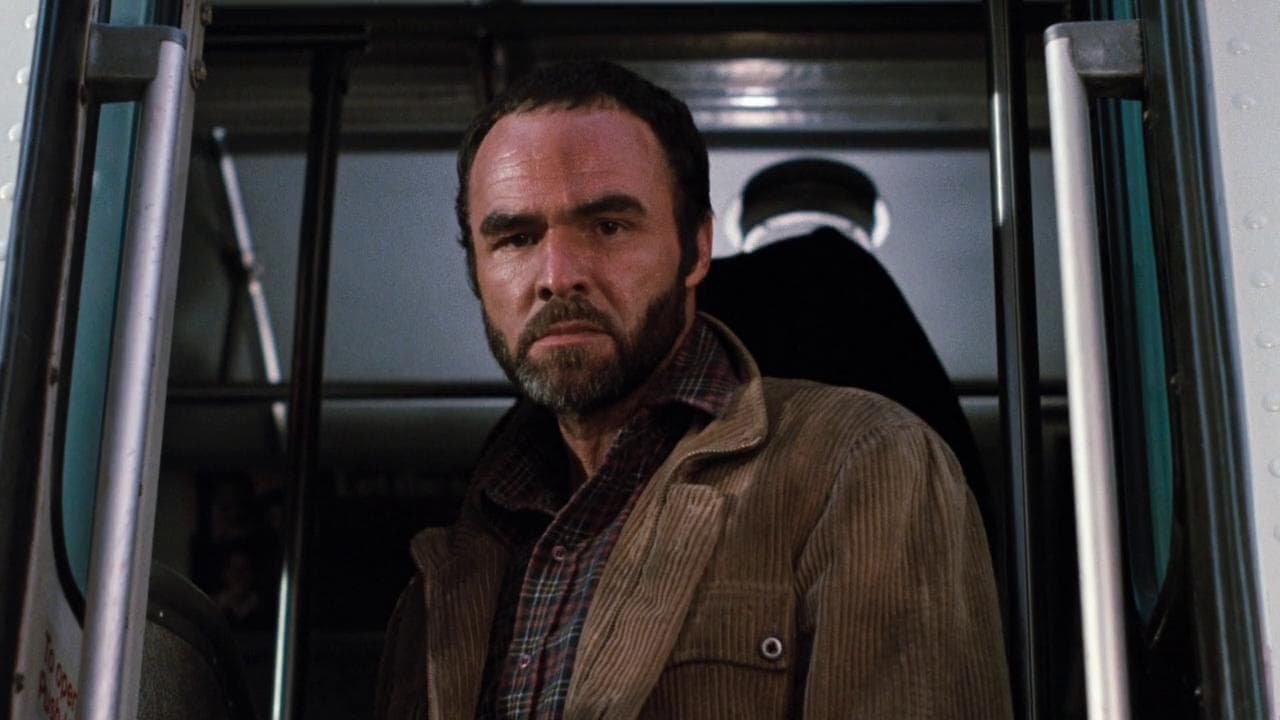
Reynolds, in the director's chair for the third time but tackling his most ambitious project yet, paints a portrait of Atlanta far removed from sunny Southern charm. This is a city of smoky backrooms, opulent penthouses hiding rot, and sterile surveillance vans. The cinematography often favors shadows and claustrophobic framing, particularly during the long stretches where Sharky and his team are simply listening, watching Dominoe's life unfold through microphones and binoculars. It builds a specific kind of tension – the voyeur's unease mixed with genuine procedural detail. The score, mixing cool jazz licks with the undeniable pulse of The Crusaders' hit "Street Life" (featuring Randy Crawford), perfectly captures the film's blend of sleaze and melancholy cool. Reynolds reportedly wanted to prove he could handle darker, more complex material, moving beyond his established screen persona, and you feel that ambition driving the film's often harsh tone.
The Gaze and the Target
Burt Reynolds delivers a performance layered with weariness and simmering anger. Sharky isn't the effortlessly charming rogue here; he's obsessive, often isolated, driven by a need for justice that borders on the pathological. His growing fascination with Dominoe forms the film's uneasy heart. Rachel Ward, in a star-making early role (she was apparently quite nervous on set, working opposite a superstar like Reynolds), brings a captivating blend of vulnerability and guarded sophistication to Dominoe. She’s more than just the object of Sharky’s gaze; she’s trapped in a dangerous game, and Ward makes you feel her precariousness. The scenes where Sharky can only listen, unable to intervene as Dominoe faces danger, are genuinely unsettling. Doesn't that feeling of helpless observation still create a unique kind of dread? The supporting cast, particularly the stoic Bernie Casey as Sharky’s loyal partner Arch, adds texture and camaraderie to the titular "Machine."

That Fall... Still Astonishing
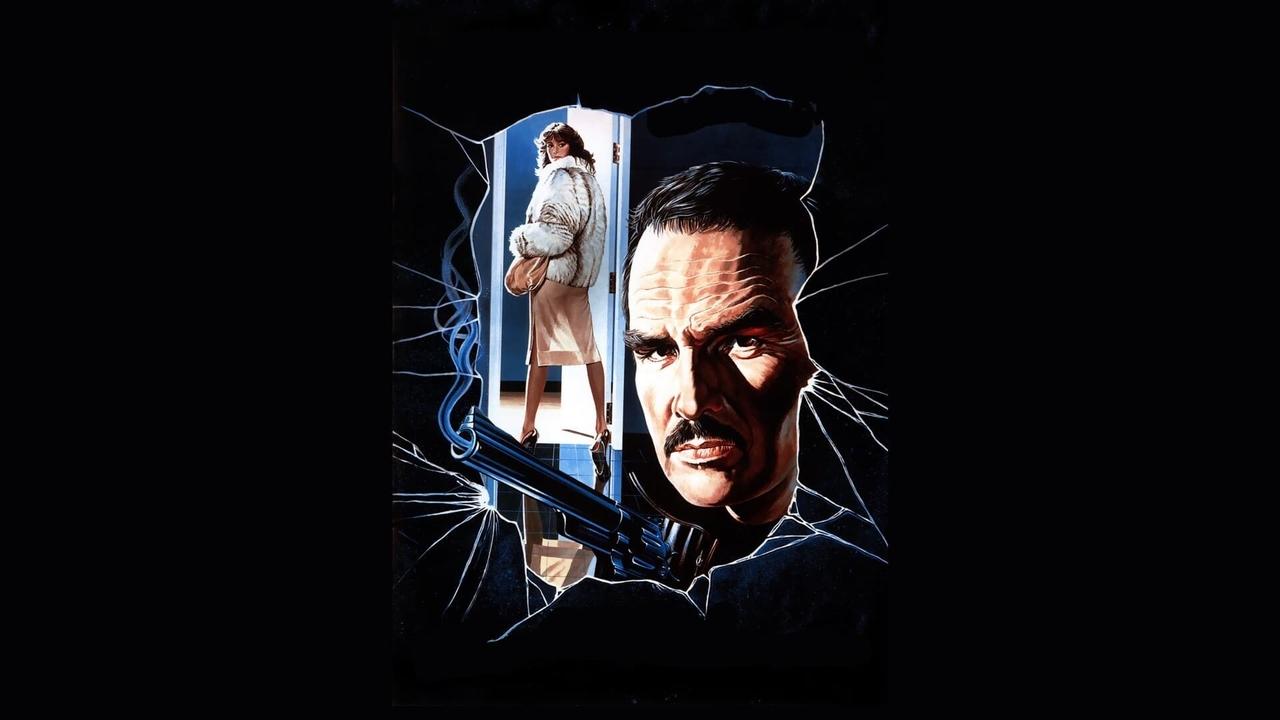
You simply cannot talk about Sharky's Machine without mentioning that stunt. The climactic sequence features a villain plummeting backward through the glass of Atlanta's iconic Westin Peachtree Plaza Hotel. This wasn't CGI trickery; this was legendary stuntman Dar Robinson performing a world-record-breaking freefall – a staggering 220 feet onto an airbag below, completely unattached to any wires (though a guide wire was used for aiming). Reynolds, wanting maximum impact, filmed it with multiple cameras, capturing the terrifying reality of the fall. Robinson, who was paid a reported $100,000 for the stunt (a fortune then!), tragically died performing a motorcycle stunt just a few years later, making this cinematic moment even more poignant. Seeing it on VHS, before the digital age smoothed over such raw danger, felt absolutely insane. It’s a visceral shock that underscores the film's commitment to gritty, physical consequence.
A Different Kind of Machine
While based on a novel by William Diehl, Reynolds and screenwriter Gerald Di Pego molded the material into a vehicle fitting the star's specific brand of tough-guy charisma, yet unafraid to explore darker corners. The film wasn’t cheap, costing around $18 million, but it performed respectably, grossing over $35 million – proving audiences were willing to follow Reynolds into bleaker territory. It earned praise from some critics, notably Gene Siskel who championed it vigorously, for its uncompromising violence and noir sensibilities, though others found it uneven. It remains a fascinating entry in Reynolds' filmography, a deliberate attempt to craft something weightier, something that lingered after the credits rolled and the VCR clicked off.
Rating: 7.5/10
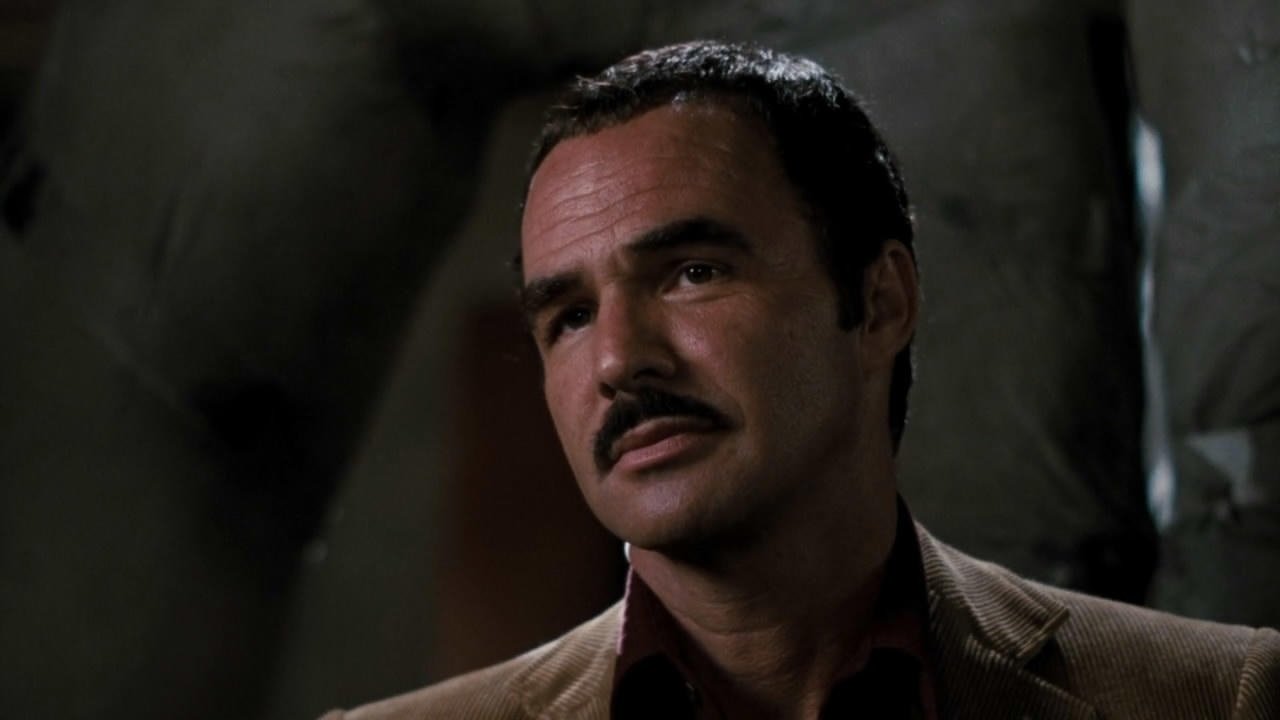
Sharky's Machine earns its score through sheer gritty atmosphere, Reynolds' committed performance both in front of and behind the camera, Rachel Ward's compelling presence, and that unforgettable stunt. It might drag slightly in its surveillance-heavy middle section for some viewers, and its sexual politics are definitely rooted in the early 80s, but the overall package is a potent, often brutal slice of neo-noir. It successfully blends procedural tension with character-driven obsession, delivering shocks that still feel earned.
This is more than just another cop thriller; it's a snapshot of a superstar testing his limits, a remarkably dangerous stunt immortalized on film, and a reminder of how effectively gritty 80s cinema could burrow under your skin. It’s a tape worth rewinding for its unapologetic toughness.