The pristine white apartment gleams under cold, artificial light. Every surface reflects, immaculate, impersonal. A man performs his morning ritual – exercises, ablutions, the careful application of lotions and masks – with the precision of a surgeon. But beneath the designer suits and the vacant, handsome smile, something is terribly wrong. Welcome to the meticulously curated nightmare that is American Psycho. Watching it, even now, feels like handling a razor blade wrapped in silk – alluringly smooth on the surface, lethally sharp underneath.
Icons and Ice Picks
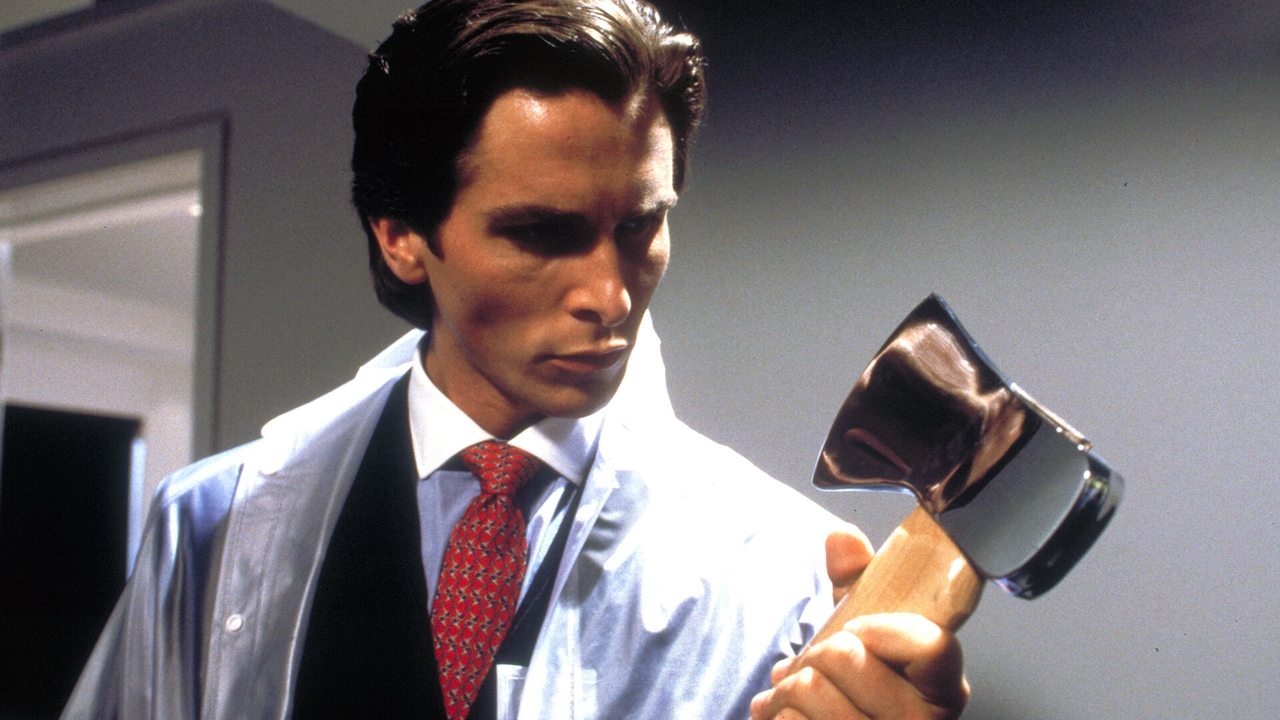
Based on the notoriously graphic and controversial 1991 novel by Bret Easton Ellis, Mary Harron's 2000 adaptation walks a terrifying tightrope. Set amidst the soulless consumerism and rampant materialism of late-80s Wall Street, the film introduces us to Patrick Bateman (Christian Bale), a wealthy investment banker whose life revolves around securing dinner reservations at Dorsia, comparing business card stock, and indulging in homicidal urges. Harron, who also co-wrote the screenplay with Guinevere Turner, masterfully translates the novel's internal monologue of status anxiety and simmering rage into a visual language that’s both deeply disturbing and darkly hilarious. The horror isn't just in the sudden bursts of violence; it's in the chilling emptiness of Bateman's world, where personality is defined by labels and human connection is just another transaction.
The Bale Method

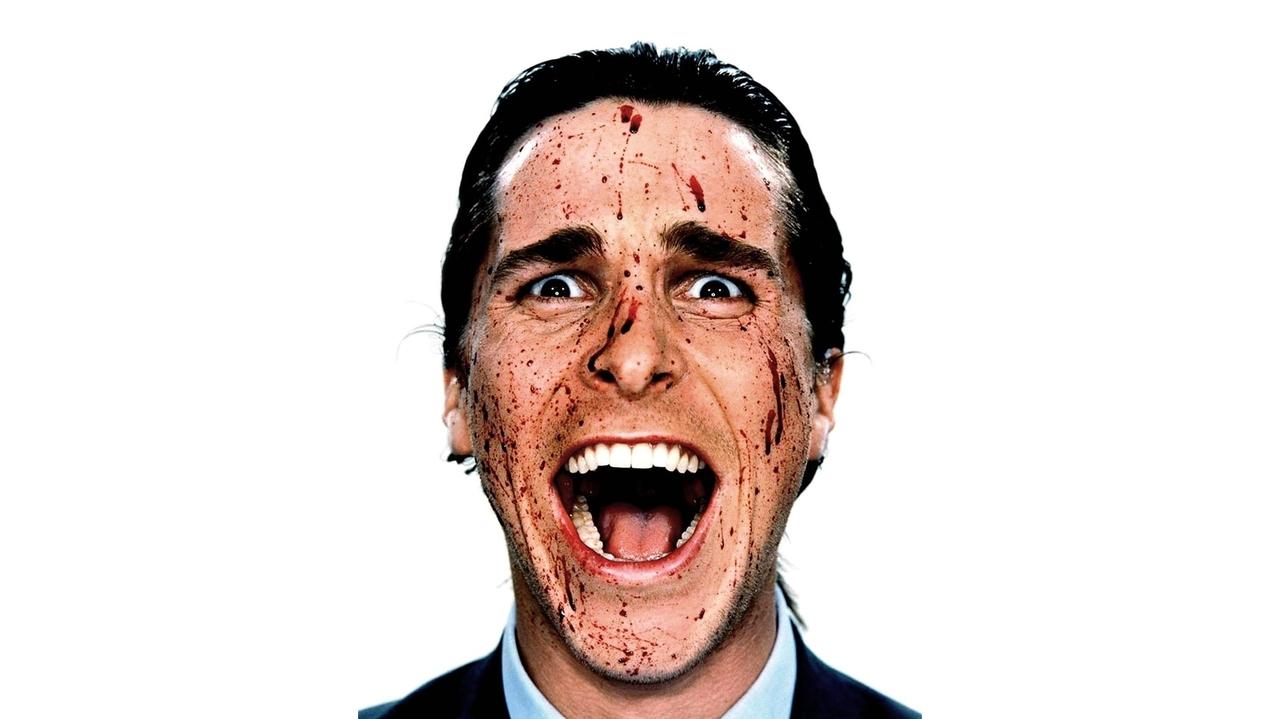
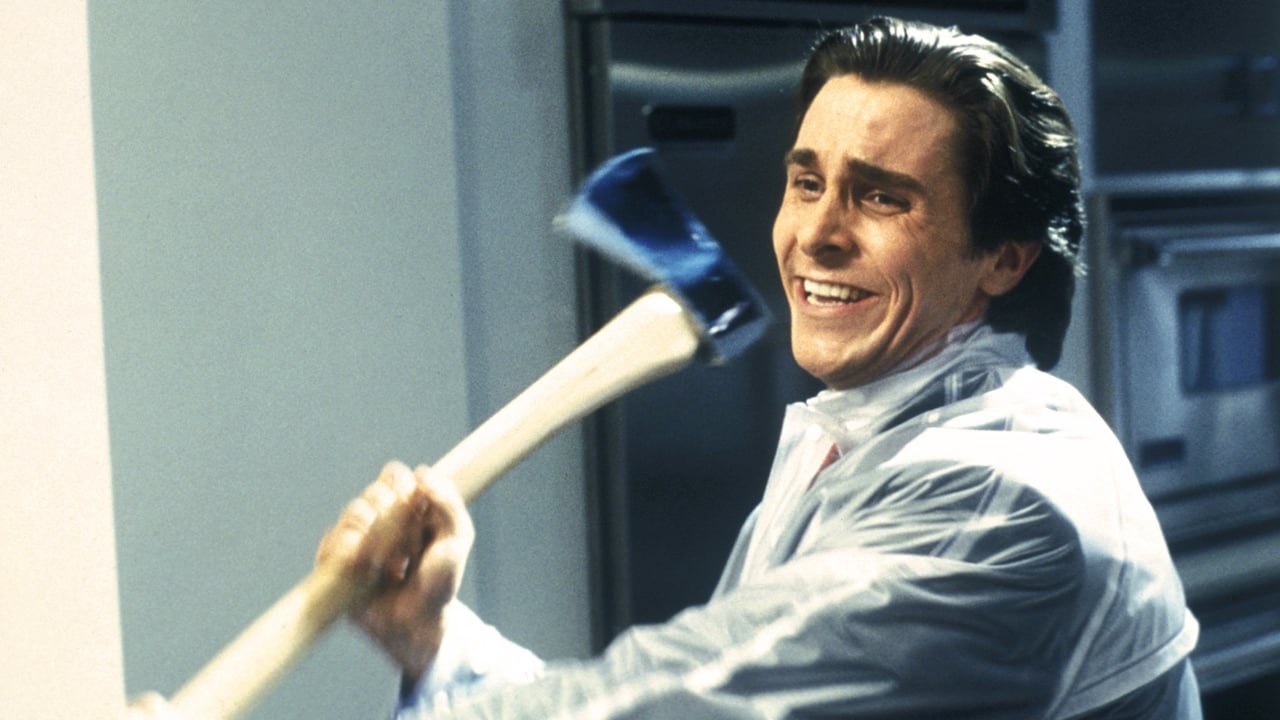
Let's be clear: this film hinges entirely on Christian Bale's performance, and it remains one of the most astonishing transformations in modern cinema. Securing the role wasn't easy; Lionsgate initially pushed hard for Leonardo DiCaprio with Oliver Stone directing, a move that would have undoubtedly resulted in a very different, likely less nuanced, film. Harron famously fought for Bale, even walking away from the project temporarily. Her faith was rewarded. Bale sculpted his physique into an Adonis-like parody of male perfection, reportedly staying in character off-set and even conducting interviews with Bateman's chillingly affectless accent. He embodies the character's terrifying duality: the charming, vapid yuppie seamlessly shifting into a preening, axe-wielding psychopath. The meticulous attention to detail, the vacant stares, the sudden, terrifying flashes of rage – it’s a performance that burrows under your skin. Remember the sheer narcissistic intensity of the "Hip to Be Square" scene? It's impossible to forget, and Bale sells every terrifying, absurd moment.
Style Over Substance (By Design)
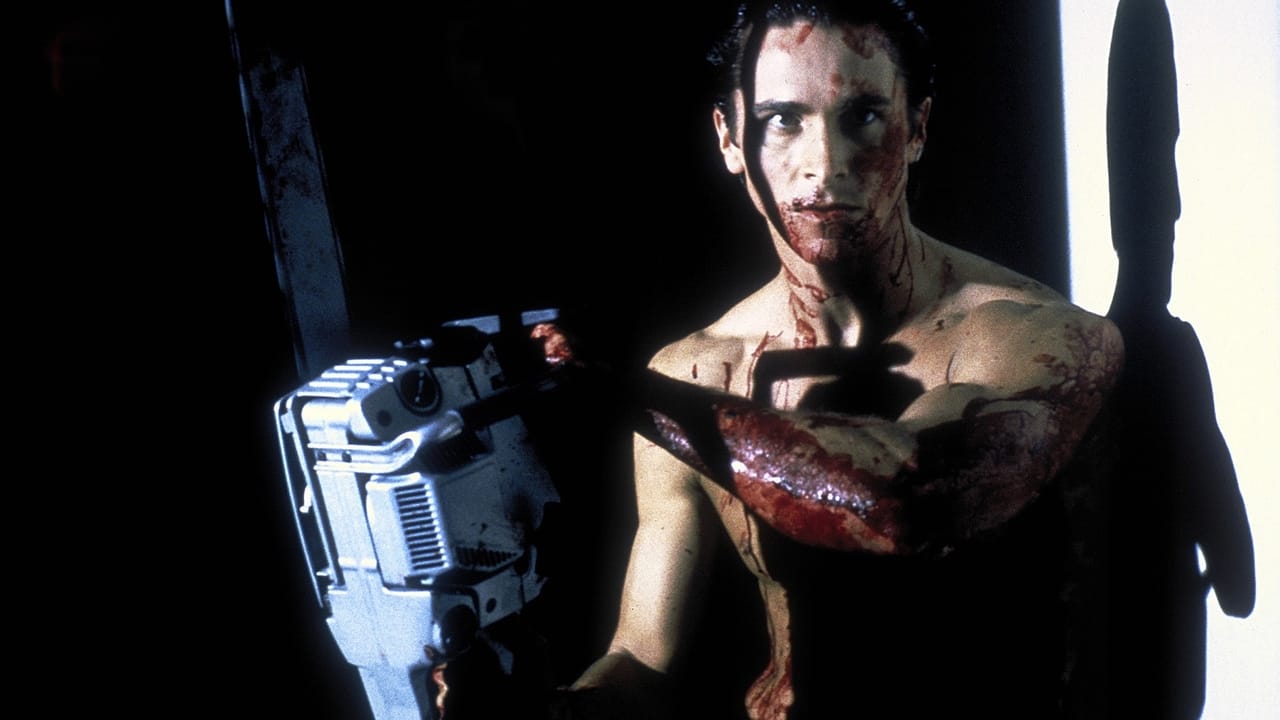
Harron’s direction is key to the film's success. She resists the urge to wallow in graphic detail (unlike the source novel), often suggesting violence or framing it with an almost detached, artistic coldness. The infamous threesome scene, for instance, caused significant battles with the MPAA, forcing Harron to make minor cuts to avoid the dreaded NC-17 rating, yet its power lies more in Bateman's narcissistic posing than explicit gore. The production design is flawless, recreating the era's sterile, high-gloss aesthetic to perfection. Every sharp suit, minimalist apartment, and trendy restaurant feels authentic, becoming a character in itself – a suffocating landscape of conformity. The soundtrack, packed with 80s hits from Huey Lewis and the News, Phil Collins, and Genesis, becomes Bateman's narcissistic anthem, the upbeat pop masking the utter darkness beneath. Securing the rights, particularly for Huey Lewis after the book's notoriety, was reportedly another challenge Harron navigated successfully.
Dark Comedy or Straight Horror?
The film brilliantly weaponizes ambiguity. Is Bateman truly committing these heinous acts, or are they merely the elaborate fantasies of a fractured mind fueled by status obsession and societal pressure? The narrative cleverly plants seeds of doubt. Characters constantly mistake Bateman for his colleagues (that running gag with Jared Leto's Paul Allen is perfection), highlighting the interchangeability and inherent identity crisis within their milieu. Willem Dafoe's Detective Kimball adds another layer of uncertainty; his seemingly innocuous questions during interviews carry an unnerving weight, leaving both Bateman and the audience unsure of how much he truly knows or suspects. Does it even matter if the murders are real? The critique of the soul-crushing emptiness of that specific brand of 80s capitalism lands regardless. Did that final phone call confession genuinely throw you off balance the first time you saw it? It masterfully pulls the rug out, leaving you questioning everything.
Enduring Legacy in a Blank Tape World
Despite its controversial origins and polarizing initial reception (earning a respectable $34 million worldwide against its $7 million budget), American Psycho has transcended its cult status to become a cultural touchstone. It arrived just as the DVD era was dawning, but its spirit feels deeply rooted in the kind of challenging, boundary-pushing cinema one might discover on a worn VHS tape rented from the 'back room' of the video store. Bale's performance became instantly iconic, Harron proved her directorial prowess on a challenging project, and the film remains a potent, chilling satire that feels disturbingly relevant even today. Its dissection of surface obsession, toxic masculinity, and the void lurking beneath extreme wealth continues to resonate.
VHS Heaven Rating: 9/10
This rating reflects the film's near-perfect execution. Christian Bale delivers an all-time great performance, Mary Harron's direction is sharp, stylish, and intelligent, navigating extremely difficult material with precision. The blend of horror, satire, and psychological thriller is masterful, and its critique of 80s excess remains bitingly effective. It loses a single point perhaps only because its deliberate ambiguity and detachment might leave some viewers cold, but this is arguably integral to its artistic success.
American Psycho isn't just a horror film; it's a cultural autopsy disguised as a slasher flick. It's a film that forces you to look into the void, dressed in Valentino Couture, and leaves you wondering just how much of Patrick Bateman lurks beneath the polished surfaces of our own world. It remains a chillingly brilliant piece of cinema that still feels dangerous.