The screen flickers, not just with the tracking lines of a well-loved tape, but with the inherent wrongness of the image. A picture-perfect farmhouse, sun-drenched fields... yet something curdles beneath the surface. Welcome to Grandmother's House (1988), a slow-burn slice of late-80s dread that proves familial comfort can be the most terrifying illusion of all. This isn't about jump scares; it's about the knot tightening in your stomach as innocence collides with secrets better left buried in the dusty California soil where the film was primarily shot.
### A Summer of Suspicion
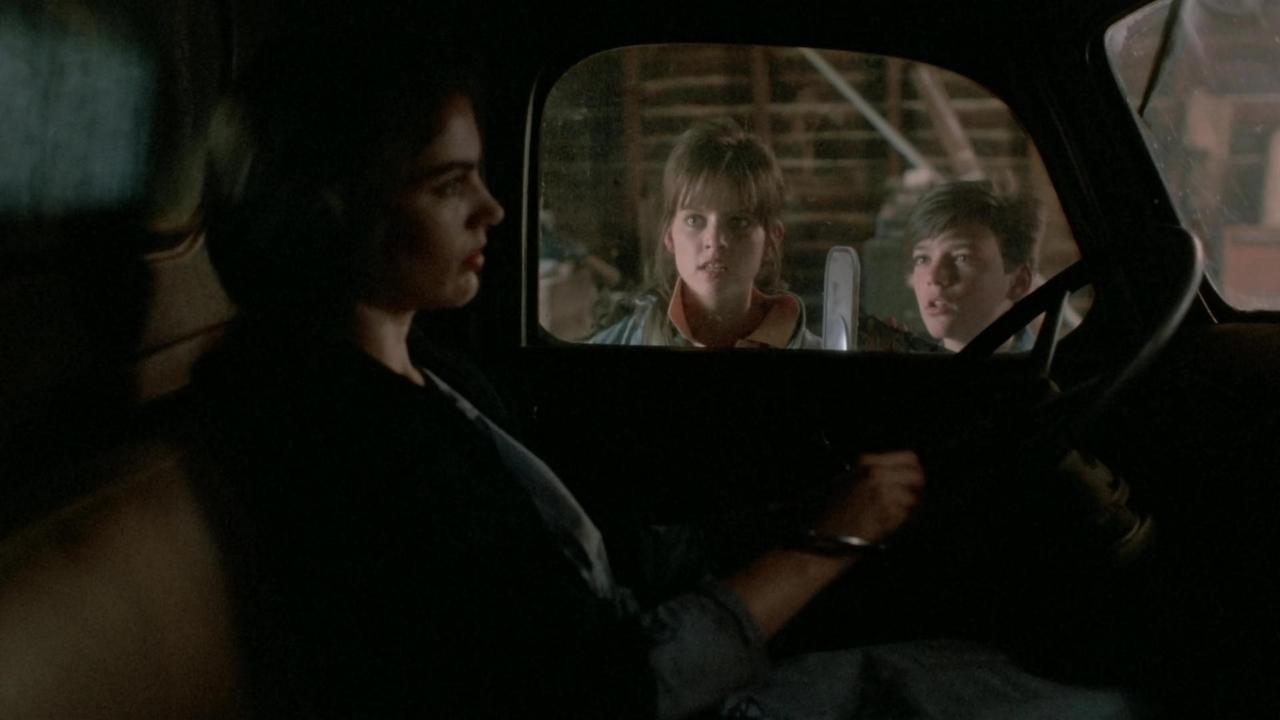
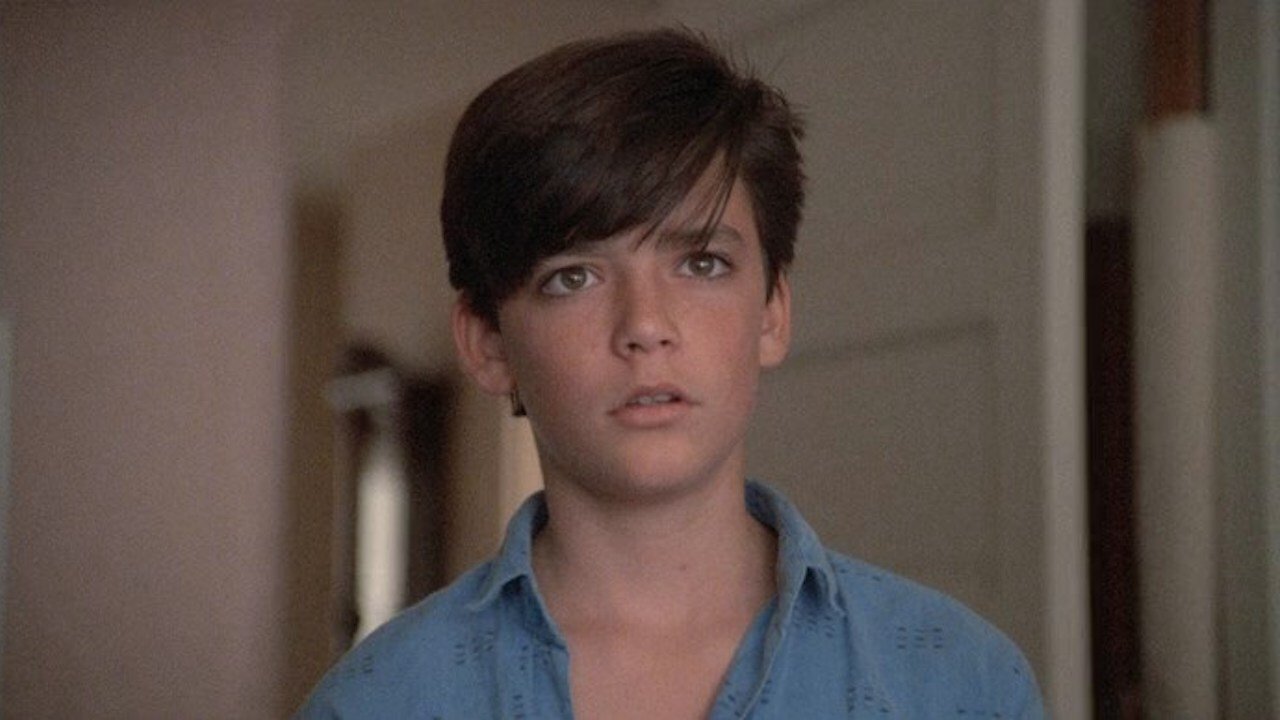
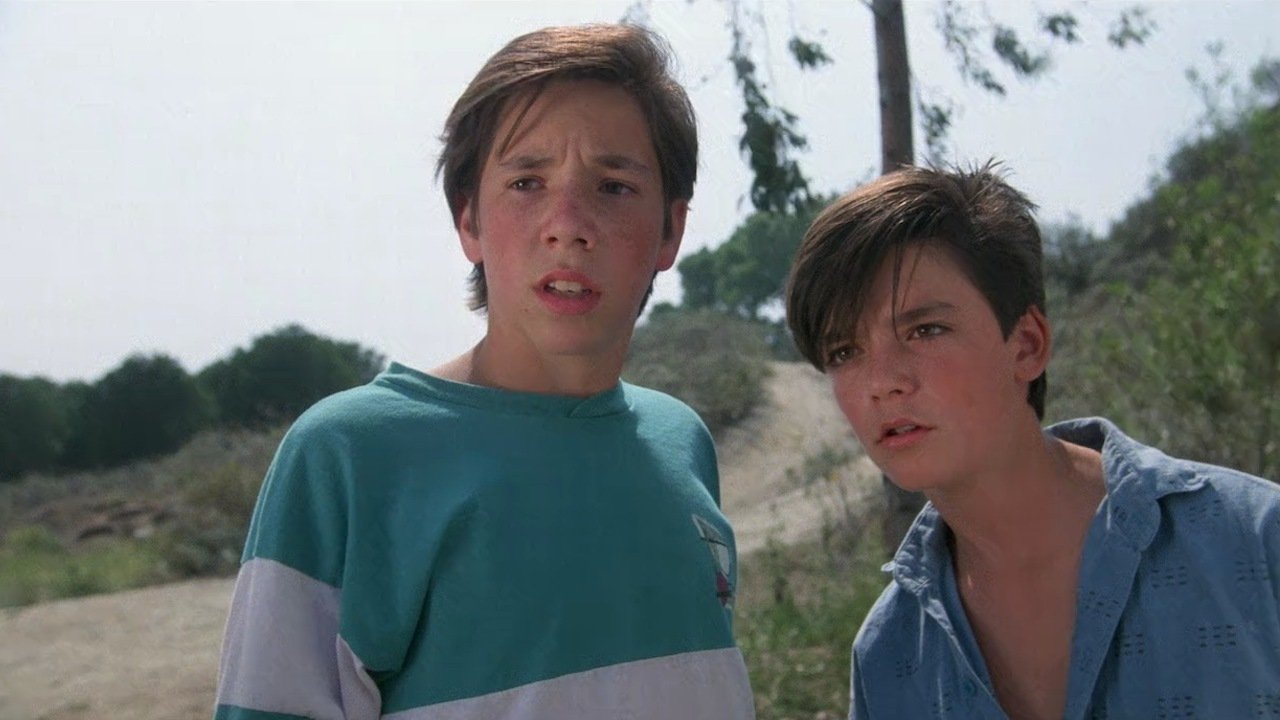
After the sudden death of their father, teenagers David (an earnest Eric Foster) and Lynn (Kim Valentine, conveying vulnerability well) are sent to live with their estranged grandparents. It's meant to be a refuge, a place to heal. But the idyllic orange groves surrounding the isolated home offer little solace. Grandmother (played with unsettling ambiguity by Ida Lee) is frail and distant, while Grandfather... well, Grandfather is played by Len Lesser. And if your primary memory of Lesser is the boisterous Uncle Leo from Seinfeld, his turn here as the watchful, potentially sinister patriarch is a masterstroke of unsettling casting. That familiar face, twisted into something guarded and maybe even dangerous? It instantly puts you on edge, mirroring young David’s own mounting suspicion.
The film, helmed by first-time feature director and writer Peter Rader, excels in building atmosphere through the eyes of its young protagonist. David sees things – odd behaviors, hushed conversations, glimpses of violence – that paint his grandparents not as kindly caregivers, but as potential captors, or worse. Is it grief playing tricks on his mind, or is there a genuine darkness lurking within these walls? Rader, who would later co-write the script for Waterworld (1995), crafts a narrative that thrives on this uncertainty. We, like David, are piecing together fragments, unsure who to trust. The pacing is deliberate, almost languid at times, mirroring those long, tense summer days where boredom breeds paranoia. It’s a style that might test the patience of modern audiences, but for those of us who remember letting these kinds of psychological thrillers unfold gradually on a flickering CRT, it feels chillingly authentic.
### Beneath the Floorboards
What elevates Grandmother's House beyond a simple "kids in peril" setup is its commitment to a grounded, almost mundane creepiness. The horror isn't derived from supernatural forces, but from the chilling possibility of human evil hiding behind wrinkles and forced smiles. The grandparents' motivations remain deliberately murky for much of the runtime. Are they protecting the children, or themselves? This ambiguity is the film's strongest asset. Remember that feeling when watching similar films back in the day – that nagging sense that the adults weren't telling the whole story, that something awful was just out of frame? This movie bottles that specific brand of unease expertly.
There are no flashy monsters here. The practical effects are minimal but effective when deployed, usually involving unsettlingly realistic (for the time) depictions of injury or death that land with a thud precisely because they aren't overly stylized. The scares are rooted in suggestion and the slow reveal. A locked door, a bloodstained tool, a furtive glance exchanged between the grandparents – these are the moments that stick with you. It’s rumored that the low budget (reportedly under $1 million) forced a more suggestive approach, but honestly, it works in the film's favor, letting the viewer's imagination do the heavy lifting. The score, too, often opts for unnerving silence or sparse, discordant notes rather than overwhelming orchestral stabs, further amplifying the tension.
### Forgotten Fears
Grandmother's House isn't a perfect film. Some plot points might feel a little convenient, and the pacing, as mentioned, requires a certain mindset. But its power lies in its atmosphere and its effective use of casting against type. Len Lesser truly anchors the film's sense of dread. Seeing him handle a shovel not for gardening, but with grim purpose, is genuinely unnerving. Did that final twist genuinely shock you back then, or did you feel the unease building towards something inevitable?
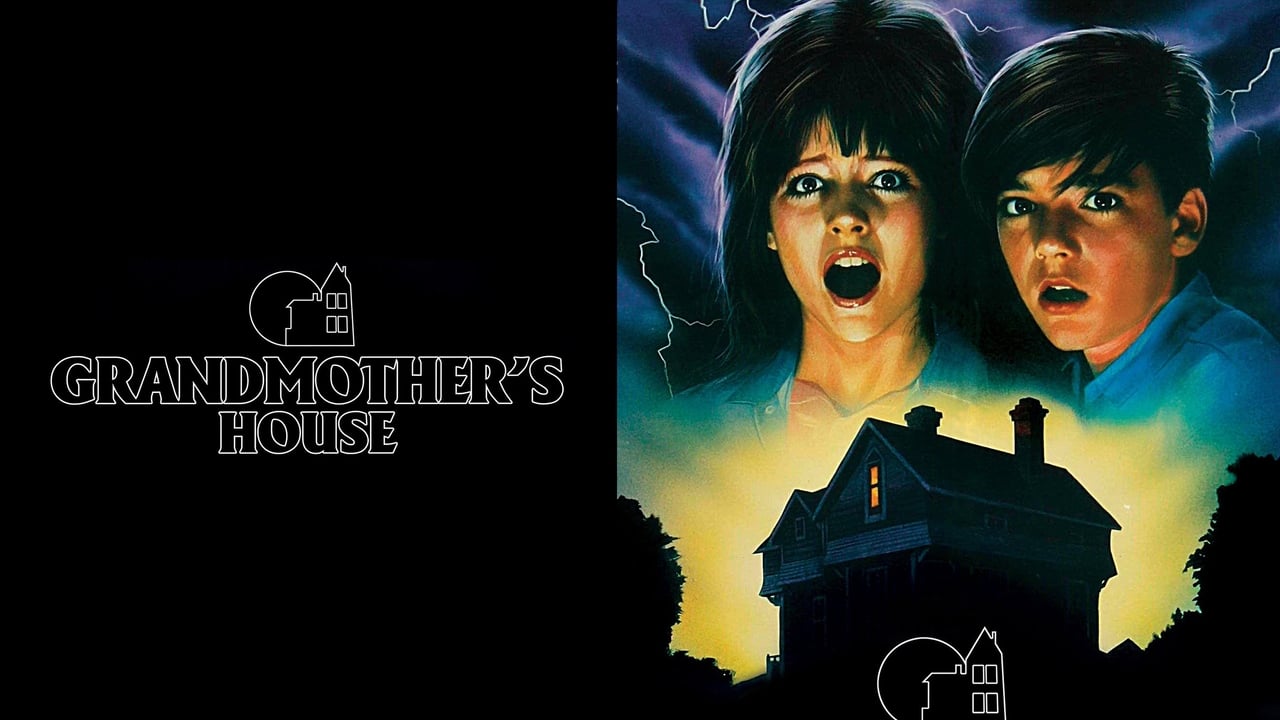
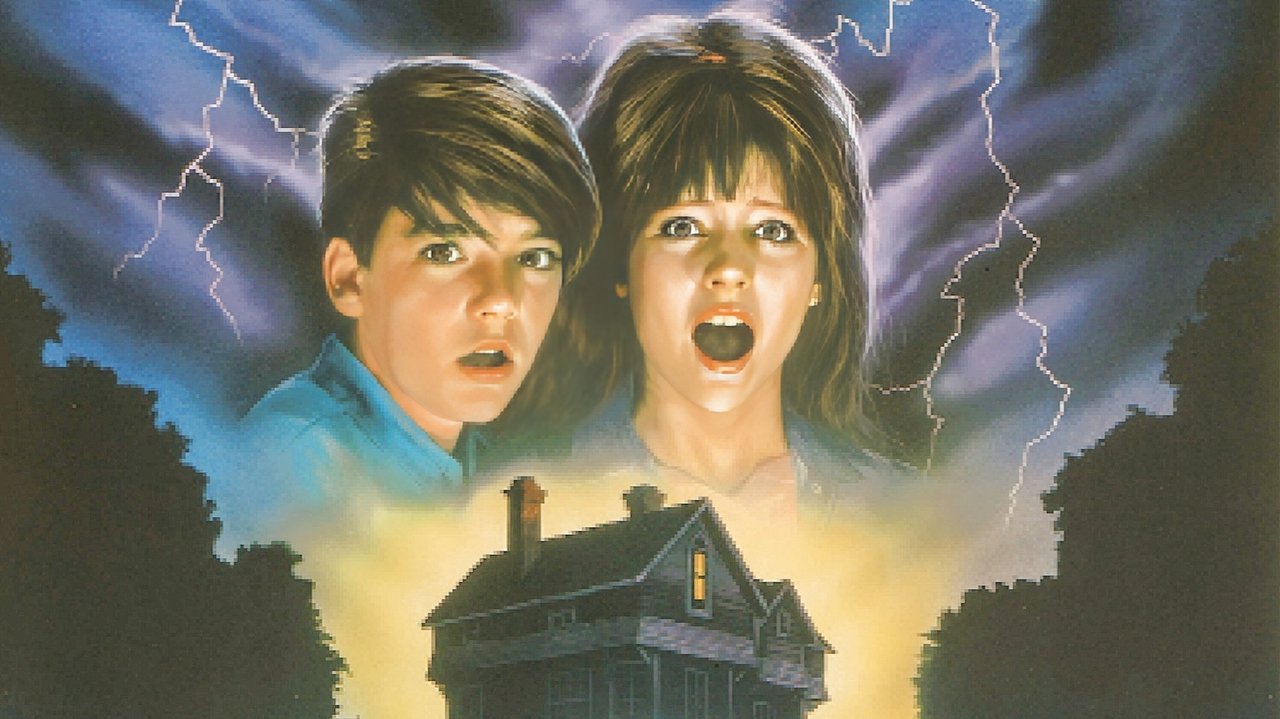
It captures a specific flavor of late-80s thriller – less reliant on gore, more focused on psychological tension and the violation of safe spaces. It’s the kind of movie you might have stumbled upon late one night at the video store, drawn in by the vaguely menacing cover art, and found yourself surprisingly gripped by its quiet intensity. I distinctly remember renting this one, expecting something perhaps a bit schlockier, and being genuinely unsettled by its more patient, character-driven horror.
VHS Heaven Rating: 7/10
Justification: While the deliberate pacing and low-budget constraints might show, Grandmother's House earns its score through effective atmosphere, genuinely unsettling performances (especially Lesser's), and a commitment to psychological dread over cheap thrills. It successfully captures the "something's not right here" vibe that defined many memorable VHS-era thrillers. It may not be a widely celebrated classic, but its ability to create sustained unease within a familiar, seemingly safe setting makes it a noteworthy entry from the period.
Final Thought: It’s a chilling reminder that sometimes the most terrifying secrets aren't hidden in haunted mansions or outer space, but right there in the heart of the family, behind the kindly facade of Grandmother’s house. A quiet gem for those who appreciate suspense that creeps rather than leaps.