Alright, fellow tapeheads, let’s rewind to a time when martial arts movie plots could be sketched on a napkin, the villains were often inexplicably Russian, and sometimes, just sometimes, the ghost of Bruce Lee himself would show up to teach you the ways of Jeet Kune Do. Slide that worn cassette of No Retreat, No Surrender (1986) into the VCR, adjust the tracking just so, and let’s talk about this glorious slice of mid-80s cheese and fury.

Forget subtle character arcs or intricate plotting. This film slams its foot on the gas from the get-go. Kurt McKinney plays Jason Stillwell, a Los Angeles kid obsessed with Bruce Lee (aren't we all?). His dad runs a dojo, which naturally attracts the attention of some goons trying to strong-arm martial arts schools into joining their crime syndicate. When Dad refuses and gets his leg broken for his troubles (ouch!), the family relocates to Seattle for safety. But trouble, and Jason's destiny, follows.
### Enter the Dragon... Ghost?
Seattle isn't much kinder. Jason gets bullied, pines after a girl, and feels utterly defeated. So, what does he do? He visits Bruce Lee's grave, naturally. And in a moment of pure, unadulterated 80s movie logic that still makes me grin like an idiot, the ghost of Bruce Lee appears to train him. Yes, you read that right. Portrayed by Kim Tai-chung, who famously served as Bruce Lee’s body double in Game of Death (1978), this spectral sensei puts Jason through a rigorous, montage-heavy training regimen. Looking back, it's completely bonkers, but watching it unfold on a fuzzy CRT back in the day? It felt like the coolest, most inspiring plot twist imaginable. The earnestness sells it, somehow defying the inherent absurdity.
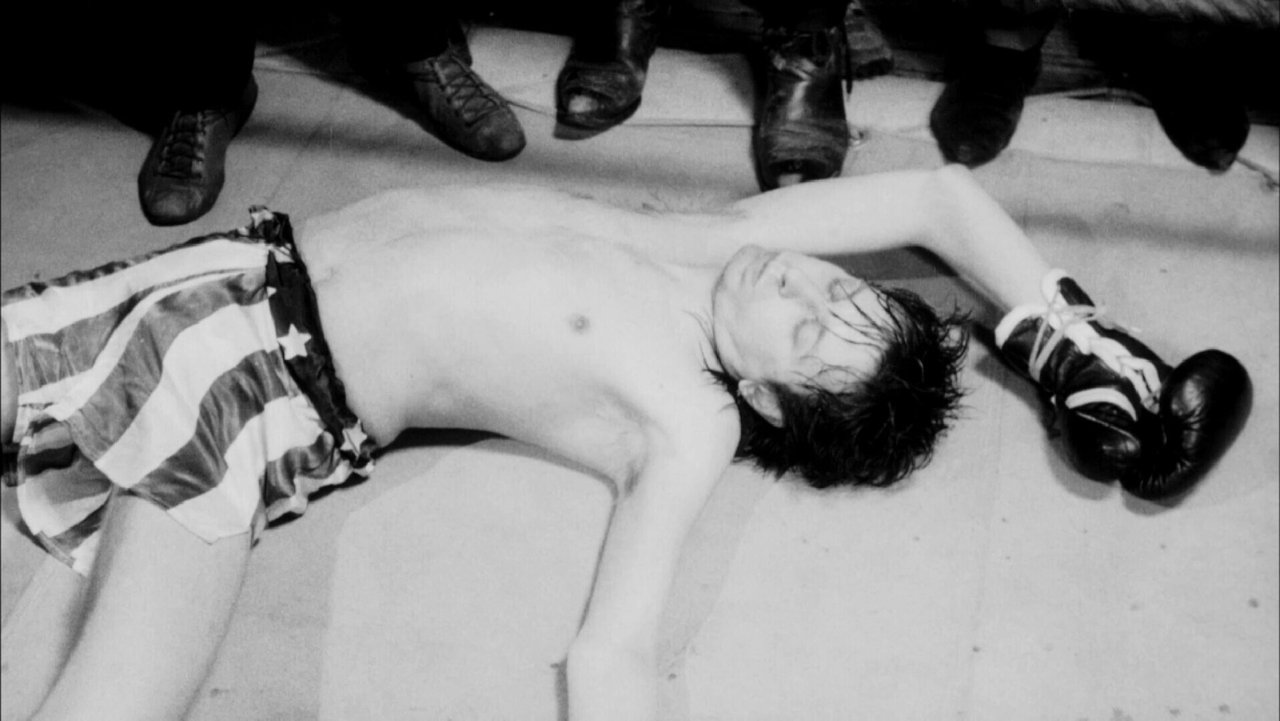
Behind the camera was Corey Yuen, a name now synonymous with high-energy Hong Kong action choreography, who would later direct films like Fong Sai-yuk (1993) and handle action direction for Hollywood hits like Lethal Weapon 4 (1998) and The Transporter (2002). You can see the seeds of that kinetic style here, even on what was clearly a modest budget. The film itself was a US/Hong Kong co-production, spearheaded by producer Ng See-yuen, another HK action veteran, giving it a flavour distinct from purely American action flicks of the time.
### The Muscles from Brussels Arrives
While Jason hones his skills (and deals with his hilariously supportive, breakdancing best friend R.J., played with infectious energy by J.W. Fails), the Seattle branch of the evil syndicate needs a ringer for the upcoming full-contact tournament. Enter Ivan Kraschinsky, "The Russian." And playing Ivan? A young, impossibly ripped Belgian martial artist making his first truly impactful screen appearance: Jean-Claude Van Damme.
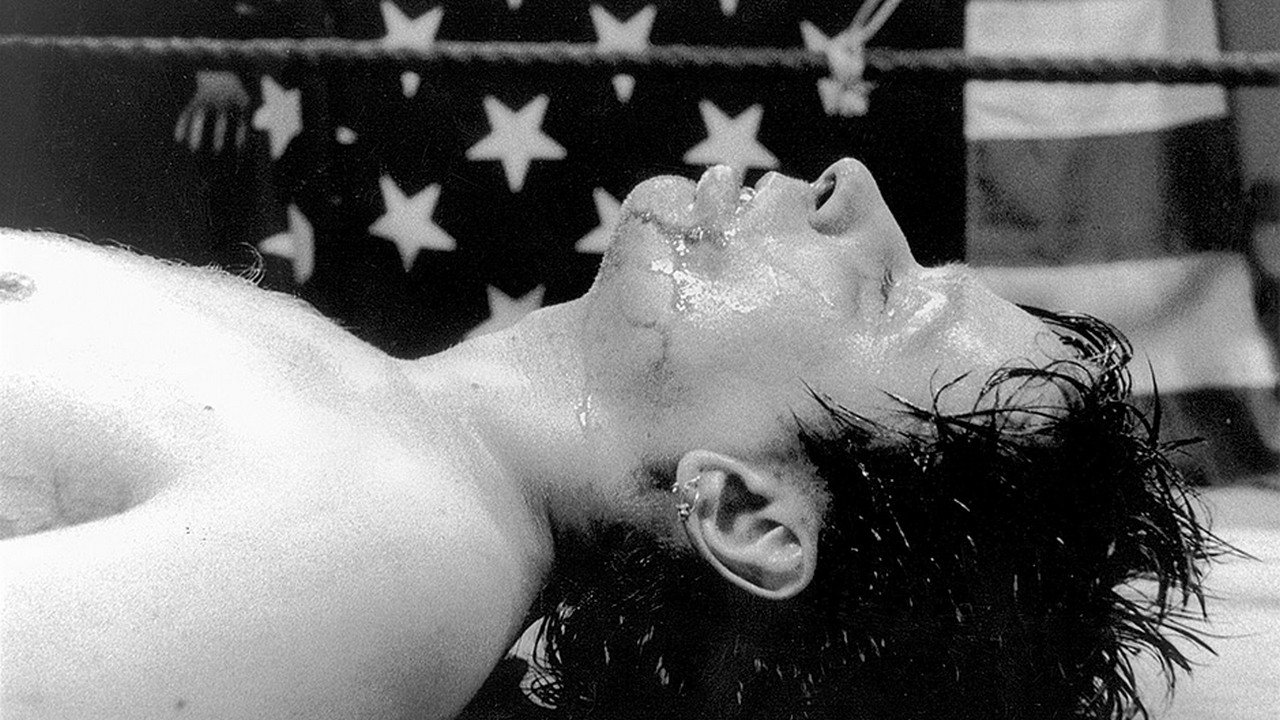
Seeing Van Damme here is electric. He’s raw, menacing, and his physical presence is undeniable. Those splits! That intensity! Forget dialogue; his kicks do the talking. Apparently, Van Damme initially clashed with the producers and almost didn't take the villain role, seeing himself as the hero type. Thankfully for action movie history, he stayed. His few scenes, especially the final confrontation, practically buzz with star potential. It's a fascinating snapshot of a future action icon just before he exploded. Remember how utterly brutal his character felt? He wasn't just fighting; he was aiming to cripple.
### That Sweet, Sweet Practical Action
Let's talk about the fights. No slick CGI here, folks. This is pure 80s practical stunt work. When someone gets kicked, they fly (maybe with a little wire assist, Hong Kong style, but still!). The impacts feel solid, the grunts sound real, and the final tournament showdown delivers exactly what you rented the tape for. It’s McKinney’s newfound skills against Van Damme’s sheer power. It might look a bit stagey by today’s standards, but the commitment from the performers is undeniable. There's a genuine sense of effort and impact that often gets lost in hyper-edited modern sequences. The training sequences, too, lean into that gritty, physical reality – push-ups, sparring, makeshift gym equipment – it felt attainable, almost like you could do it (if you had a ghost sensei, maybe).
The film wasn't exactly a critical darling upon release, often dismissed as a Karate Kid or Rocky IV knock-off. But it found its audience where it truly mattered: on the spinning racks of the local video store. It became a sleepover staple, a cult favourite passed around among martial arts movie fans. Different cuts even exist – the US version featured a more synth-heavy score by Paul Gilreath, while international versions sometimes had different music cues and minor scene alterations, adding to its slightly mysterious VHS-era lore. Shot primarily on location in Seattle and Los Angeles, it captures that specific mid-80s American landscape – the arcades, the suburban angst, the slightly questionable fashion choices.
### Still Worth the Rental Fee?
No Retreat, No Surrender is undeniably a product of its time. The acting outside of the action sequences can be stiff, the plot formulaic, and the dialogue occasionally veers into unintentional comedy ("Why? WHY?!"). But its heart is in the right place. It’s an earnest underdog story wrapped in a high-kicking B-movie package. It captures that glorious, anything-is-possible spirit of 80s action cinema, where sheer willpower (and maybe a little supernatural help) could conquer anything. McKinney is likable as the lead, Fails provides genuine fun, and Van Damme’s debut as a memorable villain is worth the price of admission alone.
Rating: 7/10
Justification: It loses points for the sometimes clunky acting and predictable plot, but gains major points for its sheer nostalgic charm, the introduction of Van Damme, Corey Yuen's early action direction, the wonderfully absurd Bruce Lee ghost plot device, and delivering exactly the kind of straightforward, high-energy martial arts fun that defined a generation of video rentals.
Final Thought: It’s the cinematic equivalent of finding your old Trapper Keeper – maybe a little faded and definitely dated, but brimming with earnest energy and reminding you exactly why Saturday nights in front of the VCR felt like pure magic. A must-watch for anyone who ever shadow-boxed in their bedroom after watching a kung fu movie.