It arrived in the mid-90s, a decade often defined by explosive action, snarky comedies, and burgeoning CGI spectacles. Yet, amidst the noise, landed The Bridges of Madison County (1995), a film radiating a quiet intensity that felt almost startlingly adult, deeply human, and profoundly melancholic. It wasn't the kind of movie you necessarily expected from Clint Eastwood, the steely-eyed icon of Westerns and gritty cop dramas, directing and starring in a story of forbidden, middle-aged love. But perhaps that very unexpectedness was part of its hushed power, a power that resonated strongly long after the VCR clicked off.
Four Days in Iowa
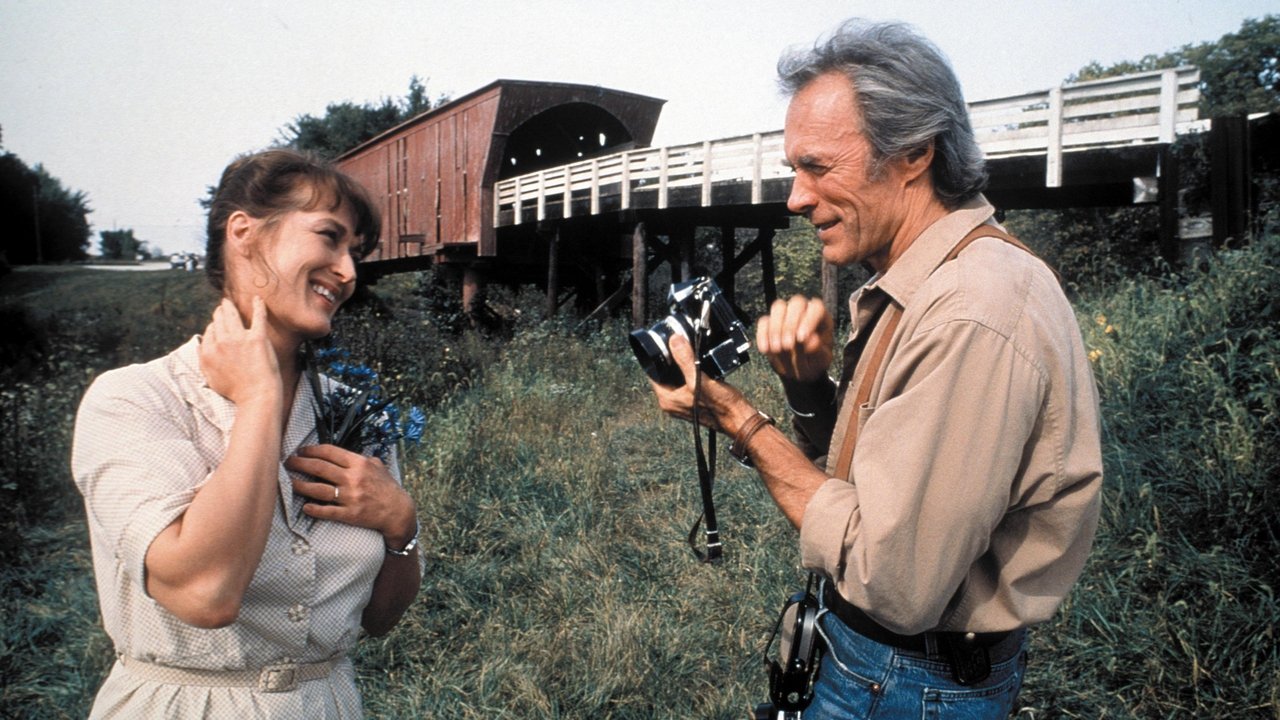
The premise, adapted from Robert James Waller’s ubiquitous bestseller, is deceptively simple. Francesca Johnson (Meryl Streep), an Italian war bride transplanted to the quiet routines of rural Iowa, finds her predictable life momentarily suspended when her husband and children leave for the state fair. Into this temporary solitude wanders Robert Kincaid (Clint Eastwood), a worldly National Geographic photographer on assignment to capture Madison County's famed covered bridges. Over four short, intensely charged days, an unexpected and profound connection blossoms, forcing Francesca to confront the comfortable predictability of her life versus the staggering possibility of a different future. Richard LaGravenese’s screenplay delicately navigates the interior lives of these characters, transforming the potentially pulpy source material into something far more resonant.
A Masterclass in Nuance
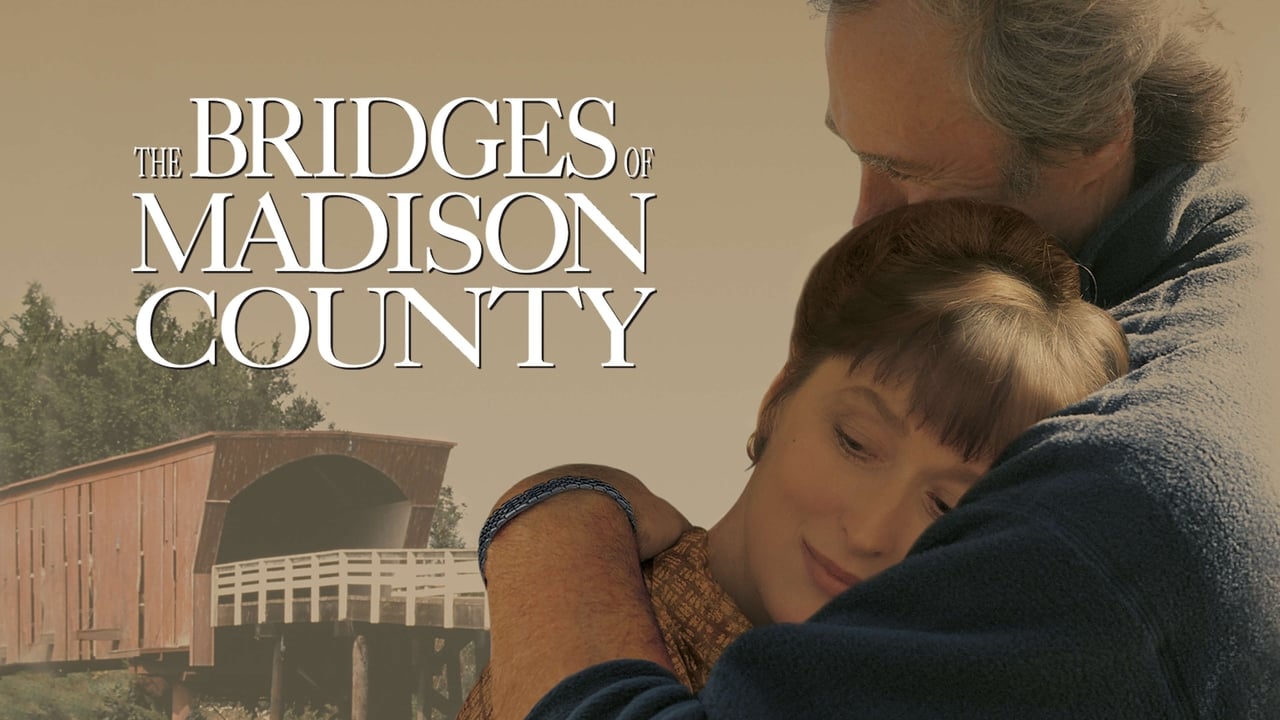
Let's be clear: the soul of this film rests upon the extraordinary shoulders of Meryl Streep. Her Francesca is a universe of unspoken longing, quiet frustrations, and rediscovered vitality contained within hesitant gestures and flickering glances. It's a performance devoid of vanity, achingly authentic in its portrayal of a woman seeing herself anew through the eyes of another. Streep captures the subtle shift from dutiful farm wife to a woman experiencing a passionate reawakening with breathtaking precision. We see the years of quiet compromise etched on her face, only to watch them momentarily smoothed away by Kincaid's attention. Her eventual choice isn't presented as simple martyrdom or regret, but as a complex, deeply personal navigation of love, responsibility, and the enduring shape of a life lived. It earned her a deserved Oscar nomination, standing as one of the pinnacles in a career full of them.
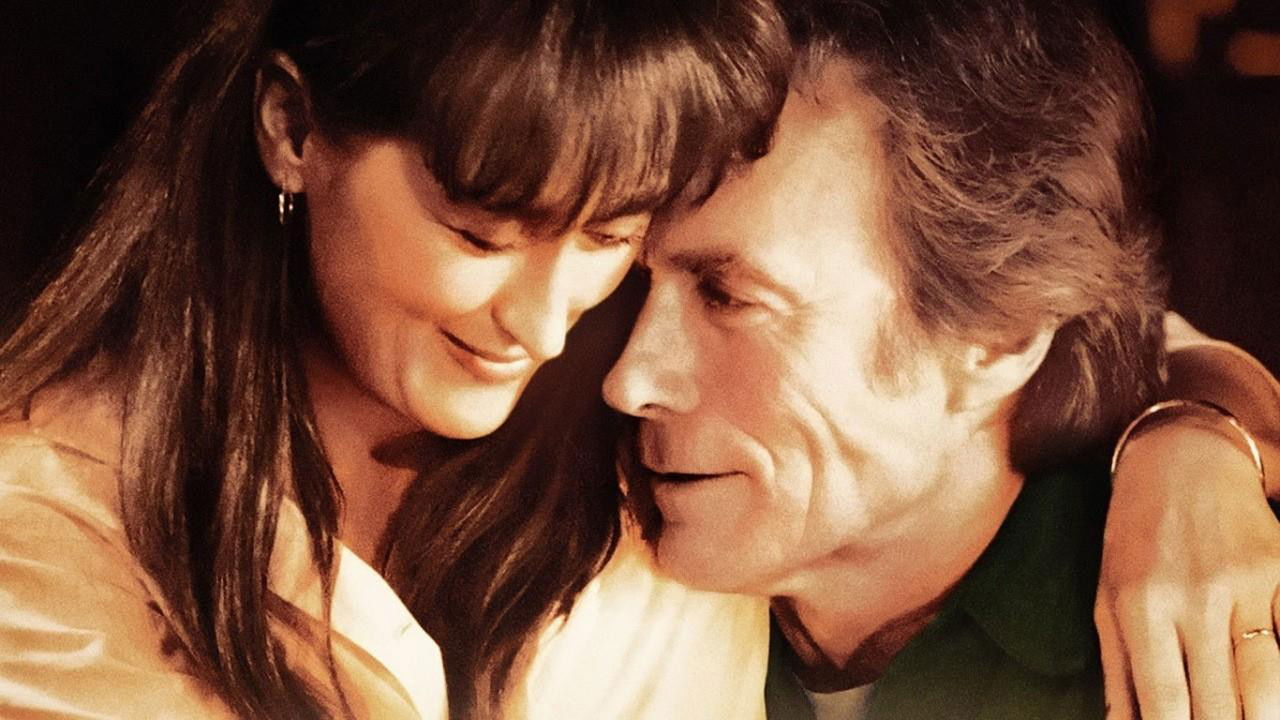
Eastwood, too, delivers a performance of surprising tenderness. Shedding his iconic stoicism, he embodies Kincaid not as a predatory interloper, but as a gentle, observant soul, perhaps just as lonely as Francesca. There's a weariness to him, a sense of a life spent observing rather than fully participating, that makes his connection with Francesca feel earned and mutual. Their chemistry isn't explosive; it's a slow, simmering recognition, built on shared moments of vulnerability and quiet understanding. That scene in the kitchen, the tentative hand touches, the shared glances – they feel utterly real.
Eastwood Behind the Camera
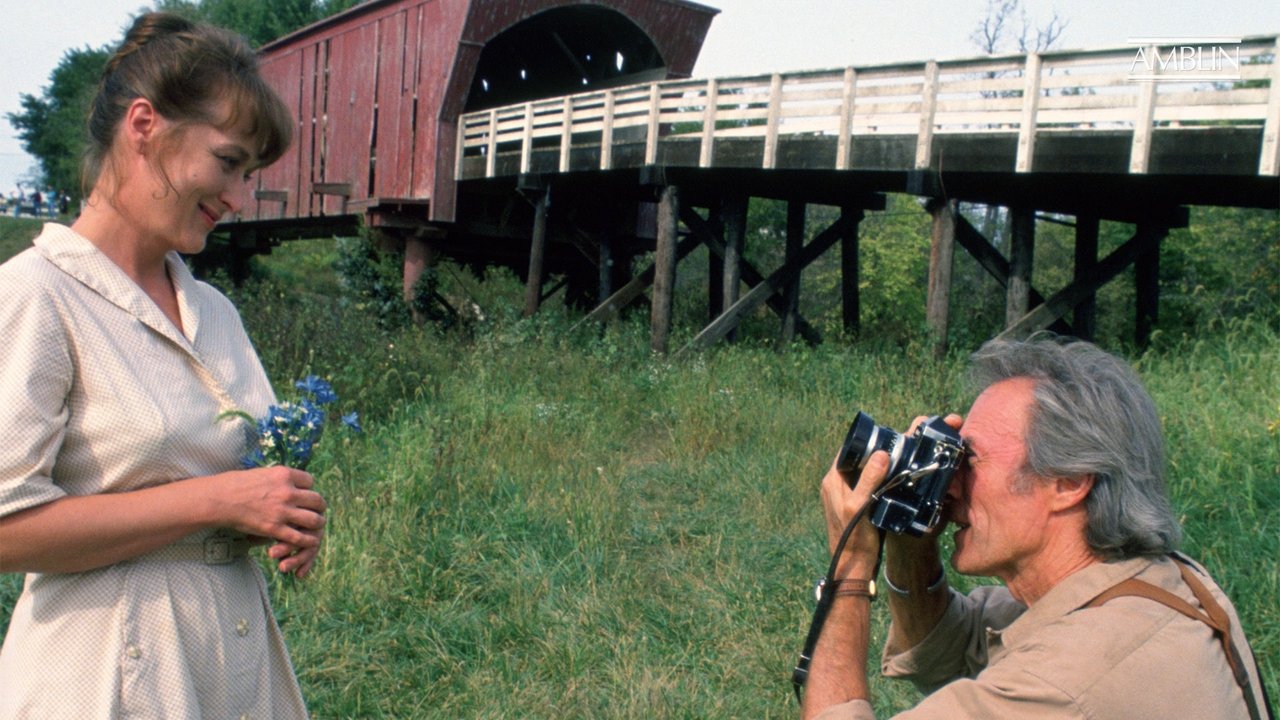

As director, Eastwood approaches the material with a characteristic lack of fuss, letting the performances and the palpable atmosphere breathe. He famously took over directing duties from Bruce Beresford and brought his typical efficiency to the production, reportedly shooting the $22 million film quickly and under budget – a remarkable feat given the emotional weight it carries. The film ultimately grossed over $182 million worldwide, proving audiences were hungry for mature, character-driven stories. Eastwood uses the picturesque Iowa landscape (filming took place in the actual Madison County) not just as a backdrop, but as an extension of Francesca's contained world. The cinematography is painterly, capturing the hazy summer light and the textures of rural life, creating a sense of place that feels both idyllic and confining. The pacing is deliberate, unhurried, allowing the emotional gravity of their brief encounter to build naturally. There’s no rush, just the slow unfolding of something life-altering.
The Weight of What Might Have Been
The Bridges of Madison County struck such a chord, I believe, because it tapped into that universal, often unspoken question: what about the lives we didn't choose? It explores the profound impact a fleeting connection can have, etching itself into memory and subtly reshaping the landscape of a life. The framing device, with Francesca's adult children discovering her journals after her death, adds another layer, prompting reflection on the hidden depths and secret histories parents carry. It asks us to consider the sacrifices made in the name of family and duty, and the enduring power of a love that existed outside the conventional lines.
It’s easy to forget now, given the novel’s sometimes polarizing reception, just how much this story resonated in the mid-90s. This VHS tape likely saw heavy rotation in many homes, perhaps passed between friends with a knowing look. It wasn't just a romance; it felt like an exploration of deeply buried adult emotions, the kind rarely given such sensitive screen treatment. The film deftly avoids easy answers or judgments, presenting the affair and its aftermath with a rare emotional honesty. That scene in the rain, Francesca’s hand hovering near the truck's door handle as Kincaid waits... it remains an indelible cinematic moment of choice and consequence.
Rating: 9/10
The Bridges of Madison County stands as a testament to the power of quiet storytelling and masterful performance. Streep is luminous, Eastwood reveals unexpected vulnerability both on screen and behind the camera, and the film handles its potentially melodramatic subject with grace and profound emotional intelligence. It earns its tears honestly. It’s a film that stays with you, prompting reflection on love, loss, and the indelible marks left by the roads we travel, and those we only glimpse. What lingers most, perhaps, is the quiet ache of possibility, forever preserved like photographs in time.