Okay, settle in, maybe pour yourself something smooth. Let's talk about a film that felt different right out of the box, even back in '97. Amidst the louder cinematic landscape of the mid-90s – the action blockbusters, the broader comedies, the grittier dramas – Love Jones arrived like a perfectly timed spoken word verse in a crowded room. It didn't shout; it resonated. And finding that tape on the rental shelf? It felt like stumbling onto something intimate, something real.

### More Than Just Boy Meets Girl
Right away, Love Jones distinguishes itself. This isn't your typical Hollywood romance formula. Director and writer Theodore Witcher crafted something rarer: a story about contemporary, middle-class Black artists and intellectuals navigating the messy, exhilarating, often confusing space between attraction and commitment. Set against the backdrop of Chicago's vibrant poetry and jazz scene – places like the iconic Wild Hare club stand in for the fictional Sanctuary – the film breathes an atmosphere thick with creativity, conversation, and cool. It captures a specific time and place, a cultural moment where neo-soul was blossoming and spoken word felt urgent and alive. Remember that feeling? The energy in those scenes is palpable, less a plot device and more the world these characters inhabit authentically.
### The Heart of the Matter: Darius and Nina
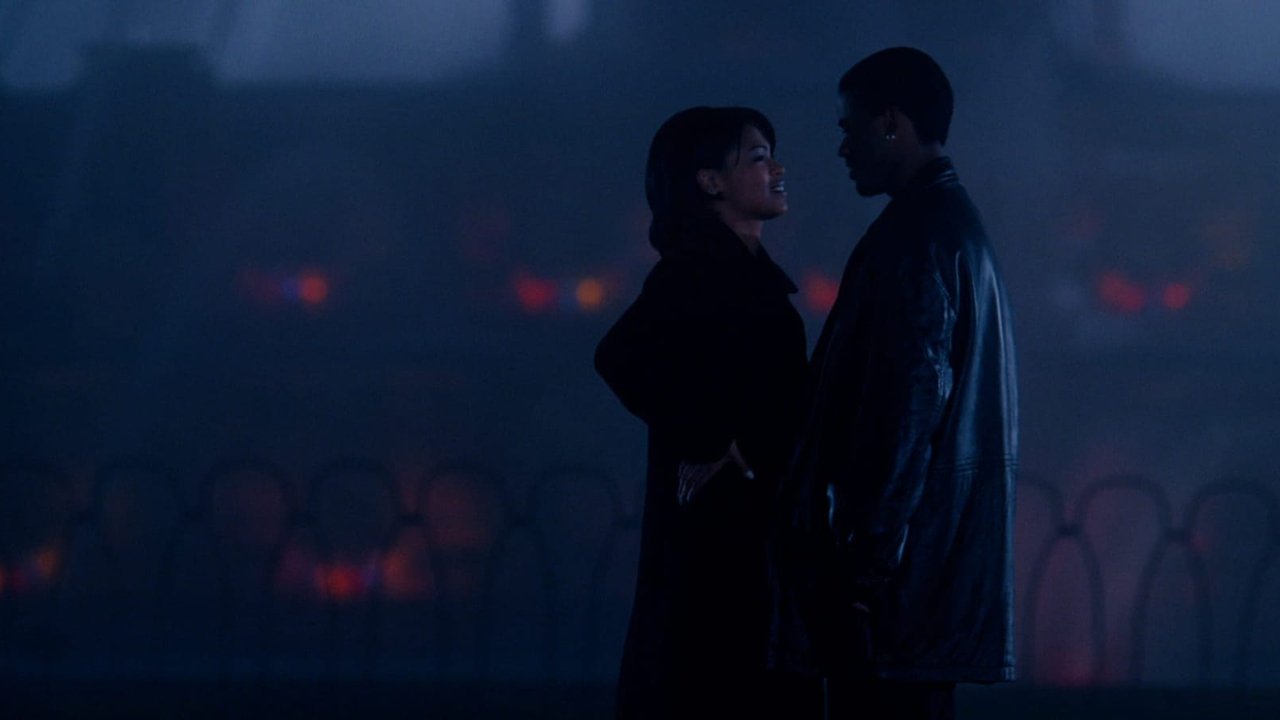
At its core, though, Love Jones is carried by the undeniable, electric chemistry between Darius Lovehall, played by Larenz Tate, and Nina Mosley, embodied beautifully by Nia Long. From their initial meeting, sparked by Darius's impromptu poem dedicated to her ("A Blues for Nina"), there's an intelligence and a vulnerability to their connection that feels refreshingly grounded. Tate, who many of us knew from intense roles like O-Dog in Menace II Society or alongside the Wayans in Don't Be a Menace, revealed a completely different side here – smooth, witty, thoughtful, yet believably uncertain. It was a welcome surprise, showcasing his range. In fact, Tate initially expressed some hesitation about taking on a straight romantic lead after his previous work, making his nuanced performance even more impressive.
Nia Long, already a familiar face from essential 90s films like Boyz n the Hood and Friday, is simply radiant as Nina, a talented photographer grappling with career ambitions and the ghosts of past relationships. She brings a relatability and quiet strength to the role, making Nina's hesitations and desires feel entirely genuine. What makes their dynamic so compelling isn't just the sparks, but the realism. They stumble. They miscommunicate. They question whether what they have is true love or just... a "love jones," that potent, sometimes fleeting infatuation the film (and the Dionne Farris song it borrows its title from) explores. Their journey isn't linear; it reflects the often-unpredictable rhythm of real relationships.
### A Singular Vision, A Lasting Echo
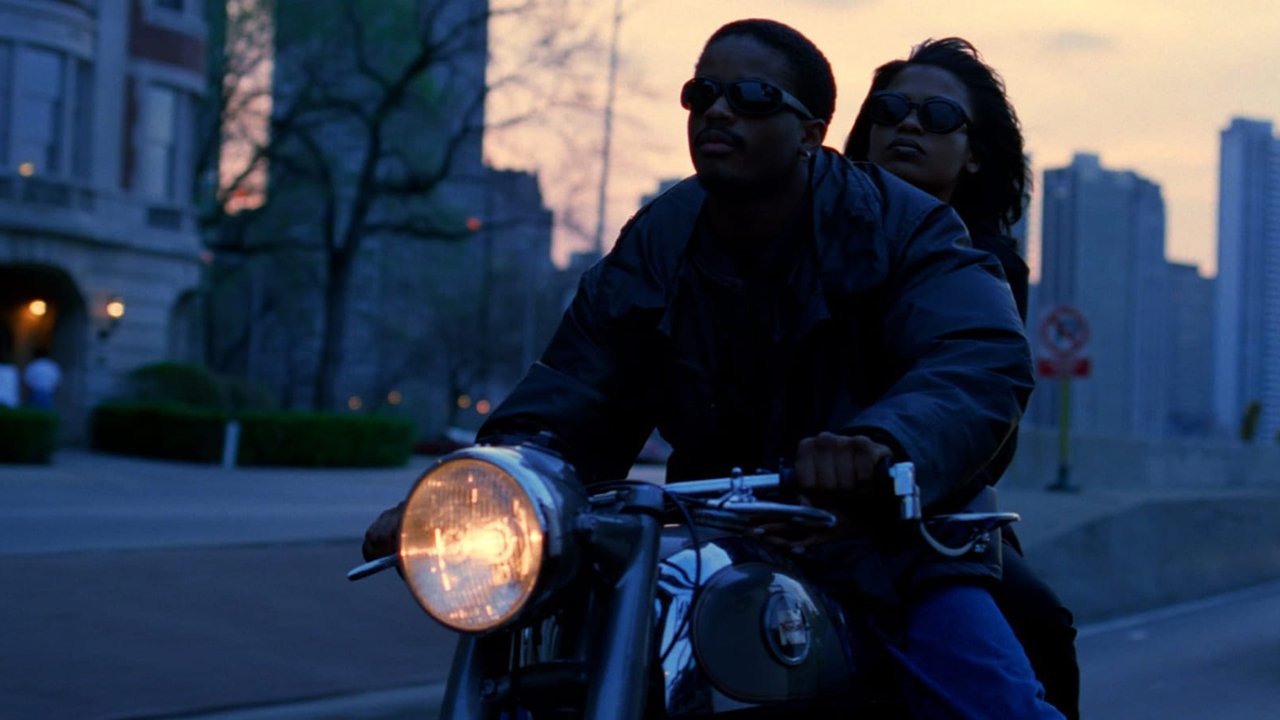
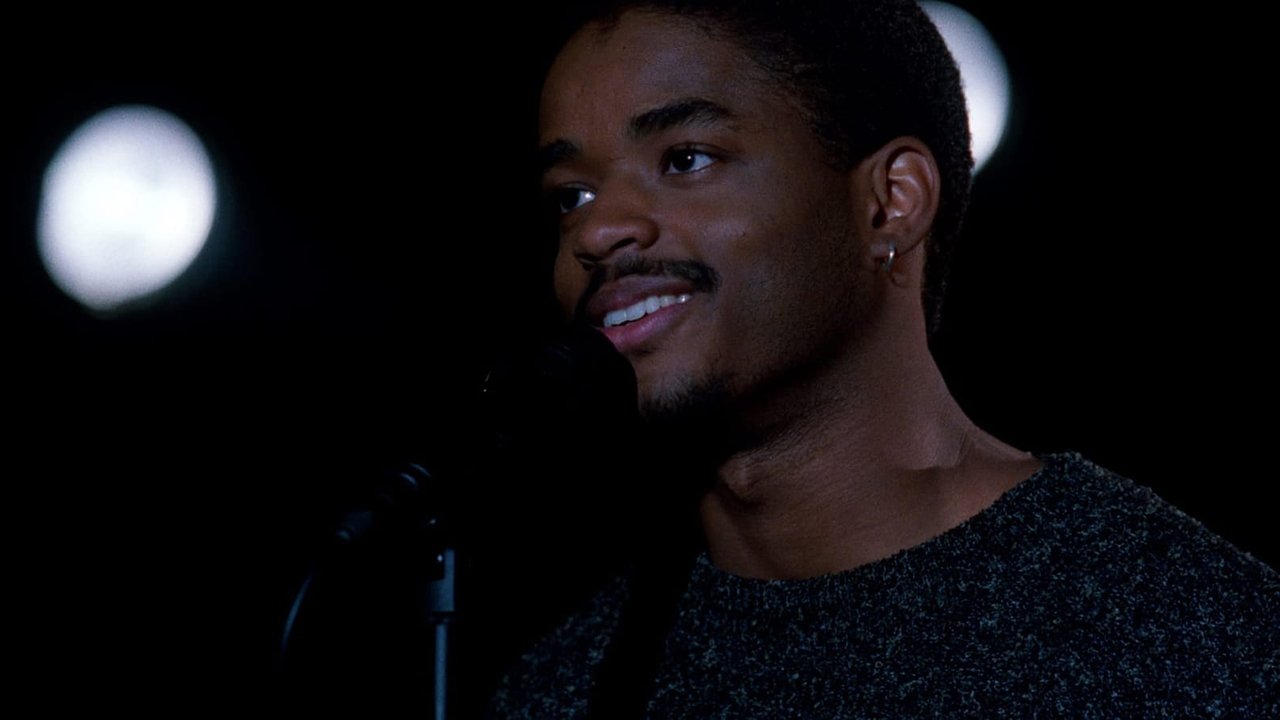
It’s almost unbelievable, looking back, that Love Jones remains Theodore Witcher’s sole feature film directorial credit. He crafted such a distinct and assured debut, focusing on character depth, sparkling dialogue, and that all-important mood. The film feels personal, reportedly drawing inspiration from Witcher's own experiences within Chicago's arts community. Its success wasn't immediate blockbuster numbers (around $12.5 million at the US box office against a modest budget), but its impact has been profound and lasting. It garnered the Audience Award at the prestigious Sundance Film Festival in 1997, hinting at the deeper connection it forged with viewers.
And can we talk about that soundtrack? It wasn't just background music; it was the film's heartbeat. Featuring tracks from Maxwell, Lauryn Hill, Groove Theory, and Dionne Farris, it became a massive seller in its own right and perfectly complemented the film's sophisticated, soulful vibe. It’s one of those soundtracks that instantly transports you back.
The supporting cast, too, adds layers. Isaiah Washington as Savon Garrison, Darius's married friend offering often pragmatic (sometimes cynical) advice, and Lisa Nicole Carson as Josie Nichols, Nina's outspoken best friend, provide sounding boards and different perspectives on love and life, enriching the central narrative.
### Why It Still Hits Home
Watching Love Jones today, it doesn't feel particularly dated. Sure, the pagers and landlines root it firmly in the 90s, but the core emotional truths – the vulnerability required for connection, the fear of getting hurt, the challenge of balancing personal ambition with partnership – remain universal. It stands as a significant cultural marker, offering a portrayal of Black love and life that was (and arguably still is) rare in mainstream cinema: nuanced, intelligent, aspirational, and deeply human. It carved out a space for stories centered on everyday intimacy and connection within the Black experience, moving beyond tired tropes. It’s become a beloved cult classic, a comfort film for countless people, the kind of movie you return to when you need a reminder of what authentic connection looks and sounds like. The fact that Witcher never directed another feature film remains a point of intrigue and perhaps disappointment for fans who appreciated his unique voice; speculation ranges from creative differences with studios on future projects to personal choice, but his debut remains a cherished work.
---
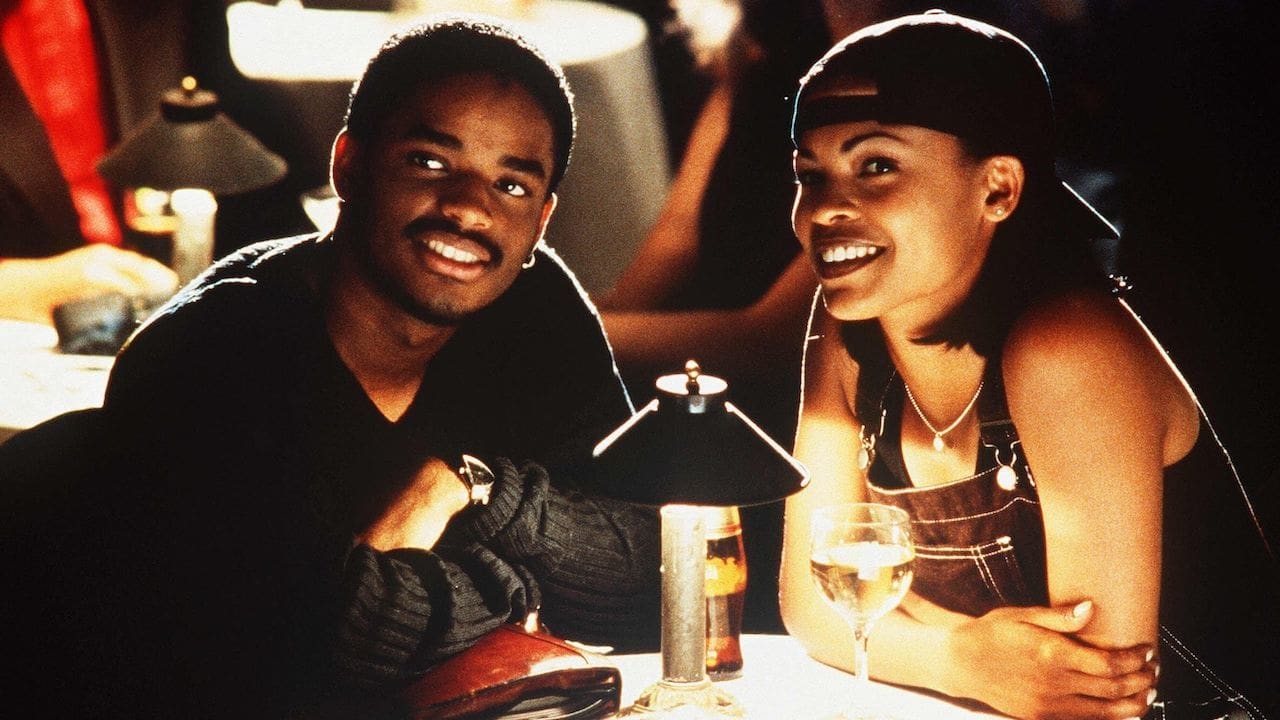
Rating: 8.5/10
Justification: Love Jones earns its high marks for its timeless portrayal of romantic uncertainty, the undeniable chemistry between Larenz Tate and Nia Long, its authentic atmosphere, and its culturally significant place as a sophisticated, non-stereotypical Black romance. Theodore Witcher's singular vision, brought to life by stellar performances and an iconic soundtrack, creates a mood and realism that resonate deeply. While its deliberate pacing might not suit everyone, its emotional intelligence and lasting charm make it a standout film of the 90s and a true gem of the VHS era.
Final Thought: More than just a romance, Love Jones is a conversation – about love, art, life, and the courage it takes to figure it all out. Doesn't that conversation still feel relevant today?