There are films we watch, enjoy, and perhaps revisit fondly. And then there are films that imprint themselves onto our consciousness, leaving a mark that time doesn't easily fade. Alan J. Pakula's 1982 adaptation of William Styron's devastating novel, Sophie's Choice, belongs firmly in the latter category. Watching it again, decades after first encountering that distinctive clamshell case on a video store shelf, the emotional weight feels undiminished, perhaps even heavier with the perspective of years. It’s a film that doesn’t just ask for your attention; it demands a piece of your soul.

Brooklyn Summers, Lingering Shadows
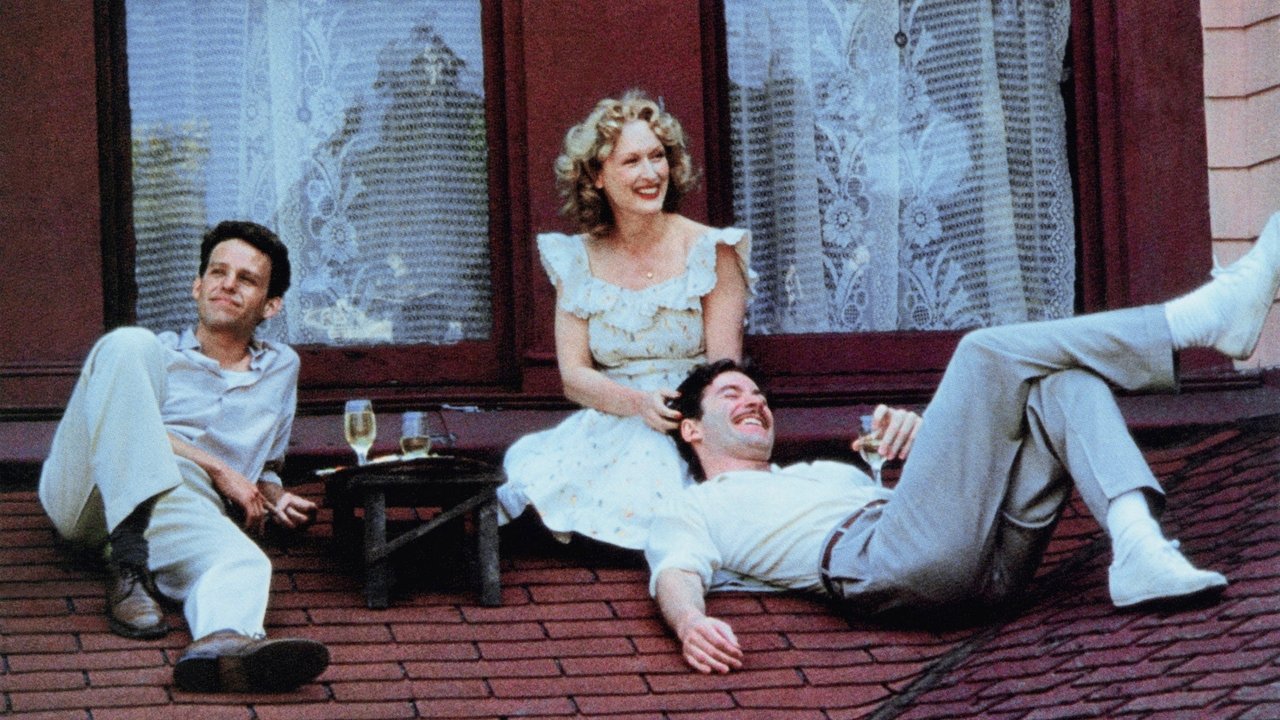
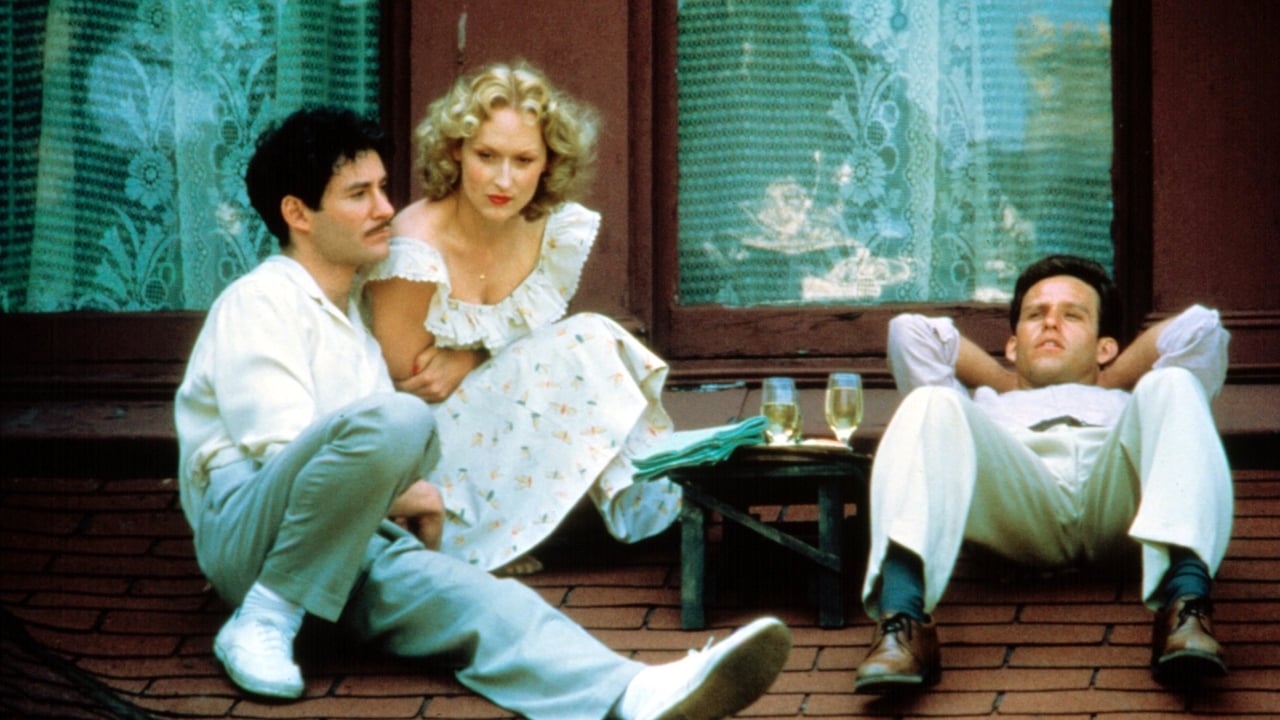
The film introduces us to Stingo (Peter MacNicol), a young, aspiring novelist fresh from the South, arriving in a vibrant, post-WWII Brooklyn boarding house in the summer of 1947. It’s through his initially naive eyes that we meet the captivating, enigmatic Sophie Zawistowska (Meryl Streep) and her brilliant, mercurial lover, Nathan Landau (Kevin Kline, in a stunning feature film debut). The early scenes possess a deceptive warmth, bathed in the hazy glow of summer afternoons and fuelled by the intoxicating, almost theatrical passion between Sophie and Nathan. There's laughter, music, stolen moments of joy – a picture of bohemian life that feels both idyllic and precarious. But even amidst the picnics and declarations of love, an undercurrent of unease ripples just beneath the surface. We sense Sophie’s fragility, Nathan’s volatile brilliance bordering on something darker, and Stingo’s growing awareness that he’s stumbled into a world far more complex and wounded than he initially understood.
An Unforgettable Portrayal
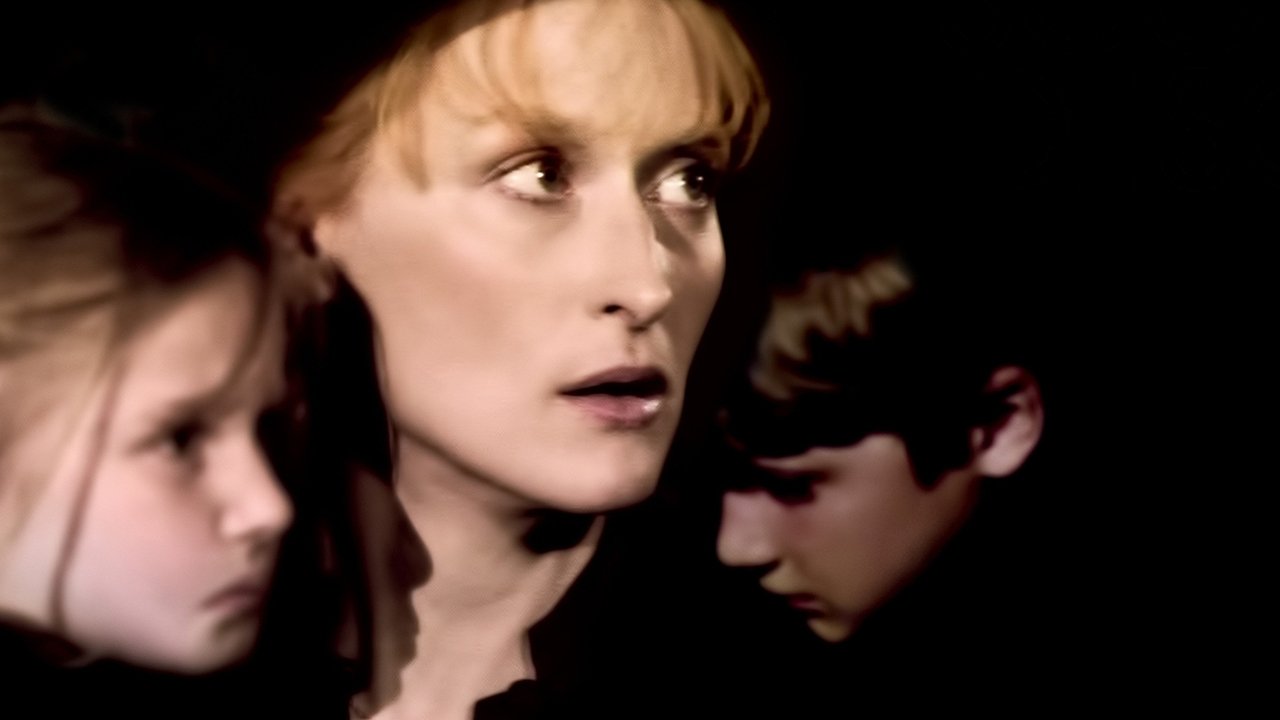
It's impossible to discuss Sophie's Choice without centering on Meryl Streep's performance, a portrayal so complete, so lived-in, that it remains a benchmark against which dramatic acting is often measured. It wasn't just the flawless Polish and German dialogue, reportedly learned phonetically with painstaking dedication (Streep famously refused to attempt the Polish scenes until she felt she could do them justice). It was the way she embodied Sophie’s profound trauma, the flicker of haunted memory in her eyes even during moments of apparent happiness, the subtle shifts in posture that spoke volumes about her past. Streep captures the unbearable weight of survival guilt, the desperate clinging to life and love, and the ghosts that refuse to stay buried. Her eventual confession, the reveal of the titular choice, is rendered with such raw, unvarnished agony that it’s almost unbearable to watch, yet impossible to look away from. It's a performance that transcends technique; it feels like bearing witness. Unsurprisingly, it earned her the Academy Award for Best Actress, a win that felt utterly inevitable to anyone who saw the film. Pakula, known more for his taut thrillers like Klute and All the President's Men, apparently needed some convincing that Streep, initially perceived perhaps as too coolly intellectual, could embody Sophie's vulnerability. Legend has it she practically begged for the role, even throwing herself dramatically onto the pavement outside his office – a testament to her conviction.
The Dangerous Dance
While Streep anchors the film, the performances around her are equally crucial. Kevin Kline, fresh from the stage, brings a ferocious energy to Nathan. He’s charismatic, intelligent, seductive, but also deeply unstable, his moods swinging violently between adoration and terrifying paranoia. Kline masterfully conveys the brilliance intertwined with mental illness, making Nathan both alluring and deeply frightening. It's a performance that crackles with unpredictability. Peter MacNicol, as Stingo, serves as the audience's surrogate, his journey from wide-eyed observer to shaken confidante mirroring our own. He provides the necessary grounding, the lens through which we piece together Sophie and Nathan’s fractured reality. His quiet empathy makes the unfolding tragedy all the more resonant.
Pakula's Careful Craft
Alan J. Pakula directs with remarkable sensitivity and restraint. He understands that the power of the story lies in its characters and the slow reveal of their devastating histories. He avoids overt melodrama, allowing the emotional weight to build organically. The cinematography by Néstor Almendros beautifully contrasts the sun-dappled Brooklyn present with the stark, desaturated flashbacks to Auschwitz, visually reinforcing the chasm between Sophie's attempts at a new life and the inescapable horror of her past. Pakula uses close-ups to draw us into the actors' faces, forcing us to confront their pain and confusion. The film's pacing is deliberate, allowing the atmosphere of dread and sorrow to permeate slowly, making the eventual revelations all the more impactful. It’s a masterclass in letting powerful material speak for itself, guided by a sure and empathetic hand. Interestingly, much of the Brooklyn filming took place in the Ditmas Park area, using actual Victorian houses that lent an authentic period feel, a tangible link back to that 1947 summer Styron envisioned.
The Weight of Memory on VHS
Seeing Sophie's Choice on VHS back in the day felt different. There was an intimacy to it, holding the tape, the whir of the VCR. It wasn't easily clickable, disposable content. You committed to the experience, and this film, perhaps more than many others from the era, demanded that commitment. It wrestled with themes – the nature of evil, the long shadow of trauma, the complexities of survival, the destructive power of secrets – that felt immense, almost too large for the flickering CRT screen, yet somehow more immediate because of it. It wasn't light entertainment; renting Sophie's Choice was a conscious decision to engage with something profound and deeply unsettling. It made roughly $30 million on a reported $9 million budget – respectable, but its true impact wasn't measured in dollars, but in its enduring place in cinematic history and the conversations it sparked about history, morality, and the human capacity for both love and unbearable suffering.
---

Rating: 9.5/10
This score reflects the near-perfect execution of a profoundly difficult story. Streep's performance is legendary for a reason, Kline and MacNicol offer superb support, and Pakula's direction is masterful in its sensitivity and control. The film tackles immense themes with grace and unflinching honesty, leaving an indelible emotional imprint. It loses half a point only perhaps because its sheer emotional weight makes it a film many find difficult to revisit, despite its undeniable brilliance.
Final Thought: Sophie's Choice remains a towering achievement in filmmaking, a harrowing exploration of the human spirit under unimaginable duress. It’s a film that stays with you long after the credits roll, forcing a confrontation with history and the enduring question of how we live with the unbearable.