Dust settles on a dead world. That's the opening image that sticks with you from The Terror Within, a bleak panorama of post-apocalyptic silence that promises desolation long before the monsters even show up. This isn't the neon-drenched wasteland of some 80s fantasies; this is a grimy, hopeless landscape where survival is measured in dwindling supplies and the constant, gnawing fear of what lurks just outside the flimsy walls of humanity's last bunkers. It perfectly sets the stage for a film that, while undeniably familiar, sinks its claws into a specific kind of late-80s creature feature dread.
Beneath the Wasteland, Familiar Shadows
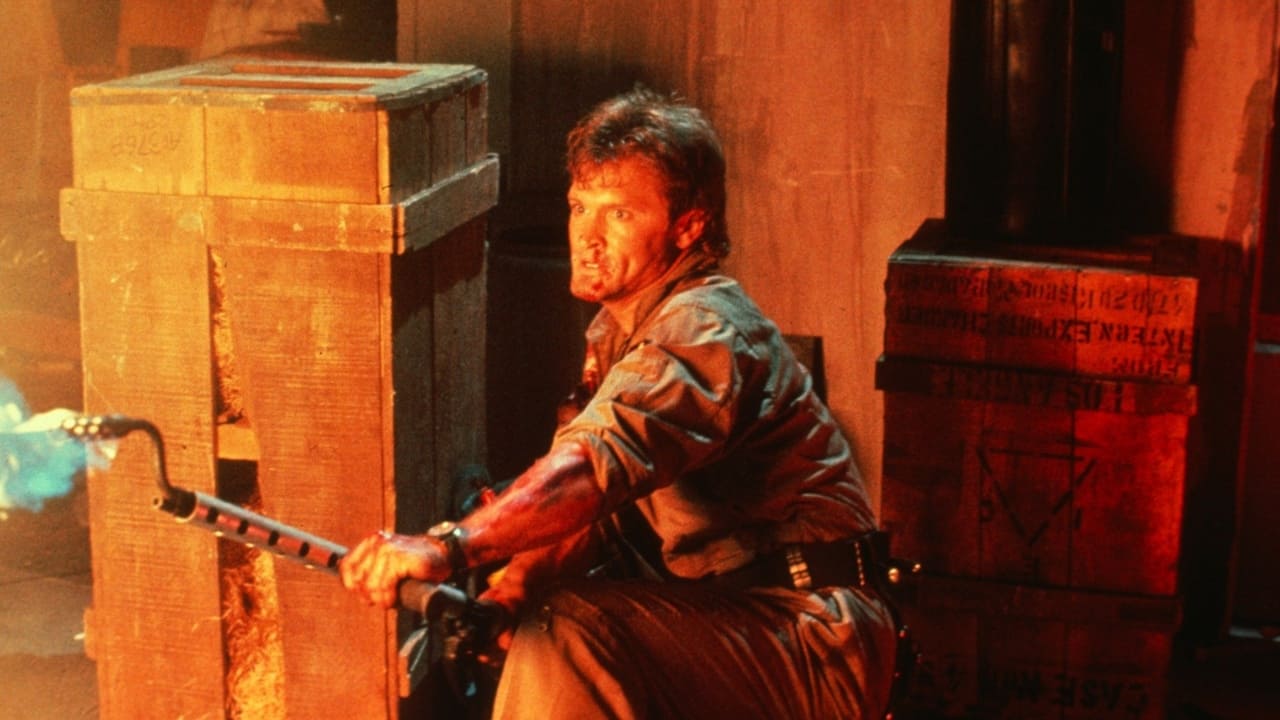
The setup is pure distilled B-movie gold, heavily borrowing – let's be honest, shamelessly lifting – from Ridley Scott's Alien (1979) and John Carpenter's The Thing (1982). Deep beneath the Mojave Desert, a handful of scientists and survivors cling to life in the Mojave Laboratory of Subterranean Research. Above, a chemical plague has rendered the surface lethal and spawned mutated horrors dubbed "gargoyles." When a scavenging mission brings back more than just supplies, the claustrophobic confines of the lab become a hunting ground. It’s a tale we’ve seen before, but executed here with a certain low-budget grit that feels uniquely of its time. Directed by Thierry Notz, this isn't a film aiming for high art; it's aiming squarely for the gut, delivering practical creature carnage on a shoestring.
Creature Comforts (and Discomforts)

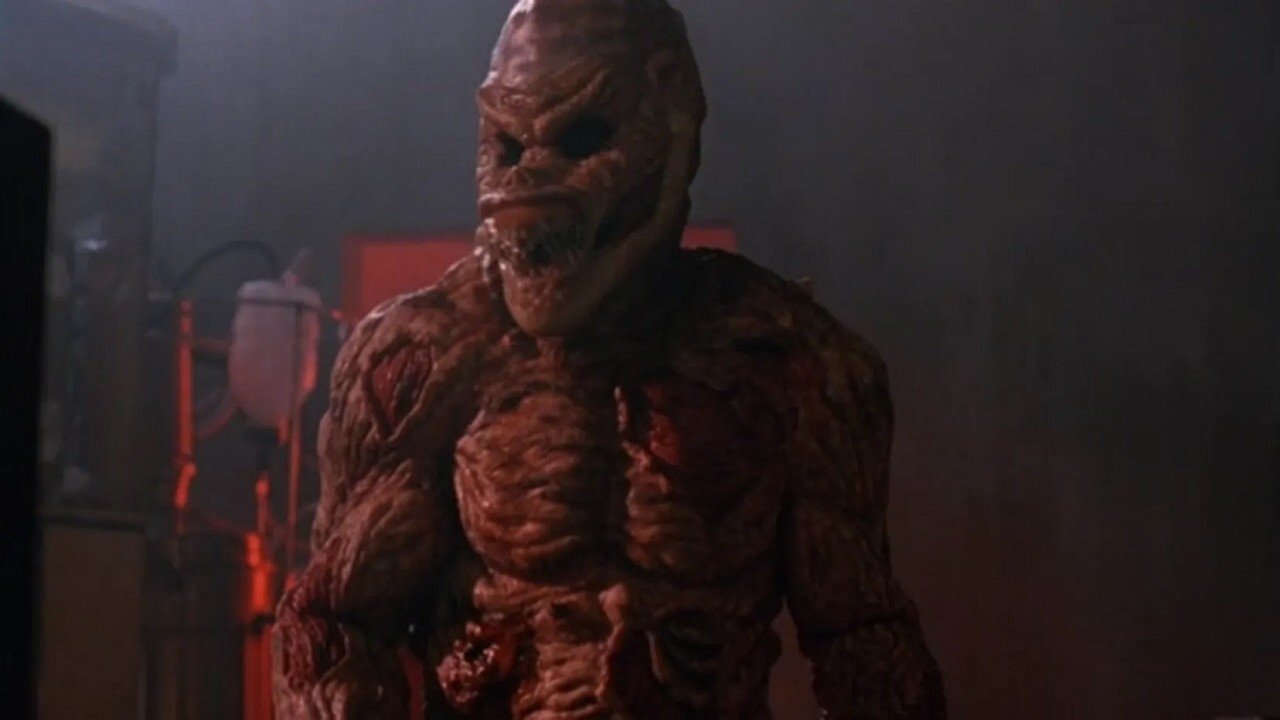
Let's talk monsters. The "gargoyles" are the undeniable stars, slimy, aggressive beasts brought to life through good old-fashioned latex and puppetry by creature effects artist Dean Jones (who would later contribute to various Star Trek series). While they might look a bit rubbery by today's standards, there's an unnerving physicality to them. Remember how tangible those practical effects felt on a grainy VHS tape watched late at night? These creatures have weight, presence. The attack scenes are brutal and messy, prioritizing visceral impact over elegant choreography. The film understands the power of suggestion, often keeping the creatures half-hidden in the dimly lit corridors of the underground lab, amplifying the tension before the inevitable, gruesome reveal. Doesn't that shadowy scuttling just before an attack still send a shiver down your spine?
One particularly unsettling element, echoing Alien's body horror themes, involves a pregnancy subplot. Without giving too much away, the film takes this in a direction that feels both derivative and genuinely unpleasant, tapping into primal fears about violation and monstrous birth. Starr Andreeff as Karen, the expectant mother, bears the brunt of this, delivering a performance grounded in fear and desperation.
Corman's Shadow and Desert Grit
You can feel the guiding hand of producer Roger Corman and his Concorde Pictures banner hovering over The Terror Within. Shot quickly and efficiently, likely for under a million dollars (a pittance even then), the film makes the most of its limited resources. The Mojave Desert locations lend an authentic sense of isolation and decay, far more effective than any soundstage could be. Inside the lab, the sets are functional, utilitarian, reinforcing the feeling of a desperate last stand rather than a high-tech haven. Reportedly, the production likely utilized existing sets or locations familiar to Corman productions to keep costs rock-bottom, a common practice for the famously frugal producer.
The cast brings a level of professionalism that elevates the material. Veteran actor George Kennedy (an Oscar winner for Cool Hand Luke (1967), though perhaps better known to this audience from The Naked Gun films) lends considerable gravitas as Hal, the weary leader figure. His presence anchors the film, giving it a touch of class it might otherwise lack. Andrew Stevens, who also served as a producer, plays David, the determined hero. Stevens was carving out a niche in this kind of genre fare during the late 80s and early 90s, both in front of and behind the camera, and he fits the role perfectly.
Legacy in the Dust
The Terror Within wasn't destined for critical acclaim or blockbuster status. It was born for the video store shelves, a gritty slice of post-apocalyptic horror designed to grab your attention with its promise of creature mayhem. It delivered precisely what it promised, becoming a minor cult favourite among genre fans who appreciated its practical effects and unrelentingly bleak atmosphere. Its modest success, particularly on home video, even spawned a sequel, The Terror Within II, released just two years later in 1991, again featuring Stevens and produced by Corman's company.
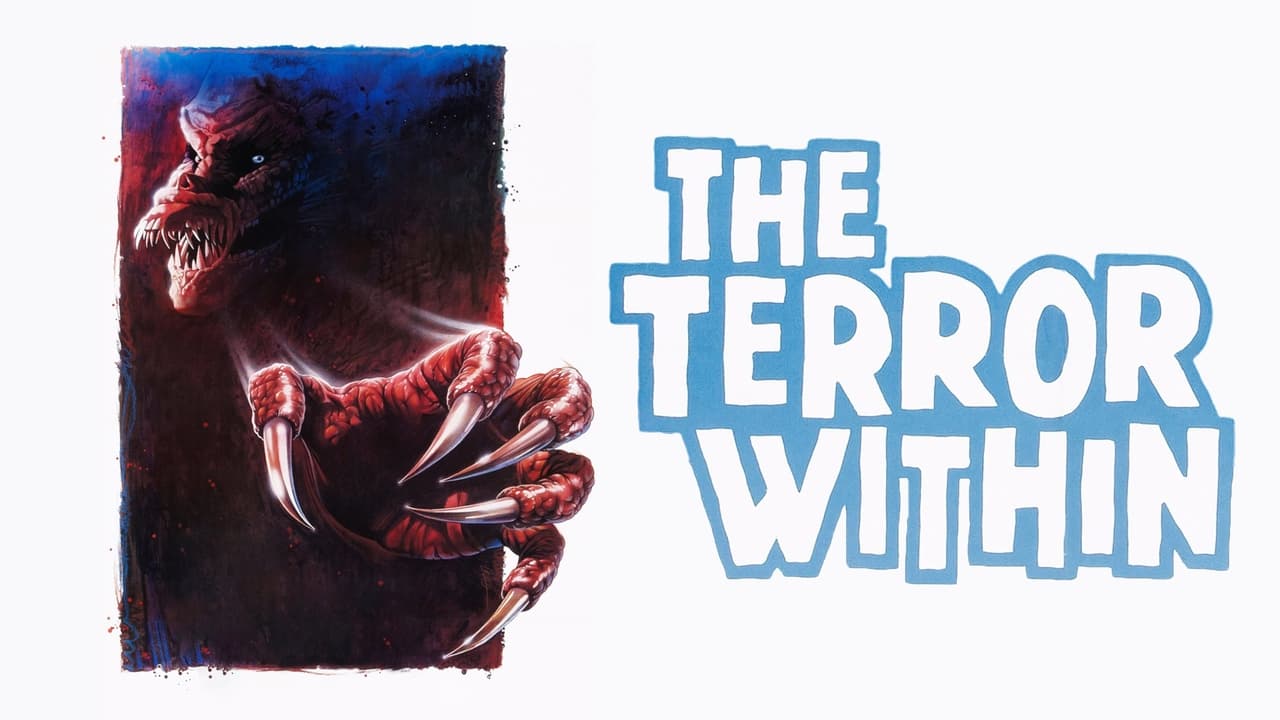
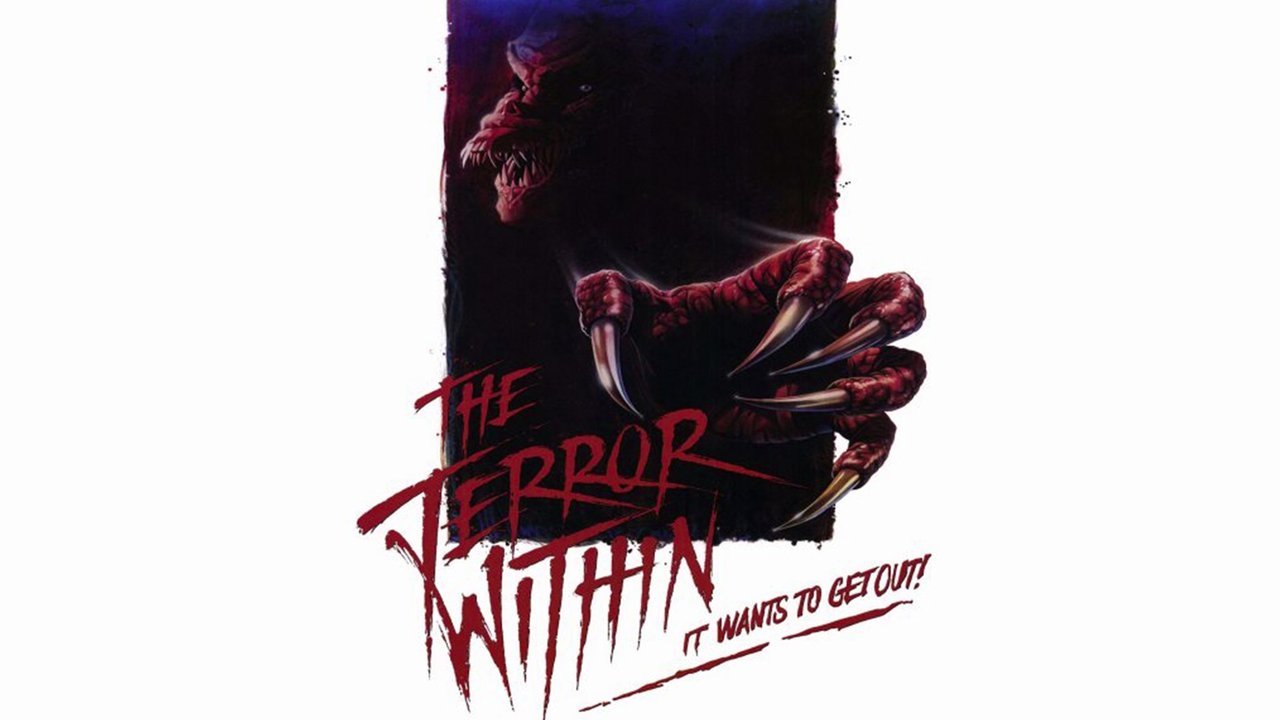
Does it hold up perfectly? Perhaps not. The pacing occasionally drags, the plot points are heavily recycled, and some dialogue clunks. But watching it again now, there’s an undeniable charm to its practical approach and its commitment to its grim premise. It evokes that specific feeling of discovering a hidden gem on the horror shelf, something raw and unpolished but undeniably effective in its own right. I distinctly remember renting this one, drawn in by the monstrous cover art, and getting exactly the kind of creature feature fix I craved.
VHS Heaven Rating: 6/10
Justification: While heavily derivative of genre titans like Alien, The Terror Within earns points for its effectively grim atmosphere, solid practical creature effects (for the budget), capable performances (especially Kennedy's anchoring presence), and its status as a pure, uncut example of late-80s Corman-esque exploitation filmmaking. It loses points for lack of originality, sometimes sluggish pacing, and predictable plot beats. It delivers on its B-movie promises, providing grungy monster thrills perfect for a nostalgic revisit.
Final Thought: In the crowded field of 80s creature features, The Terror Within stands as a grimy, earnest, and surprisingly effective entry, a reminder of a time when practical effects and a bleak outlook could carry a low-budget horror film a long way.