Okay, pop that worn tape in the VCR, adjust the tracking just so, and ignore that slight buzz from the CRT. We're diving headfirst into a weird, wonderful, and surprisingly significant slice of anime history today: Dragon Ball Z: Dead Zone (1989), or as some might know it by its Japanese title, simply Dragon Ball Z. This wasn't just another movie; for many of us clutching worn-out rental copies back in the day, this felt like a strange, potent glimpse into the future of Goku and pals.

### Before Z Was Even Z?
The first thing that hits you about Dead Zone, especially watching it decades later, is its bizarre place in the Dragon Ball timeline. Released in Japan just before the Dragon Ball Z anime series properly kicked off, it exists in this fascinating limbo. Goku’s an adult, Gohan is a tearful toddler with a hidden power, Piccolo is still rocking the weighted Namekian threads but is kind of helping? It feels like Z, looks like Z, but chronologically... it's a head-scratcher. For many Western fans who discovered DBZ through edited TV airings or patchy VHS releases, Dead Zone often served as an early, confusing, but undeniably exciting taste of the high-octane action to come. I definitely remember renting this from a local video store, probably nestled awkwardly between Akira and some Jean-Claude Van Damme flick, and being utterly blown away by the sheer speed and energy, even if I couldn't quite place when it was all happening.
### Enter Garlic Jr.: Pint-Sized Powerhouse
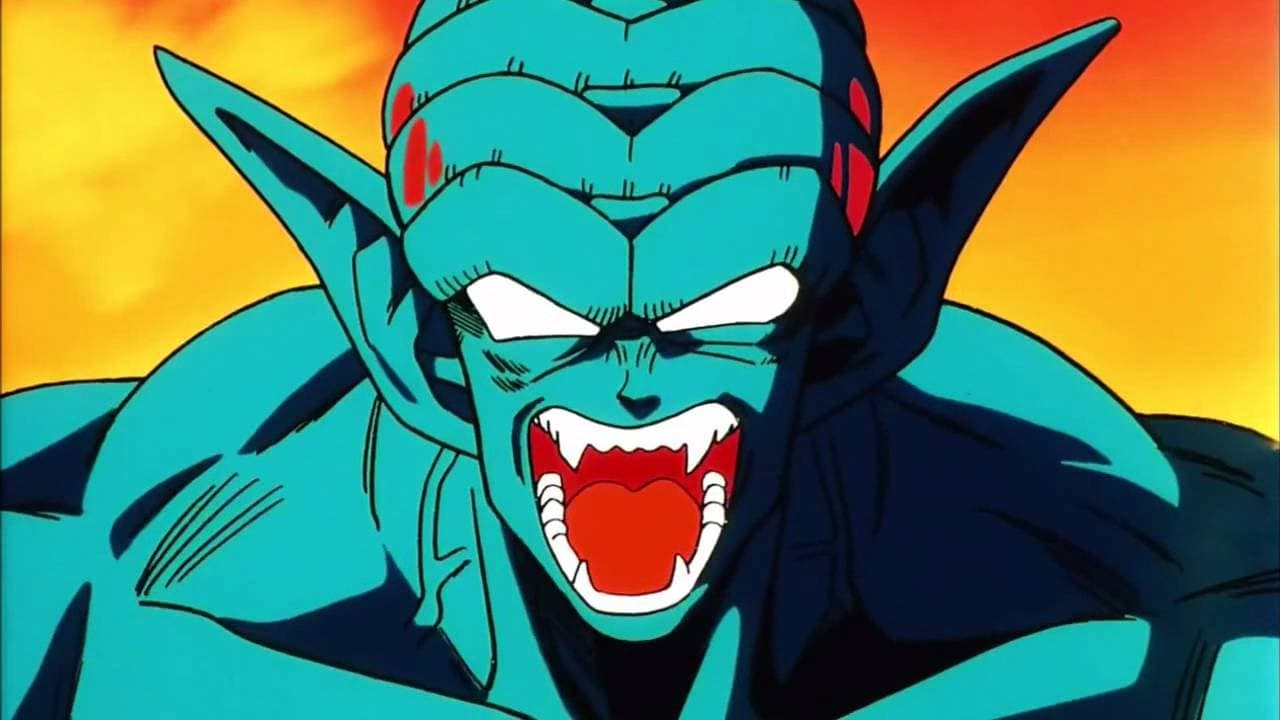
Forget Frieza or Cell for a moment. Dead Zone's antagonist is Garlic Jr., a diminutive green demon with a serious Napoleon complex and a surprisingly legitimate beef (his father was banished by Kami, Earth’s Guardian). He gathers the Dragon Balls not for riches, but for immortality – a wish he actually achieves fairly early on, which immediately ramps up the stakes. Retro Fun Fact: Garlic Jr. holds the unique distinction of being one of the very few DBZ movie villains to later appear in the main anime series, headlining his own filler arc after the Frieza Saga. This actually makes Dead Zone feel more integrated into the lore than many of the other, often non-canon, DBZ films. His trio of henchmen – Ginger, Nicky, and Sansho – are classic Toriyama fodder: visually distinct, menacing enough, but ultimately destined to be warm-ups for the main event.
### Hand-Drawn Fury: The Action Aesthetic
Let's talk about the real reason we slammed these tapes into our VCRs: the fighting. Helmed by Daisuke Nishio, a veteran director who shaped much of the original Dragon Ball and early Z series, Dead Zone bursts with that raw, kinetic energy that defined late 80s/early 90s action anime. This is animation before digital cleanup smoothed every edge. You feel the impact of punches through thick ink lines and dynamic 'impact frames'. The speed lines aren't just visual flair; they genuinely convey blistering velocity.

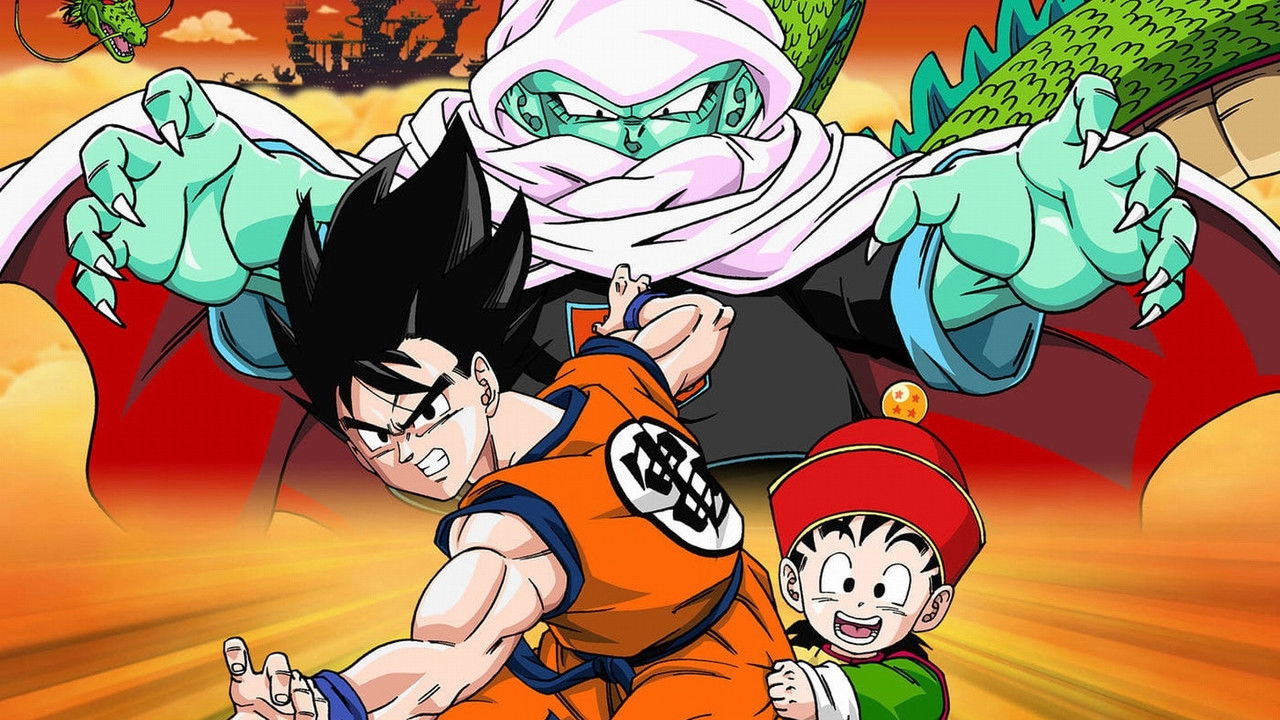
Remember how real those energy blasts felt back then? Ki attacks like Goku's Kamehameha or Piccolo's Special Beam Cannon crackle with hand-drawn power, the screen flashing white with their intensity. The choreography, while perhaps simpler than the hyper-complex battles of later arcs, has a weight and clarity to it. The standout sequence is undoubtedly Goku and Piccolo's reluctant team-up against Garlic Jr. Seeing these bitter rivals forced to cooperate offered a thrilling dynamic that the Z series would later build upon extensively. Retro Fun Fact: The Japanese voice cast here is legendary – Masako Nozawa brings her unparalleled energy to Goku and Gohan, while Toshio Furukawa embodies Piccolo’s stoic menace. Hearing their performances, even if you grew up on the English dubs (which often featured entirely different soundtracks and script interpretations!), adds another layer of appreciation.
### Gohan Unleashed
Beyond the main conflict, Dead Zone crucially showcases the first major eruption of Gohan’s hidden power. Kidnapped by Garlic Jr.'s goons (because, let's face it, kidnapping Gohan became something of a series staple), the terrified child eventually snaps when seeing his father threatened. This explosion of latent energy, foreshadowing his immense potential later in the series, is a pivotal moment delivered with genuine dramatic flair amidst the chaos. It's not just a power-up; it's a character beat that resonates throughout the entire Dragon Ball Z saga.
### Flawed Gem or Essential Viewing?
Okay, let's be real. The plot is straightforward anime movie fare: villain appears, heroes are challenged, big fight ensues. Garlic Jr.'s immortality wish is granted perhaps a bit too easily, and his ultimate defeat relies on creating the titular "Dead Zone" – a void dimension – which feels slightly convenient. But criticizing Dead Zone for plot simplicity misses the point. This movie was about energy, style, and showcasing the next evolution of Dragon Ball. It was a statement of intent.
Produced efficiently, likely on a budget that would make modern studios weep, the film relies entirely on the skill of its animators and the strength of Akira Toriyama's character designs (adapted for animation by Minoru Maeda). The slightly rougher, grittier look compared to later Z movies adds to its vintage charm. Was it a box office titan? In Japan, the DBZ films were reliable performers, often released as part of the "Toei Anime Fair" double features. For Western fans, its impact was less about ticket sales and more about being a treasured, often slightly mysterious, part of their VHS collection.

Rating: 7.5/10
Justification: Dead Zone earns its score through sheer nostalgic power, its unique place bridging Dragon Ball and Z, and delivering genuinely exciting, raw hand-drawn action representative of the era. The iconic voice work (in Japanese), the crucial Gohan moment, and Garlic Jr.'s surprising relevance to the main series elevate it above standard movie filler. It loses a couple of points for plot simplicity and the slightly convenient resolution, but its energy and historical significance within the franchise are undeniable.
Final Thought: Dragon Ball Z: Dead Zone is a potent shot of late-80s anime adrenaline. It's a fascinating time capsule that feels both familiar and strangely distinct, capturing that electrifying moment right before Dragon Ball Z truly exploded, powered by hand-drawn fury and the sheer iconic power of its characters. A must-watch for any retro anime fan, even if just to see where the Z-ra began.