Alright, pop that tape in, maybe give the tracking a little nudge for old times' sake, because we're diving headfirst into a concentrated blast of Saiyan fury that absolutely rocked the VCR back in the day: Dragon Ball Z: Super Android 13! (1992). Forget intricate plotting; this one felt like it mainlined the pure, uncut adrenaline of the series, delivering a relentless 46-minute beatdown that left you breathless, maybe slightly confused about the timeline, but undeniably hyped.
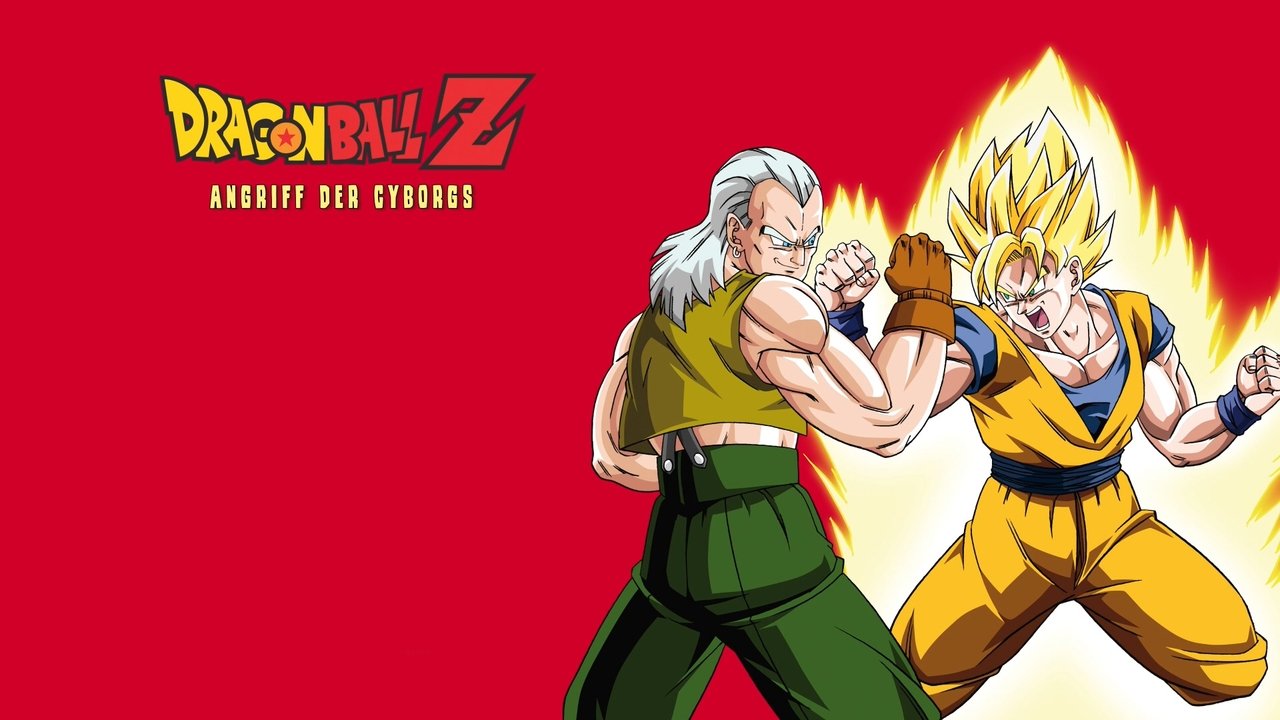
This wasn't just another episode stretched thin; it felt like an event. Seeing Goku, Vegeta, and Future Trunks all powered up to Super Saiyan, standing shoulder-to-shoulder against a new mechanical menace? That was pure gold for fans starved for maximum Saiyan spectacle between the weekly show's story arcs. The premise is classic DBZ movie simplicity: remnants of Dr. Gero's computer activate three previously unknown Androids – 13, 14, and 15 – with one directive: terminate Son Goku. What follows is less a narrative and more a beautifully choreographed excuse for our heroes to get ambushed, first in a bustling city (leading to some glorious collateral damage) and then in a stark, arctic wasteland that provides a perfect, minimalist backdrop for the inevitable energy blasts and earth-shattering punches.
Arctic Onslaught and Saiyan Style
The shift to the glacial battlefield is where Super Android 13! truly shines. Director Daisuke Nishio, a veteran hand guiding much of the original DBZ anime series, knows exactly how to frame this kind of combat. The animation here feels crisp, kinetic, and wonderfully impactful for its time. Forget motion smoothing; you feel the crunch of ice shattering underfoot, the force behind every blow. The character designs, while originating from Akira Toriyama's iconic style, get a unique spin with the new Androids. Androids 14 and 15 are imposing, almost brutish figures, but it’s Android 13 himself, particularly in his initial "trucker hat" guise (as many Western fans affectionately/jokingly dubbed him thanks to the later FUNimation dub's accent choice), who feels distinctly different. It’s a look that screams 'early 90s anime villain chic'.
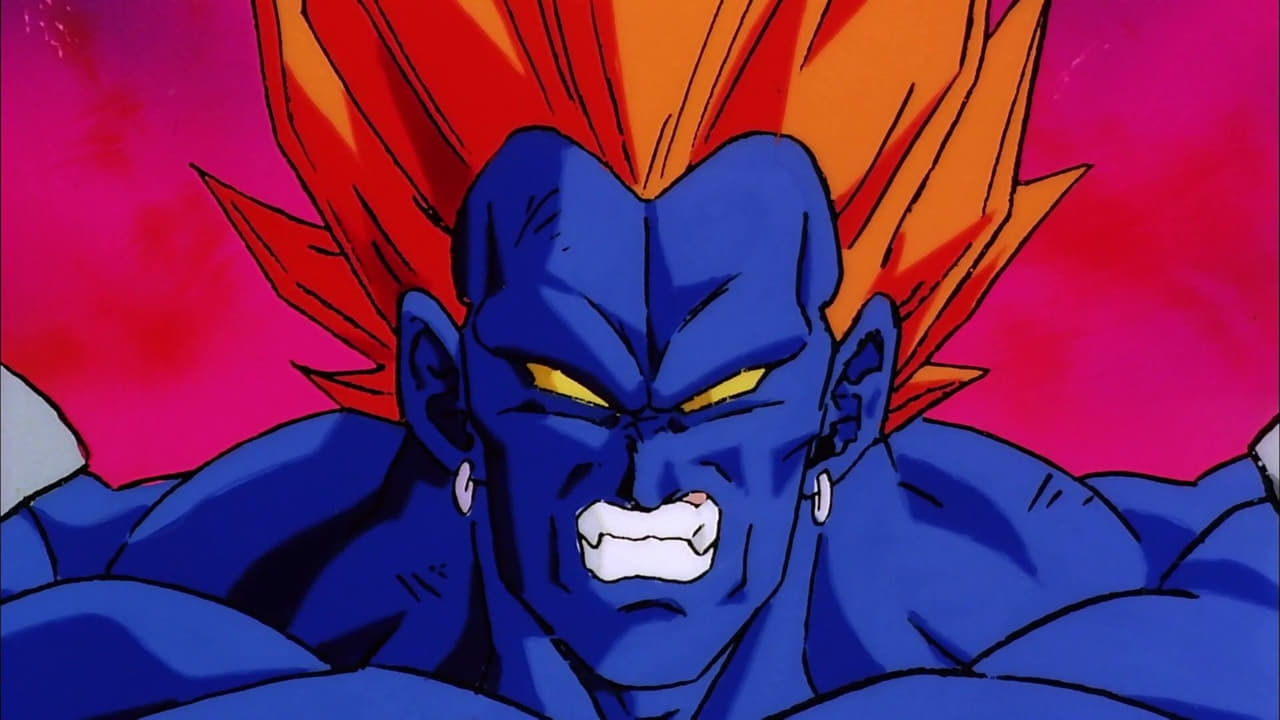
Speaking of that look, here’s a neat tidbit: while Toriyama created the universe, the specific designs for Androids 13, 14, and 15 were actually handled by the Toei Animation staff, primarily the anime's character designer at the time, Minoru Maeda. Toriyama reportedly provided minimal input beyond general approval, allowing the anime team to craft villains tailored for this specific cinematic outing. It gives them a slightly non-canonical flavour that feels right at home in the wild west of the DBZ movie landscape.
The voice work, even if you primarily watched the dubs later, carries that unmistakable energy. Masako Nozawa's legendary performance as Goku is, as always, the heart of the show, shifting seamlessly from cheerful obliviousness to righteous fury. Ryō Horikawa's Vegeta brings his signature prideful snarl, and Toshio Furukawa lends Piccolo his stoic gravitas, even getting some solid moments defending Gohan. The interactions, brief as they are, capture the core dynamics we loved.
That Glorious Timeline Anarchy
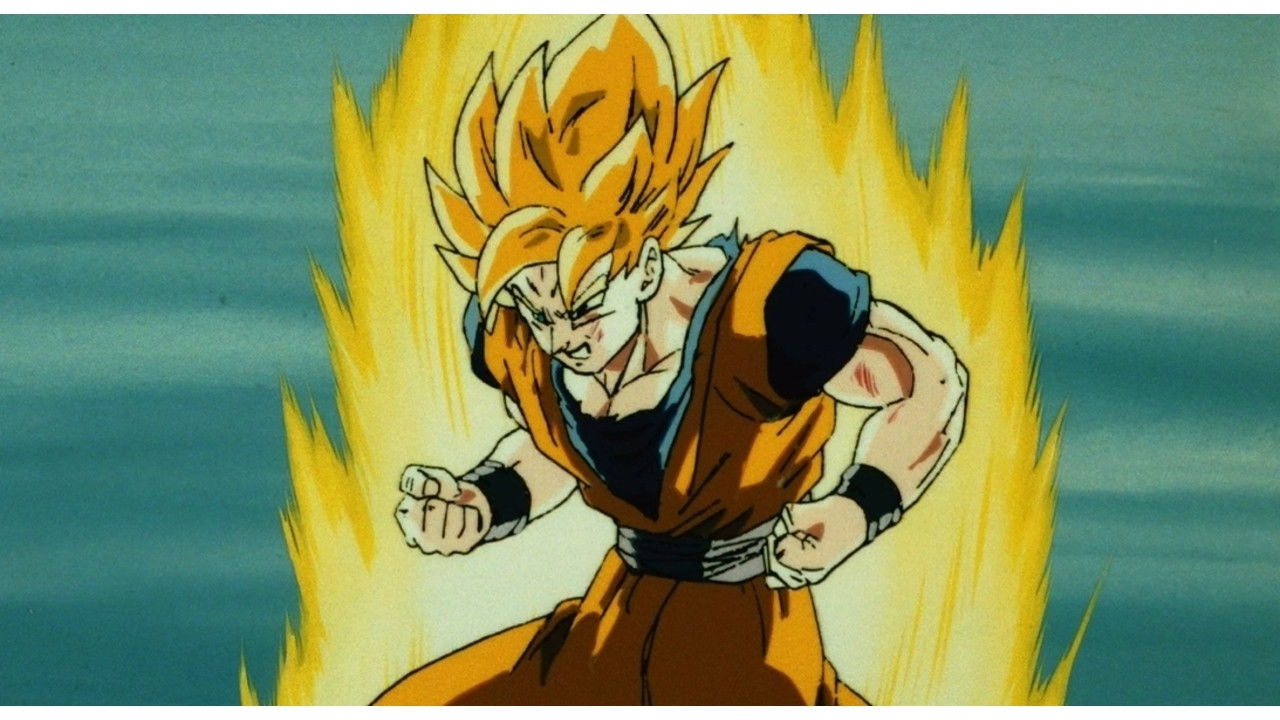
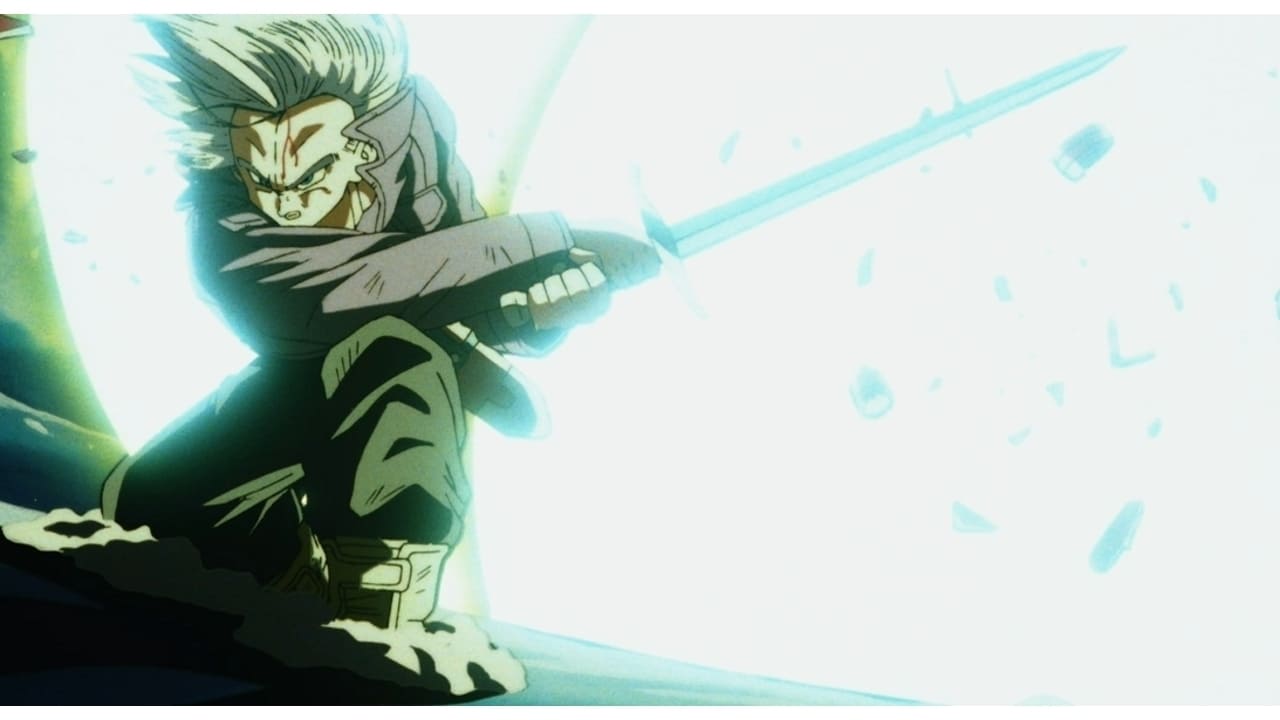
Now, let's address the elephant in the room: where the heck does this movie fit? Like many of the classic DBZ films penned by the prolific Takao Koyama, Super Android 13! plays fast and loose with continuity. We have three Super Saiyans, Trunks is present, Goku is over his heart virus... but the main timeline Androids seem dealt with, and Cell is nowhere near his Perfect form? Honestly, trying to pinpoint its exact place is a fool's errand, and that’s part of the charm. Koyama himself admitted their priority wasn't rigid adherence to the manga's timeline but delivering maximum excitement. It exists in its own pocket dimension of awesome, a 'what if' scenario designed for pure spectacle.
And spectacle it delivers. The individual fights are great, showcasing each Saiyan's (and Piccolo's) abilities. But the real showstopper arrives when Android 13 absorbs the components of his fallen comrades to become Super Android 13 – a hulking blue powerhouse who shrugs off everything our heroes throw at him. This leads to one of the most memorable and unique finishing moves in DBZ movie history: Goku, beaten down but not out, absorbing the energy of a Spirit Bomb while in Super Saiyan form. Was it logical? Did it make sense within the established rules? Absolutely not! Was it ridiculously cool to watch unfold? You bet your Zeni it was. That image of Super Saiyan Goku, aura blazing, surrounded by the Spirit Bomb's swirling energy before delivering the final blow, is burned into the memory of many fans.
It’s worth remembering how these films were often presented in Japan. Super Android 13! premiered in July 1992 as part of the seasonal "Toei Anime Fair," bundled with shorts from other popular franchises like Dragon Quest and Rokudenashi Blues. This context explains the brisk pacing and laser focus on action – they were designed as concentrated bursts of entertainment for festival audiences, not sprawling epics. They needed to grab you fast and deliver the goods, and on that front, Super Android 13! absolutely succeeded.
Pure, Concentrated DBZ Power
The action choreography, the vibrant hand-drawn animation, the sheer audacity of throwing three Super Saiyans against purpose-built killing machines – it all captures a specific, high-octane energy that defined 90s anime action. While modern digital animation offers incredible fluidity and detail, there's a raw, almost tactile intensity to the cell animation here, especially when amplified by Shunsuke Kikuchi's iconic, driving score (or the hard rock riffs of the FUNimation dub, depending on which well-worn tape you had!). The energy blasts felt dangerous, the punches had weight.
VHS Heaven Rating: 7/10
Justification: Super Android 13! earns a solid 7 for being a near-perfect distillation of what made peak-era DBZ movies so much fun. It delivers exhilarating, well-animated action featuring prime Saiyan power, introduces memorable (if simple) villains, and culminates in an iconic, rule-bending finisher. It loses points for the paper-thin plot and its blatant disregard for established continuity, which can be jarring even by DBZ movie standards. However, its primary goal – delivering a concentrated dose of awesome Saiyan combat – is achieved with flying colours.
Final Thought: This movie is like finding that perfect, slightly worn-out arcade cabinet in the corner of the pizza place – the plot doesn't matter, the lore is shaky, but slamming those buttons and watching the explosions is pure, unadulterated 90s joy. A fantastic slice of non-canonical chaos.