Alright fellow tapeheads, dim the lights, maybe pour yourself a White Russian (caucasian, if you prefer), and let's talk about a movie that truly ties the room together. You slide that worn VHS copy of The Big Lebowski (1998) into the VCR, hear that satisfying clunk, maybe fast-forward through a few trailers... and then you’re dropped headfirst into one of the most uniquely brilliant, hilariously meandering tales to ever grace a magnetic tape. It wasn't a smash hit right out of the gate, mind you, but oh boy, did this one find its tribe on home video.
### Dude, Where's My Rug?
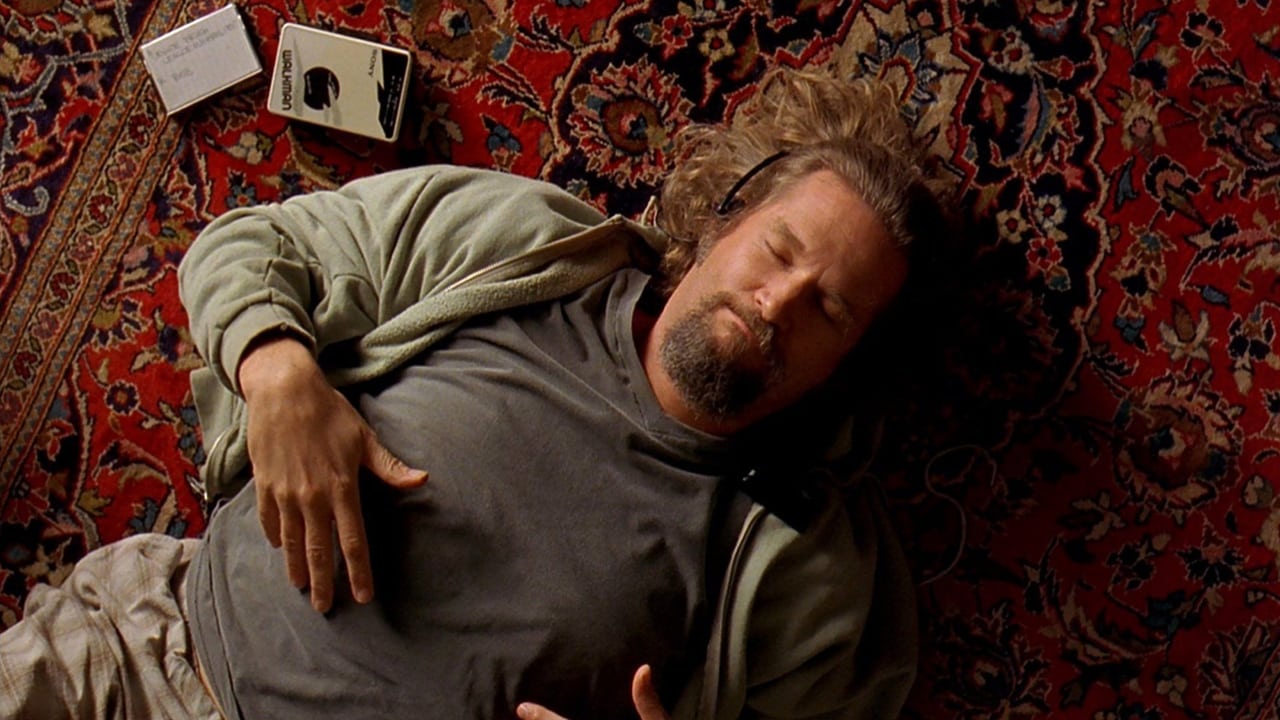
The setup is pure, glorious mistaken identity noir, soaked in sunshine and spilled cocktails. We meet Jeffrey "The Dude" Lebowski, played with transcendent, shambling perfection by Jeff Bridges. He's not a P.I., he's not a hero, he's just... The Dude. A man whose main concerns revolve around bowling, the occasional J, and the integrity of his beloved rug. When some goons mistake him for another Jeffrey Lebowski – a wealthy Pasadena philanthropist – and soil said rug, The Dude is reluctantly pulled into a bizarre kidnapping plot involving nihilists, severed toes, avant-garde artists, and a whole lot of bowling.
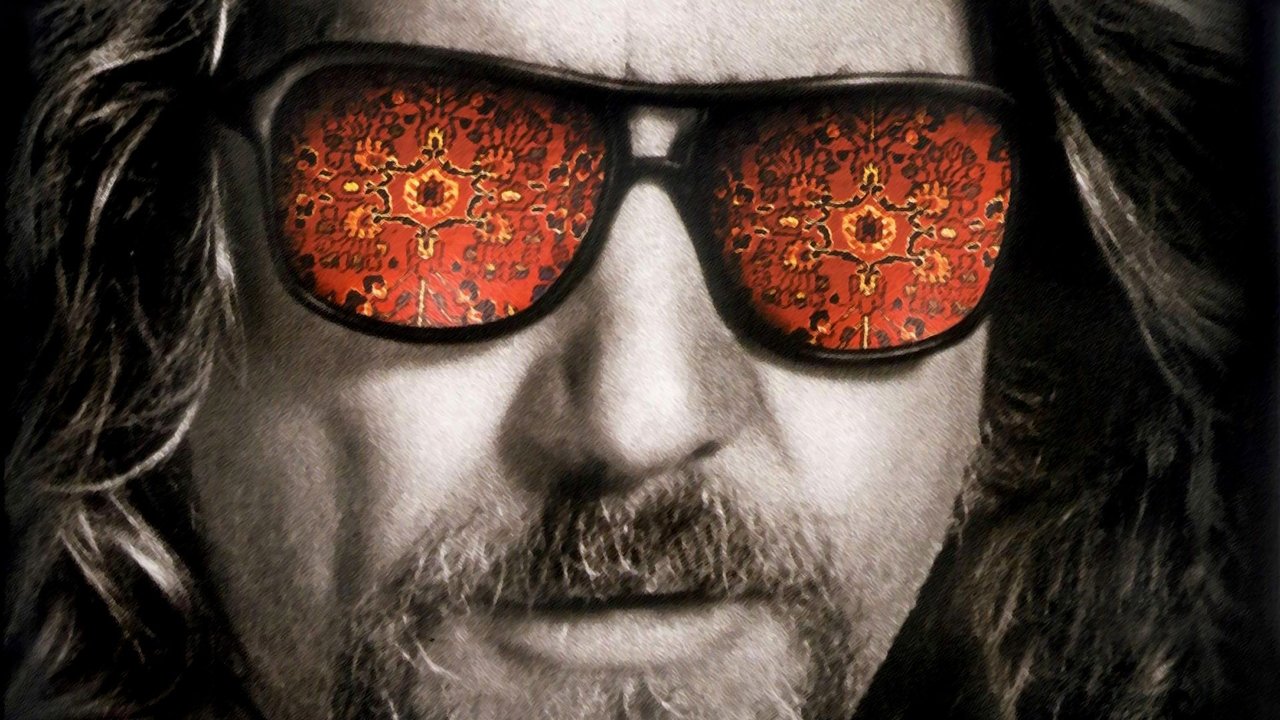
Jeff Bridges is The Dude. It's hard to imagine anyone else embodying this character with such effortless cool and befuddled charm. Apparently, many of The Dude's famously comfortable clothes were actually Bridges' own. It’s one of those performances that feels less like acting and more like someone simply existing on screen, perfectly capturing a certain kind of laid-back, seen-it-all West Coast vibe. It’s a role that cemented his icon status for a whole generation who might have missed his earlier stellar work like Starman (1984) or Tron (1982).
### Over the Line! The Supporting Players
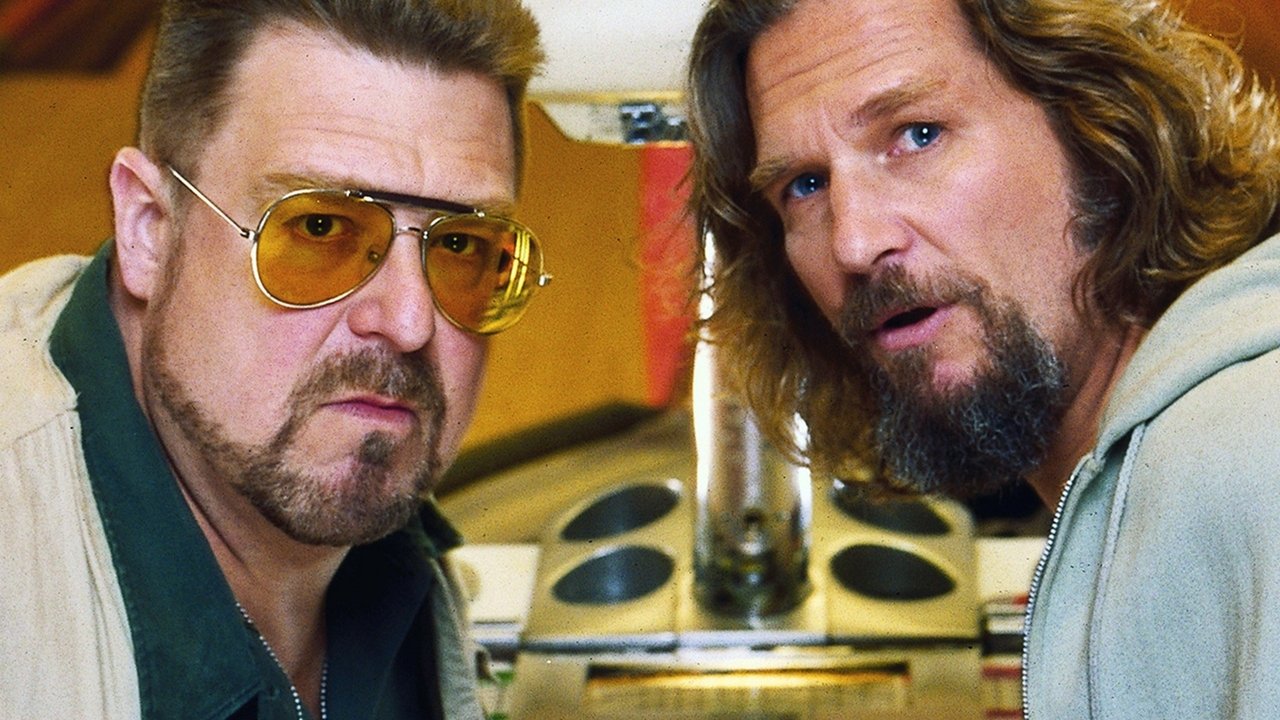
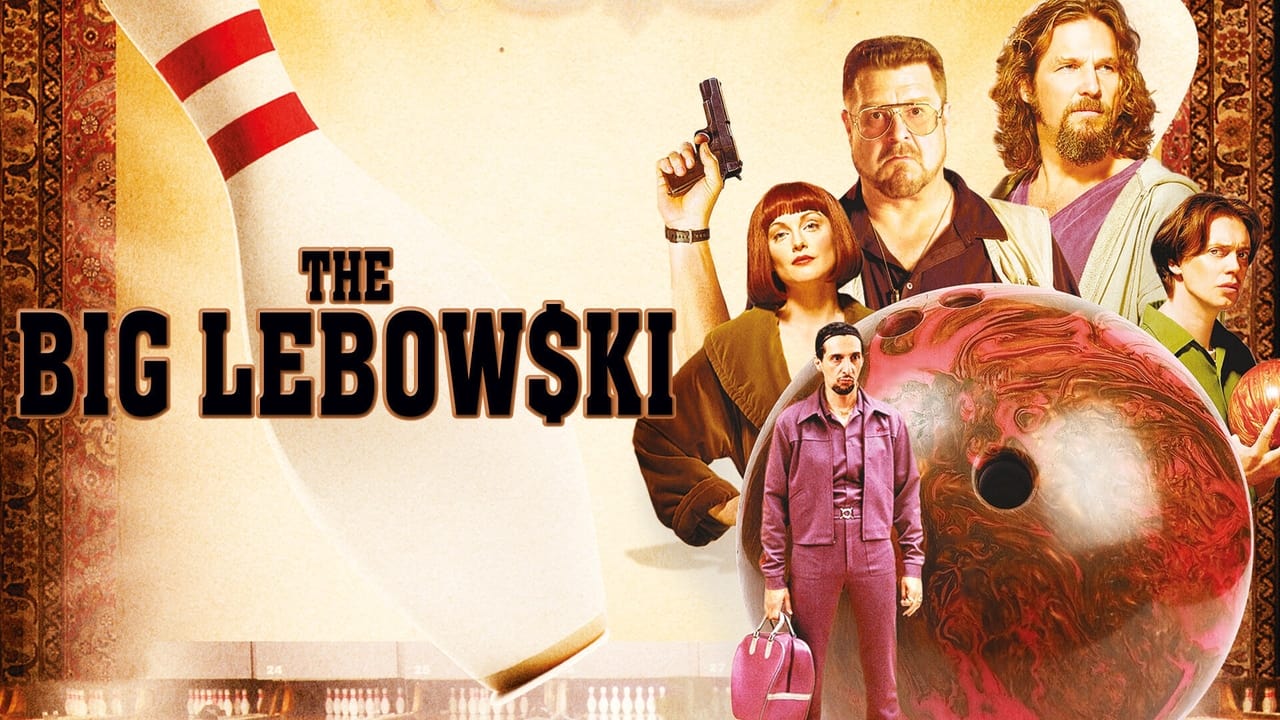
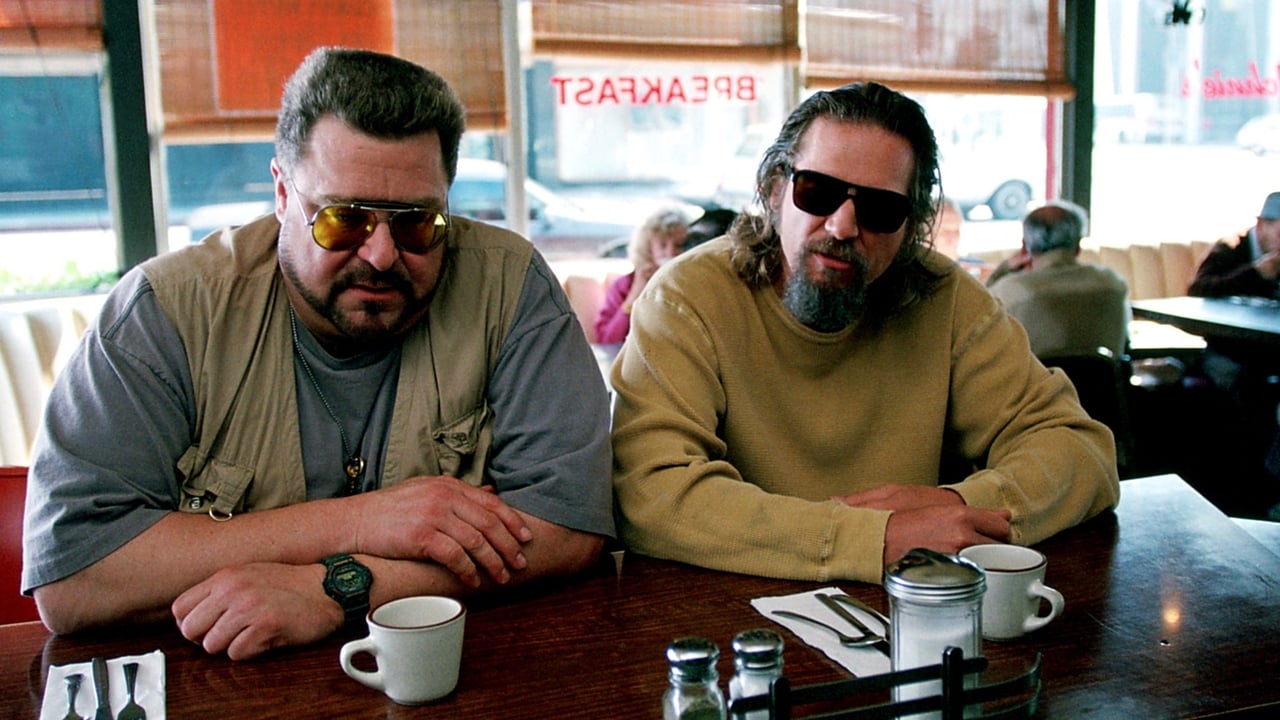
But The Dude doesn't abide alone. The film is populated by arguably one of the greatest ensemble casts ever assembled for a comedy. John Goodman as Walter Sobchak, the volatile Vietnam vet with a penchant for drawing firearms and citing obscure rules ("This is not 'Nam. This is bowling. There are rules."), is a force of nature. Goodman reportedly felt he was "born to play" Walter, and watching him explode with righteous, misplaced fury, you absolutely believe it. His dynamic with the perpetually confused Donny Kerabatsos, played with pitch-perfect meekness by Steve Buscemi (a Coen regular, naturally), is comedy gold. Every time Walter bellows "Shut the f*** up, Donny!", you can practically hear the collective chuckle from living rooms across the land.
Then there's Julianne Moore as Maude Lebowski, the enigmatic artist daughter of the other Lebowski, whose delivery is as precise and coolly detached as her artwork is... expressive. And who could forget John Turturro's unforgettable, swaggering cameo as Jesus Quintana? A character so flamboyant and instantly quotable ("Nobody f***s with the Jesus!") he almost steals the entire movie in his brief screen time. Even Sam Elliott, as the drawling, fourth-wall-adjacent Stranger, adds a layer of mythic, folksy charm, narrating our tale like some kind of cosmic bartender. The Coen Brothers (Joel & Ethan Coen), hot off their Oscar win for Fargo (1996), famously wrote these parts specifically for these actors, and it shows in every perfectly delivered line.
### Coen Style and That Dreamy Vibe
This isn't just a collection of funny characters, though. It's pure Coen Brothers. The dialogue crackles with their trademark off-kilter rhythms and quotable lines ("Yeah, well, you know, that's just, like, your opinion, man."). The plot deliberately wanders, mimicking The Dude's own laissez-faire attitude, twisting familiar noir tropes into pretzels. Remember those dream sequences? Influenced by the lavish musicals of Busby Berkeley, they were reportedly complex and expensive to shoot, adding this surreal, visually stunning layer that felt completely unique back then, especially watching on a slightly fuzzy CRT. The Coens, alongside cinematographer Roger Deakins, created a sun-bleached, slightly hazy vision of late 90s Los Angeles that feels both real and strangely dreamlike.
And the soundtrack! Curated by the legendary T Bone Burnett, it's an eclectic mix tape masterpiece, weaving together Bob Dylan, Creedence Clearwater Revival, Kenny Rogers, and Townes Van Zandt into the film's very fabric. It’s as essential to the vibe as Walter’s bowling bag.
### From Sleeper to Legend
It’s wild to think The Big Lebowski wasn't an immediate phenomenon. It did okay business ($17 million domestic on a $15 million budget – barely breaking even initially) and got pretty mixed reviews upon release in 1998. Critics didn't quite know what to make of its rambling pace and seemingly plotless structure. But something funny happened on the way to the video store bargain bin. People found it. They rented it, bought the VHS (or later, the DVD), quoted it endlessly, and showed it to their friends. The film's inspiration, believe it or not, came from real people the Coens knew, including film producer Jeff "The Dude" Dowd, known for his laid-back attitude and love for White Russians. This grounding in reality, however warped, might be part of its enduring charm. It became a true word-of-mouth cult classic, spawning Lebowski Fests, academic essays, and a permanent place in pop culture lexicon. It's the kind of film that felt like your discovery back in the day, a secret handshake among those who got it.
---
Rating: 9.5/10
The points docked are negligible, perhaps for a plot that some might find too meandering on first watch, but honestly, that’s part of the point. The script is near-perfect, the performances are iconic across the board, and the Coens' direction is masterful in its unique blend of genres and tones. It’s endlessly rewatchable, revealing new layers and laughs each time.
Final Thought: The Big Lebowski is more than a movie; it's a philosophy wrapped in a bowling shirt, a time capsule of 90s cool that somehow feels timeless. It's proof that sometimes, the films that barely make a ripple initially are the ones that create the biggest, most enduring waves, especially once they hit those beloved home video shelves. The Dude abides, and so does this absolute classic.