Okay, fellow tapeheads, let's rewind to the turn of the millennium. While the multiplexes were getting shinier and the effects slicker, a familiar cinematic anarchist lobbed one more glorious Molotov cocktail onto the screen. I'm talking about John Waters' gloriously unhinged Cecil B. Demented (2000). Finding this one felt less like a casual rental and more like discovering contraband – a film that practically buzzed with rebellious energy right there on the shelf, promising something wild, messy, and utterly unforgettable. It might have missed the peak VHS era by a hair, but its spirit? Pure, unadulterated cult movie mayhem that feels right at home in our "VHS Heaven".
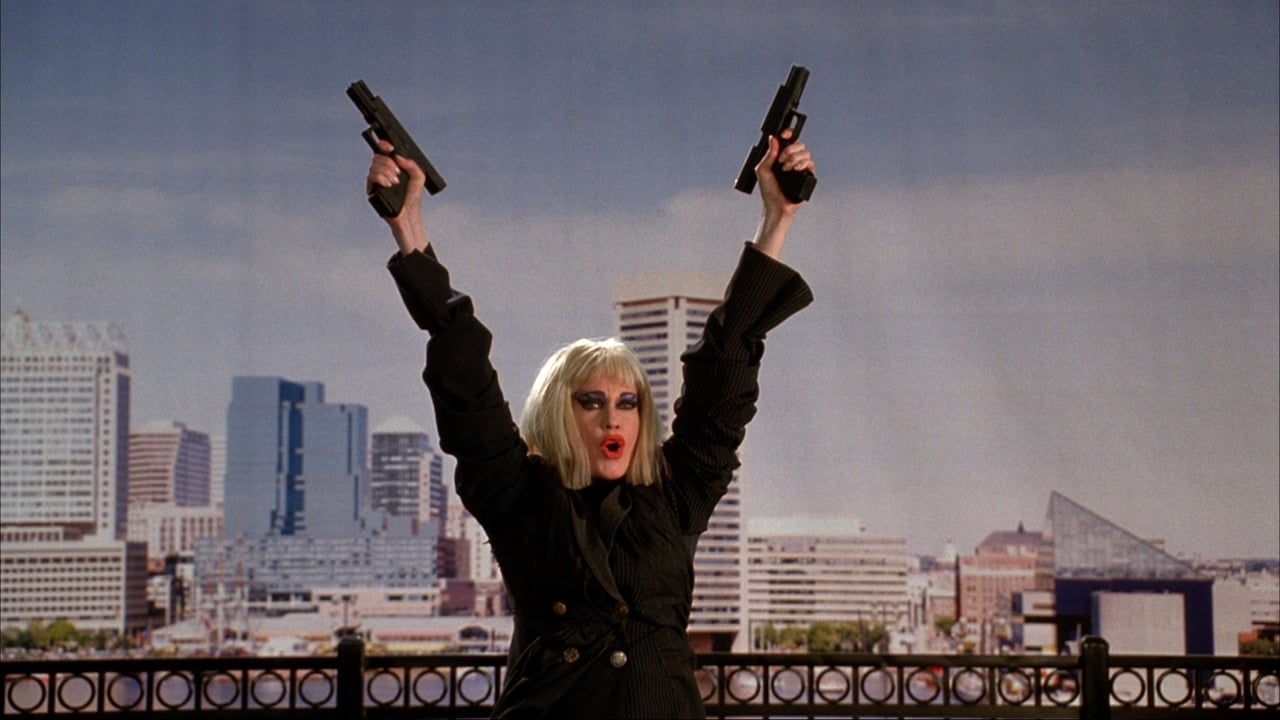
Cinema Terrorists vs. Tinseltown
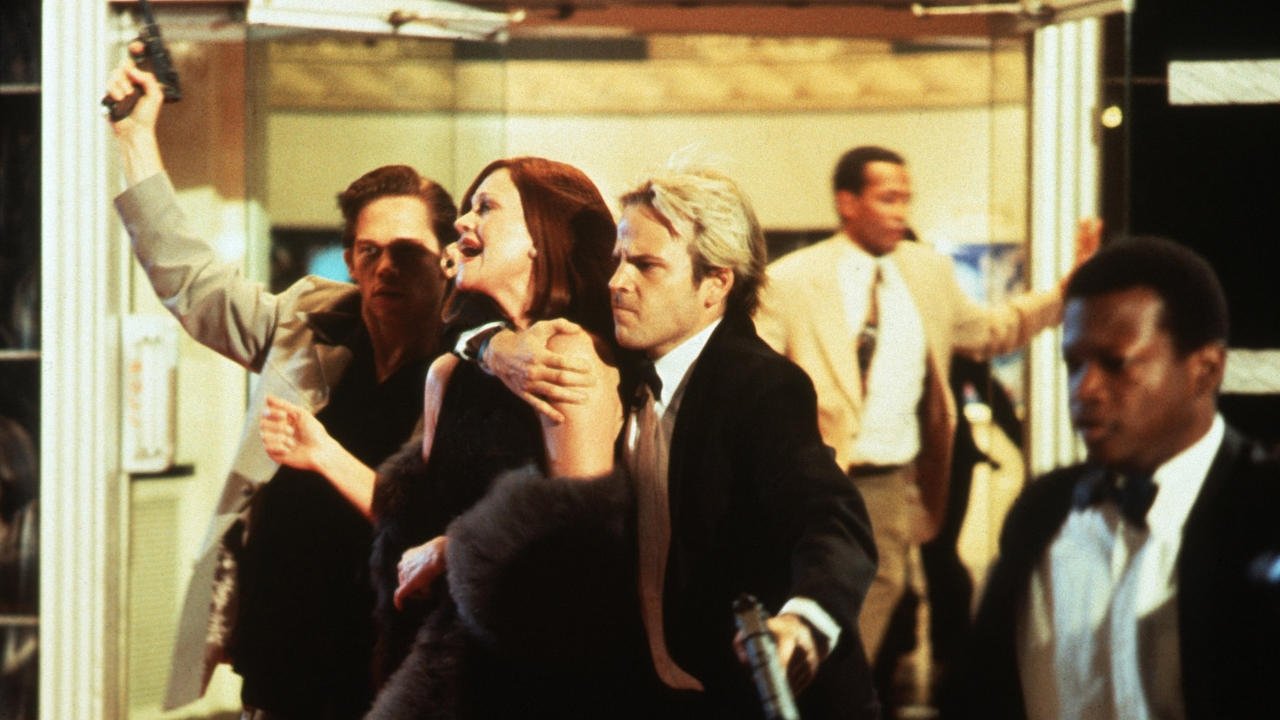
The premise alone is pure Waters genius: a gang of radical guerrilla filmmakers, led by the fiercely committed, borderline-insane Cecil B. Demented (Stephen Dorff), kidnap vapid Hollywood superstar Honey Whitlock (Melanie Griffith) and force her to star in their underground epic, "Raving Beauty". Their mission? To destroy mainstream cinema from within, armed with Bolex cameras, sheer audacity, and absolutely zero permits. Forget carefully choreographed action sequences; the "action" here is cinematic terrorism. They crash film premieres, disrupt family movie shoots (the Forrest Gump sequel scene is legendary Waters), and generally wreak havoc, all in the name of real art. Remember that raw, unpredictable energy some indie films had back then, shot on the fly with palpable urgency? Demented cranks that dial way past eleven.
Dorff Unleashed, Griffith Transformed
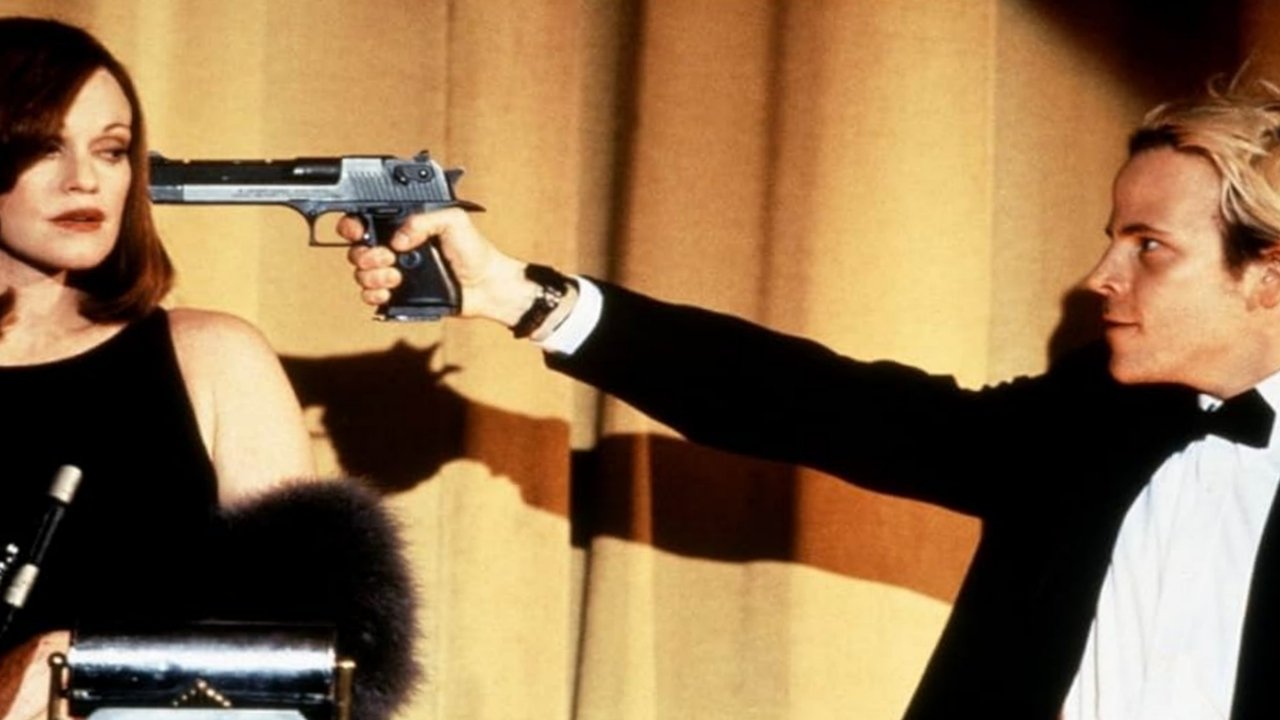
Stephen Dorff, an actor sometimes caught in mainstream currents, absolutely detonates here. He embodies Cecil's righteous fury and artistic mania with terrifying conviction. It's a performance simmering with genuine danger, a far cry from more polished anti-heroes. Apparently, Dorff fully committed, immersing himself in the character's extremist mindset. And then there's Melanie Griffith. Watching her transformation from pampered, Oscar-nominated actress Honey Whitlock into a gun-toting, mantra-chanting convert to Cecil's cause ("Power to the people! Not the studio!") is the film's perverse masterstroke. It's a brave, funny, and surprisingly layered performance. Waters reportedly wrote the part specifically hoping Griffith would have the guts to take it on, playing with her own Hollywood image. She nails the initial terror and the eventual, Stockholm Syndrome-fueled embrace of the chaos.
That Glorious Grindhouse Grit
This isn't a film concerned with smooth CGI or seamless edits. John Waters, the Pope of Trash himself, revels in the messy, the real, the practical. The "special effects" are firebombed cinemas, splattered (fake) blood, and the sheer visceral impact of watching actors commit to the anarchy. Remember those gritty crime films from the 70s and 80s where violence felt startlingly abrupt and unglamorous? Demented taps into that aesthetic. The shootouts feel chaotic and desperate, not slickly produced. The filmmaking-within-the-film sequences are deliberately raw, capturing the intended feel of underground cinema. This was Waters working with a slightly bigger budget than his earliest efforts (around $10 million, peanuts by Hollywood standards but significant for him), yet retaining that essential low-fi charm. Much of it was shot, naturally, on the streets of Waters' beloved Baltimore, adding another layer of authenticity to the mayhem. You can almost smell the exhaust fumes and stale popcorn.
Meet the Sprocket Holes
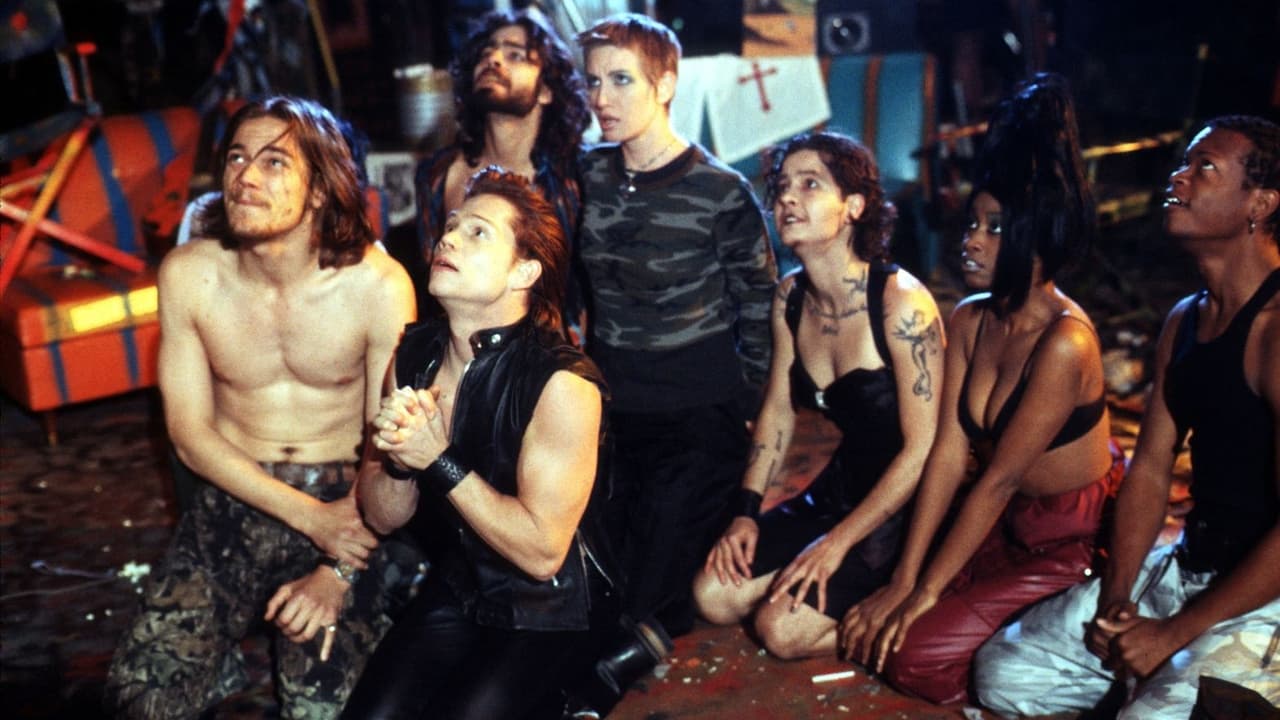
Cecil's crew, the "Sprocket Holes," are a collection of perfectly cast oddballs, each representing a different cinematic fetish or rebellion – folks like Cherish (Alicia Witt), Lewis (Lawrence Gilliard Jr.), and Pam (Maggie Gyllenhaal in an early role). They're not just background players; they embody the film's punk rock ethos. Waters even gives himself a classic cameo as a flustered reporter. The script, also by Waters (who famously got the idea while serving on jury duty!), is packed with quotable lines and sharp jabs at Hollywood phoniness, film snobbery, and censorship battles – themes Waters has explored his entire career. Did it set the box office on fire? Absolutely not. Was it embraced by mainstream critics? Mostly horrified perplexity. But for Waters fans and cult cinema lovers, it was a welcome blast of pure, uncompromised vision.
Power to the People... and the Rewind Button!

Cecil B. Demented isn't subtle, it isn't slick, and it certainly isn't for everyone. It's loud, abrasive, and wears its outrageousness like a badge of honor. It feels like a film beamed directly from an alternate reality where punk rock filmmaking truly took over. The energy is infectious, the satire bites hard, and the central performances from Dorff and Griffith are brilliantly unhinged. It’s a cinematic manifesto disguised as a kidnapping comedy.
Rating: 8/10 - This score reflects the film's sheer audacity, its perfect execution of Waters' unique vision, and its status as a potent cult artifact. It loses a couple of points perhaps for moments where the anarchy feels slightly repetitive, but its core message and insane energy are undeniable.
Final Thought: Cecil B. Demented is a glorious middle finger to Hollywood polish, a reminder of a time when cinematic rebellion felt genuinely dangerous and looked gloriously gritty – perfect for revisiting when you crave something truly untamed on your screen.