Okay, fellow tapeheads, buckle up. Sometimes you’d pluck a tape off the dusty shelves of the video store based purely on a wild cover, a familiar name, or maybe just because everything else decent was already rented out for the weekend. And sometimes, that gamble delivered something so utterly bizarre, so chaotically weird, you weren't sure if you’d stumbled upon a hidden gem or a cinematic train wreck. Friends, let's talk about 1985’s Crimewave, a film that feels less like a movie and more like a fever dream cooked up by some of the most interesting genre filmmakers just as their careers were taking off.

An Unholy Alliance of Talent
Imagine this: Sam Raimi, fresh off the low-budget splatter phenomenon The Evil Dead (1981), teams up with his writing buddies, Joel and Ethan Coen, who had just blown minds with their stark neo-noir debut Blood Simple (1984). What creative explosion would result from such a pairing? You might expect gritty horror, stylish noir, or maybe a darkly funny thriller. What we got was Crimewave (also known sometimes as The XYZ Murders), a hyper-stylized, live-action cartoon slapstick comedy thriller… thing. It’s a head-scratcher, alright, but a fascinating one.
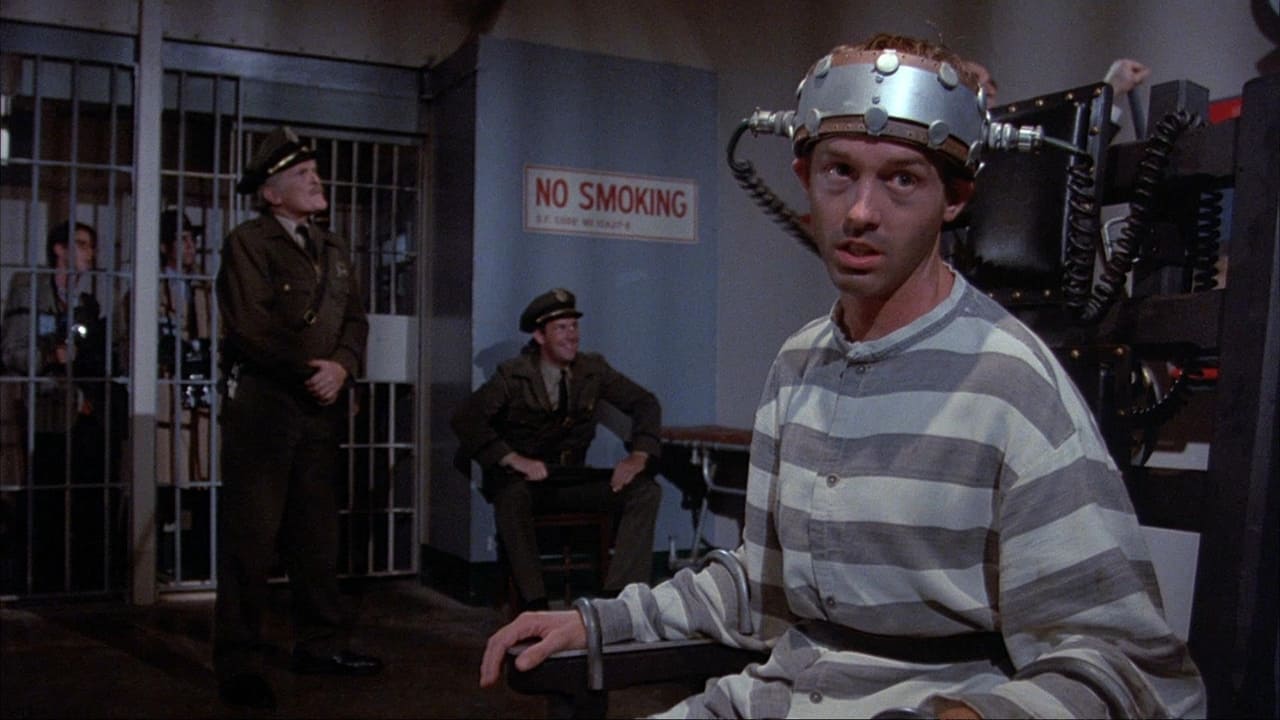
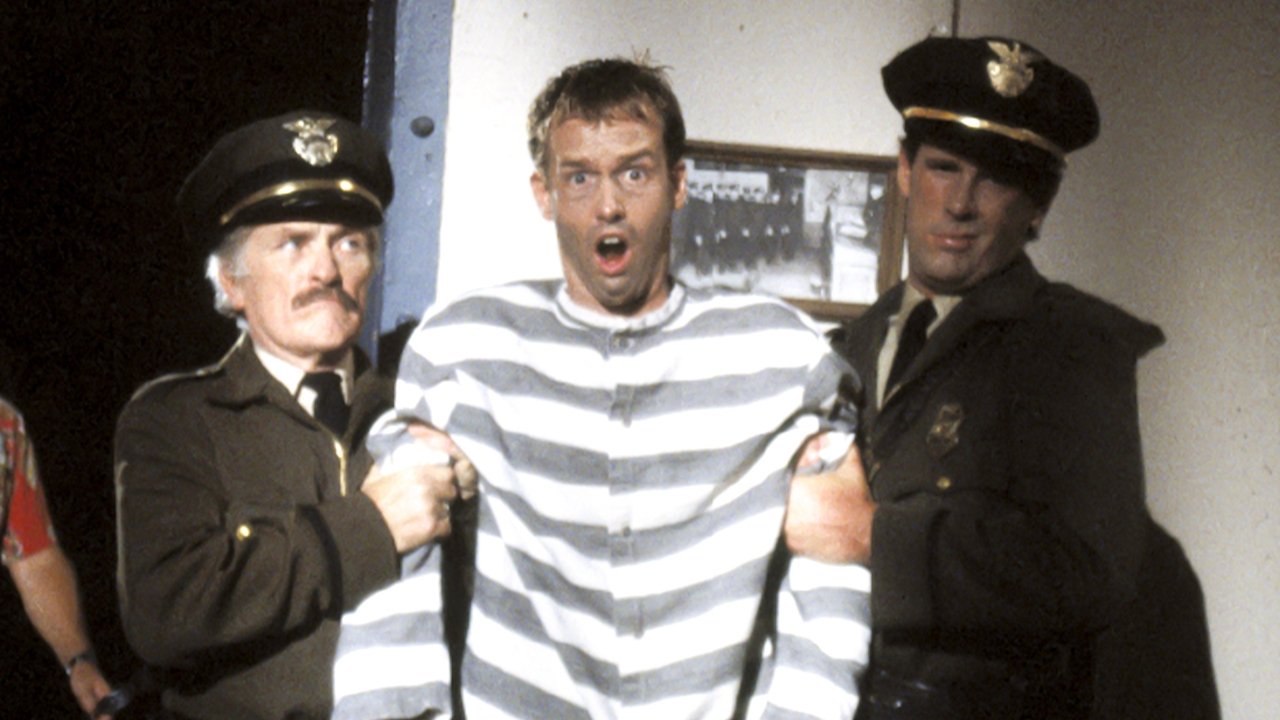
The "plot," if you can call it that, revolves around Victor Ajax (Reed Birney), a hapless security system installer caught in a deadly conspiracy involving his cheating wife, his ruthless business partners, and a pair of cartoonishly brutal exterminators/hitmen, Arthur Coddish (Brion James) and Faron Crush (Paul L. Smith). Framed for a series of murders he didn't commit, Victor finds himself on death row, recounting his insane ordeal, which also involves a bizarre femme fatale, Nancy (Sheree J. Wilson), and the perpetually frazzled apartment dweller, Helene Trend (Louise Lasser).
Raimi Unleashed (Sort Of)
This film practically vibrates with Sam Raimi's signature kinetic energy. The camera swoops, zooms, and crash-cuts with the frantic glee he perfected in his Evil Dead films. Everything is exaggerated to the point of absurdity – sound effects pop like comic book panels, characters react with wild takes, and the violence, while frequent, is more Looney Tunes than gruesome. You can see Raimi experimenting, throwing every visual trick he knows at the screen. One particularly memorable retro fun fact: Raimi and the Coen Brothers were actually roommates while writing the script, hammering out this bonkers story together. You can feel the youthful energy and the desire to just go completely nuts.
However, Crimewave is famously a troubled production. Studio interference from Embassy Pictures reportedly hampered Raimi’s vision, leading to battles over casting (Raimi wanted his pal Bruce Campbell for the lead, but the studio insisted on Birney; Campbell gets a scene-stealing cameo as the sleazy "Renaldo 'The Heel'" instead) and significant post-production meddling where Raimi allegedly lost final cut. This behind-the-scenes chaos definitely feels present in the finished product; the tone careens wildly, and sometimes the frantic pacing feels less intentional and more like sheer panic. It cost around $3 million but barely made a dent at the box office, becoming an instant commercial flop.

That 80s Feeling: Practical Gags and Stylized Mayhem
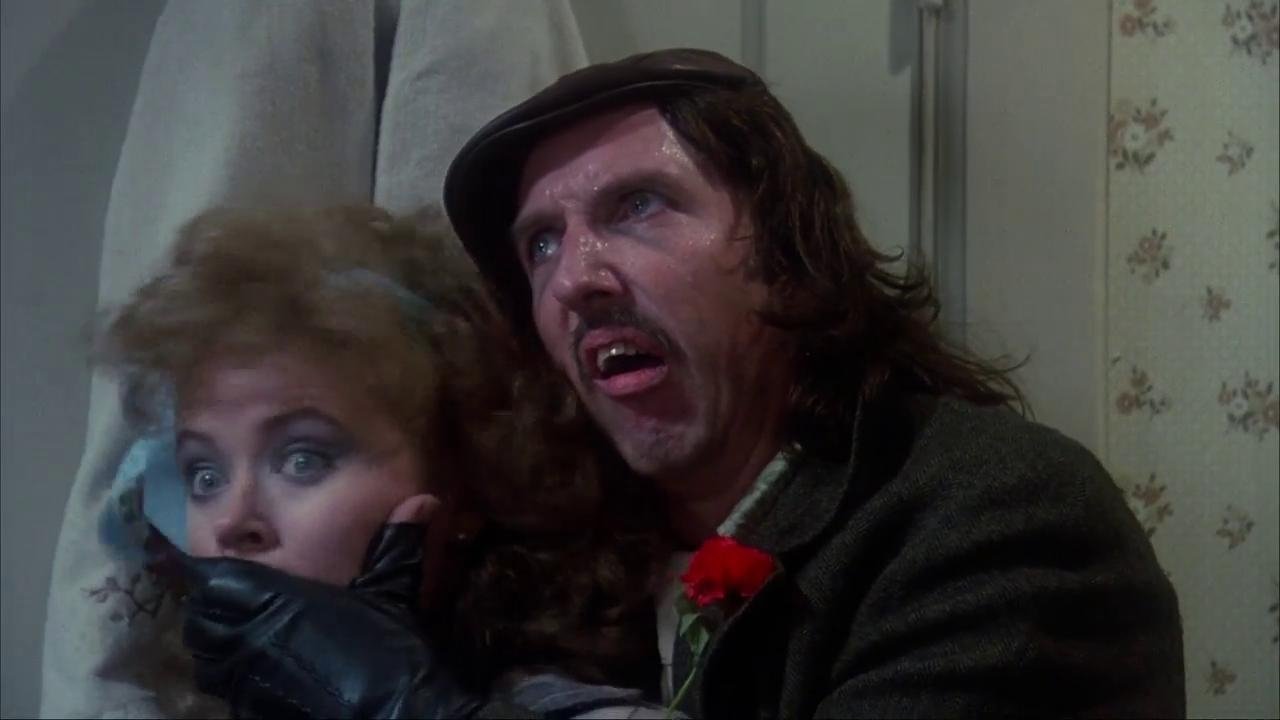
Forget subtle. Forget realistic. Crimewave dives headfirst into stylized mayhem built on practical gags and sheer audacity. The exterminators, played with menacing glee by the always-great Brion James (fresh off Blade Runner three years prior) and the imposing Paul L. Smith (memorable from Midnight Express and as Bluto in Popeye), are like cartoon villains brought to life. Their methods are absurd, their dialogue clipped and bizarre. Their "rat-cam" POV shots were certainly a novel touch for the time!
The action isn't about gritty realism; it's about elaborate, Rube Goldberg-esque sequences of slapstick violence and destruction. Think less Die Hard, more Three Stooges directed by Tex Avery after watching too many film noirs. Remember how physical comedy used to feel genuinely dangerous sometimes? There's an element of that here, even amidst the silliness. The sets have that distinct, slightly artificial 80s look, drenched in neon and shadows, amplifying the unreal atmosphere. It’s a far cry from today’s seamless CGI, possessing a handmade, almost punk-rock quality to its visual madness.
A Cast Adrift in Chaos
The performances are as heightened as the direction. Reed Birney plays the straight man effectively, buffeted by the insanity around him. Louise Lasser leans into her neurotic persona, turning panic into performance art. But it’s Brion James and Paul L. Smith who truly embody the film's bizarre spirit, delivering unforgettable turns as the psychopathic exterminators. Their deadpan delivery of utterly ridiculous lines ("It's a Chrysler. They just recalled 'em.") is pure gold. You can sense the Coens' burgeoning ear for quirky dialogue, even if it’s buried under layers of Raimi's visual mania and studio notes.
Legacy of a Cult Oddity
Crimewave was largely dismissed upon release, seen as a confusing misfire from promising talents. Critics were baffled, audiences stayed away. Yet, like so many fascinating failures found on VHS, it’s gained a cult following over the years. It’s a crucial, if messy, stepping stone in the careers of Raimi (who’d find surer footing with Darkman five years later) and the Coens (whose next film, Raising Arizona, successfully blended quirky comedy and crime).
Watching it today feels like uncovering a weird artifact. It’s disjointed, uneven, and often nonsensical. But it’s also bursting with creative energy, visual invention, and a go-for-broke attitude that’s undeniably infectious. I distinctly remember renting this based on Raimi's name, expecting Evil Dead antics, and being utterly bewildered but strangely entertained. It didn’t fit any neat category on the video store shelf, and maybe that’s its charm.
---
VHS Heaven Rating: 6/10
The Justification: Crimewave is undeniably a mess – a chaotic collision of conflicting tones and studio interference hobbling a potentially brilliant, albeit bizarre, concept. It's uneven, sometimes frustratingly so. However, the sheer audacity, Raimi's manic visual style (even when compromised), the glimpses of Coen-esque dialogue, and the unforgettable performances from James and Smith elevate it beyond mere disaster. It earns points for sheer cult curiosity, historical significance for fans of the filmmakers, and its unapologetic embrace of cartoonish absurdity. It’s not "good" in a conventional sense, but it’s fascinatingly weird and packed with enough raw energy to make it a worthwhile watch for adventurous retro fans.
Final Take: A glorious, hyperactive, baffling slice of 80s oddball cinema – the kind of tape you’d dare your friends to watch late at night, just to see the look on their faces. It’s filmmaking by way of pinball machine, and frankly, they just don’t make ‘em this wonderfully strange anymore.