Some killers don't stay dead. It's a chilling thought, one that gnaws at the edges of reason, the kind of idea that felt particularly potent under the flickering fluorescent lights of the video store horror aisle. And few films from the cusp of the 90s embodied that specific dread quite like Robert Resnikoff's 1990 directorial debut, The First Power. It arrived on shelves promising a collision between gritty police procedural and supernatural terror, a promise it largely, unsettlingly, delivers.
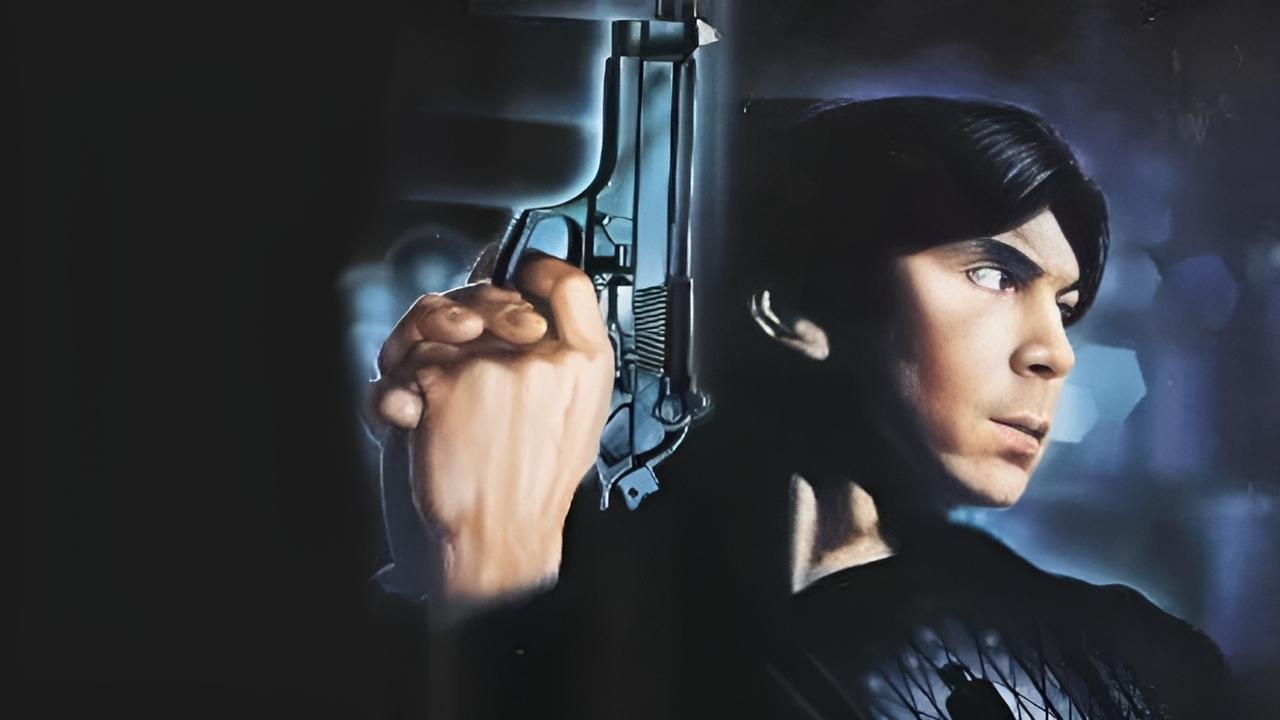
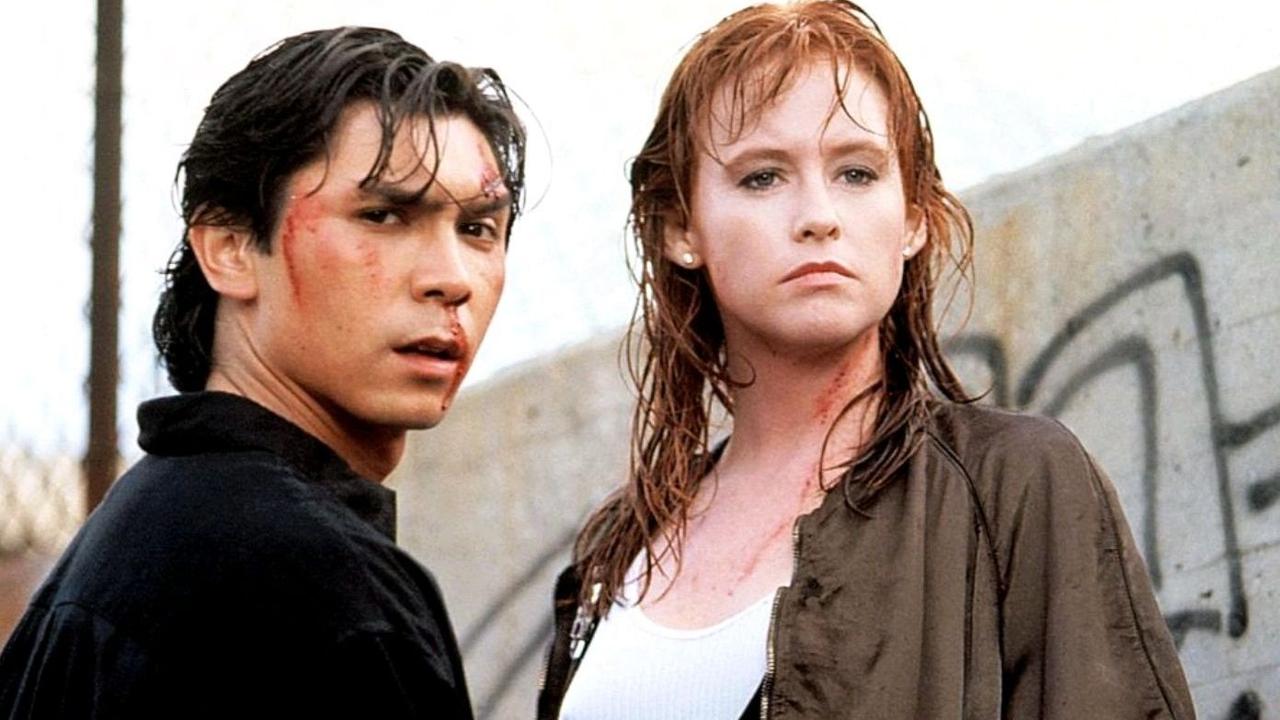
The premise itself feels like something cooked up in a fever dream after a true-crime documentary binge followed by a late-night horror flick: LAPD detective Russell Logan (Lou Diamond Phillips) finally captures the elusive "Pentagram Killer," Patrick Channing (Jeff Kober). Justice seems served when Channing is sent to the gas chamber. But Logan soon learns, aided by the psychic Tess Seaton (Tracy Griffith), that Channing's execution wasn't an ending. Instead, through a dark ritual, Channing has been granted "The First Power" – resurrection, possession, teleportation – essentially becoming a demonic force unbound by mortality. Suddenly, the killer Logan thought he'd stopped is everywhere and nowhere, turning the city itself into his hunting ground. Doesn't that concept alone still send a shiver down the spine?
When Evil Gets an Upgrade
What elevates The First Power beyond a standard genre mashup is its commitment to an increasingly desperate atmosphere. Lou Diamond Phillips, hot off his star-making turns in films like La Bamba (1987) and Young Guns (1988), brings a grounded intensity to Logan. He’s not a superhero; he’s a fundamentally rational cop thrown into an irrational nightmare. You feel his frustration, his mounting fear, as the rules he understands cease to apply. He’s chasing a ghost who can inhabit anyone, turn any corner into an ambush. It's a solid performance that anchors the film's more outlandish elements in a relatable human struggle. Reportedly, Phillips was drawn to the script's unique blend of action and horror, seeing it as a chance to stretch beyond his previous roles.
But let's be honest, the spectral heart of the film belongs to Jeff Kober. His portrayal of Patrick Channing, both before and after his "ascension," is genuinely unnerving. Kober imbues Channing with a predatory stillness and a manic energy that feels truly dangerous. There's a gleeful cruelty in his eyes, a sense that even before gaining supernatural abilities, this was a man utterly devoid of empathy. Post-execution, Kober masterfully shifts Channing into something even more terrifying – an elemental force of malice enjoying his newfound powers with sadistic glee. His physical performance, particularly in the possession sequences, remains memorable. It’s the kind of villain performance that burrows under your skin, far more effective than many digitally-rendered monsters that would follow in later years.
Urban Decay and Supernatural Dread
Director Robert Resnikoff, who also penned the script, uses the Los Angeles setting effectively. This isn't the glamorous Hollywood hills; it's the grimy streets, shadowy alleyways, and claustrophobic interiors where Channing’s terror feels most palpable. The film captures that specific late-80s/early-90s urban decay aesthetic, making the supernatural intrusions feel like a sickness festering within the city itself. The score, often relying on sudden stings and ambient dread, further enhances the oppressive mood.
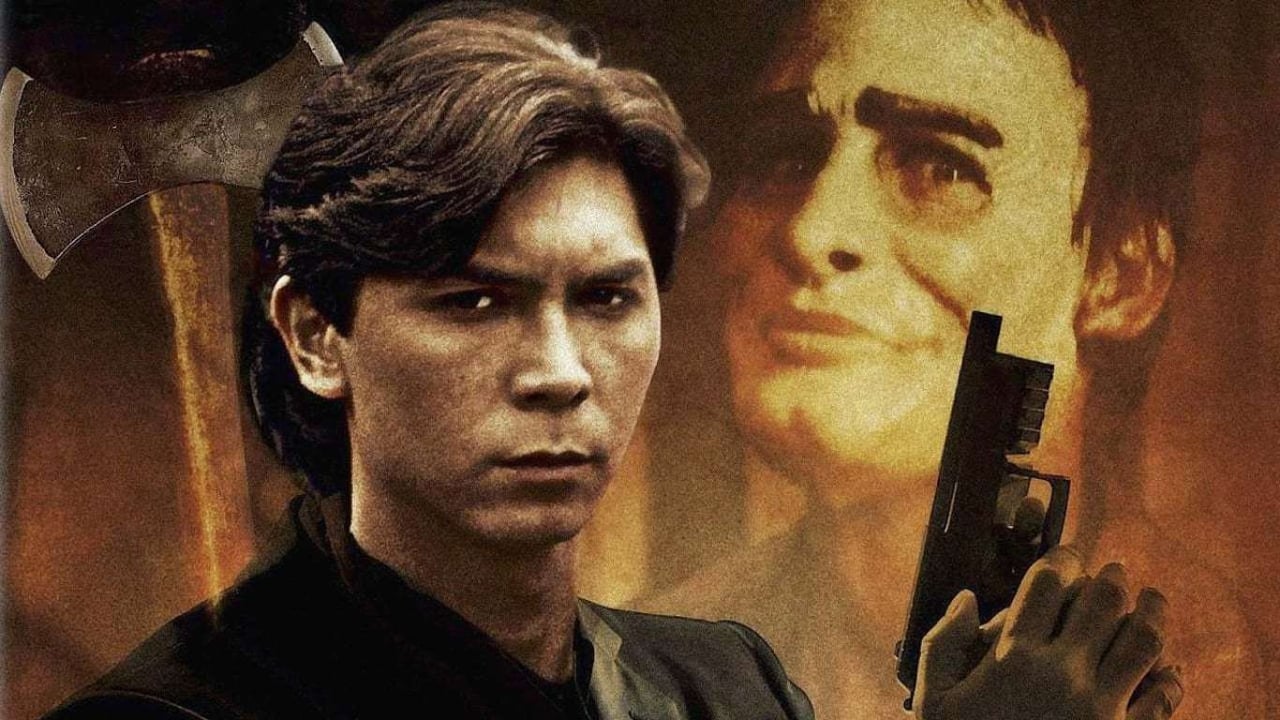
The practical effects, while certainly products of their time, often land with surprising impact. The possession moments, the physical manifestations of Channing's power – they possess a tactile quality that CG often lacks. Remember that scene with the possessed bag lady? It’s startling precisely because it feels grounded before twisting into the impossible. There was even talk on set about the challenges of pulling off some of the more complex stunts and transformation effects within the reported $10 million budget, forcing creative solutions that, arguably, benefit the film's gritty feel. It ended up turning a decent profit, grossing over $21 million, suggesting audiences at the time were hungry for this kind of genre blend.
A Cult Following Forged in Fear
The First Power wasn't a critical darling upon release, receiving mixed reviews, but like so many genre films distributed heavily on VHS, it found its audience. It became a staple of late-night cable and video rentals, the kind of tape passed between friends with a whispered warning: "You gotta see this." Tracy Griffith holds her own as the psychic Tess, providing the necessary exposition about the nature of Channing's power, though her character sometimes feels more like a plot device than a fully fleshed-out individual. The chemistry between her and Phillips works well enough to sell their reluctant partnership against the forces of darkness.
One persistent bit of lore surrounding the film is the intended sequel. The ending certainly leaves the door wide open, suggesting Channing's reign of terror is far from over. While Resnikoff apparently had ideas for continuing the story, a Second Power never materialized, leaving Channing's ultimate fate hauntingly ambiguous. Perhaps it’s for the best; the contained nightmare of the original retains a certain power precisely because it doesn't overstay its welcome or dilute its core concept.
### Final Verdict
The First Power remains a potent slice of turn-of-the-decade supernatural horror. It successfully merges the police thriller with demonic terror, anchored by a truly unsettling villain performance from Jeff Kober and a solid lead turn by Lou Diamond Phillips. While some elements feel dated and the plot mechanics occasionally strain credulity, the atmosphere of dread and the core concept are undeniably effective. It taps into that primal fear of an enemy you can't see, can't predict, and perhaps, can't ever truly stop. The film’s commitment to its dark premise, despite some 90s action tropes creeping in, makes it a memorable entry in the genre.
Rating: 7/10
Justification: The score reflects the film's strong atmosphere, standout villain performance by Kober, and effective genre blending. It captures a specific gritty-meets-supernatural vibe well. Points are deducted for some dated elements, occasionally clunky plotting, and a supporting psychic character who could have been more developed. However, its strengths make it a highly enjoyable and rewatchable piece of 90s cult horror.
For fans of gritty urban horror or anyone who remembers the specific chill of finding a hidden gem on the video store shelf, The First Power still holds a dark, compelling magic. It’s a reminder that sometimes, the most frightening monsters are the ones who look terrifyingly human... until they aren't.