Alright, pop that tape in the VCR, maybe hit tracking a couple of times until the picture clears just enough. Tonight on VHS Heaven, we’re diving headfirst into the neon-drenched, spandex-clad, dystopian playground of 1987’s The Running Man. Forget subtlety; this is pure, uncut 80s Arnold Schwarzenegger action, wrapped in surprisingly sharp satire that hits almost as hard today as his punches did back then.
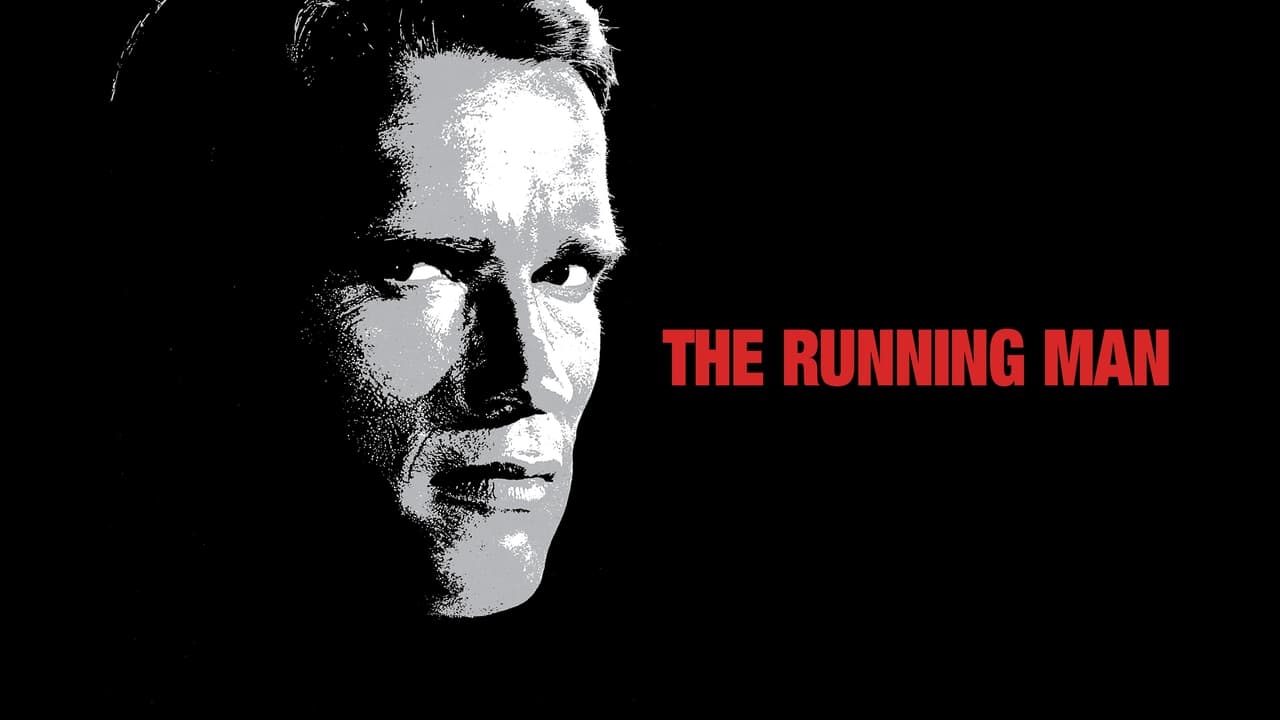
Remember finding this box on the rental shelf? The imposing image of Arnie, the promise of futuristic gladiatorial combat? It felt like the ultimate Saturday night movie, and frankly, it often delivered exactly that adrenaline rush we craved.
### Welcome to 2019! (Er, 1987's Version)
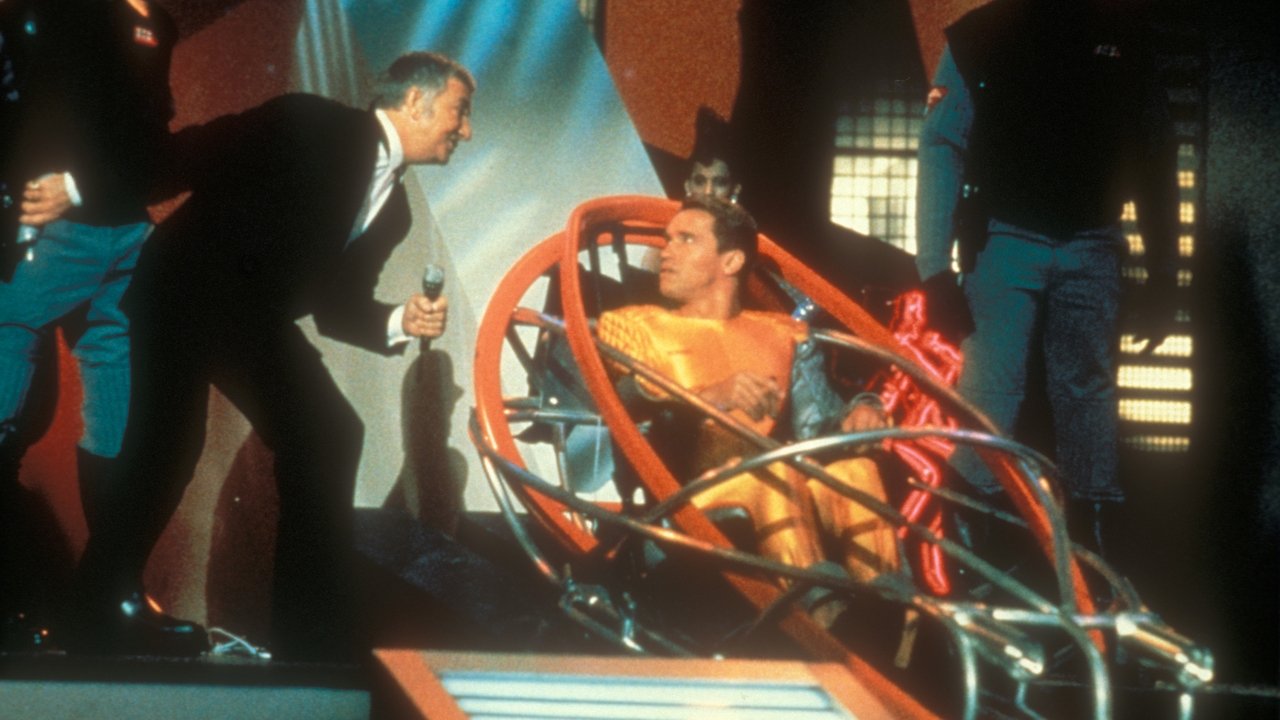
The premise alone is pure gold: It’s the bleak future of 2017-2019 (a future that zipped past us a few years ago!), where the economy's tanked, the government controls everything, and the populace is kept pacified by the ultra-violent reality TV show, The Running Man. Framed for a massacre he tried to prevent, police helicopter pilot Ben Richards (Arnold Schwarzenegger, obviously) finds himself the unwilling star contestant, hunted through derelict urban zones by flamboyant killers known as "Stalkers" for the entertainment of the masses.
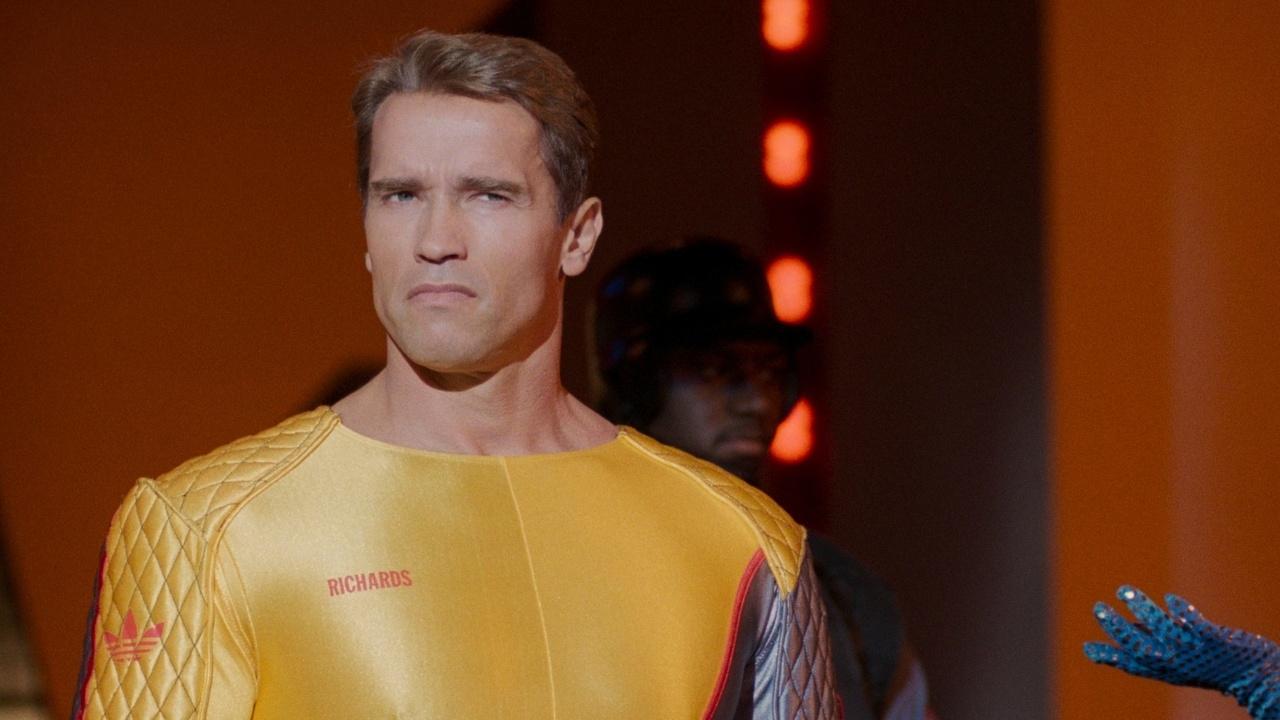
It’s a concept ripped from the pages of a Stephen King novella (penned under his Richard Bachman pseudonym), though the film takes massive liberties with the source material. Forget the book's grim, desperate tone; director Paul Michael Glaser (stepping in after Andrew Davis – who’d later give us The Fugitive (1993) – was fired just weeks into shooting) injects the proceedings with high-octane energy and a darkly comic edge. Glaser, best known then for directing episodes of Miami Vice and starring in Starsky & Hutch, brought a certain stylish, television-honed sensibility that actually works wonders for the film’s game show aesthetic.
### The Greatest Show on Earth (If Earth Was Awful)
What truly elevates The Running Man beyond just another Arnie shoot-'em-up is the genius casting of Richard Dawson as Damon Killian, the smarmy, ruthless host of the titular show. Dawson, beloved host of the real game show Family Feud, is chillingly perfect. He uses his familiar charm and audience-wooing techniques to sell murder as entertainment, kissing babies one minute and ordering executions the next. It’s a brilliant piece of meta-casting that forms the satirical heart of the film, skewering media manipulation and the public's thirst for spectacle decades before "reality TV" truly exploded. Every scene with Dawson crackles; he’s having the time of his life playing the ultimate sinister showman.
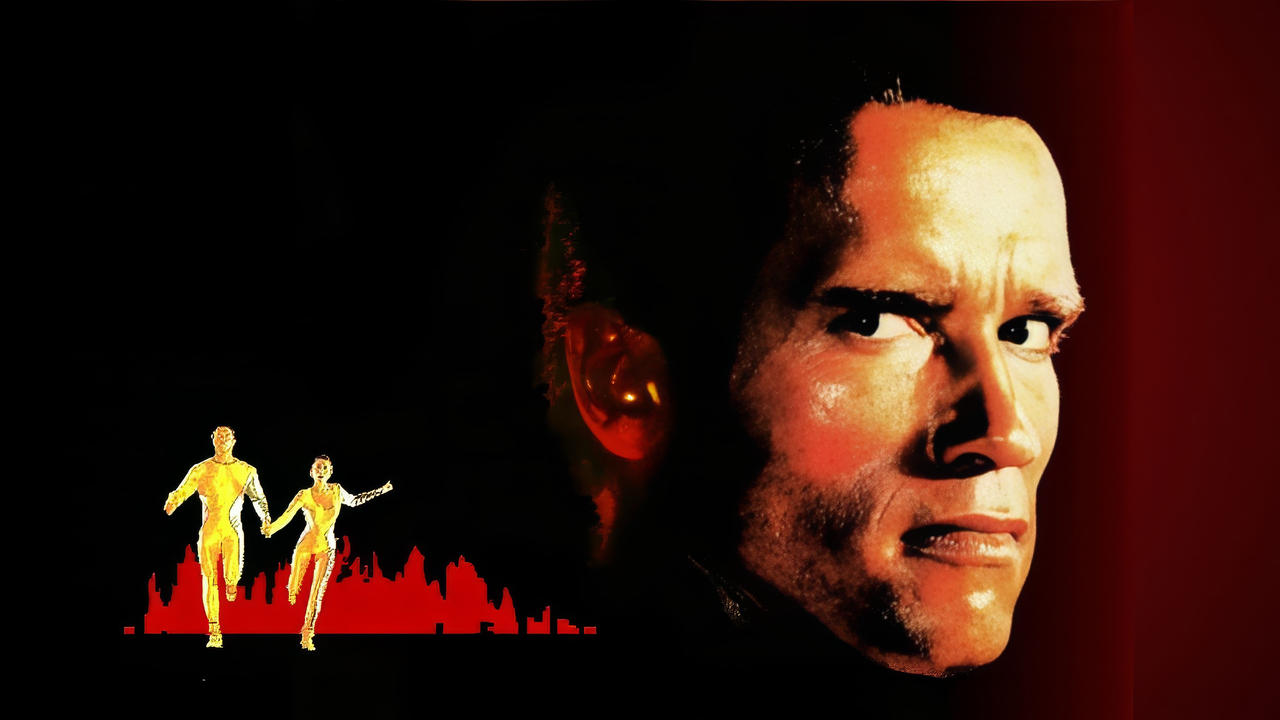
Alongside Arnie, we get María Conchita Alonso as Amber Mendez, the network employee who initially buys the propaganda about Richards but eventually gets swept up in the chase. She holds her own amidst the chaos, providing a necessary dose of conscience. And let's not forget Yaphet Kotto (Alien (1979), Live and Let Die (1973)) as William Laughlin, one of Richards' fellow prisoners forced onto the show, adding some grounded grit to the proceedings.
### Let the Games Begin: Prime Time Carnage
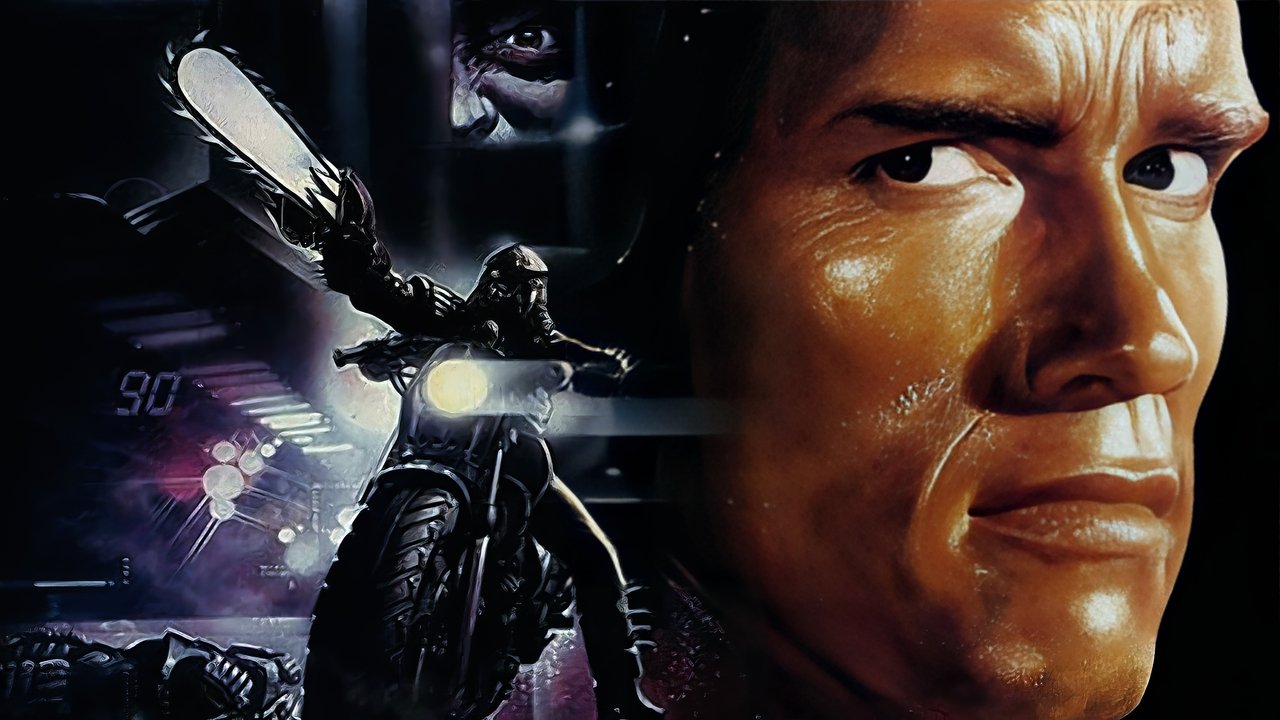
But let's be honest, we rented this for the action, right? The Running Man delivers a parade of memorable, over-the-top Stalkers, each with their own gimmick. Remember Professor Subzero, dispatched with arguably one of Arnold’s most groan-worthy (yet perfectly delivered) puns? Or Buzzsaw, wielding a chainsaw with maniacal glee? Dynamo, the opera-singing electro-buggy driver? And Fireball, the jetpack-wearing flamethrower enthusiast?
This is where that glorious 80s practical effects work shines. Forget weightless CGI – when Fireball unleashes his flamethrower, you feel the heat. Those explosions? They're real explosions, meticulously rigged by stunt coordinators who put performers perilously close to the action. The physicality of the fights, the tangible destruction in the game zone (reportedly filmed in a derelict steel mill in Fontana, California), it all has a weight and impact that often feels missing today. Was it realistic? Heavens no. But did it feel raw and intense watching it on that flickering CRT screen? Absolutely. The sheer audacity of the stunts, like Buzzsaw being literally sawed in half (a gnarly practical effect for its time!), left an impression. The climactic confrontation with Killian, involving a rocket sled, is pure, explosive wish-fulfillment.
Harold Faltermeyer, the synth wizard behind the iconic themes for Beverly Hills Cop (1984) and Top Gun (1986), provides the pulsating electronic score, further cementing the film’s unmistakable 80s identity. It perfectly underscores both the action and the satirical game show elements.
### More Than Just Muscles and Mayhem?
While it was a decent box office success (pulling in around $38 million domestically on a $27 million budget), critical reception was mixed back in '87. Many dismissed it as just another violent action vehicle. Yet, watching it now, the satire feels incredibly sharp, almost prophetic in its depiction of manufactured narratives, audience bloodlust, and the blurring lines between entertainment and reality. It's smarter than its muscles might suggest.
Yes, the fashion is hilariously dated (that spandex!), the technology looks quaint, and some of the one-liners are pure cheese ("I'll be back!" makes its obligatory appearance). But the core ideas, mixed with the satisfying crunch of old-school action filmmaking, give The Running Man a staying power many of its contemporaries lack. It found its true audience on VHS and cable, becoming a beloved fixture for anyone craving that specific blend of brawn and cynical wit.
Rating: 8/10
Justification: While undeniably a product of its time with some glorious 80s cheese, The Running Man scores high for its brilliant central satire, Richard Dawson's phenomenal performance, Schwarzenegger in peak form, and its roster of memorable villains. The practical action sequences deliver the goods with raw energy, and its commentary on media manipulation feels more relevant than ever. It's pure, unadulterated, surprisingly clever VHS-era fun.
Final Take: Forget slick modern effects; The Running Man is a glorious blast of practical pyrotechnics and prescient satire, reminding us that sometimes the most dangerous game is the one played for ratings. Still runs surprisingly well after all these years.