The future isn't always bright. Sometimes, it's just... weird. And in 1992, the future presented in Freejack felt less like a polished utopia and more like a rain-slicked, neon-scarred alleyway where desperation clung to the air like cheap cologne. This wasn't the sleek chrome of Star Trek, but a gritty, lived-in dystopia, powered by a concept both chilling and absurd: snatching people moments before their death in the past to serve as host bodies for the obscenely wealthy elite of 2009. It’s a premise that hooks you with its inherent dread, even if the execution sometimes swerves into glorious early-90s cheese.
Snatching Seconds from Oblivion
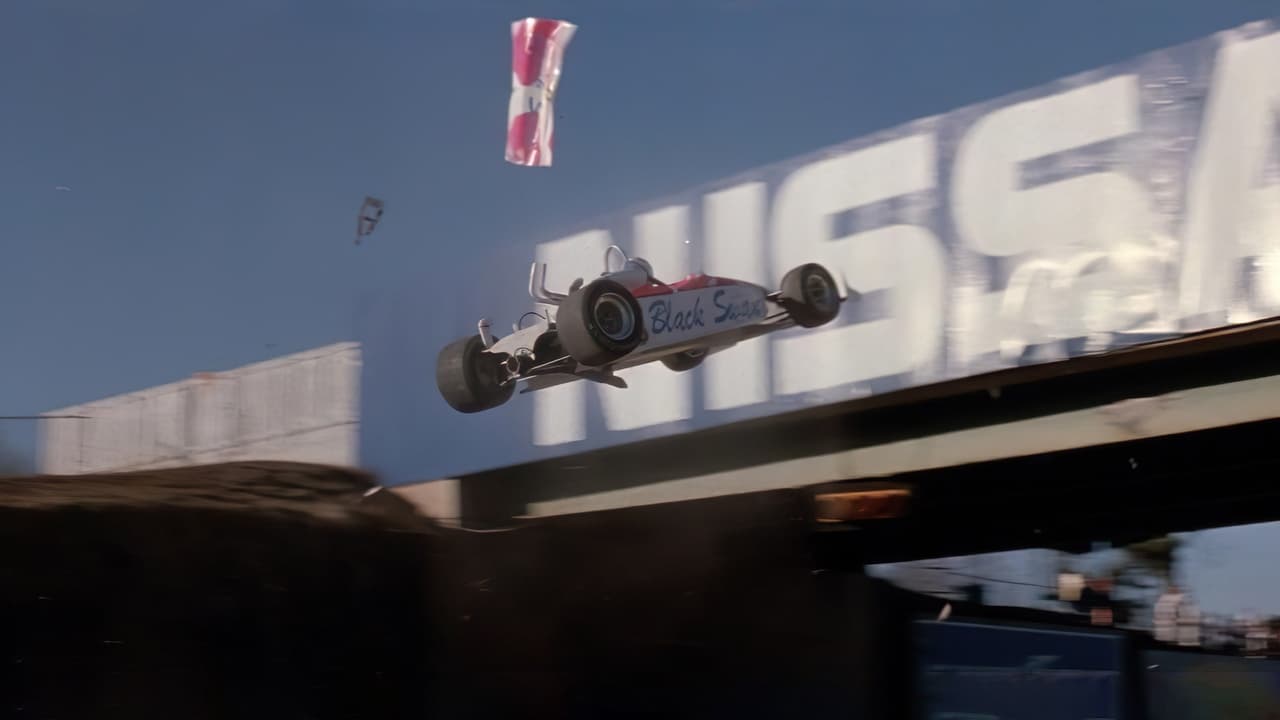
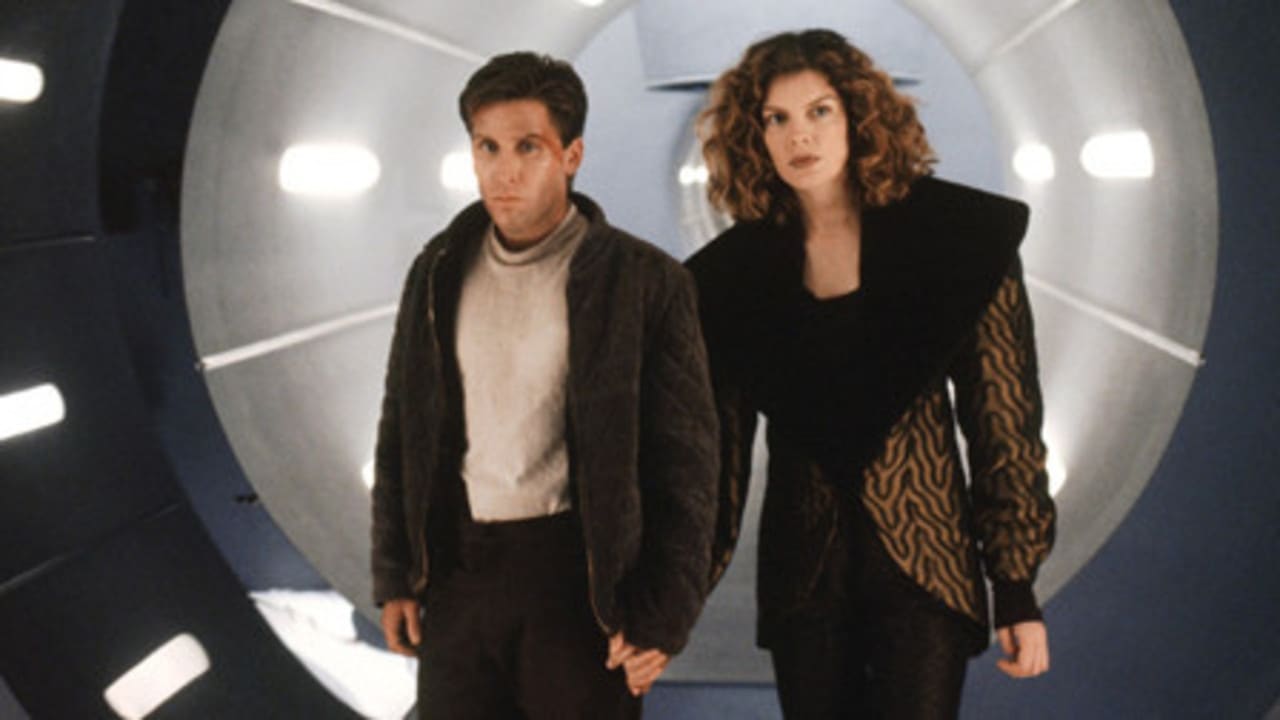
Our unfortunate time-traveler is Alex Furlong (Emilio Estevez), a promising Formula One driver plucked from a fiery 1991 crash seconds before impact. He awakens in 2009, disoriented and marked as a "Freejack" – a body that has escaped its intended billionaire recipient. Suddenly, he's public enemy number one, hunted through the decaying metropolis by ruthless "Bonejackers," bounty hunters tasked with retrieving the valuable flesh. Leading the pack is the chillingly efficient Victor Vacendak, played with icy, almost alien detachment by none other than Mick Jagger. Yes, that Mick Jagger. More on him later. Furlong’s only hope lies in reconnecting with his past love, Julie Redlund (Rene Russo, radiating star power), who now holds a high-level position within the very corporation, McCandless Corp, run by the aging, powerful Ian McCandless (Anthony Hopkins), that wants his body.
A Grimy Glimpse of Tomorrow
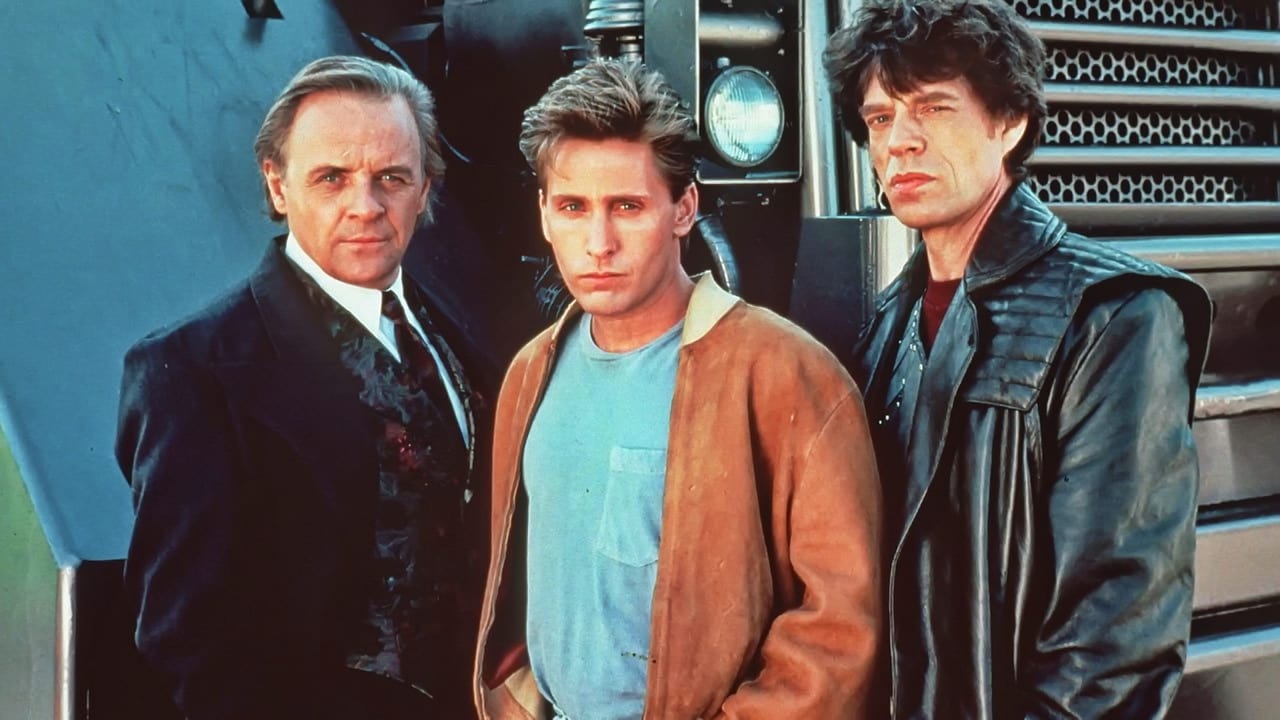
Directed by Geoff Murphy, who brought a certain rugged energy to films like Young Guns II (1990) and Under Siege 2: Dark Territory (1995), Freejack excels at establishing its grim atmosphere. The vision of 2009 is a fascinatingly dated blend of bulky tech, CRT monitors displaying garish graphics, punk-inspired fashion, and vehicles that look like modified versions of late-80s cars. It’s not entirely convincing as a future, perhaps, but it feels tangible in that specific way 90s sci-fi often did – a world built from familiar parts, twisted just enough to feel unsettling. The practical effects, especially the explosive demise of Furlong's race car and some of the futuristic weaponry, have that solid, weighty feel that CGI often lacks. Remember the heft of those laser guns? They felt like they could actually do some damage.
The film's concept itself is drawn from Robert Sheckley's 1959 novel Immortality, Inc., though heavily adapted by a writing team including Ronald Shusett (co-writer of Alien – quite the pedigree!) and Dan Gilroy (who would later give us the brilliant Nightcrawler). While the source material explored deeper philosophical themes, Freejack streamlines it into a relentless chase movie. It barrels along at a decent clip, punctuated by shootouts, car chases (including a memorable one involving Vacendak's heavily armored vehicle), and Furlong's desperate attempts to understand the horrifying reality he's been thrust into.
Jagger Takes the Wheel
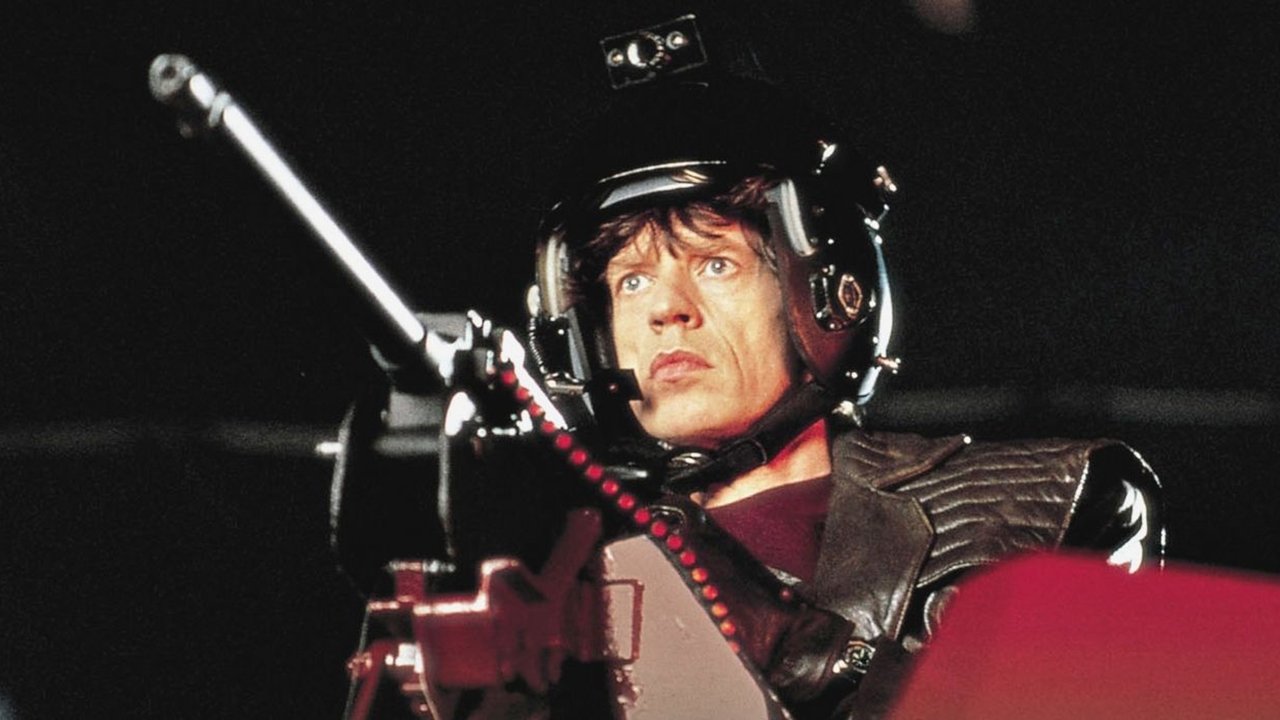
Let's talk about the elephant in the room, or rather, the rock god in the armored personnel carrier. Mick Jagger as Vacendak is... something else. It’s undeniably stunt casting, a move likely intended to generate buzz for the film, which carried a hefty $30 million budget (around $65 million today). And buzz it did generate, though not always positive. Yet, watching it now, Jagger’s performance possesses a strange magnetism. He’s stiff, almost robotic, delivering lines with a clipped, vaguely European accent that feels intentionally off-putting. It’s not traditionally "good" acting, perhaps, but it works for this specific character – a mercenary detached from emotion, focused solely on the hunt. His Vacendak is less a charismatic villain and more an implacable force, which adds to Furlong’s sense of peril. Fun fact: Jagger reportedly did many of his own driving stunts in Vacendak's imposing vehicle.
Opposite him, Emilio Estevez delivers a solid action hero turn. He was at the peak of his Brat Pack-adjacent fame, and he sells Furlong's confusion, desperation, and eventual resourcefulness convincingly. Rene Russo provides the film's emotional anchor, navigating a complex position between her past love and her present loyalties. And then there's Anthony Hopkins, fresh off his chilling, Oscar-winning turn as Hannibal Lecter in The Silence of the Lambs (1991). Here, he brings gravitas to the role of McCandless, the architect of this grim future, imbuing him with a quiet menace that makes the corporate evil feel genuinely threatening, even in his limited screen time.
A Flawed But Fondly Remembered Ride
Freejack wasn't exactly a critical darling or a box office smash upon release. It has its share of plot holes, some questionable dialogue, and that specific brand of early 90s action logic that doesn't always hold up to scrutiny. The whole "spiritual transfer" element feels vaguely defined, more a plot device than a fully explored concept. Did anyone else find the mechanics of how the consciousness transfer was supposed to work a little fuzzy?
Yet, there's an undeniable charm to it, especially viewed through the lens of VHS nostalgia. It represents a certain kind of ambitious, high-concept studio filmmaking that felt prevalent in that era – throwing big stars, a sci-fi hook, and plenty of explosions into a blender and hoping for the best. I distinctly remember renting this tape, drawn in by the cool cover art and the promise of futuristic action. It delivered on that promise, even if it wasn't destined to become an all-time classic. It’s the kind of movie that might have played endlessly on late-night cable, its weird energy seeping into your dreams.
The Verdict
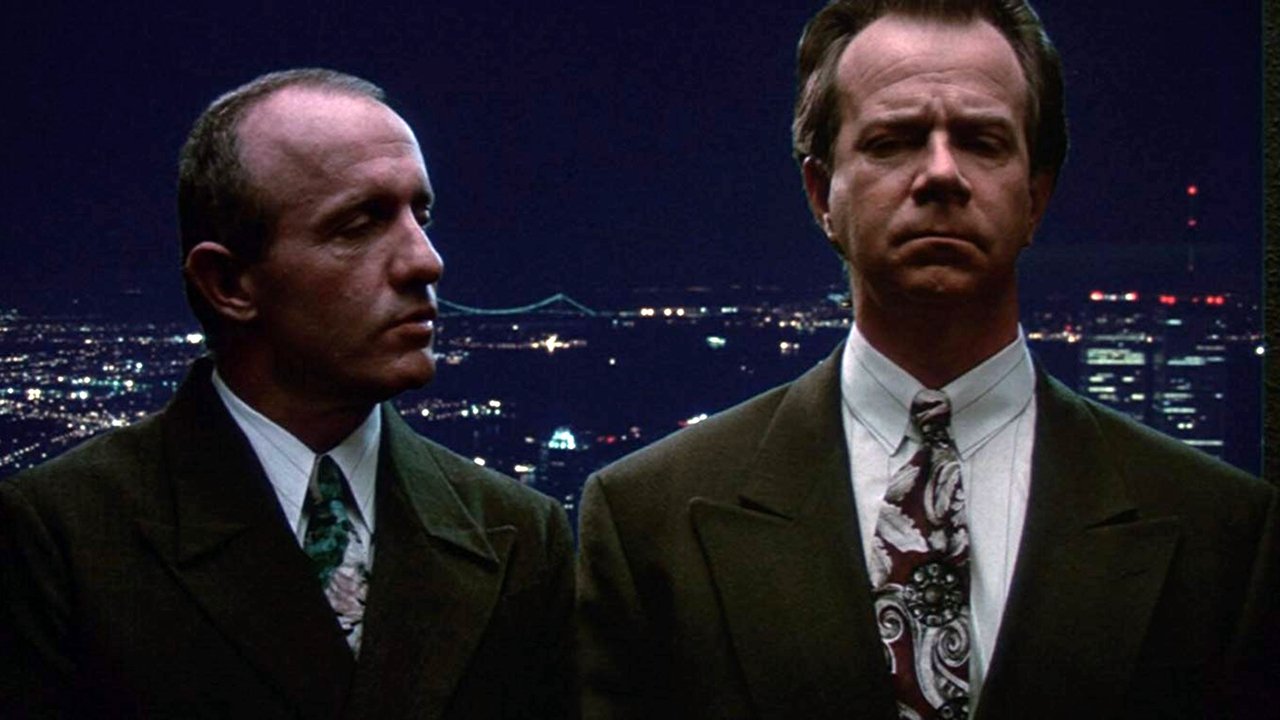
Freejack is a fascinating time capsule – a slick, fast-paced, and conceptually intriguing sci-fi action thriller that captures the specific aesthetic and energy of early 90s filmmaking. While hampered by a sometimes-clunky script and the undeniably bizarre (yet strangely compelling) casting of Mick Jagger, it delivers enough atmospheric dread, solid action sequences (Emilio Estevez holds his own), and memorable dystopian flavour to warrant a revisit. It’s not perfect, far from it, but its ambition and unique blend of elements make it a standout oddity from the VHS era. The core idea of body-snatching across time retains a genuine chill.
Rating: 6/10
It may not have achieved immortality at the box office, but Freejack remains a curiously watchable piece of 90s sci-fi pulp, a testament to a time when even a slightly flawed future felt thrillingly dangerous on a flickering CRT screen.