Okay, pull up a chair, maybe pour yourself something strong. We need to talk about a film that landed like a grenade in the middle of the pristine lawns of late-80s cinema, a movie so audacious, so utterly defiant, that it practically immolated its director's Hollywood career on arrival. I’m talking about Alex Cox’s 1987 fever dream, Walker. Seeing this one back in the day, probably on a slightly fuzzy rental tape, wasn't like watching other historical epics. It was jarring, confusing, angry – and utterly unforgettable.
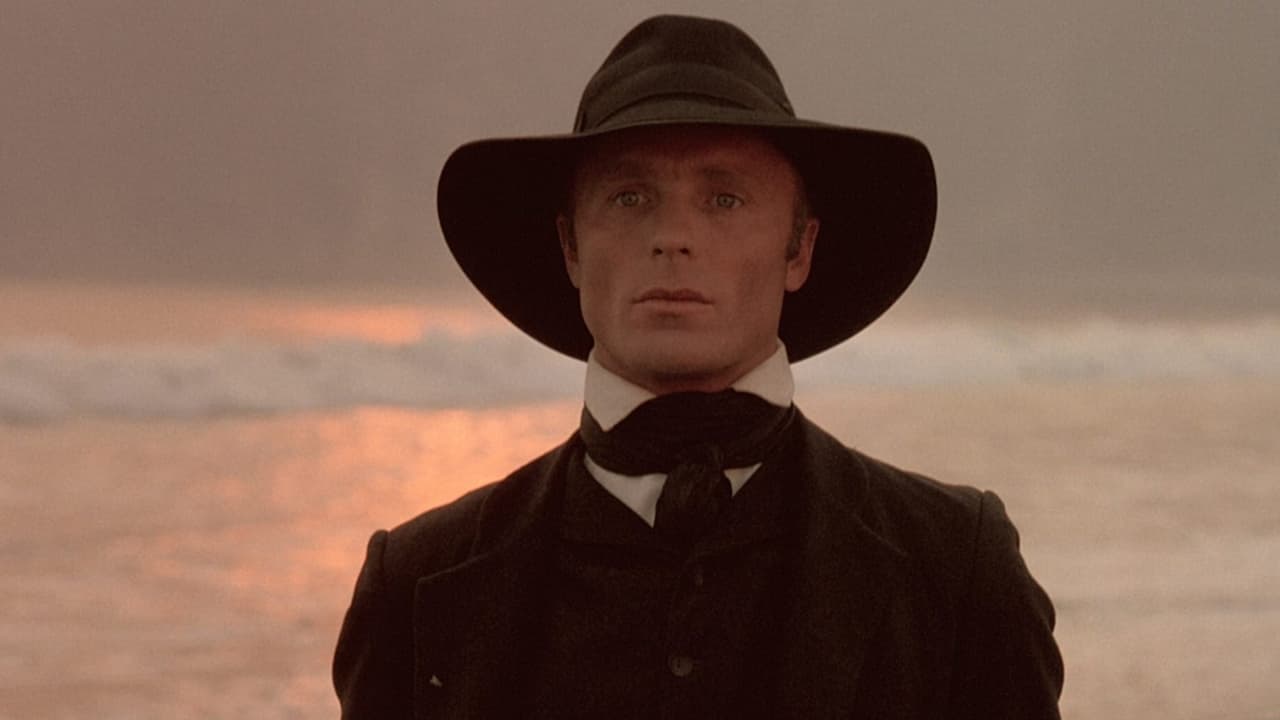
The sight of Ed Harris, eyes burning with a terrifying blend of conviction and madness, as the 19th-century American filibuster William Walker, imposing his will on Nicaragua while surrounded by deliberate, impossible intrusions from the 20th century… well, it scrambles your brain in the best and most unsettling way possible. What is this film?
Manifest Destiny, Punk Rock Style
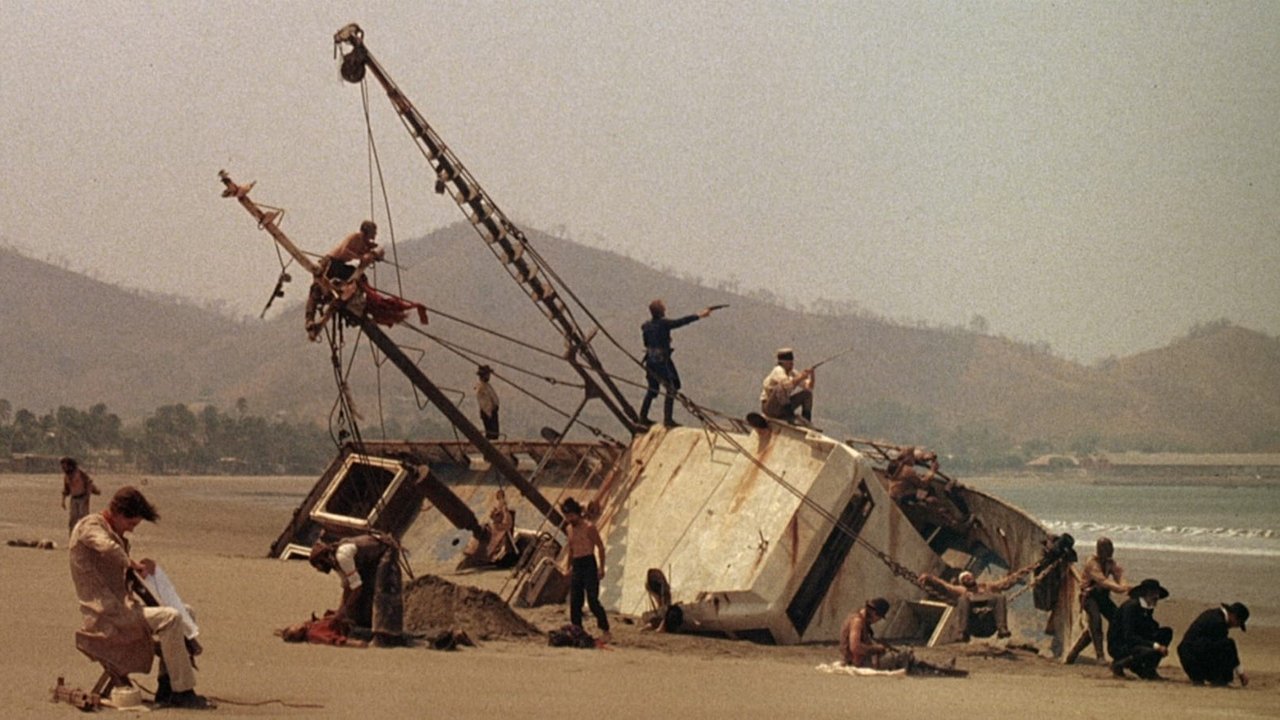
On the surface, Walker tells the (based-on-truth) story of William Walker, a Tennessee lawyer, doctor, and journalist who, backed by American tycoon Cornelius Vanderbilt (Peter Boyle in a brief but memorable turn), led a private army into Nicaragua in 1855. Improbably, he seized control, declared himself president, instituted English as the official language, and legalized slavery before being overthrown and eventually executed. It's a bizarre, almost unbelievable chapter of American interventionism.
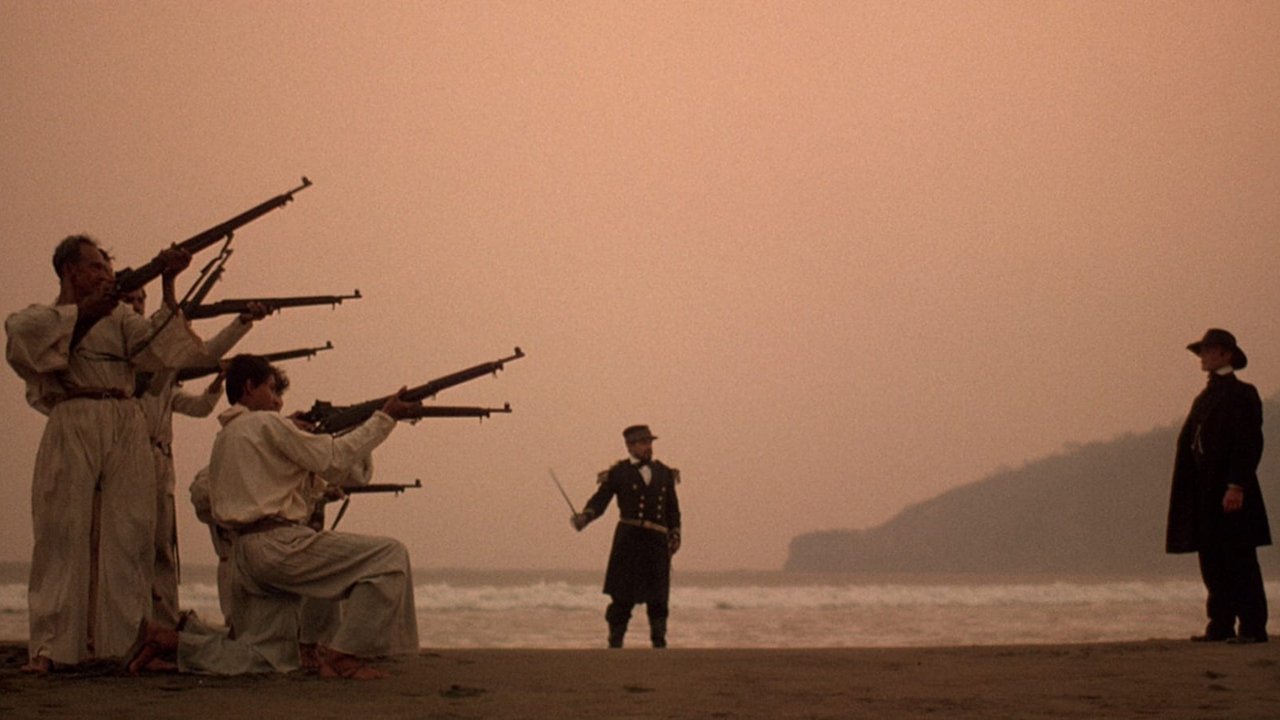
But Alex Cox, hot off the critical success of Repo Man (1984) and Sid & Nancy (1986), wasn't interested in a straightforward historical lesson. Working from a scathing script by Rudy Wurlitzer (known for writing existential Westerns like Pat Garrett and Billy the Kid), Cox uses Walker's story as a furious, punk-inflected allegory for the Reagan administration's contemporary involvement in Nicaragua during the Contra War. And he makes this connection brutally, hilariously explicit.
Anachronism as Political Weapon
This is where Walker truly earns its cult status and, for many at the time, its infamy. Forget historical accuracy. Characters light up Marlboro cigarettes, page through Newsweek and People magazines, sip Coca-Cola, and wield Zippo lighters. Mercedes sedans appear amidst horse-drawn carts. And in the film's most audacious moments, US Army helicopters – actual Hueys provided, astonishingly, by the Sandinista government Cox was implicitly supporting – descend to aid Walker's increasingly desperate forces.
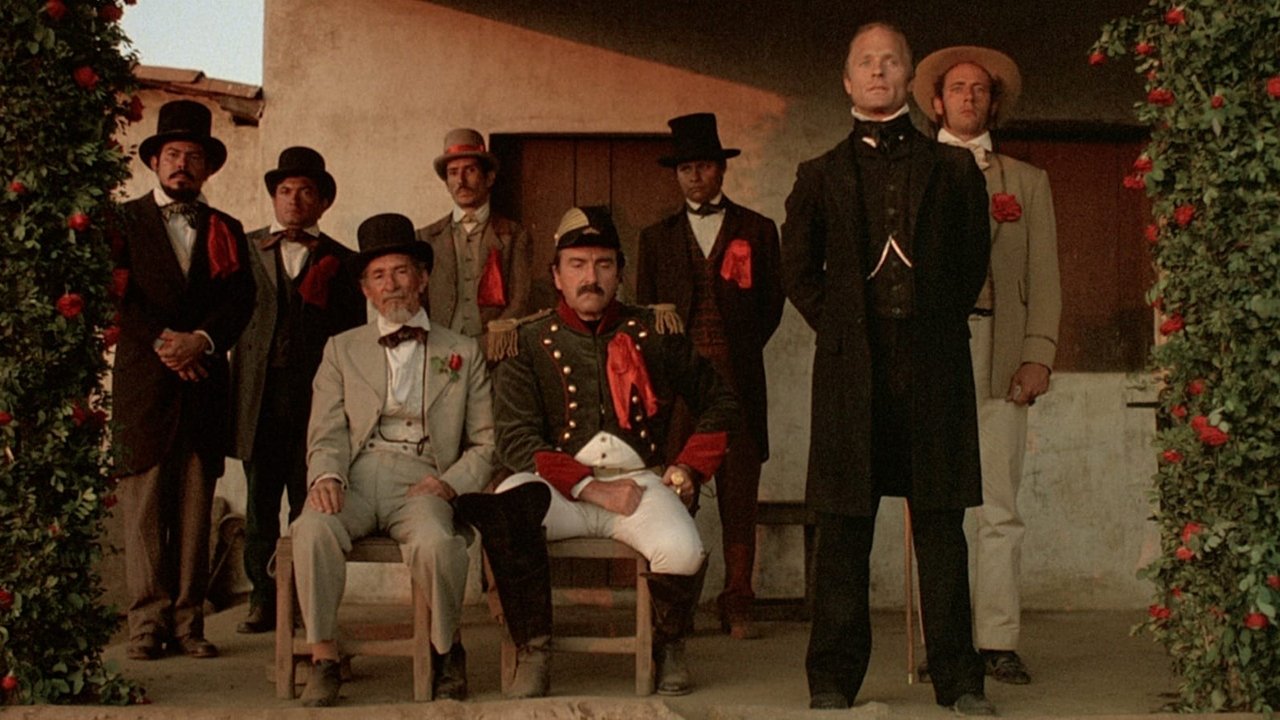
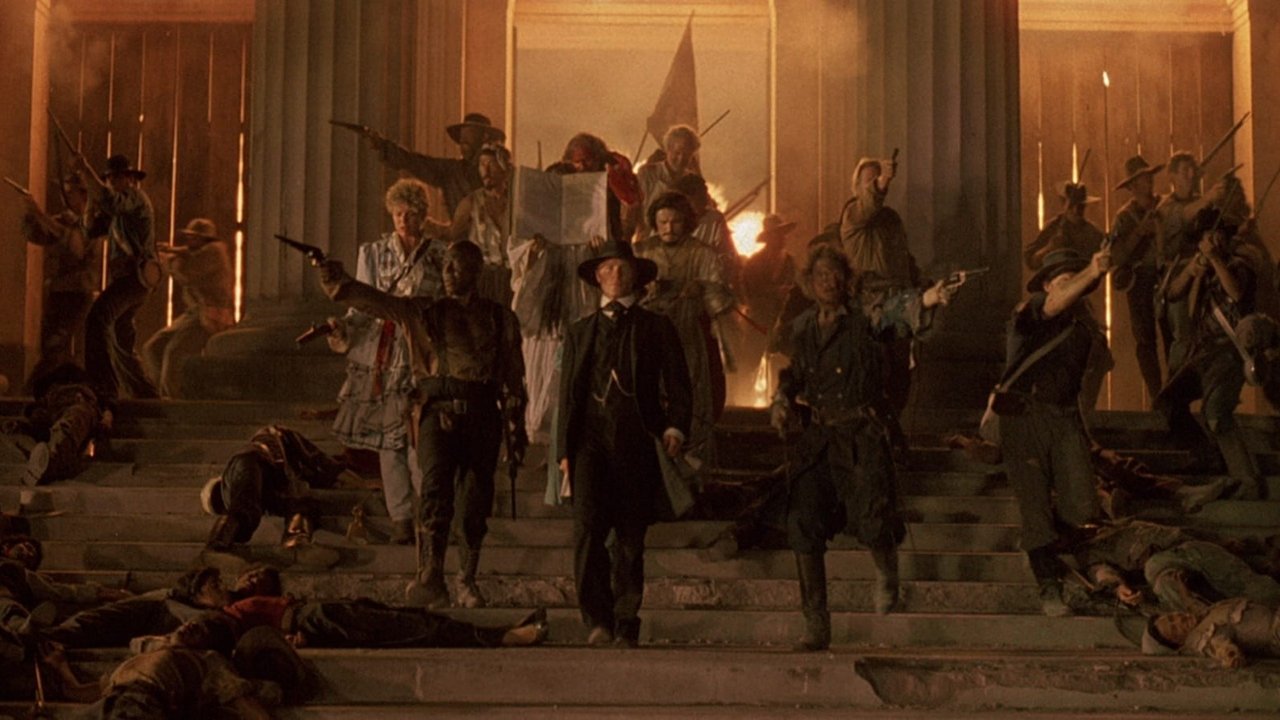
These aren't continuity errors; they're Molotov cocktails lobbed at the fourth wall. Cox isn't just telling a story; he's shouting that history repeats itself, that the arrogance and folly of 1850s interventionism are mirrored directly in the 1980s politics unfolding right outside the filming locations. It's a decision that absolutely baffled and enraged many critics and audiences upon release. I distinctly remember the bewildered buzz around this film – was it incompetence? A joke? Or something far more pointed? The initial critical reaction was savage; Roger Ebert, for instance, famously gave it one star, calling it "stupefyingly bad." The film, made for around $5.8 million (roughly $15.8 million today), cratered at the box office, barely scraping together a quarter-million dollars domestically, effectively ending Cox's studio filmmaking career.
Harris Burns the Screen Down
Amidst the chaos and political fire-starting, Ed Harris delivers a performance of white-hot intensity. His Walker isn't just ambitious; he's dangerously charismatic, a true believer whose belief system curdles into monstrous self-delusion. Harris fully commits to the absurdity and the horror, embodying the film's central thesis about the seductive, destructive nature of unchecked power cloaked in righteousness. He’s surrounded by a fantastic cast of character actors, including regulars from Cox's troupe like Sy Richardson, along with familiar faces like Richard Masur and Rene Auberjonois, all navigating the film's tonal tightrope walk between historical drama and savage satire.
Adding immeasurably to the unique atmosphere is the score by the legendary Joe Strummer of The Clash. It's a brilliant blend of Latin rhythms, acoustic guitars, and Strummer's unmistakable post-punk sensibilities, perfectly complementing the film's jarring juxtapositions and underlying anger. It feels both period-appropriate and defiantly modern, just like the film itself.
A Flawed, Furious Masterpiece?
Walker isn't an easy film. It's messy, deliberately abrasive, and its narrative can feel disjointed as it prioritizes political commentary over conventional storytelling. The constant anachronisms, while intellectually stimulating and central to its purpose, can undoubtedly pull some viewers out of the experience. It demands you engage with its argument, its anger. You can't just passively watch Walker; it confronts you.
Was it worth the career suicide for Alex Cox? From a purely commercial standpoint, absolutely not. But artistically? Walker remains a singular, unforgettable piece of 80s cinema. It’s a film shot through with righteous fury, filmed literally in the country it was commenting on (an unprecedented move, shooting a critique of US intervention in Nicaragua, during the Contra War, with Sandinista support), featuring a towering central performance and a score for the ages. It dared to be political, difficult, and deeply weird at a time when studio filmmaking was often playing it safe.
For those of us who appreciate films that take wild swings, that prioritize a burning message over audience comfort, Walker remains a vital, if flawed, artifact. It feels less like a movie and more like a historical document smuggled out of a revolution, disguised as a period piece, and scribbled over with angry punk graffiti.
Rating: 8/10
The score reflects the film's undeniable power, its artistic bravery, Ed Harris's phenomenal performance, and its sheer, unforgettable audacity. It loses points for the narrative unevenness and the fact that its confrontational style can sometimes overwhelm the story, but its historical significance and unique execution make it essential viewing for adventurous cinephiles.
Walker is a film that asks: how much has really changed? Watching it today, that question feels disturbingly relevant, perhaps even more so than it did back in 1987. It lingers, not as a comforting memory, but as a persistent, uncomfortable question mark.