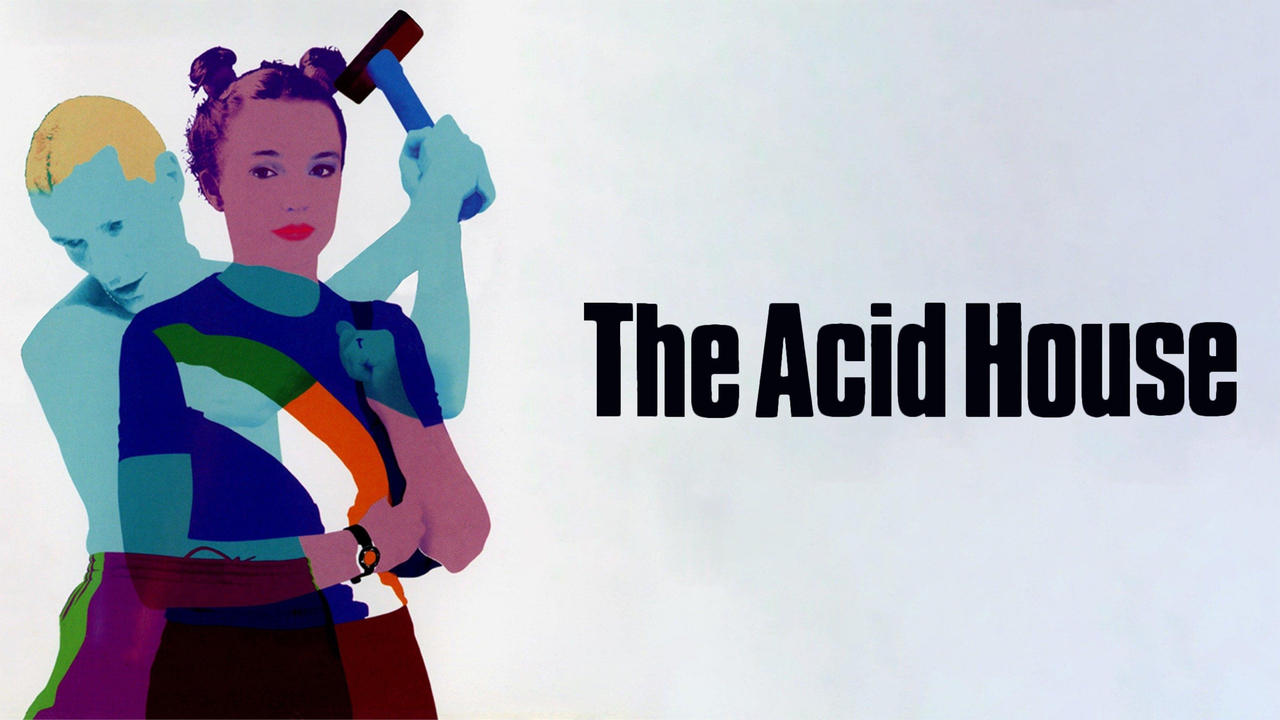
Some films arrive like a comforting hug, others like a sharp slap to the face. Irvine Welsh adaptations tend to fall squarely into the latter category, and Paul McGuigan’s 1998 feature debut, The Acid House, is no exception. Digging this one out on VHS back in the day wasn't like grabbing the latest blockbuster; it felt like unearthing something illicit, a transmission from a bleaker, stranger reality beamed directly onto magnetic tape. It wasn't comfortable viewing then, and it retains its power to provoke and unsettle even now, forcing a confrontation with the raw, often grotesque, underbelly of late 90s urban Scottish life.
### Welsh's World on Film
Based on three distinct stories from Welsh’s collection of the same name, The Acid House eschews a conventional narrative for a triptych of despair, absurdity, and pitch-black humour. Watching it again, what strikes me is how McGuigan, working directly from Welsh’s screenplay, captures that specific literary voice – cynical, profane, yet shot through with moments of unexpected, almost poetic, observation amidst the grime. This isn't the relatively more polished (though still raw) feel of Trainspotting (1996); The Acid House feels rougher around the edges, more anarchic, closer perhaps to the source material's unfiltered shock value. The film was made for a relatively modest £1.6 million, and that rawness feels baked into its very celluloid.
### A Trio of Twisted Tales
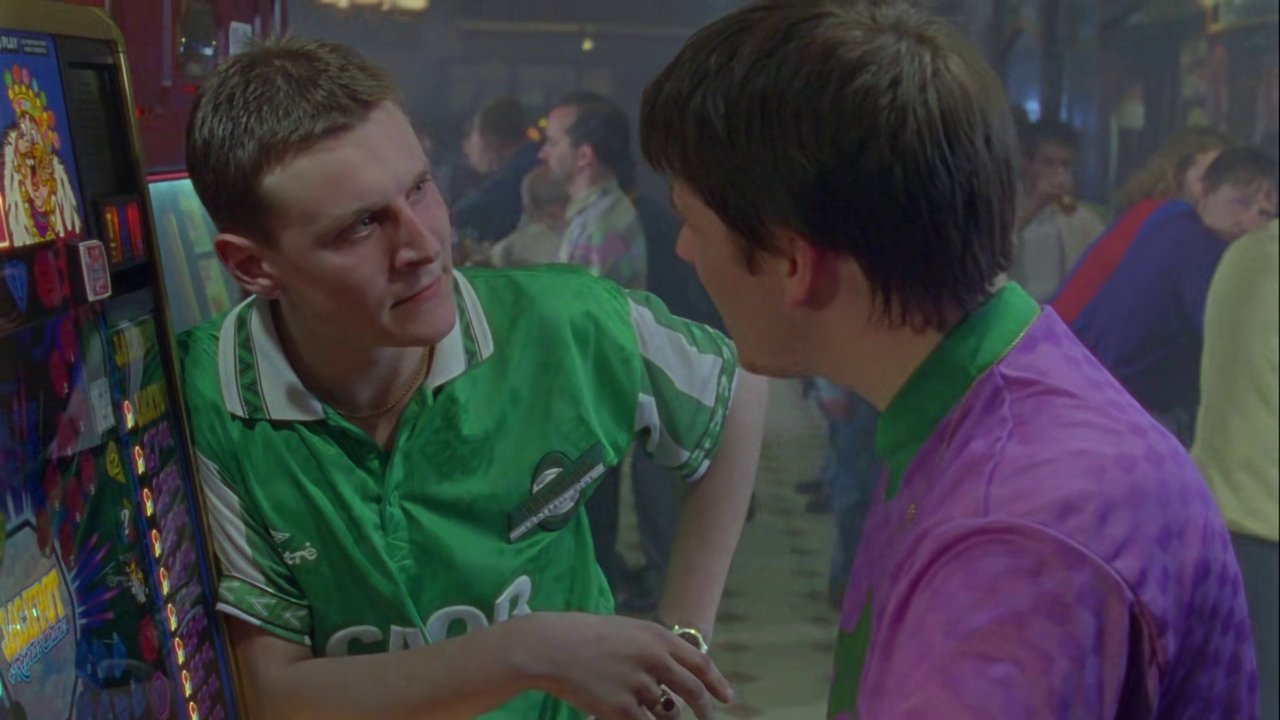
The film presents three vignettes, each exploring different facets of desperation and bizarre twists of fate. "The Granton Star Cause" introduces us to Boab Coyle (Stephen McCole), enduring possibly the worst day imaginable – dropped from his football team, sacked from his job, dumped by his girlfriend, and kicked out by his parents, all before a bizarre pub encounter with a foul-mouthed God (Maurice Roëves) leads to an Kafkaesque transformation. McCole perfectly captures Boab's spiralling bewilderment and fury, making the utterly surreal climax feel strangely earned within its grim logic.
"A Soft Touch" shifts gears into arguably the most harrowing segment. Kevin McKidd, reuniting with Welsh material after Trainspotting, plays Johnny, a gentle giant whose inherent decency makes him easy prey for his volatile, cheating wife Catriona (Michelle Gomez, in a ferociously memorable performance) and their predatory neighbour Larry (Gary McCormack). McKidd’s portrayal of Johnny's quiet suffering is heartbreakingly effective, a study in emasculation and exploitation that lingers long after the credits roll. It's a stark reminder of Welsh's ability to find humanity even in the most degraded circumstances, making the cruelty sting even more.
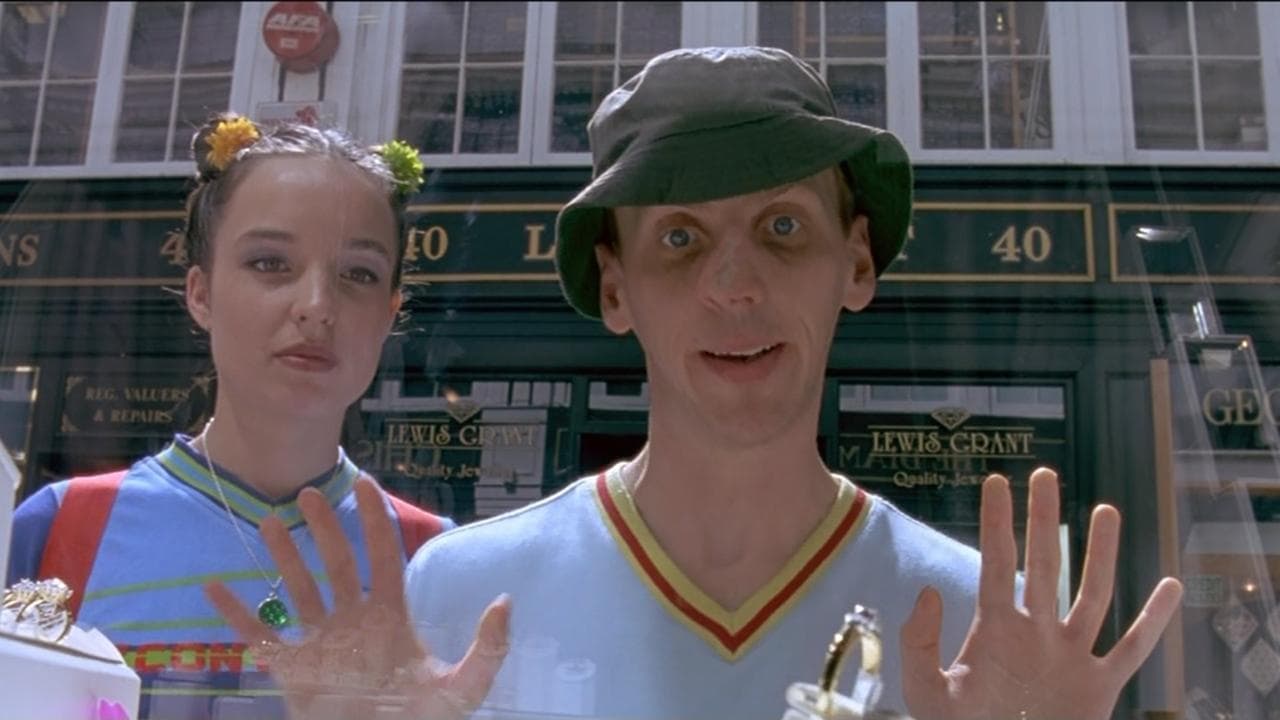
Finally, the titular story, "The Acid House," plunges headfirst into psychedelic body-swap horror-comedy. Coco Bryce (Ewen Bremner, another Trainspotting alum giving his all) is a hedonistic schemie tripping on LSD during a lightning storm when his consciousness is swapped with that of a newborn baby. Bremner’s performance is a tour-de-force of physical comedy and unsettling intensity, toggling between the drug-addled raver and the malevolent, foul-mouthed infant trapped in his own body. It's grotesque, hilarious, and deeply weird – perhaps the segment most emblematic of the film’s confrontational style. The practical effects used for the talking baby are undeniably dated now, but possess a certain lo-fi charm that fits the film’s gritty aesthetic.
### Unflinching Performances and Raw Style
What elevates The Acid House beyond mere provocation are the utterly committed performances. Bremner, McKidd, and McCole inhabit their roles with a desperate authenticity that grounds even the most surreal moments. They understand the rhythm of Welsh's dialogue, the bleak humour masking deep pain. Michelle Gomez as Catriona is terrifyingly magnetic; it’s a performance that burns itself into your memory. McGuigan’s direction, while occasionally uneven as one might expect from a debut, shows a flair for visual storytelling. He uses canted angles, quick cuts, and a pulsing soundtrack featuring artists like Primal Scream, The Chemical Brothers, and Oasis to create a sense of disorientation and nervous energy that perfectly complements the narratives. The choice to film largely on location in Edinburgh and surrounding areas adds a layer of unvarnished reality.
### Retro Fun Facts: Bringing Bleakness to Life
Adapting Welsh is never straightforward. Unlike Trainspotting's more cohesive plot, weaving these three disparate stories together presented a unique challenge. Welsh himself penned the screenplay, ensuring his distinct voice remained central. One fascinating tidbit is how the production embraced its relatively low budget; the effects, like Boab's transformation or Coco's baby-swap predicament, rely more on suggestion, performance, and clever editing than expensive CGI, giving them a visceral, grounded quality often missing today. Finding this on the shelves of Blockbuster felt like discovering contraband – it certainly wasn’t racking up huge box office numbers (grossing only around £270,000 in the UK), making it a true cult find for those seeking something different. Its often disturbing content and bleak outlook inevitably drew comparisons to Trainspotting, but The Acid House feels less concerned with accessibility and more intent on delivering Welsh's vision raw and uncut, leading to a predictably divisive critical reception upon release.
### Not For the Faint of Heart
The Acid House is emphatically not a feel-good movie. It’s challenging, often unpleasant, and deliberately provocative. Yet, there's an undeniable energy and dark wit to it. It captures a specific time and place, a feeling of disillusionment and desperate absurdity filtered through Welsh’s unique lens. Finding this tape felt like accessing a secret channel, one showing stories you wouldn’t see anywhere else. It’s a potent reminder of a time when British indie cinema felt genuinely dangerous and unpredictable. It doesn’t offer easy answers or comfortable resolutions, instead leaving you wrestling with the grim humour and stark realities it depicts.
Rating: 7/10
Justification: While undeniably challenging and uneven in places, The Acid House succeeds brilliantly as a raw, visceral adaptation of Irvine Welsh's work. The outstanding, fearless performances (particularly from Bremner, McKidd, and Gomez), McGuigan's energetic direction, and its unflinching depiction of bleak lives punctuated by surreal horror and humour make it a compelling, if difficult, watch. It's a potent slice of 90s counter-culture cinema that earns its cult status through sheer audacity, even if its abrasive nature makes it far from universally appealing.
Final Thought: A jagged little pill of a film, The Acid House remains a potent, disturbing, and darkly funny trip well worth taking for adventurous viewers nostalgic for the rougher edges of 90s indie filmmaking. Just don't expect to feel clean afterwards.