Okay, fellow travelers in time, let's rewind the tape past the glossy blockbusters for a moment. Settle in, maybe crack open a Tab if you've still got one stashed somewhere, because we're diving headfirst into the gloriously messy, utterly fearless, and deeply Spanish chaos of Pedro Almodóvar's 1980 feature debut: Pepi, Luci, Bom y otras chicas del montón (Pepi, Luci, Bom and Other Girls Like Mom). Forget polished Hollywood introductions; this film kicks the door down with a scene that feels less like narrative setup and more like a direct provocation hurled from the heart of Madrid's post-Franco counter-culture explosion.
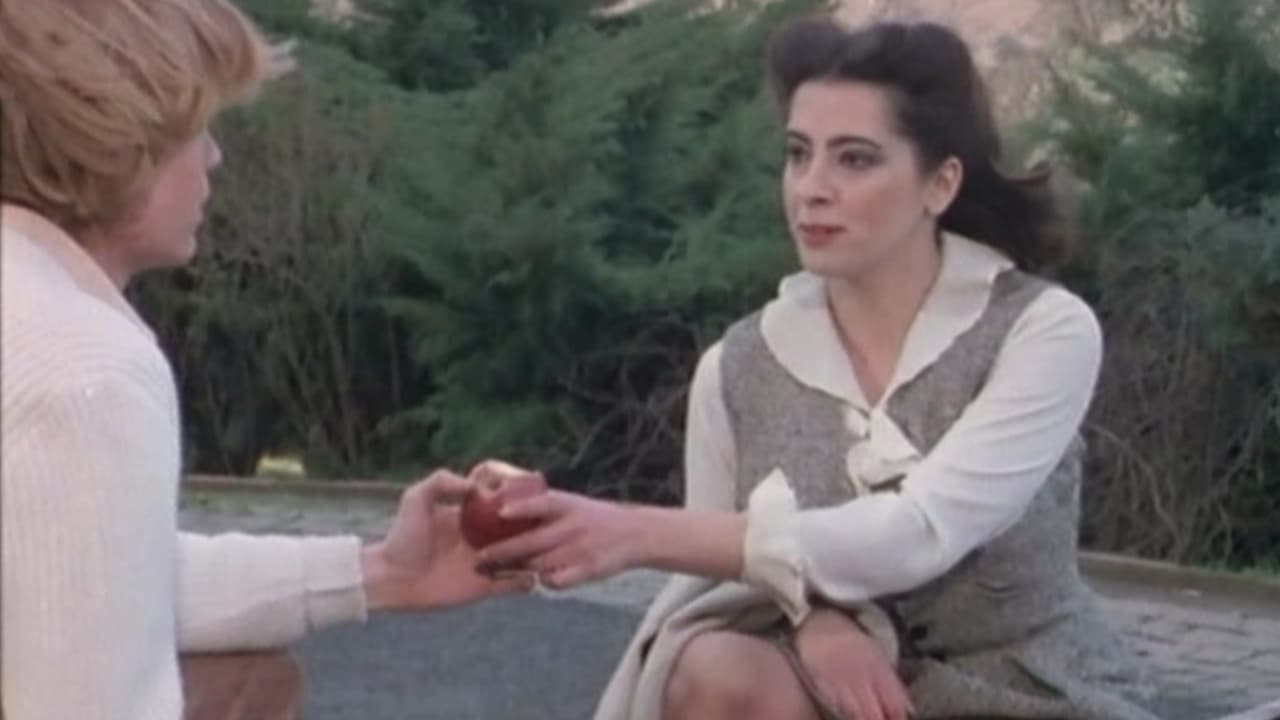
Anarchy in the Apartment
If you stumbled upon this tape late one night, sandwiched between forgotten slashers and straight-to-video action flicks, you were in for a jolt. Pepi, Luci, Bom isn't just a movie; it's a Molotov cocktail of punk energy, sexual liberation, and DIY filmmaking splashed onto grainy 16mm film. The plot, such as it is, detonates from a grim starting point: Pepi (Carmen Maura, already magnetic even in this early role) is raped by a brutish policeman (the unsettling Félix Rotaeta) who discovers her marijuana plants. Her revenge plot involves befriending the policeman's masochistic wife, Luci (Eva Siva), and introducing her to the nihilistic, dominating punk singer Bom (Alaska, credited as Olvido Gara – a genuine icon of the Spanish punk scene known from bands like Kaka de Luxe and Alaska y los Pegamoides). What follows is less a linear story and more a series of outrageous, often hilarious, sometimes disturbing vignettes capturing the spirit of La Movida Madrileña.
This film feels made, not manufactured. You can almost smell the cheap film stock and the stale cigarette smoke from the cramped apartments they likely filmed in. Retro Fun Fact: Almodóvar famously scraped together the budget piece by piece, shooting sporadically over 18 months whenever he had cash, often relying on friends for locations and support. This wasn't studio filmmaking; it was cinematic guerrilla warfare, fueled by passion and necessity, and that raw immediacy bleeds through every frame. The technical limitations – sometimes muddy sound, occasionally jarring edits – aren't flaws so much as badges of honor, testaments to its underground origins.
The Birth of Almodóvar
Watching Pepi, Luci, Bom today is like looking at the primal scream that announced Pedro Almodóvar to the world. The vibrant colours that would become his trademark are here, albeit filtered through a low-budget lens. The fascination with unconventional relationships, female solidarity (albeit twisted), pop culture pastiche, and pushing societal boundaries is already firmly in place. Carmen Maura, who would become one of his key collaborators in masterpieces like Women on the Verge of a Nervous Breakdown (1988), showcases that incredible blend of vulnerability, strength, and comic timing, even navigating scenes that would make John Waters blush. Alaska, essentially playing a version of herself, embodies the punk defiance of the era perfectly. Her performance isn't technically polished, but her presence is electric.
The film revels in its own transgressions. There are bizarre competitions, punk rock performances that feel authentically shambolic, and explorations of sexuality (including a notorious "golden shower" scene) that were frankly shocking for 1980, even in the liberated atmosphere of post-dictatorship Madrid. Retro Fun Fact: The film actually originated from a photo-novella called "Erecciones Generales" (General Erections) that Almodóvar wrote for an underground magazine. The idea of staging mock erections for a contest in the film is a direct lift from this source material, highlighting the film's roots in subversive print culture.
More Than Just Shock Value?
Is it technically brilliant? Not by conventional standards. The narrative wanders, the pacing can feel erratic, and some elements haven't aged comfortably. But its importance transcends technical polish. This is a vital document of a specific cultural moment – the explosion of creative freedom after decades of repression under Franco. The energy is infectious, the audacity undeniable. It captures the feeling of a generation breaking taboos with gleeful abandon. Remember how raw and unfiltered underground music felt back then? This film has that same energy. It didn't get wide initial distribution but became a massive cult phenomenon, particularly on the midnight movie circuit, defining La Movida for many outside Spain. Retro Fun Fact: Despite its explicit content, the film’s underground, almost amateurish production initially helped it fly under the radar of stricter censorship that might have targeted a more mainstream release, allowing its cult status to build organically.
It's definitely not for everyone. If you're looking for slick storytelling or sensitive handling of difficult topics, look elsewhere. This is raw, confrontational, and often deliberately abrasive. But if you want to see the messy, vibrant birth of one of cinema's most unique auteurs and get a taste of a specific, explosive cultural moment, Pepi, Luci, Bom is essential viewing.
VHS Heaven Rating: 7/10
Justification: The 7 out of 10 reflects the film's undeniable energy, historical importance as a document of La Movida, and the raw talent already evident in Almodóvar and Maura. It's genuinely funny in parts and audaciously creative. However, it loses points for its significant technical limitations (a direct result of its no-budget origins, but noticeable nonetheless) and narrative looseness, alongside content that remains provocative but can also feel jarring or unevenly handled by modern standards. It's more a fascinating cultural artifact and statement of intent than a perfectly crafted film.
Final Thought: Pepi, Luci, Bom is the cinematic equivalent of finding a rare, scuffed-up punk 7-inch single – it might be noisy, rough around the edges, and definitely not for polite company, but damn, does it feel alive. A chaotic, vital dispatch from ground zero of Almodóvar's cinematic universe.